Author:Used Wholesale Manufacturer TIME:2026-08-10
Brand-shoe claim evidence file
A brand-shoe stock video can help a buyer locate marks, model shapes and condition questions, but recognition is not authentication. The useful task is to separate physical release from claim release. This dossier records what the camera shows, which source relation belongs to each pair and which wording must remain withheld until stronger evidence is available.
Write the exact claim made in the title, quotation, label or supplier note. Attach its source, date, pictured subject and relation to the proposed stock. A logo-shaped mark in footage is only a visible feature until evidence links it to the pair and supports permitted wording.
The Video observation boundary prevents a frame from proving provenance, authenticity, production year or model history. Use neutral descriptions where evidence is incomplete. Keep unresolved identity claims separate from the physical inventory decision.
exact proposed wording
record owner and date
pair sample lot or general reference
supported limited unresolved or reject
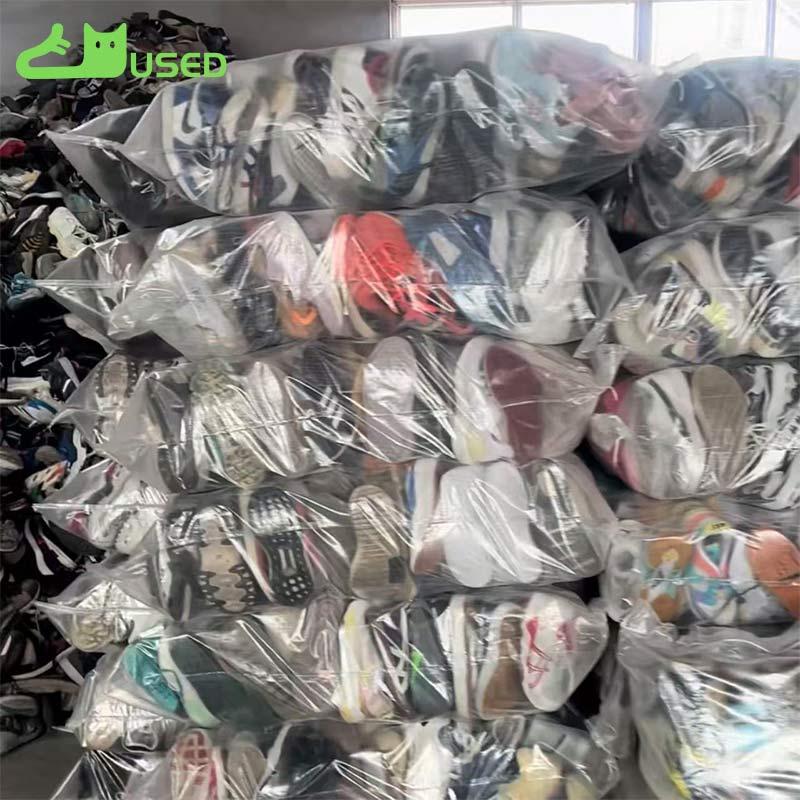
Match left and right by visible construction, marked size, color, model features and comparable wear. Assign a stable pair code and capture full profiles before close details. Singles, mismatches and unreadable labels do not enter the released-pair denominator.
Photograph each relevant mark with enough surrounding context to show where it sits. A detached close-up can be misleading. Record conflicts between tongue, insole, outsole and packaging marks rather than choosing the most convenient version.
mates and package relation
location text and clarity
inconsistent visible evidence
complete coded pairs reviewed
Inspect upper joins, sole perimeter, outsole wear, heel support, closures, lining, insole, odor observation and prior repair. Record passes, preparation holds, structural holds and exclusions with ordinary examples.
A physical pass does not authenticate a pair. An identity release does not prove acceptable condition. Keep the two statuses in separate columns so pricing, listing and packing cannot merge them silently.
within written boundary
approved routine task
specialist decision pending
outside accepted condition
The file keeps physical and identity decisions independent until both are complete.
| Record | Physical question | Identity question | Permitted output |
|---|---|---|---|
| Pair | Mates and condition | Marks and source relation | Coded evidence |
| Sample | Disposition denominator | Claim-status denominator | Lane result |
| Package | Released pair count | Held wording count | Traceable unit |
| Receiving | Condition replay | Claim replay | Listing release or hold |
Only a pair that passes both required gates can inherit the approved commercial description.
Choose package positions and pairs before inspecting the most legible marks. Include ordinary and borderline items. Request full pair, mark locations, size labels, sole edges, outsole and interiors under the same code.
State the inspected denominator and all dispositions. If evidence clusters in one model or package, expand that lane. Do not turn selected display pairs into a percentage for uninspected stock.
declared unit and pair rule
models forms and package positions
views attached to codes
trigger for more review
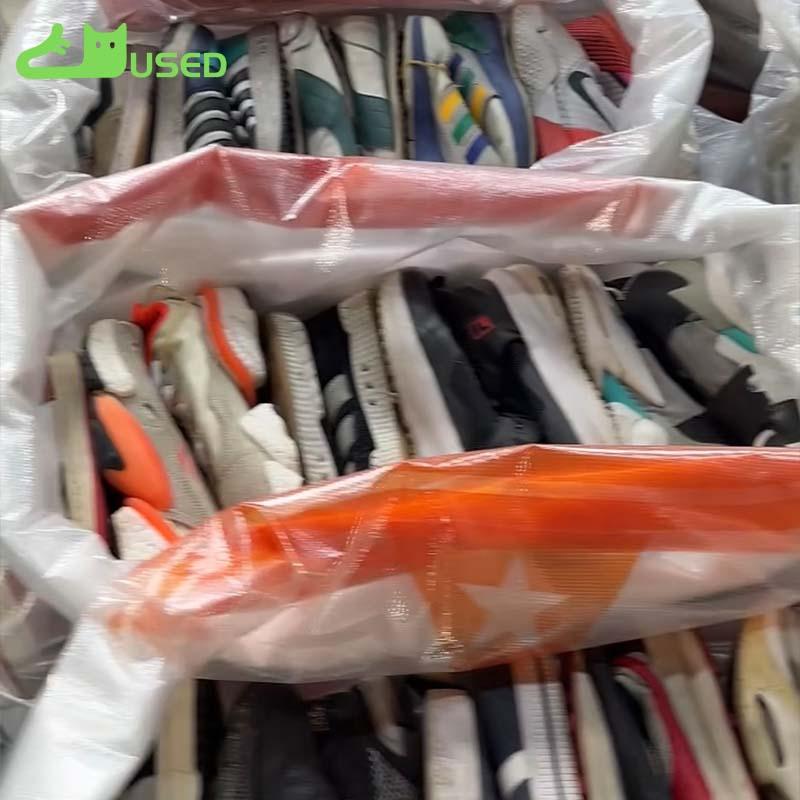
Label units with lot and package codes, accepted pair basis, mix reference and closure date. Keep identity holds and physical holds outside ordinary released stock. A packing overview cannot prove the contents of every sealed unit.
At receiving, sample package codes and repeat pair, mark, condition and claim-status checks before listings are created. Preserve source and receiver evidence side by side; do not rewrite the original file to remove a conflict.
code and stated basis
physical and claim gates passed
identity or condition unresolved
receiver repeats the same fields
Create a listing vocabulary that distinguishes supported brand/model wording, limited visible-mark wording and neutral construction descriptions. Do not imply authorization, provenance or authenticity from catalog placement or camera familiarity.
Ask the supplier for current coded evidence, unresolved claim counts, physical dispositions and packing records before price approval. Price identity-risk and preparation workload explicitly, or exclude the affected lane from the first trial.
evidence permits exact wording
claim narrowed to visible fact
construction and condition only
evidence gap blocks publication
No. Record the mark and require evidence supporting any identity claim.
No. Condition and identity use different evidence.
No. Keep their codes and counts in a separate hold lane.
Use neutral construction and observable condition language until the claim is resolved.
A brand-shoe video should open an evidence file, not close an authenticity decision. The used brand shoes wholesale category defines the stock lane; coded pairs, separate release gates and receiving replay control wording and inventory.

Direct Factory Supplier of Used Shoes For African Markets In China
 Tel: +8618606960861
 Email: info@usedshoeswholesale.com
 MP/WhatsApp: +8618606960861
 Manufacturer Address:Cizao Town, Jinjiang City, Quanzhou City, Fujian Province