
Author:Used Wholesale Manufacturer TIME:2026-08-10
Export identity and document chain
Export-facing brand-shoe footage must be read alongside product identity, physical condition, packing and document records. The word export does not prove destination acceptance, customs status or authenticity. This page creates a chain from the pictured pair to permitted wording and the coded package that receiving can check.
Record where the footage shows individual pairs, visible marks, sorting areas, package units or loading context. Do not describe a shipment destination or result unless separate evidence identifies it. A camera view of packed goods is not a transport document.
The Video observation boundary restricts scene notes to pictured subjects. Link each useful frame to a question about the proposed current stock, and mark scenes with no clear lot relation as general reference.
product and condition question
identity evidence question
count and coding question
general reference unless documented
Assign pair codes and capture full profiles plus each relevant mark location. Record the source, date, subject and stock relation behind any brand or model statement. Conflicting or unreadable evidence stays unresolved.
Do not infer authenticity, trademark authorization, origin or import eligibility from appearance. Those questions require the buyer's appropriate legal and documentary review. The content can explain an evidence route without declaring a regulatory outcome.
mates and size marks
mark source and relation
exact permitted wording
no legal or authenticity conclusion
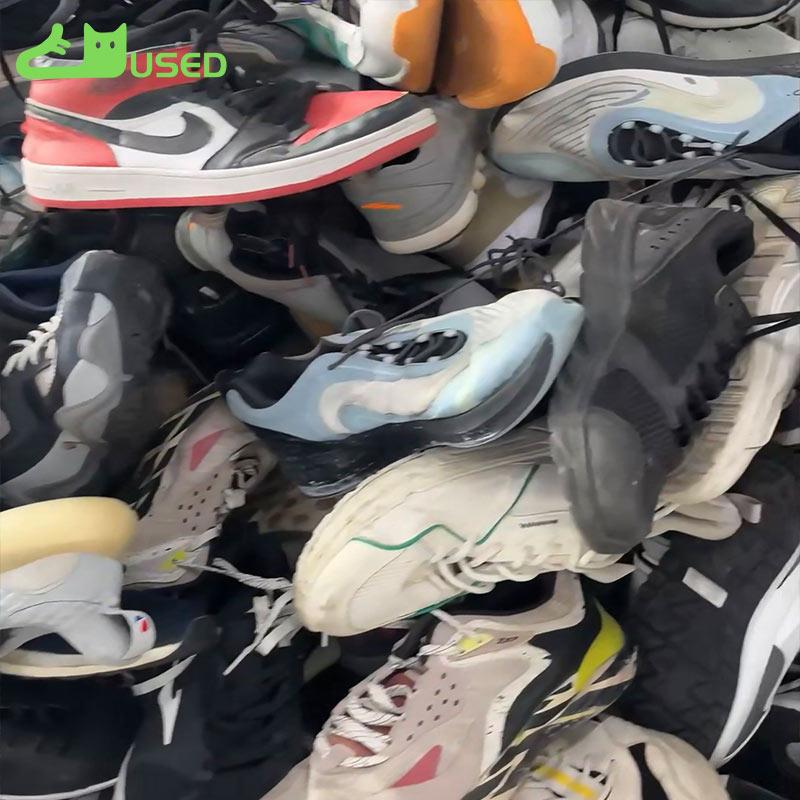
Review sole attachment, outsole wear, upper damage, closures, heel structure, interior, moisture and odor observations by construction. Keep physical outcomes separate from identity status. Request ordinary-unit samples and counted dispositions.
Preparation must be recorded and completed before packing. A repaired or cleaned pair needs reinspection and disclosure where relevant. Export-ready language should not replace the buyer's physical acceptance criteria.
within stated physical rules
approved work incomplete
structure moisture or claim unresolved
excluded from accepted quantity
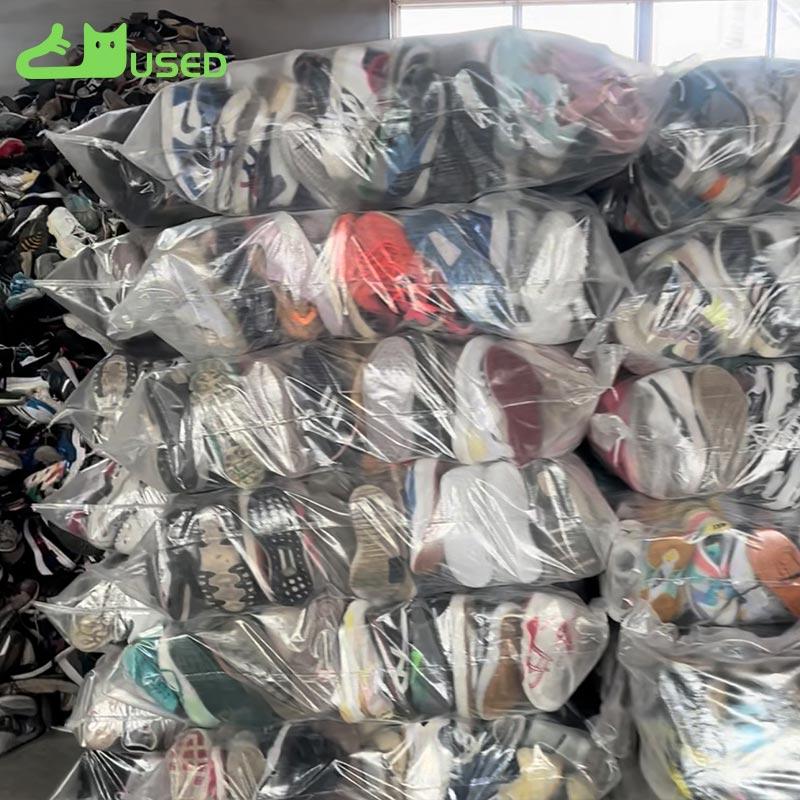
Every link states what it controls and which conclusion remains outside scope.
| Link | Controlled evidence | Receiver repeats | Not established alone |
|---|---|---|---|
| Pair | Mates marks condition and code | Pair and wording match | Authenticity |
| Package | Released contents and unit mark | Count and physical variance | Destination approval |
| Documents | Offer inspection and packing revision | File reconciliation | Customs clearance |
| Disposition | Owner and approved action | Release hold or claim | Universal export fitness |
The chain is useful because every unsupported conclusion remains visible instead of being hidden by export wording.
Keep the offer, inspection register, identity file, packing list and unit-code sheet under one revision. Preserve the commercial unit exactly as quoted and avoid unsupported pair-weight conversions.
If inventory or wording changes, issue a dated revision and obtain buyer approval. Replacement pairs cannot inherit claim status or condition evidence from an earlier sample. Every package should point to the correct released inventory file.
scope unit and included work
pair disposition and claim status
unit codes counts and weights
changed stock and approval
At arrival, select package codes and compare outer condition, pair count, product lane, physical status and identity wording with the source file. Preserve receiver observations without altering the original supplier record.
Route transit damage, source variance, claim conflicts and document gaps separately. Do not state customs clearance, compliance or destination acceptance unless the responsible record proves it. This page remains an inspection guide, not a legal assurance.
package code and condition
released pair reconciliation
wording and evidence match
owner and disposition
Ask for current pair and package codes, physical dispositions, identity status, exact commercial unit, packing list, preparation record and unresolved document fields. Name the buyer's required destination review as a separate responsibility.
Cap the trial by released pairs, claim-ready pairs, package count and review date. The decision should follow reproducible files, not the presence of export language in the title or video setting.
dated coded pair file
approved wording and holds
contents and labels
buyer-owned requirements review
No. A shipment and destination require their own records.
No. Identity and destination requirements need appropriate evidence and review.
So replacement stock and changed wording cannot inherit earlier approvals silently.
Package codes, released pair counts, physical status and approved claim wording.
Export brand-shoe footage should lead to a linked pair, package and document file. The used brand shoes wholesale collection sets the product lane; source-limited claims, physical release and destination-side review remain separate decisions.

Direct Factory Supplier of Used Shoes For African Markets In China
 Tel: +8618606960861
 Email: info@usedshoeswholesale.com
 MP/WhatsApp: +8618606960861
 Manufacturer Address:Cizao Town, Jinjiang City, Quanzhou City, Fujian Province