
Author:Used Wholesale Manufacturer TIME:2026-08-10
Children's footwear component review
Mixed children's footwear needs a more cautious reading than an assortment montage. Small sizes, closures, decorative parts, flexible constructions and uneven wear can appear together, yet the recording cannot establish fit, age suitability or safe use. The review below creates stop points for visible components, pairing, marked sizes and physical holds before any wholesale quantity is accepted.
Note whether the recording shows complete pairs, loose items, sorting, detail views or closed packing. Record which construction groups appear without assigning an age or performance claim. A shoe's small size does not by itself establish the intended user.
The Video observation boundary applies to each pictured surface. Hidden interiors, obscured labels and compressed stacks remain unknown. Use the first pass to plan stops rather than to estimate a release rate.
overview pair detail or package
neutral visible construction
mates shown or unresolved
hidden or blurred area
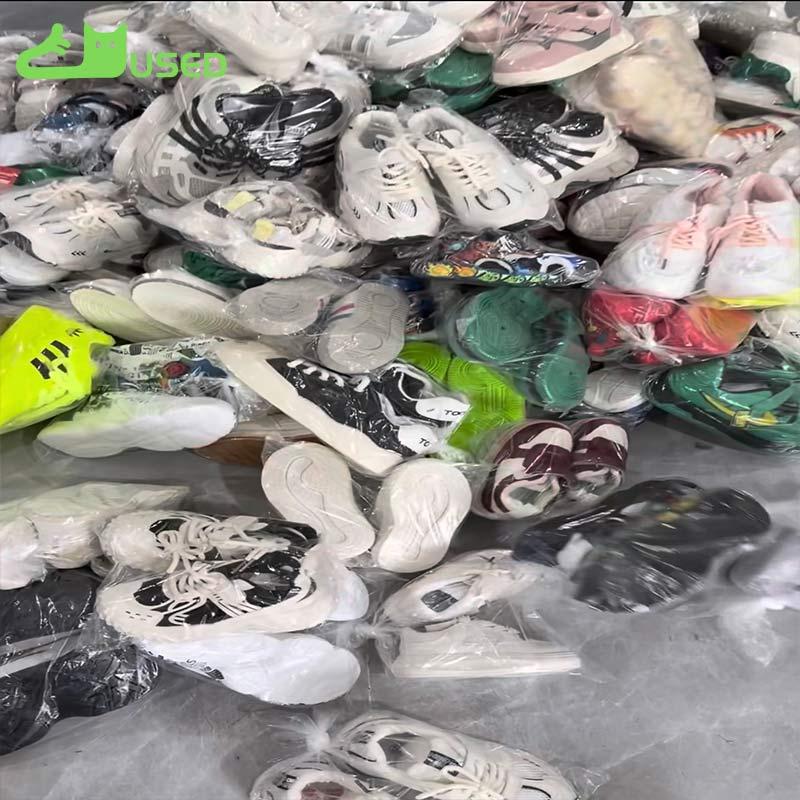
Pause where laces, hook-and-loop panels, buckles, zips, elastic sections or decorative components are visible. Record presence, attachment and mate consistency without operating a part aggressively or inferring compliance.
Ask for separate close views of loose, missing, substituted or repaired components. These items need a defined hold route and buyer review. The video cannot certify choking risk, fastening strength or suitability for a child's activity.
type location and presence
visible join and damage
attached missing or uncertain
release hold specialist or reject
Use clear side views to locate edge gaps, distortion, outsole loss, cuts, seam breaks and prior repair. Compare the same zones on both mates. Motion and distance can conceal small failures, so unclear areas should trigger static photographs.
Do not translate a flexible-looking sole into a claim about strength, traction or remaining life. Record observable condition and apply the buyer's written exclusion rules. Any check that could worsen damage should stop.
wear shape and opening
sole edge and upper joins
counter shape and outsole loss
same-zone difference
The board prevents a fast montage from hiding unresolved components.
| Stop point | Visible record | Hold trigger | Unsupported claim |
|---|---|---|---|
| Closure | Type presence anchor and mate | Loose missing or uncertain | Fastening strength |
| Sole edge | Gap wear distortion and repair | Opening or unclear damage | Traction or life |
| Size mark | Original system and pair match | Conflict unreadable or single | Age or fit |
| Interior | Lining insole residue observation | Damp odor or unknown | Hygiene certification |
The release decision is a counted physical disposition, never a safety certification inferred from video.
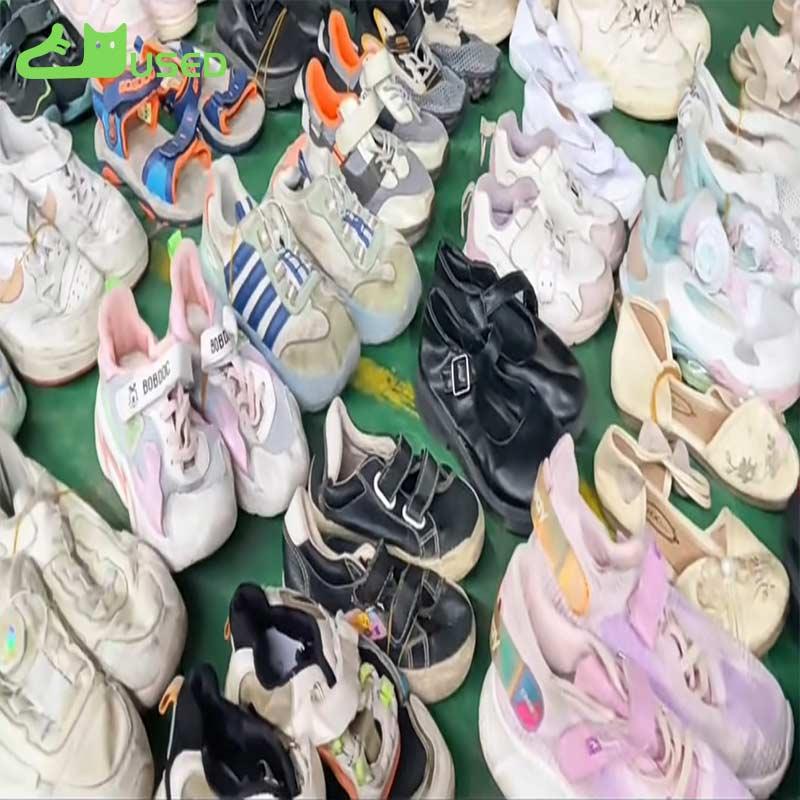
Request readable labels from complete pairs and preserve the stated size system. If labels conflict or are missing, hold the pair outside the approved curve. Do not convert marks to an age claim or guarantee fit.
Count released pairs by neutral form and original marked-size band. Keep singles, mismatches, unmarked items and unresolved pairs in separate totals. A visual mix of small shoes cannot substitute for this register.
system and readable value
left-right consistency
buyer-defined grouping
missing conflict or single
Ask for lining, insole, residue, moisture and odor observations under the pair code. A clean-looking upper does not confirm interior condition. Keep dampness, strong odor, unknown residue or damaged linings outside ordinary released stock until disposition.
Record approved cleaning and drying steps with before-and-after review. Do not write hygiene certification or medical suitability claims. Preparation is a documented process, not proof of universal safe wear.
lining insole and residue
drying status and hold
approved process and reviewer
narrow observable wording
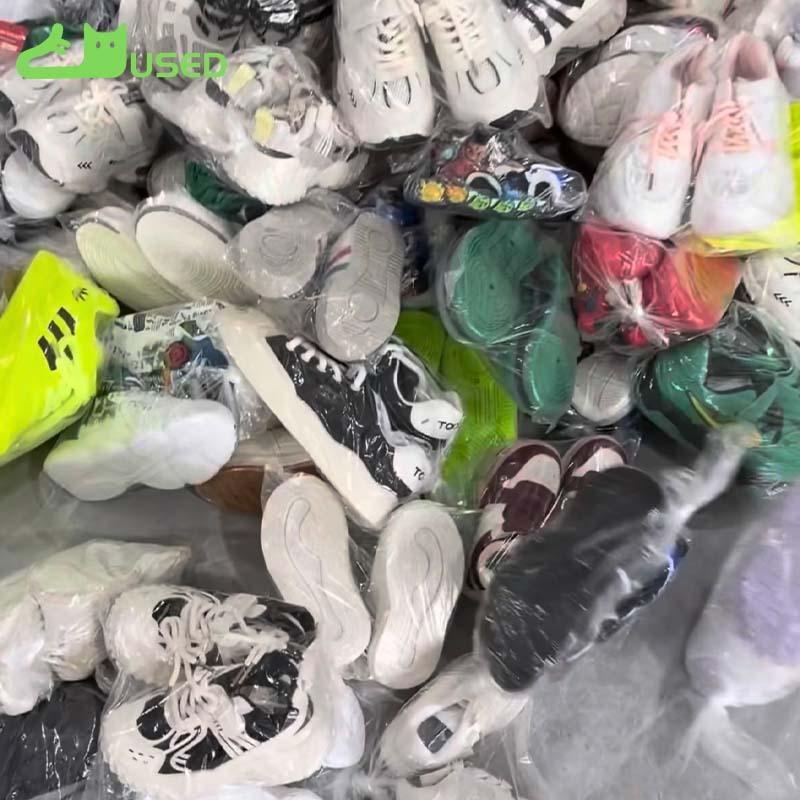
For every package, reconcile complete pairs, marked-size bands, component holds, physical exclusions and preparation outcomes. Sample ordinary units under a written rule and retain supplier and receiver results separately.
If one lane exceeds the allowed variance, expand review for that lane rather than generalizing to every package. The inquiry should name required component views, counted dispositions, package labels and the owner of each unresolved question.
code count and stated basis
mate and mark result
closure join and interior status
scope owner and disposition
No. Preserve the original mark and avoid age or fit guarantees.
No. Record visible condition and use an approved non-destructive inspection route.
No. Interior observations and preparation records are separate evidence.
Singles, mismatches, unresolved labels, component holds and pairs outside written condition limits.
Children's footwear footage should trigger component, size and interior checks without implying suitability. The used children's shoes wholesale category defines the product lane; coded pairs, conservative stop rules and receiving counts govern release.

Direct Factory Supplier of Used Shoes For African Markets In China
 Tel: +8618606960861
 Email: info@usedshoeswholesale.com
 MP/WhatsApp: +8618606960861
 Manufacturer Address:Cizao Town, Jinjiang City, Quanzhou City, Fujian Province