Author:Used Wholesale Manufacturer TIME:2026-08-10
Mixed-shoe composition decoder
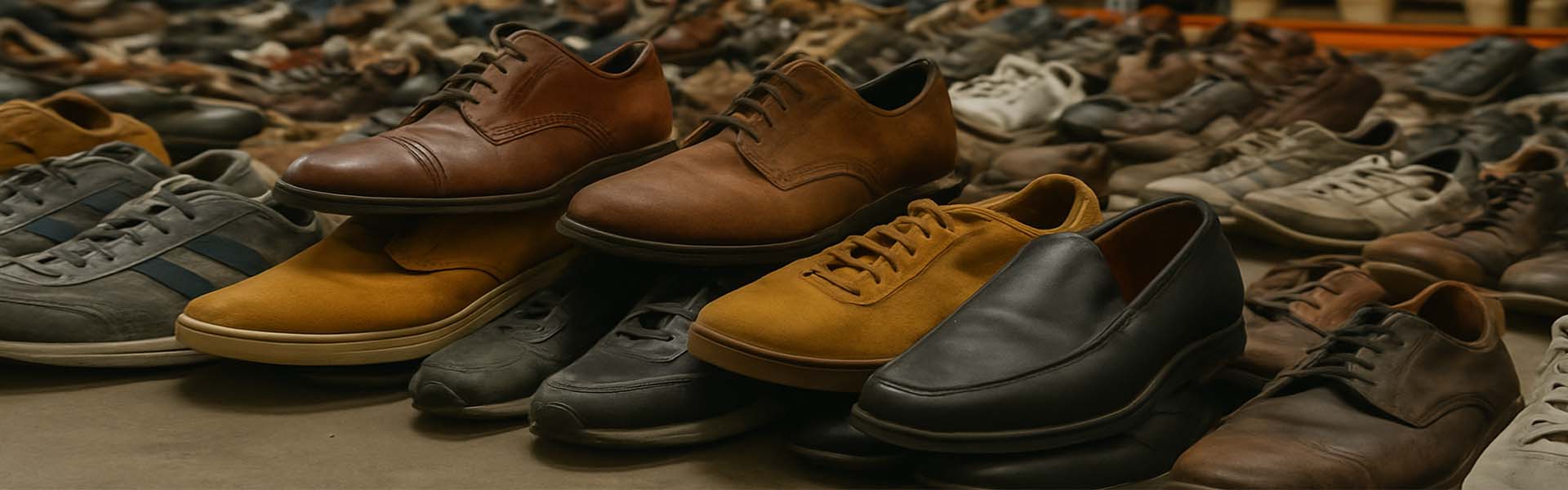
Mixed used-shoe footage can create an impression of volume while hiding the ratio that determines resale work. Men's, women's, children's, sports, formal and casual forms may share one view but not one failure route or market lane. This decoder turns visible variety into category questions, count fields and package-level checks.
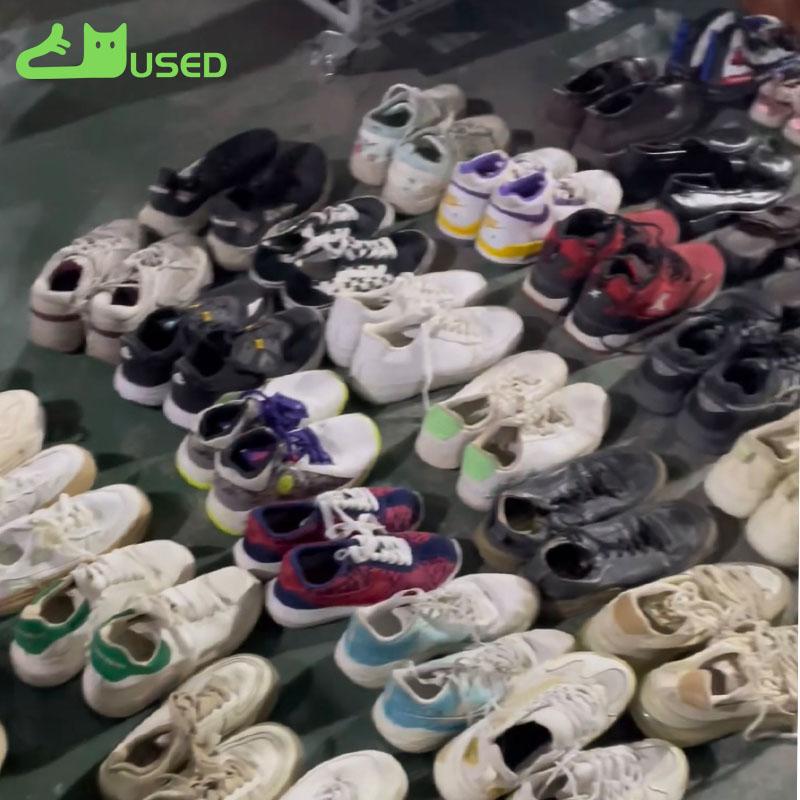
List visible forms and intended neutral category lanes from more than one part of the recording. Mark uncertain items as unresolved. The camera angle, stack depth and repeated movement can make one category seem larger than it is.
The Video observation boundary limits the census to the pictured field. It does not support percentages for sealed units. Use the census only to design a written composition return.
neutral product family
where the lane appears
complete or unresolved
count needed from current stock
The decoder separates what the video locates from what current counts must prove.
| Layer | Video contribution | Required count | Release rule |
|---|---|---|---|
| Category | Forms visible | Complete pairs by lane | Approved scope |
| Condition | Visible questions | Pass prepare hold reject | Category gate |
| Ratio | Potential concentration | Cell matrix | Target and tolerance |
| Package | External units | Contents by code | Reopen and reconcile |
A mixed lot becomes commercially legible only when its cells and packages can be counted independently.
Sneakers need sole-bond and heel checks; formal shoes need heel and finish review; boots need shaft and closure inspection; sandals and slippers need straps, footbeds and deformation checks. Children's forms require conservative component holds.
Record common fields in one ledger but keep category-specific failures visible. A mixed grade should never average a damaged lane into a stronger one. Count accepted and held pairs within each construction family.
mates marks odor and outsole
midsole outsole and upper joins
heel shaft welt and closure
strap footbed and pressure
Rows should identify approved product lanes and columns should show marked-size bands, grade routes or package codes. Populate cells with complete released pairs, not gross visible shoes. Retain singles, unknown labels and preparation holds separately.
State maximum category concentration and permitted substitutions. If actual stock misses the target, require a revised matrix and buyer approval before packing. Do not silently fill one lane with another because both appeared in a general video.
buyer-approved cell count
current released pairs
missing approved inventory
dated written approval
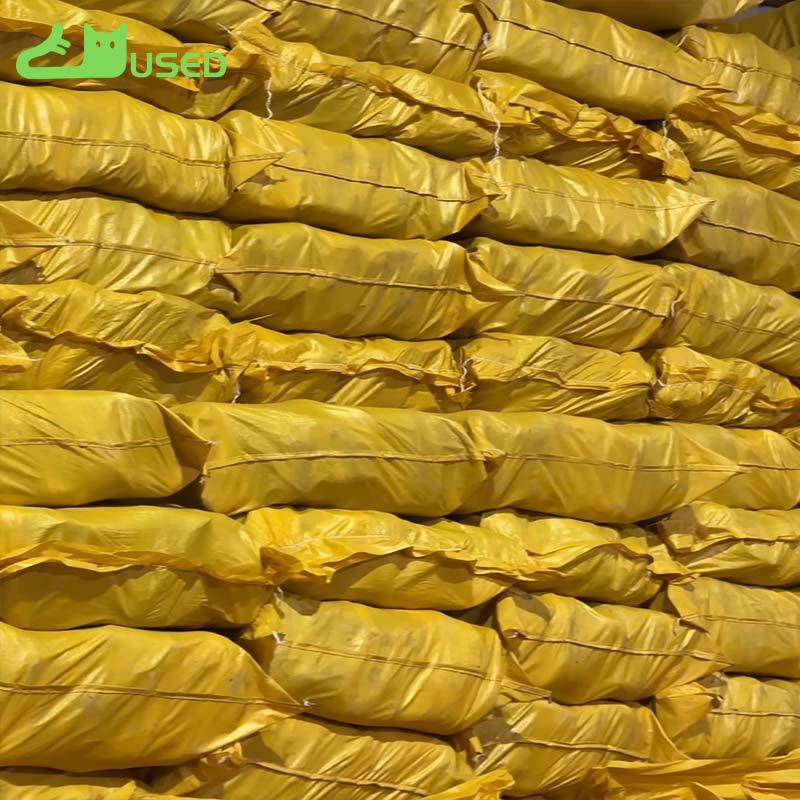
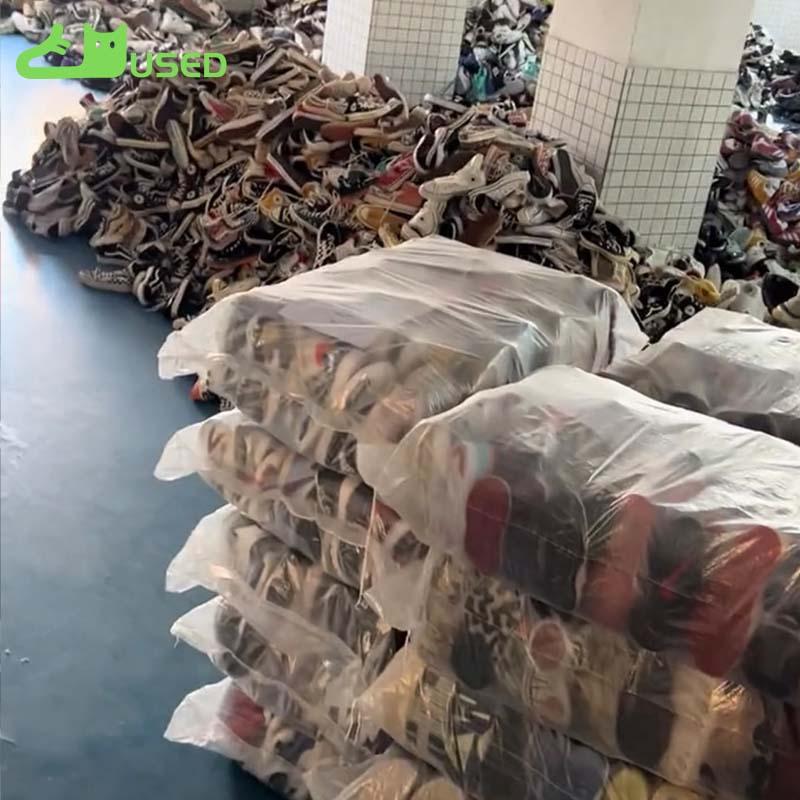
Ask whether each bale, sack or carton follows the full lot ratio or a declared package-specific mix. Record code, count basis, gross weight, category matrix and closure date. A broad stock view cannot prove package composition.
Reopen ordinary units before loading and compare pair count, category cells, condition routes and labels with the packing sheet. Preserve any repack as a new revision so receiving can reproduce the correct reference.
package identity
full-ratio or lane-specific packing
contents compared with sheet
approved change and date
Estimate sorting, cleaning, repair, photography and listing hours separately for each released lane. A mixed-lot average can conceal a small high-workload category. Use actual trial records instead of unsupported resale margins.
At receiving, route discrepancies by category and package. Expand inspection only where the written variance rule requires it. Keep source mix, received mix and final sale-ready mix as separate snapshots.
released matrix before packing
package sample result
completed work and holds
inventory entering sales lanes
Send the target matrix, category-specific exclusions, marked-size rules, package method and allowed variance in one file. Ask for dated counts from the proposed lot and ordinary-unit evidence. Broad statements such as assorted stock do not answer the specification.
Assign every gap to keep, reduce, substitute, hold or reject. The first order should cap pairs, category concentration, preparation hours and review date. Future changes must follow completed cell-level evidence.
included and excluded categories
target actual and gap
unit method and labels
owner and approved action
No. Request released-pair counts by category and package.
No. Keep common fields but use construction-specific failure routes.
Only under the buyer's written concentration and substitution rule.
Source, received and sale-ready matrices with package-linked variance records.
Mixed-shoe footage should reveal which composition questions need numbers. The used mixed shoes wholesale category provides the product scope; category gates, released-pair matrices and package audits make the lot comparable.

Direct Factory Supplier of Used Shoes For African Markets In China
 Tel: +8618606960861
 Email: info@usedshoeswholesale.com
 MP/WhatsApp: +8618606960861
 Manufacturer Address:Cizao Town, Jinjiang City, Quanzhou City, Fujian Province