
Author:Used Wholesale Manufacturer TIME:2026-08-10
Sorting and grading action replay
A sorting video may show movement between lanes, but the commercial meaning depends on written rules and counted outcomes. Grade letters alone do not tell a buyer which defects passed, how pairs were sampled or whether packed units reproduce the result. This replay follows each decision from intake through exception handling and receiving.
Note where the recording clearly shows pairing, label reading, sole or upper review, movement between areas or package preparation. Do not assign a grade meaning unless a written rule explains the lane. A worker's gesture cannot prove the reason behind a decision.
The Video observation boundary limits the action map to visible movement and surfaces. Ask for the current procedure, lane names and reason codes that apply to the proposed stock.
mates brought together
visible component considered
item moved to a lane
decision reason not shown
The sheet connects visible action, written reason, count and later verification.
| Action stage | Required record | Count field | Verification |
|---|---|---|---|
| Pair | Mate and size reason | Complete pairs | Conflict lane |
| Inspect | Component reason code | Disposition denominator | Representative evidence |
| Calibrate | Independent decisions | Agreement by field | Rule revision |
| Pack/receive | Unit and repeated reasons | Source-receiver variance | Release or expand |
A grade is defensible when another reviewer can repeat the reason and reconcile the count.
Write condition reasons for mate integrity, marked-size readability, sole attachment, outsole wear, upper damage, heel or closure function, interior and odor. Add construction-specific fields for open footwear, boots, sports shoes and children's forms.
State which findings pass, require preparation, move to a lower lane, remain on hold or fail. Avoid quality adjectives without a decision table. The same reason should lead to the same action across reviewers.
inside written limit
approved routine work
usable outside primary lane
outside accepted stock
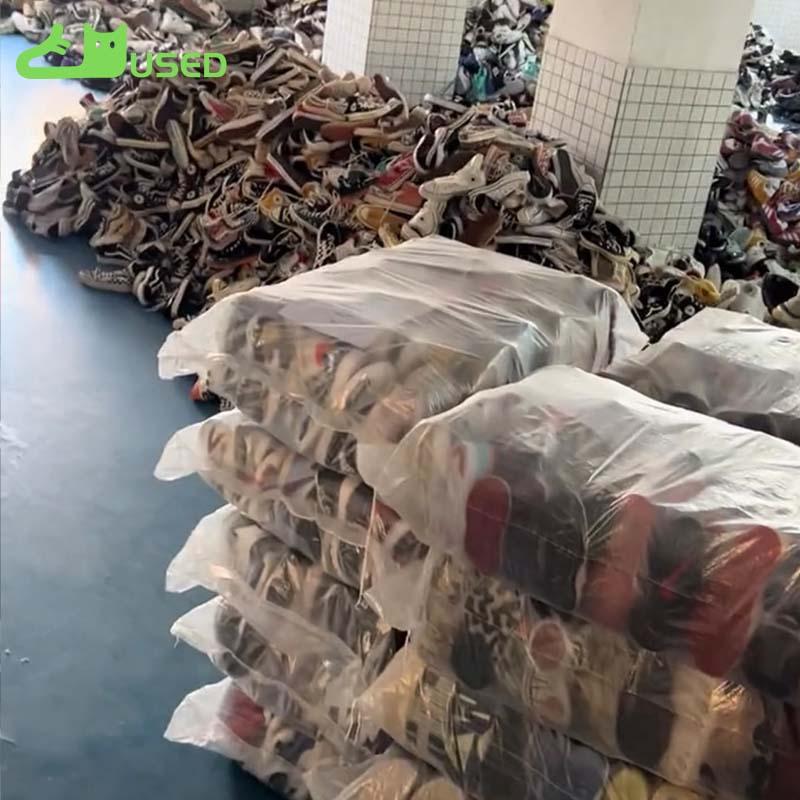
Record gross items, complete pairs, inspected pairs and each disposition. Singles and mismatches should not disappear between intake and released totals. Report unresolved items rather than forcing them into a grade.
If the video shows selected examples, state that limitation. Request ordinary-unit results and the selection method. A high pass count from a small chosen sample does not establish a whole-lot rate.
starting items or stated unit
complete compatible pairs
declared denominator
final accepted pairs by lane
Select borderline coded pairs and have two reviewers apply the written reasons independently. Compare decisions and identify the field causing disagreement. Update examples or wording before broad sorting continues.
Calibration supports process consistency but does not prove every uninspected pair. Retain changed rules as new revisions and do not rewrite earlier counts. Photograph representative reasons, including exclusions.
pair near a stated limit
independent routes
field producing disagreement
new example or rule wording
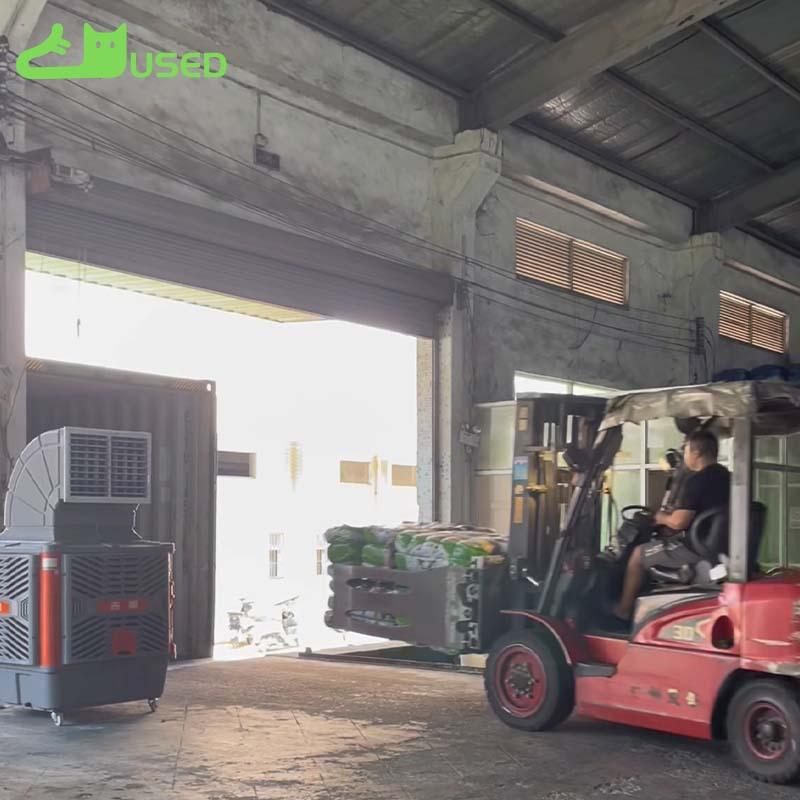
State whether units contain one grade, a controlled mix or another agreed basis. Record accepted pairs, category mix, gross weight and closure date. Keep preparation holds and rejects outside released packages.
Reopen a routine unit before loading and repeat count and reason checks. If a package differs, correct the unit and record the revision. A final packing view cannot substitute for this reconciliation.
code and grade method
accepted pairs and mix
stock outside release
reopened result and correction
At receiving, sample package codes under the agreed rule and repeat pair, condition, category and grade-reason checks before stock is merged. Compare source and receiver results by reason rather than one satisfaction score.
Expand only the affected lane when tolerance is exceeded. Use completed variance records to revise one rule, sample size or package control. Do not claim an export result that the page cannot document.
predeclared package and pair rule
same reason codes
source versus receiver
release expand hold or revise
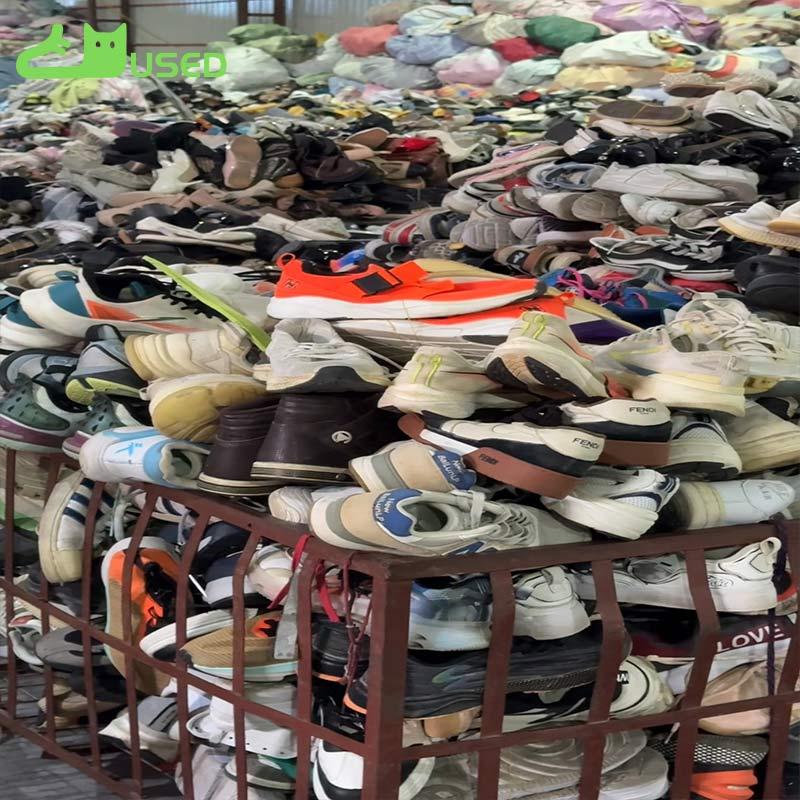
No. Require observable reasons and dispositions.
They explain the difference between gross items and complete released pairs.
It tests whether borderline pairs receive consistent decisions under the same rule.
It should repeat the agreed reasons first, then record and approve any revised rule separately.
Sorting footage becomes useful when actions, reasons and counts remain connected. The used mixed shoes wholesale selection defines the product scope; reviewer calibration, coded packages and receiving replay determine whether a grade can be repeated.

Direct Factory Supplier of Used Shoes For African Markets In China
 Tel: +8618606960861
 Email: info@usedshoeswholesale.com
 MP/WhatsApp: +8618606960861
 Manufacturer Address:Cizao Town, Jinjiang City, Quanzhou City, Fujian Province