Author:Used Wholesale Manufacturer TIME:2026-08-10
Slipper shape and packing review
Slippers often look simple in a quick stock video, but footbeds, straps, molded uppers, textile joins and outsole shapes react differently to wear and compression. A buyer needs more than a colorful overview. This guide follows shape from visible pair condition through packing pressure and receiving, while keeping comfort, hygiene and service-life claims outside what footage can prove.
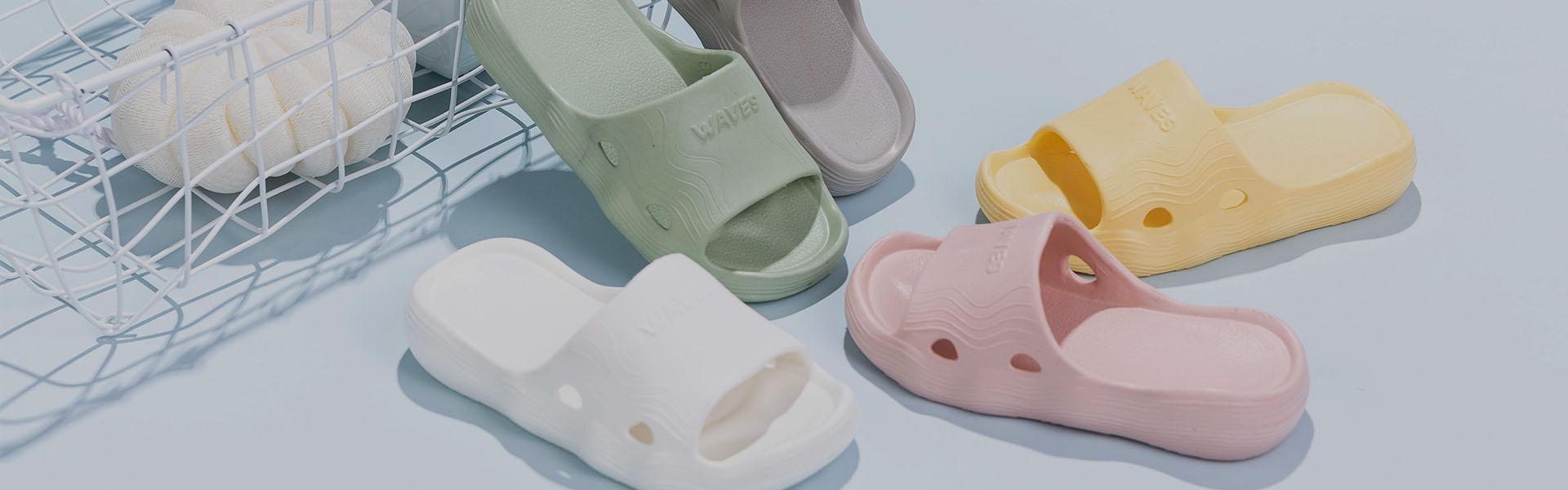
Identify open-back slides, closed slippers, thong forms, strapped sandals or other neutral visible constructions. Record complete pairs and compare toe area, side profile, heel area and overall symmetry. Do not identify material by color or texture alone.
A camera sweep can show that forms exist, but not how they are distributed. The Video observation boundary restricts notes to visible pairs and surfaces. Request coded static views for anything obscured by stacking.
neutral construction lane
shape and mate consistency
visible wear stain or repair
hidden base or interior
Review visible footbed compression, staining, cracking, tears, surface loss and mate variance. For straps or molded uppers, inspect anchors, splits, deformation and prior work. Keep dirt and structural change in separate fields.
A clean-looking footbed cannot prove hygiene, comfort or resilience. Ask for interior and underside views where relevant, plus odor and moisture observations under the supplier's process. Uncertain residue remains a hold.
compression surface and residue
split shape and attachment
visible join and repair
moisture odor or unresolved condition
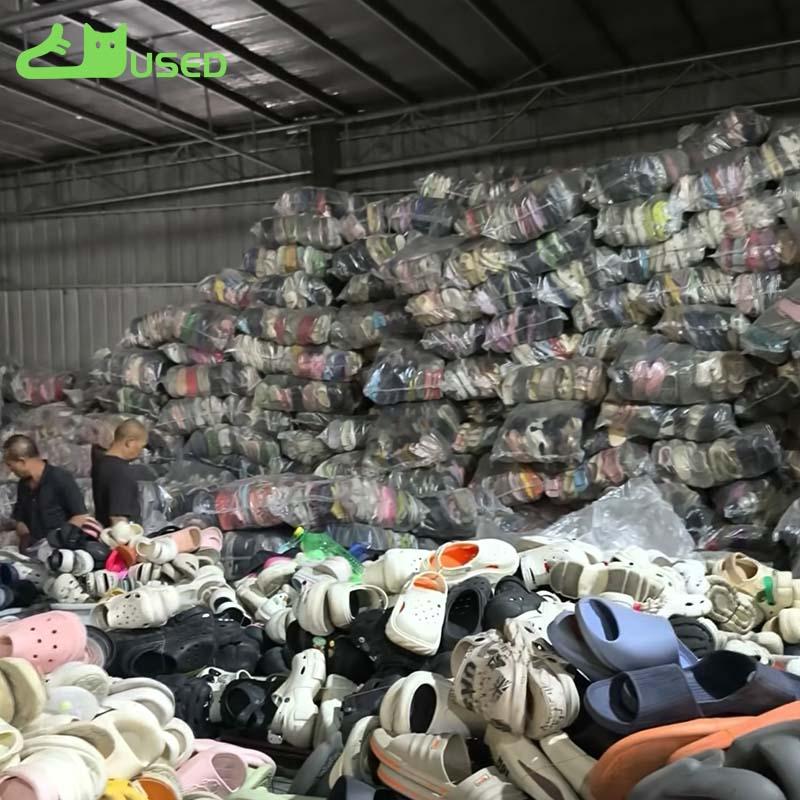
Request a full underside view from ordinary coded pairs. Record contact-area loss, cuts, embedded debris, distortion, repair and left-right differences. Use a repeatable zone map instead of broad terms such as good sole.
Do not infer traction, slip resistance, bond strength or remaining life from one frame. Visible edge opening and uncertain structural change need a separate physical disposition. Stop any check that could damage a brittle-looking area.
contact wear and cuts
distortion and repair
loss and mate variance
edge opening or uncertainty
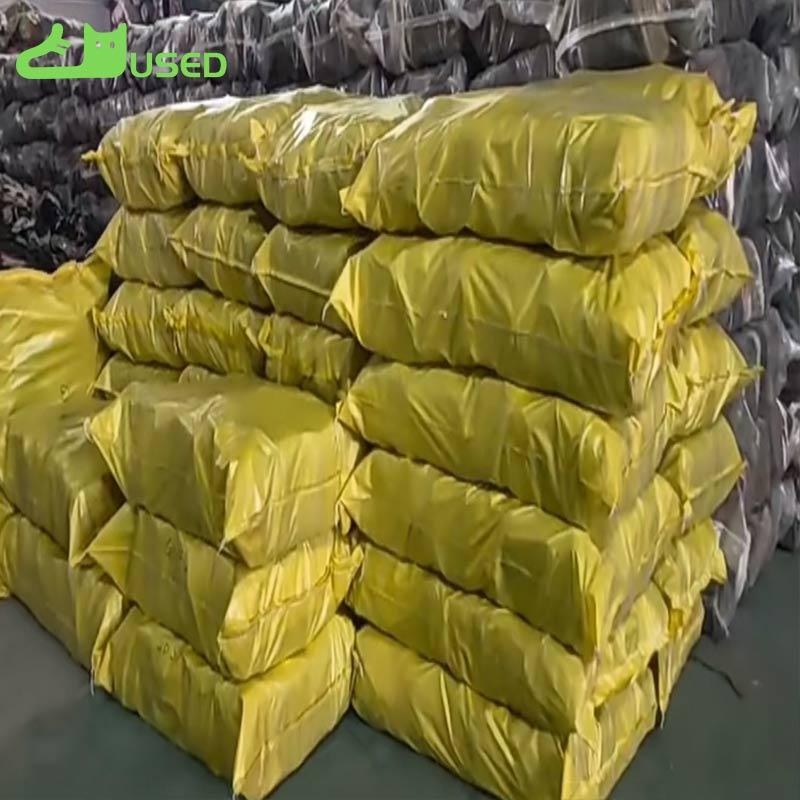
Footwear compressed in an overview may recover, remain deformed or conceal damage; the video alone cannot determine which. Ask for packing density, pair containment, shape support, moisture control, gross weight and compression limit by unit code.
Separate rigid, molded and textile-heavy forms where pressure responses differ. Request a reopened routine unit before loading and compare pair shape with the pre-pack record. Held or damp pairs should never be counted inside the released unit.
pairs and weight per unit
mates and abrasion control
approved compression boundary
shape dryness and count replay
The log connects pre-pack condition with package design and arrival review.
| Stage | Record | Hold condition | Decision output |
|---|---|---|---|
| Pair | Form footbed upper and sole zones | Mismatch residue or structure | Release or route |
| Pack | Density support moisture and code | Excess pressure or dampness | Repack or hold |
| Reopen | Count shape and dryness | Difference from approved state | Correct before loading |
| Receive | Outer unit and repeated pair zones | Transit or source variance | Release expand or claim |
A pressure log is stronger than a general packing assurance because the same fields can be repeated at arrival.
Build the assortment after pairing and condition review. Use rows for construction forms and columns for marked-size bands or another buyer-approved grouping. Keep unreadable labels and singles outside normal cells.
Color can support merchandising but should not substitute for construction and size counts. State allowed concentration and substitution rules. Ask for actual current-stock totals tied to package codes, not a percentage estimated from footage.
approved slipper forms
original marked-size bands
released complete pairs
written substitution limit
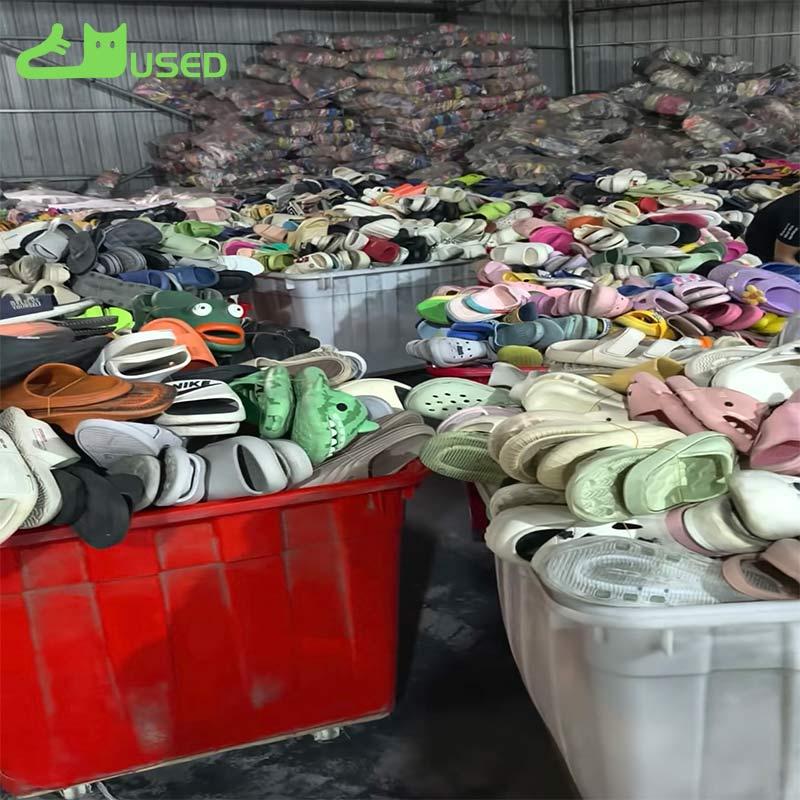
Photograph unit condition before opening and compare count, dryness, form mix, footbed state, upper shape and sole zones with the source record. Preserve supplier and receiver observations side by side.
Route crushing, wetness, transfer, mismatch and unrecorded substitution separately. Expand the sample for the affected form or package lane. The inquiry should close with current counts, ordinary pair views, packing controls and a named variance owner.
unit condition and code
pair count and mix
same shape and sole zones
release prepare hold or claim
No. It can show visible form and condition, not wearer comfort or fit.
No. Record preparation, moisture, odor and residue observations separately.
No. Describe visible wear without performance or safety claims.
To compare count, shape, dryness and labels with the approved pre-pack state.
A slipper video should lead to a shape, footbed, sole and pressure record rather than a comfort promise. The used slippers wholesale category sets the product scope; released-pair counts, package controls and arrival replay decide whether stock can proceed.

Direct Factory Supplier of Used Shoes For African Markets In China
 Tel: +8618606960861
 Email: info@usedshoeswholesale.com
 MP/WhatsApp: +8618606960861
 Manufacturer Address:Cizao Town, Jinjiang City, Quanzhou City, Fujian Province