 Price:
500 - 9999,kilograms CN¥15.54;>= 10000,kilograms CN¥12.51
Price:
500 - 9999,kilograms CN¥15.54;>= 10000,kilograms CN¥12.51
Type:
Second-Hand Climbing Shoes – Tough Traction, Outdoor-Grade, Export Ready
Grade:
A Grade
Material:
PVC,GENUINE LEATHER,PU,RUBBER
Selling Units/MOQ:
Mix Ratio:
1 ton/1 container
Packing Method:
Customized
Size Range:
In 45kg/65kg/75kg/80kg/90kg/100kg bags
High-risk category evidence check
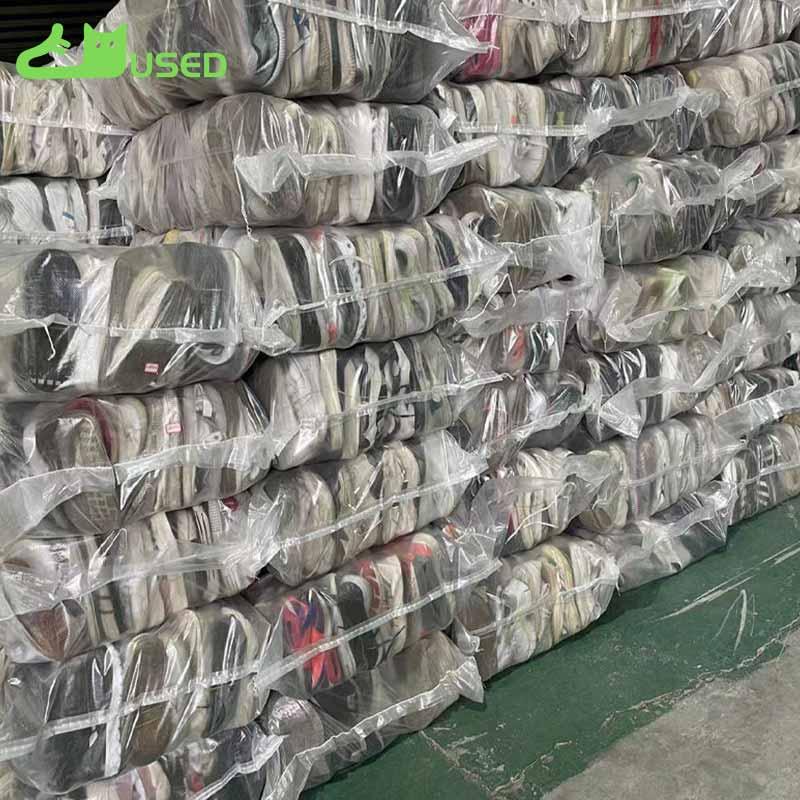
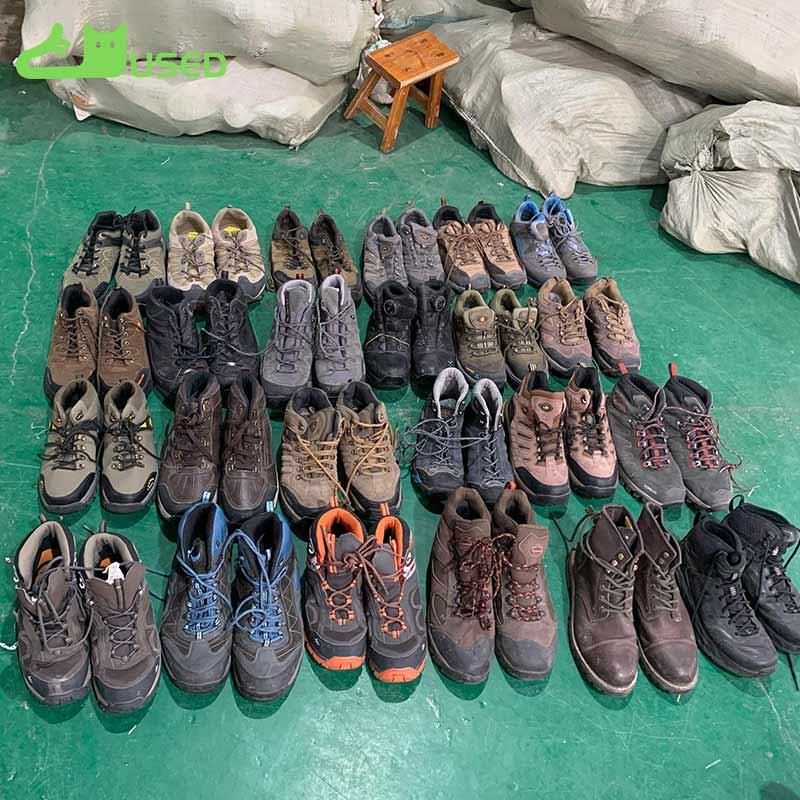
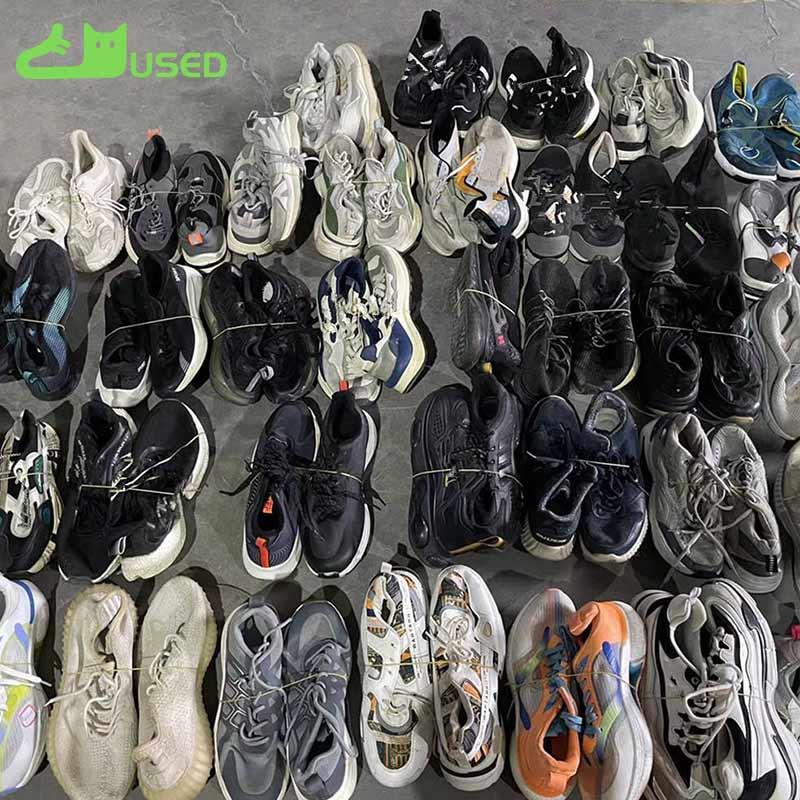
The stored image does not clearly prove a climbing-shoe profile, so product identity is the first gate, not a later footnote. Each sampled pair needs a visible climbing construction, a connected rand and sole, an operable closure and a readable size mark. Pairs that cannot clear that sequence stay outside the approved climbing count.
Ask for current pair-coded images that show the side profile, toe shape, closure, outsole and full rubber coverage. A general sneaker image cannot establish the tight profile, rand construction or sole geometry expected from this category. Keep ordinary trainers, approach-style shoes and uncertain pairs in separate lanes until a qualified reviewer identifies them.
The image set should carry the lot code, sampling date and pair code in its record. Include one uncropped view before close-ups so a reviewer can return from a sole or rand detail to the correct left-right pair. This prevents technical observations from becoming detached from product identity.
Identity must be resolved before sampling condition. Otherwise, an inspection can produce precise counts for the wrong product group. Record the category decision, reviewer and evidence source for each sampled pair.
Used technical footwear needs a conservative route. Separate any pair with a split sole, detached rand, torn closure anchor, deep cut, material hardening, severe deformation or an unknown repair. Do not hide those conditions under a cosmetic grade. A pair that cannot be confidently assessed should remain outside the approved stock.
Begin at the toe and follow the perimeter around both sides to the heel. Look for lifting edges, gaps, cracking and repaired sections. Compare flex creases across the pair, but do not perform an improvised stress test that could damage the shoe. Inspect hook-and-loop straps, laces or elastic closures where they anchor into the upper.
The stored material cells include PVC, genuine leather, PU and rubber, with stretch fabric listed for the upper. They do not identify which component appears on each pair. Record observed construction instead of assigning one material recipe to the lot.
No traction protocol, surface, measurement or acceptance limit is attached to the record. Therefore, the phrases "tested grip" and "tough traction" cannot be carried forward as verified performance. Visual tread depth also cannot establish friction. The content can describe what to inspect, but a buyer requiring performance evidence must define an appropriate test and competent reviewer.
| Decision | What is currently recorded | What remains unresolved |
|---|---|---|
| Product category | Second-hand climbing shoes | Current category-specific pair images |
| Condition | A Grade | Structural rejection criteria and counts |
| Grip | Marketing wording only | Named method, surface, reviewer and result |
| Size | Men: EU 35-39 | Original marks, pair agreement and usable distribution |
| Packing | 45-100 kg bag choices | Shape protection and held-pair separation |
The connector field says Men: EU 35-39. That is a recorded label, not a fit promise. Climbing footwear can use specialized sizing and shape, so retain the original mark from each shoe and do not infer fit from a general conversion. Pair agreement, readable marks and current counts are the minimum receiving evidence.
Keep size results attached to the confirmed category and closure type. Combining uncertain athletic shoes with identified climbing footwear would make the curve misleading even if every mark were legible.
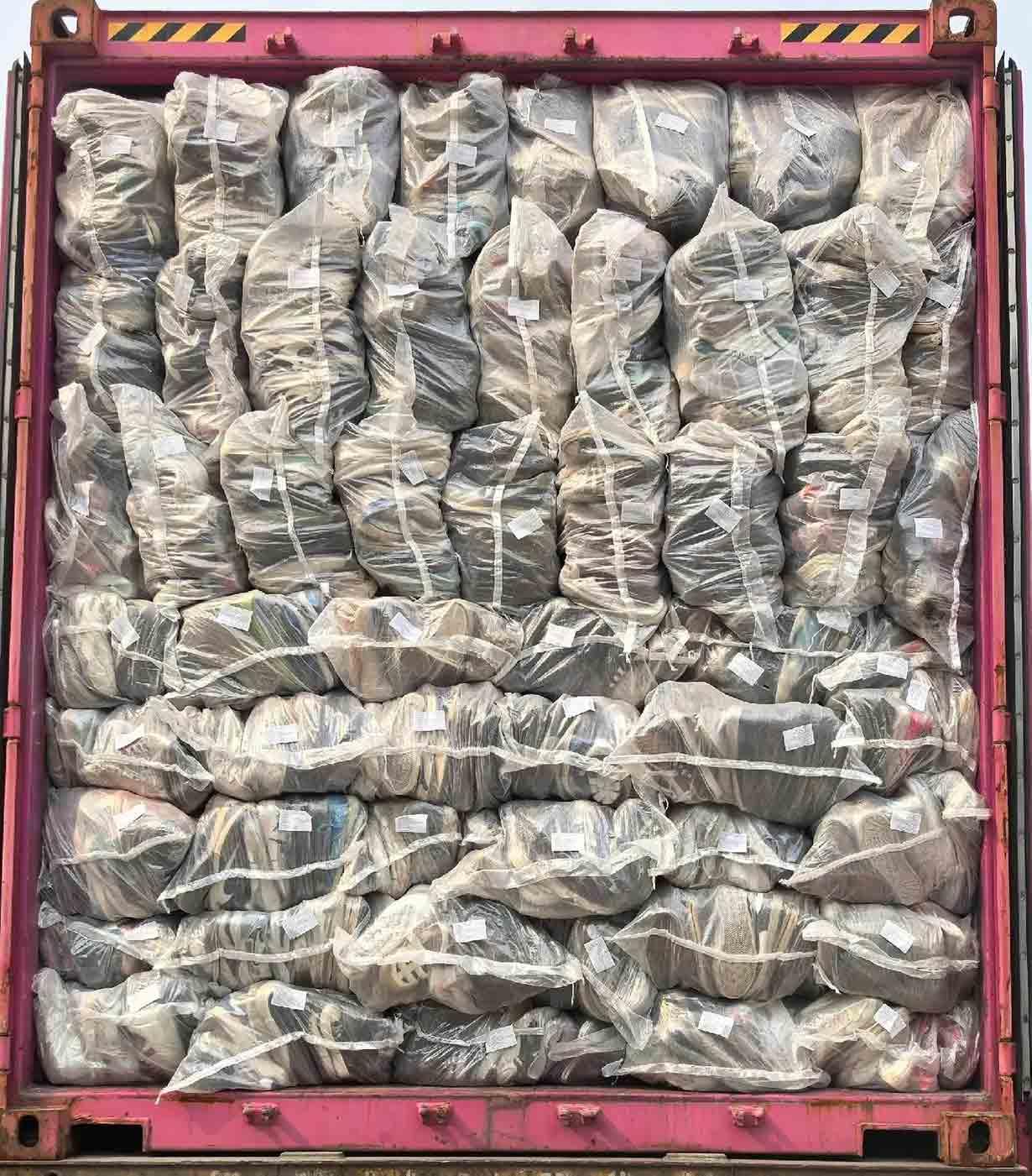
The page lists 45, 65, 75, 80, 90 and 100 kg bags. Approved pairs, unresolved-category pairs and structurally rejected pairs must not share an unmarked unit. Assign separate status labels before packing and preserve the pair code through bag closure.
Use a trial pack to check whether pressure changes toe shape, closure position or sole curvature. Reopen the unit, compare against the pre-pack images and record any new deformation. Packing efficiency cannot override the technical evidence boundary.
No. It shows general athletic shoes. Current category-specific images and review are required.
No. No method, surface, measurement or report is attached to support that claim.
No. Grade and technical-use decisions are different. The buyer needs a conservative, qualified assessment.
Ask the supplier to answer against a short evidence file instead of a general athletic-shoe description.
Use that release sheet when requesting the current count, packing proposal and quotation.
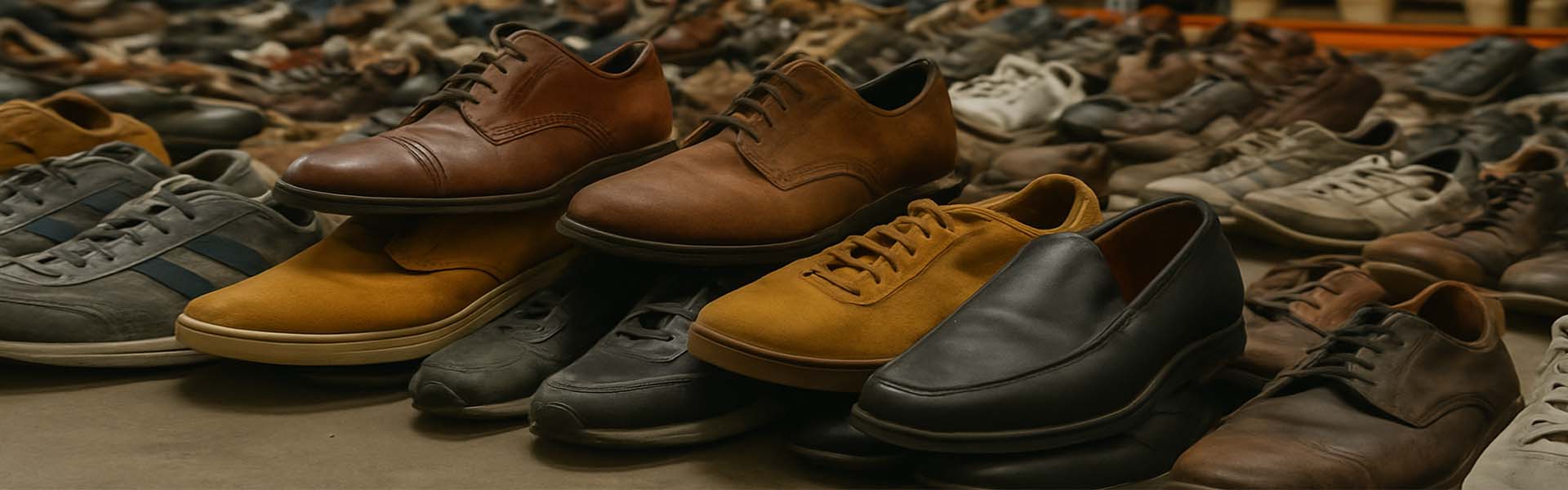
Do not let a broad athletic appearance become climbing-footwear evidence. Quarantine unclear pairs, retain their image and bag code, and approve only the construction that can be inspected directly. The used climbing shoes category shows the intended product family; it does not resolve the identity or grip of this specific lot.
|
Outsole Material |
PVC, Genuine Leather, PU, Rubber |
Feature |
Fashionable, trendy, and breathable |
|
Season |
All Seasons |
Upper Material |
Stretch fabric |
|
Place of Origin |
Guangzhou, China |
Brand Name |
Used |
|
Selling Units |
Ton |
Note: Grade, condition, brand mix, size mix, and packing details are to be confirmed with the supplier for each bulk order. For related options, see Used Brand Shoes and Bulk Grade A Second-Hand Sports Shoes Mixed Styles.
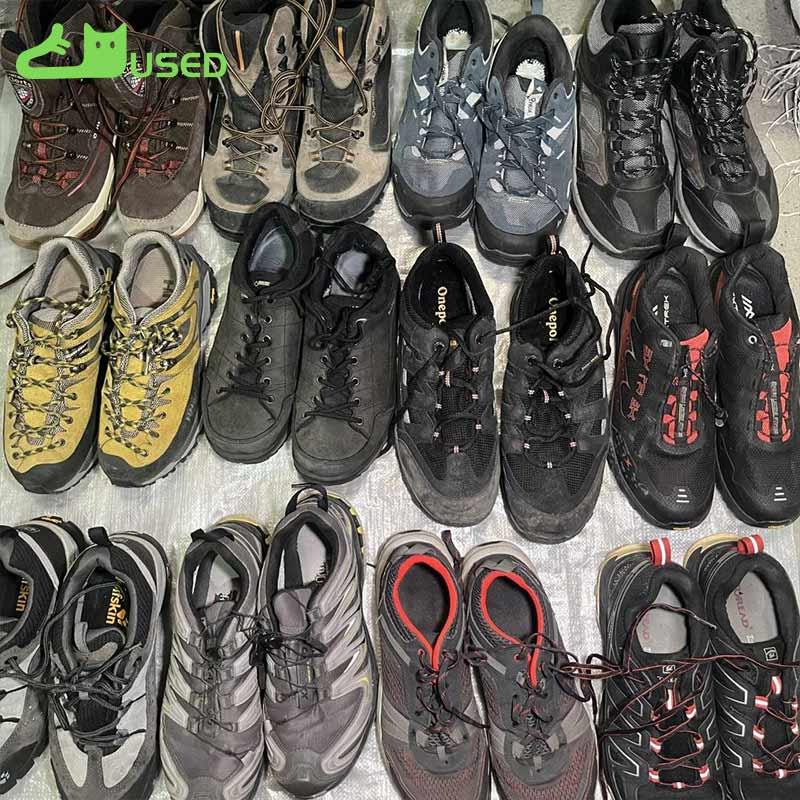
Source Grade A used climbing shoes in mixed brands, sizes, and styles. Quality-checked and export-ready with flexible packing from 45kg to 100kg for global wholesalers....
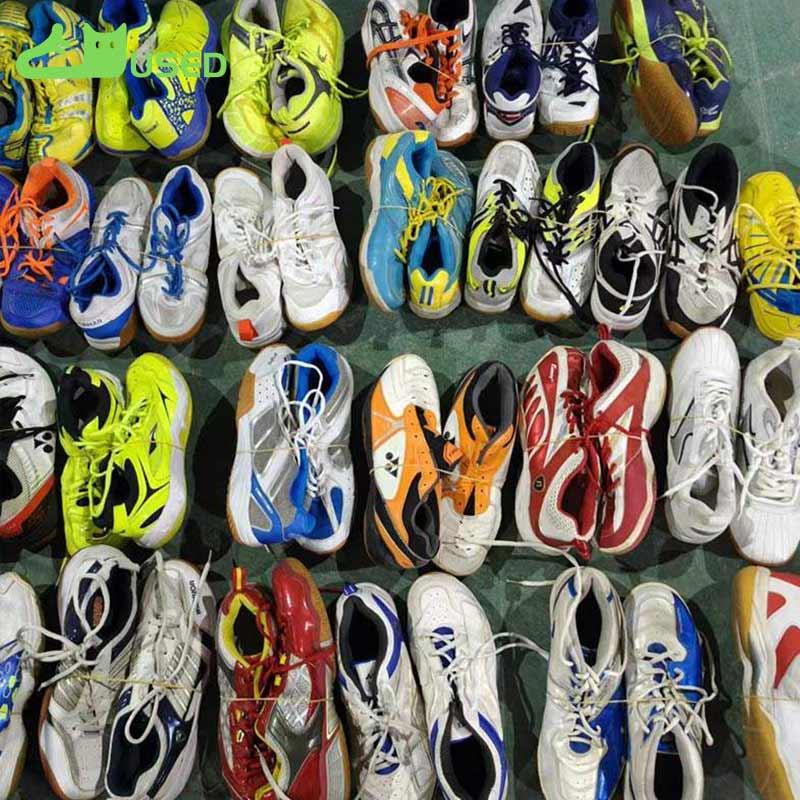
Source Grade A second-hand climbing shoes in mixed sizes with tested traction and durable materials. Export-ready packing and 15-day shipment for global bulk buyers....
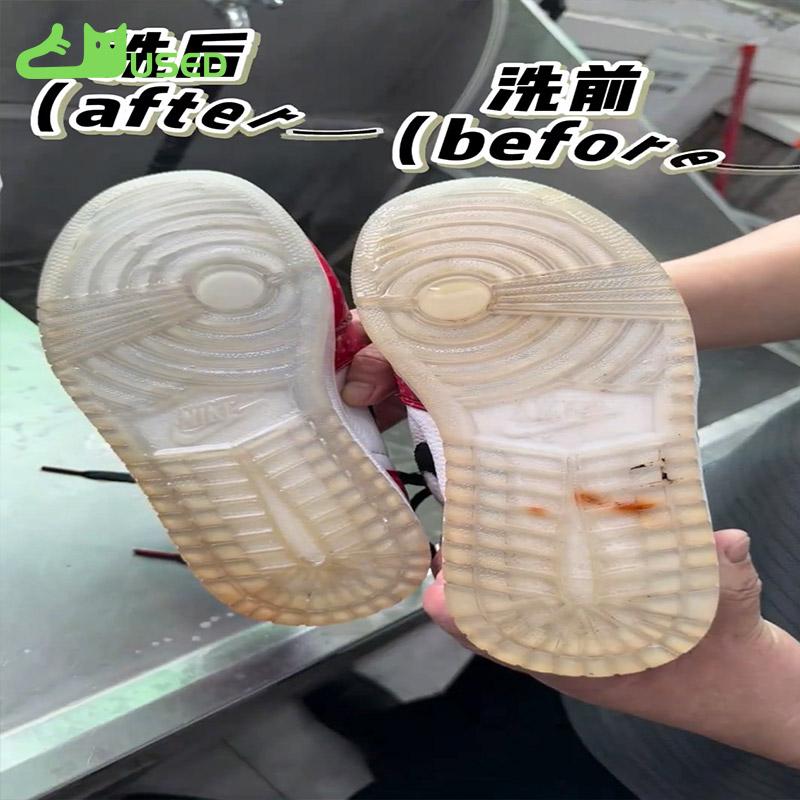
Before shipment, all men’s shoes are cleaned and disinfected to remove dust and odor, meeting hygiene standards of importing markets. ...
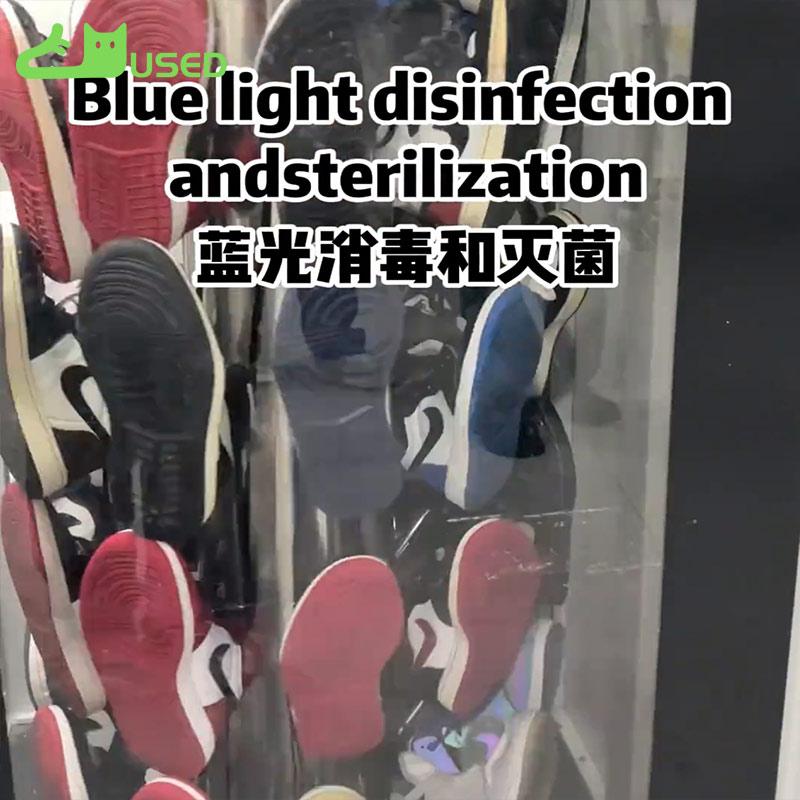
All shoes are cleaned and disinfected before shipment to remove dust and odor, meeting hygiene requirements of importing countries....
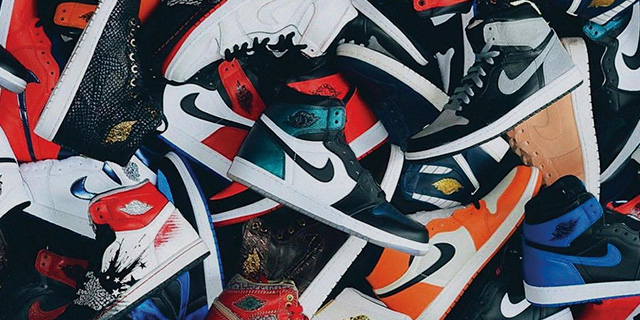
Large-scale factory enables fast sorting and stable supply for global buyers.
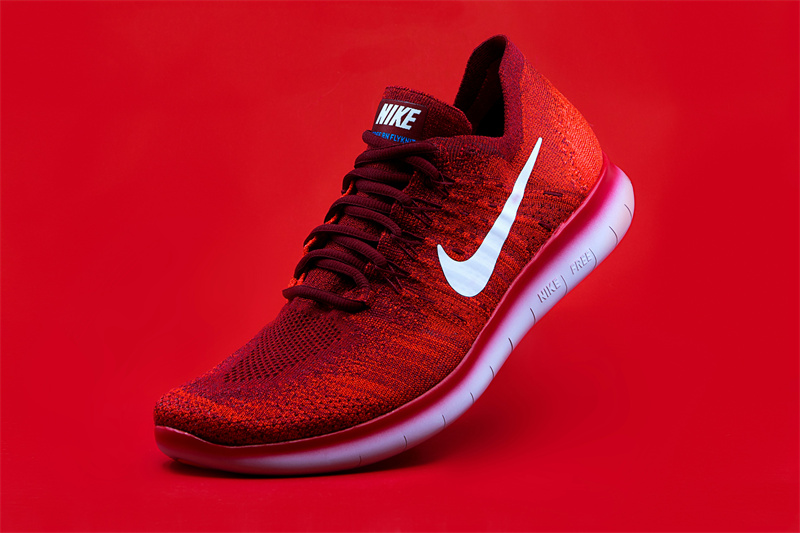
Massive recycling network ensures continuous supply of Used Cimbing Shoes.
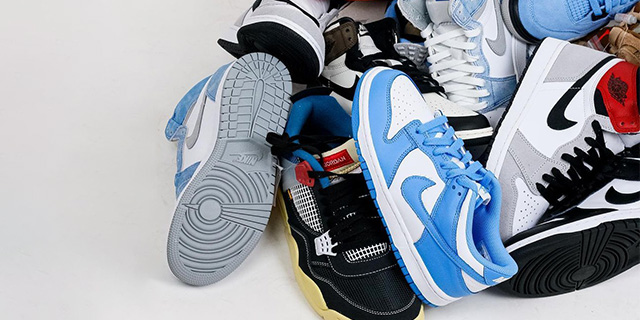
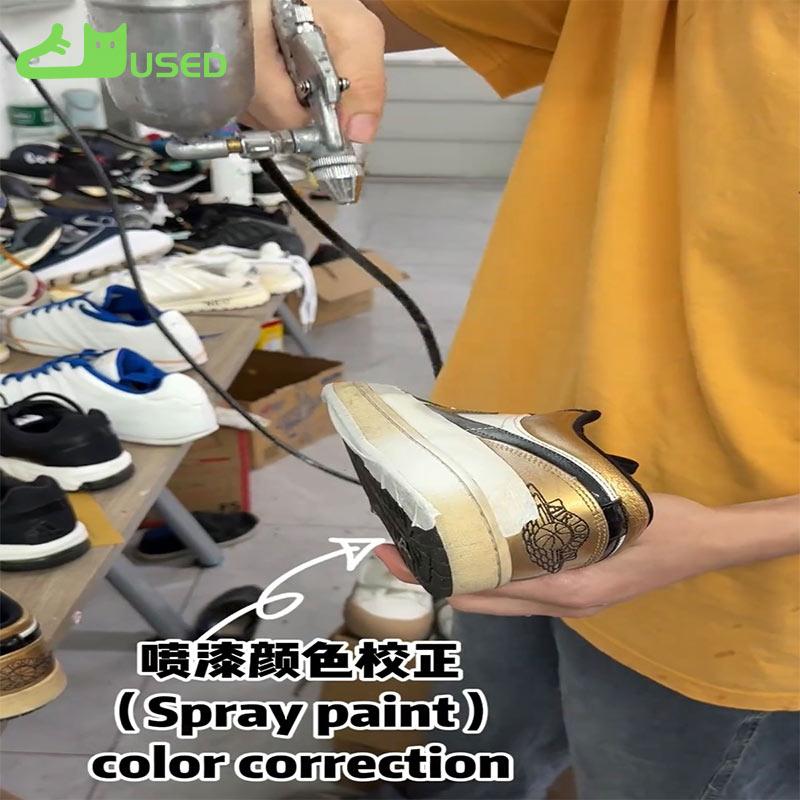
Every pair is inspected multiple times to ensure premium quality.
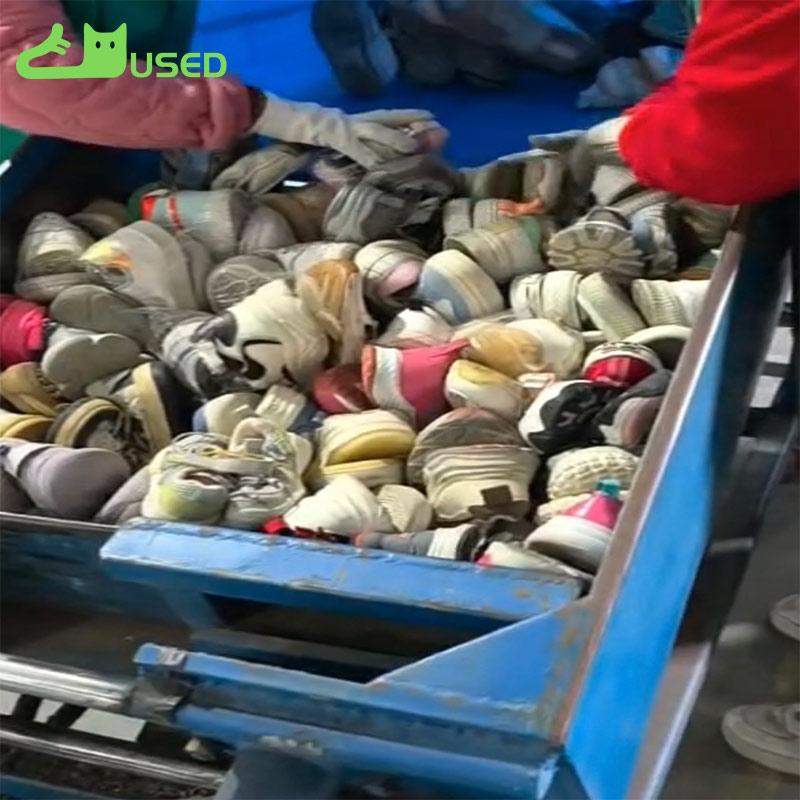

Direct Factory Supplier of Used Shoes For African Markets In China
 Tel: +8618606960861
 Email: info@usedshoeswholesale.com
 MP/WhatsApp: +8618606960861
 Manufacturer Address:Cizao Town, Jinjiang City, Quanzhou City, Fujian Province