 Price:
500 - 999 kilograms, CN¥11.81;1000 - 4999 kilograms ,CN¥8.44;>= 5000 kilograms, CN¥4.78
Price:
500 - 999 kilograms, CN¥11.81;1000 - 4999 kilograms ,CN¥8.44;>= 5000 kilograms, CN¥4.78
Type:
All-Terrain Used Climbing Shoes — Lightweight, Durable, Bulk Ready
Grade:
A Grade
Material:
PVC ,GENUINE LEATHER, PU
Selling Units/MOQ:
Mix Ratio:
1 ton/1 container
Packing Method:
Customized
Size Range:
In 45kg/65kg/75kg/80kg/90kg/100kg bags
Outdoor-footwear category control
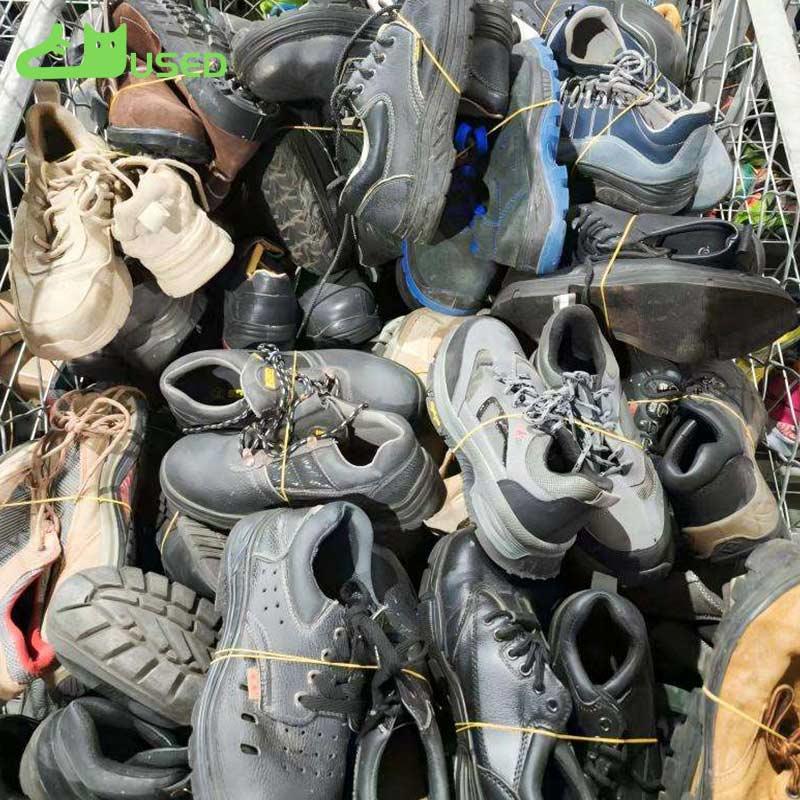
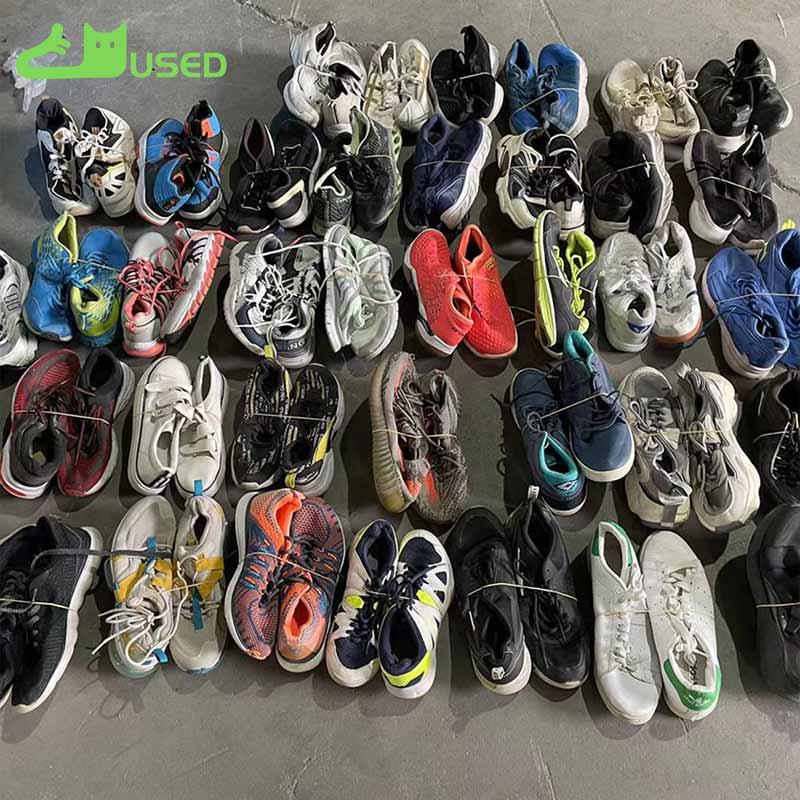
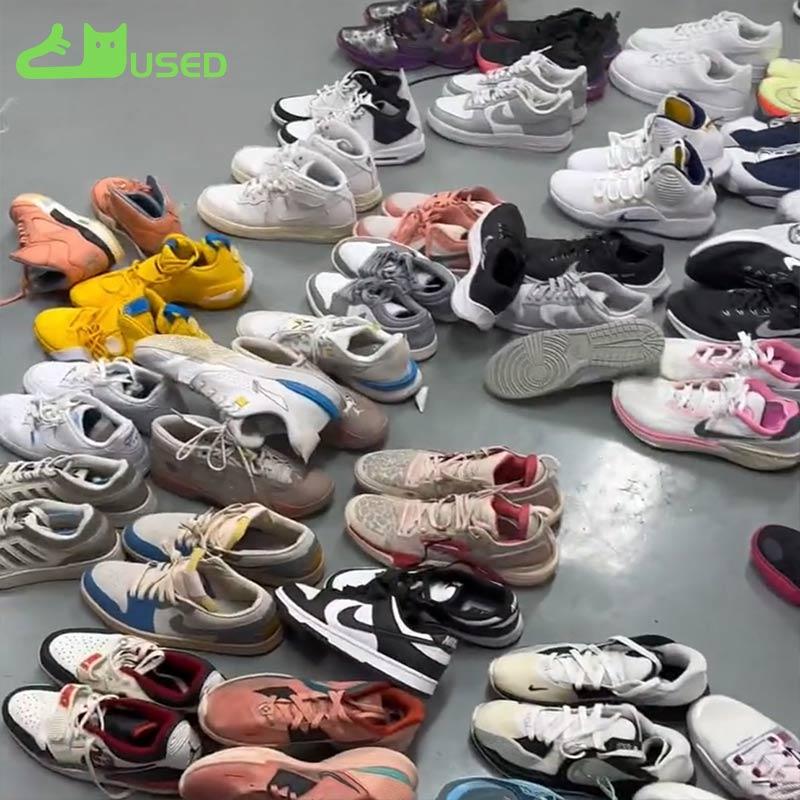
A climbing-shoe offer should be counted from recognizable construction, not from an athletic-shoe label. Low-volume profile, rand coverage, closure position and sole shape form the category evidence available on the page. The lot needs a silhouette census across several bags before grade, size coverage or bulk weight can be interpreted.
Write observable criteria for each accepted lane. Hiking boots may be recognized by a walking-oriented shape, ankle support and general tread; trail shoes by a lower athletic profile and lugged bottom; approach or specialist footwear requires its own description. Put uncertain pairs into an unresolved lane. Do not force them into climbing stock simply because they look rugged.
The classification is for inventory control, not a performance certification. A photograph cannot establish grip, support or suitability for a technical activity. Any required use claim needs a defined test and result outside this visual sorting process.
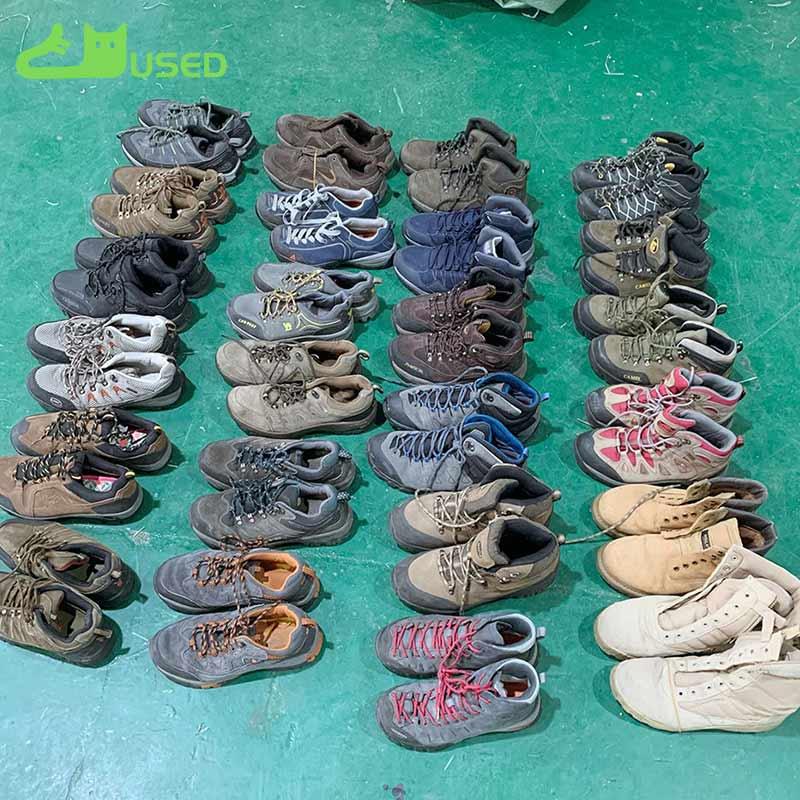
Choose bags from different points in the available stock and count every sampled pair by the written category lanes. Capture side and outsole views for representative pairs and all unresolved items. Sampling only the neatest top layer can overstate category purity. The final report should show both the number sampled and each lane's share.
A Grade is recorded, but no numeric defect tolerance accompanies it. First assign category, then inspect condition. Mixing these decisions can allow a clean hiking boot to inflate the apparent quality of an order intended for a different product. Use lane-specific counts for accepted, downgraded and rejected pairs.
Inspect closures, lining, toe structure, heel wear and the entire upper-to-sole edge. Store the reason for a downgrade. Words such as stylish, durable, comfortable and breathable appear in legacy fields but are not inspection findings and should not replace current evidence.
The stored fields list PVC, Genuine Leather and PU under outsole material, while Stretch Fabric and Genuine Leather appear as upper materials. Those cells may mix components or naming conventions. Record the observed upper and bottom construction for sampled pairs without silently rewriting the saved specifications. When a material is uncertain, mark it unknown.
This approach keeps the purchasing file useful even when the old data is inconsistent. Material observations can support cleaning and sorting instructions, but they should not become unsupported durability or terrain claims.
Capture the original size mark from both shoes. EU 35-45 describes the recorded endpoints, not the quantity between them. Publish a confirmed curve only for matched marks, and isolate unreadable or conflicting pairs. Then cross-tab size by category lane. A broad overall curve can conceal that the accepted lane is concentrated in only a few sizes.
| Buyer decision | Saved information | Lot-specific evidence |
|---|---|---|
| Category | Used climbing shoes | Count by written outdoor-footwear lane |
| Grade | A Grade | Condition outcomes inside each lane |
| Size | EU 35-45 | Matched marked-size curve for accepted pairs |
| Materials | PVC, Genuine Leather, PU and Stretch Fabric | Observed component or unknown status |
| Trade basis | Kilogram price breaks; Ton selling unit | Accepted pair yield and net weight by lane |
The page quotes kilogram quantities while the selling unit is Ton. Compare offers using the accepted output, not gross mixed weight alone. For a measured sample, record net footwear weight, total pairs, accepted category pairs and downgrade lanes. This reveals the receiving work and resale routes hidden inside one weight figure.
Bag options span 45, 65, 75, 80, 90 and 100 kg. Decide whether categories will be separated or intentionally mixed, and write that choice into the packing instruction. Each label should carry the lot code, bag number, weight basis and category profile. Reopen selected bags after packing to confirm that the census did not change at the loading stage.
No. Use a written product definition and keep uncertain outdoor footwear in a separate lane.
Only if the buyer explicitly accepts that category. Condition and product identity must be measured separately.
Measure accepted category pairs, alternate-lane pairs and net weight from the same representative sample.
Count category identity before condition and price. Keep uncertain athletic silhouettes in a separate lane, attach material observations to the pair code and build the size curve only from accepted climbing profiles. The used climbing shoes category is the intended family; the census establishes purity for the current lot.
|
Outsole Material |
PVC, Genuine Leather, PU |
Feature |
Stylish, durable, comfortable, and breathable |
|
Season |
All Seasons |
Upper Material |
Stretch Fabric, Genuine Leather |
|
Place of Origin |
GuangDong, China |
Brand Name |
Used |
|
Selling Units |
Ton |
|
|
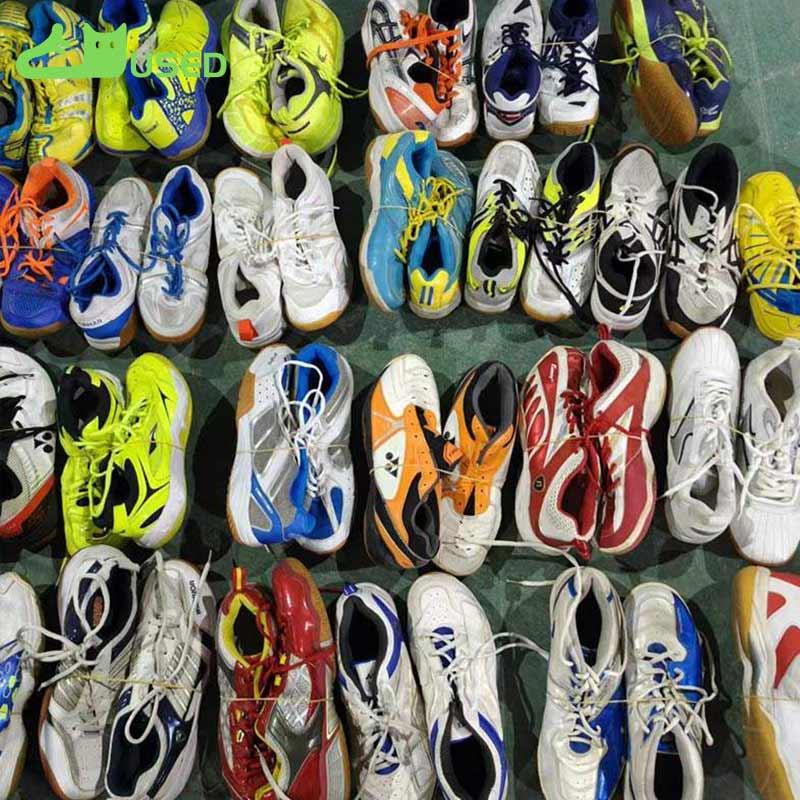
Source Grade A second-hand climbing shoes in mixed sizes with tested traction and durable materials. Export-ready packing and 15-day shipment for global bulk buyers....
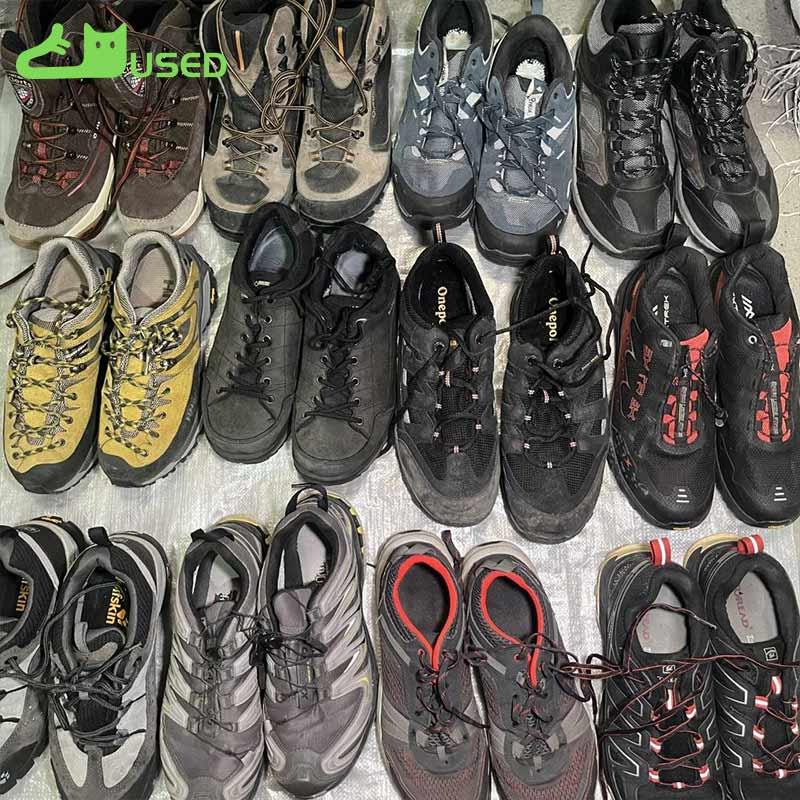
Source Grade A used climbing shoes in mixed brands, sizes, and styles. Quality-checked and export-ready with flexible packing from 45kg to 100kg for global wholesalers....
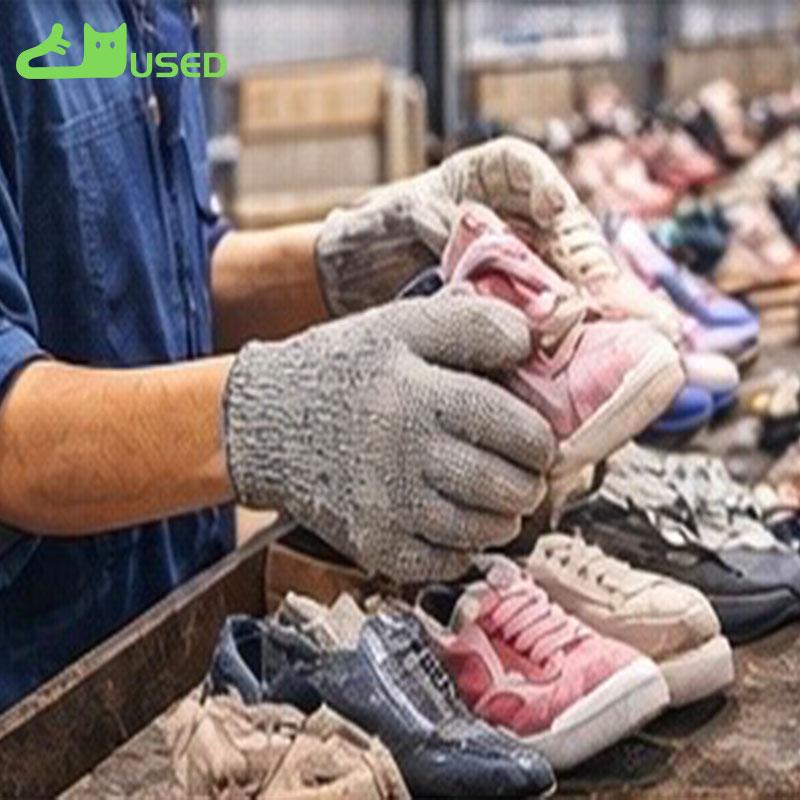
All children’s shoes are manually sorted, focusing on sole wear, upper condition, and safety, ensuring only resale-ready shoes are exported....
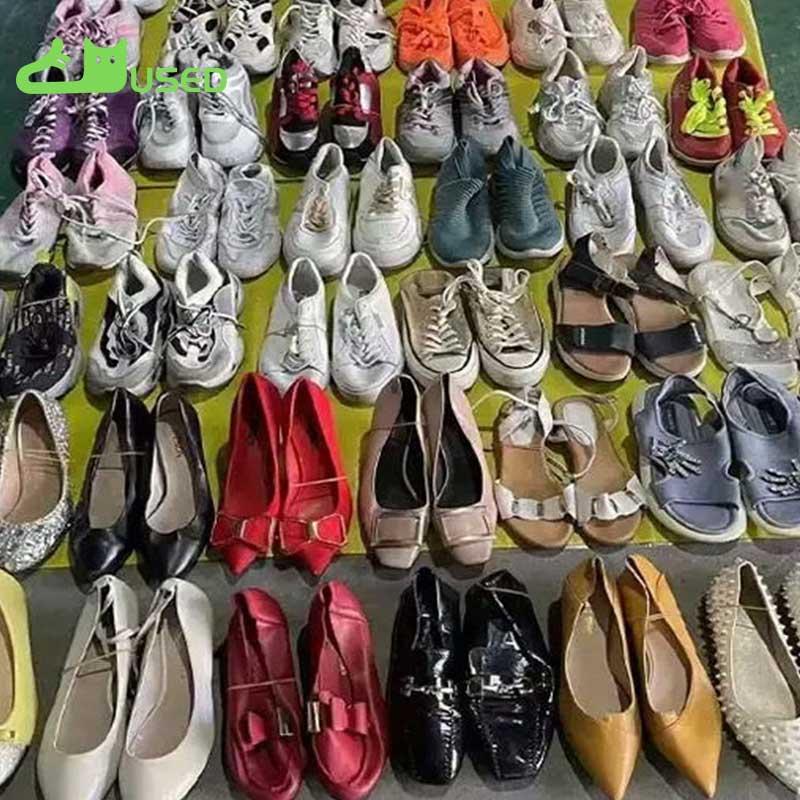
A wide range of women’s shoes including heels, flats, sandals, and sports shoes, assorted according to different market demands....
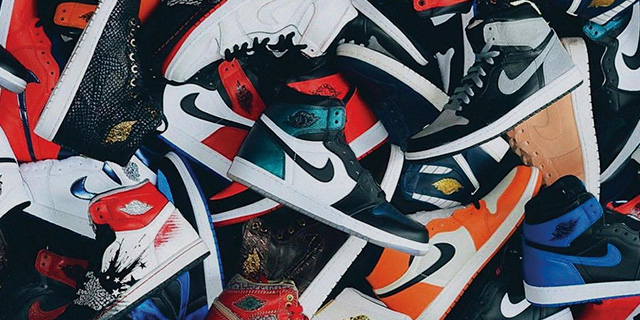
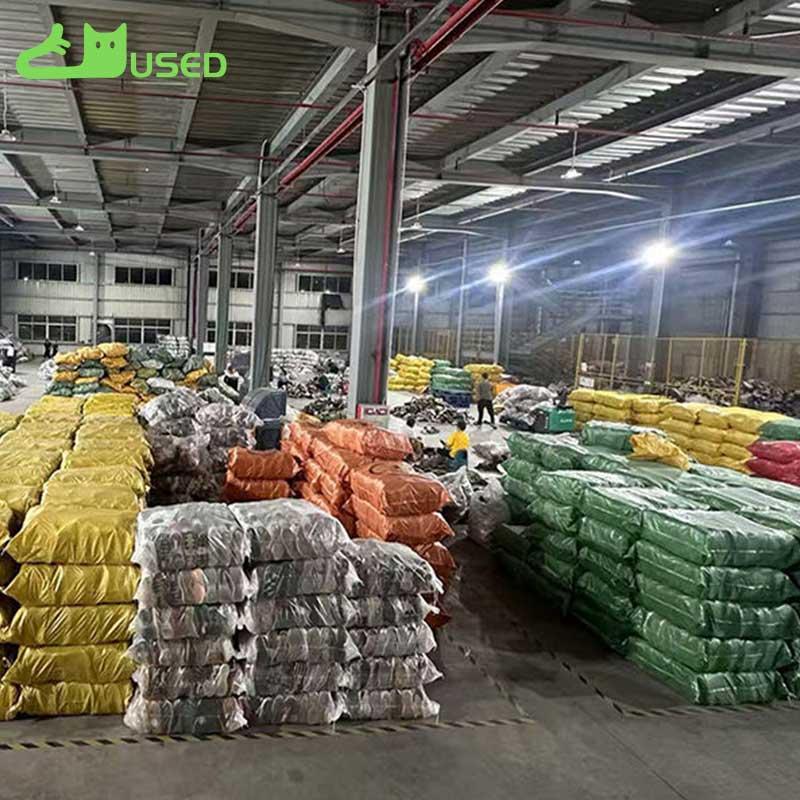
Large-scale factory enables fast sorting and stable supply for global buyers.
Massive recycling network ensures continuous supply of Used Cimbing Shoes.
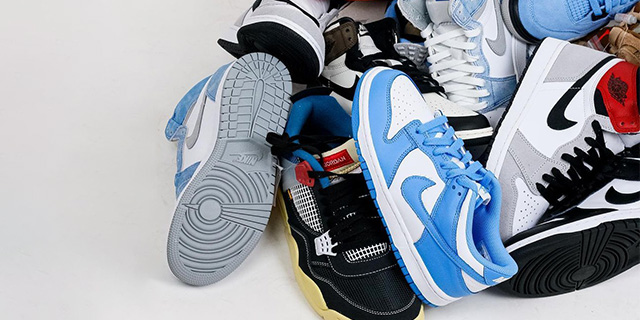
Every pair is inspected multiple times to ensure premium quality.
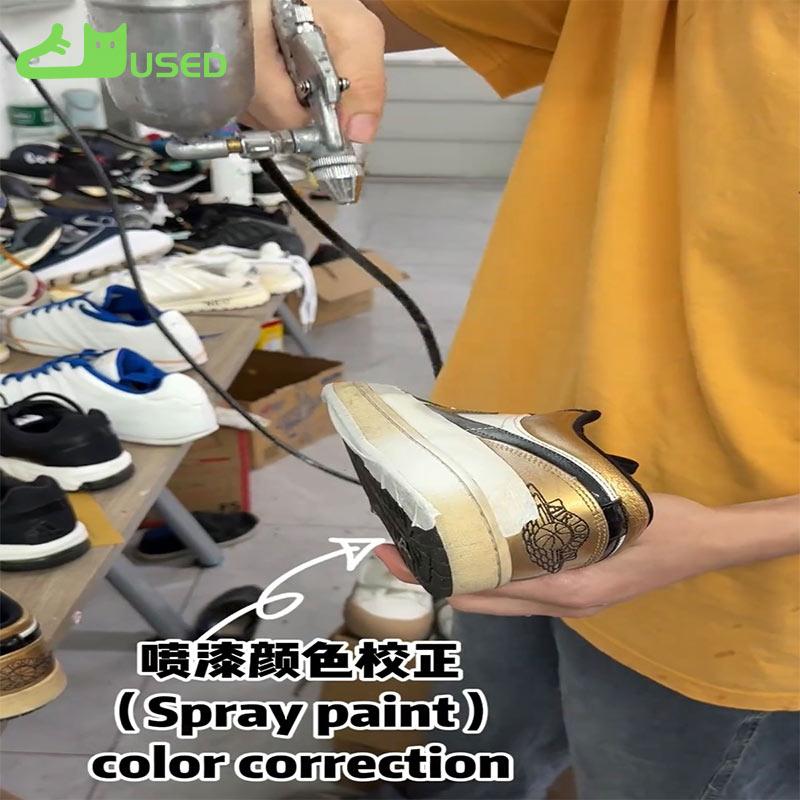

Direct Factory Supplier of Used Shoes For African Markets In China
 Tel: +8618606960861
 Email: info@usedshoeswholesale.com
 MP/WhatsApp: +8618606960861
 Manufacturer Address:Cizao Town, Jinjiang City, Quanzhou City, Fujian Province