Market Application Reference
This Kenya reference shows how a receiving team could structure the size mix for a used men's shoes order. It is not a customer, shipment or sales-result claim. The useful output is a written handoff from sourcing to receiving, with every product decision tied to current-lot evidence.
The buyer should name the receiving location, intended selling channels, category boundaries, marked-size priorities, acceptable preparation work and preferred packing unit before comparing bale prices. These fields turn a general request for used men's shoes into instructions that can be checked after arrival.
Current lot code, sampled units, category count, size method, grade rule, packing proposal and unresolved questions.
Unit count, pair match, size bands, condition routes, preparation exposure and packing variance.
Observed mix and workflow outcomes, without converting one batch into a national market claim.
Local demand and selling prices must come from the buyer's own records. This reference does not claim a universal Kenya preference, a fixed margin, a documented shipment or a guaranteed resale result.
Leather shoes, casual pairs, sport shoes, work-oriented footwear and sandals need different condition checks and often serve different sales racks. Define the allowed categories and tolerances first. Then count sizes inside each lane. A combined size total can hide a useful size in the wrong category or a concentration that is difficult to allocate.
Keep brand status separate from the physical grade. Where labels matter, request pair-linked images and define how unresolved marks will be treated. Do not price an unverified brand share as confirmed inventory.
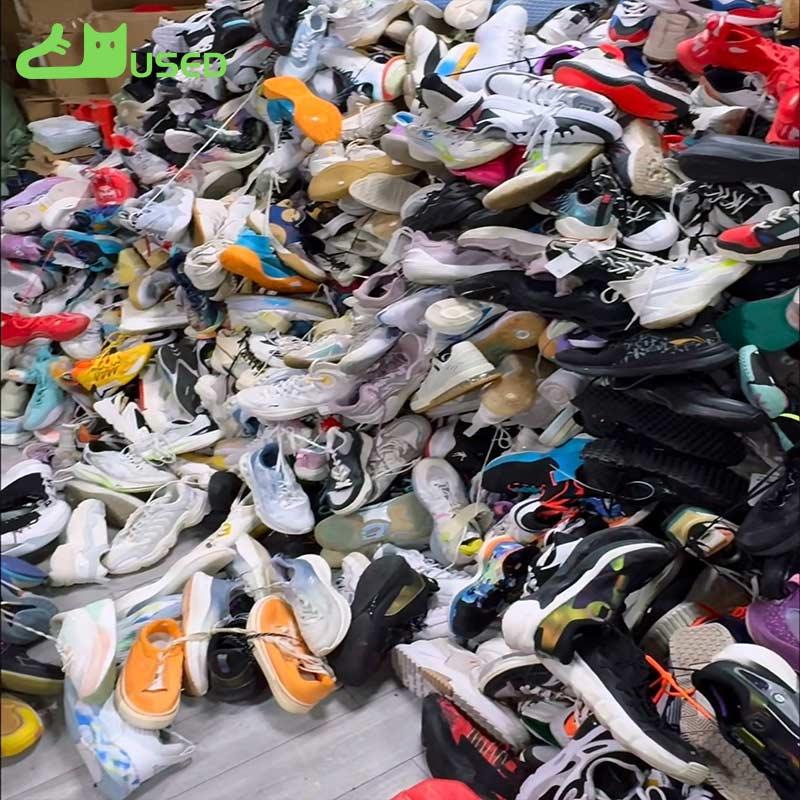

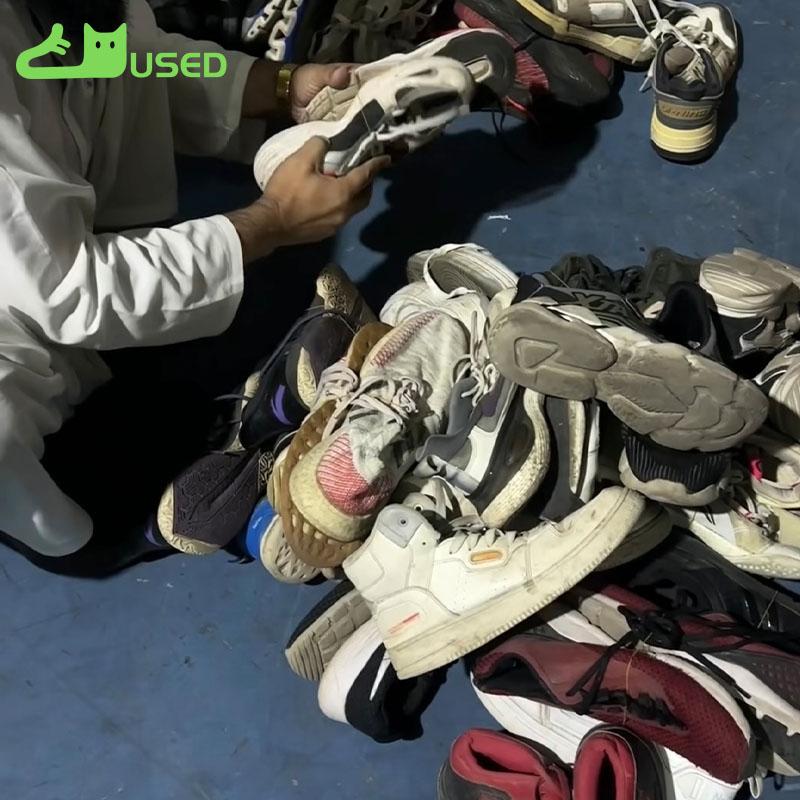
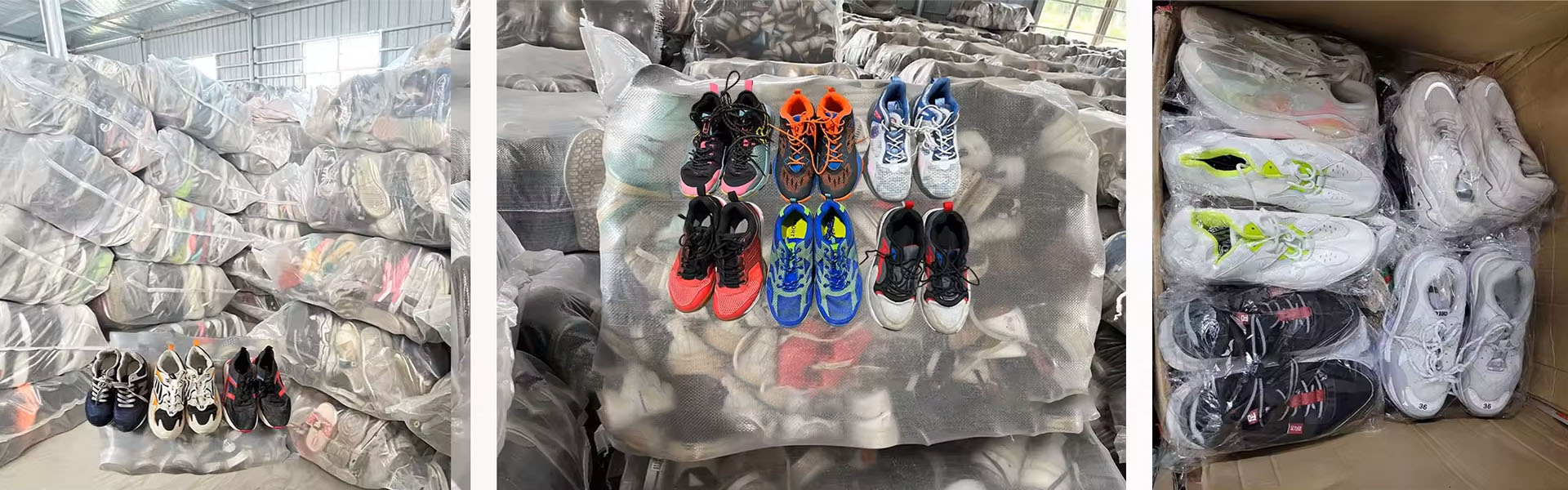
Supplier-owned catalogue images can help the buyer prepare questions, but they do not prove that the pictured pairs were packed for Kenya. Current evidence should identify the lot code, sample unit and date. Request wider views for composition and closer views for defect boundaries. Keep the accepted reference set with the order brief.
A single reject percentage does not explain what failed. Record pair-level reasons first, then total them by category and unit. This lets sourcing see whether the issue came from matching, physical condition, size concentration or an unresolved evidence requirement.
| Checkpoint | Place on hold when | Record for review |
|---|---|---|
| Pair identity | Model, color, size or wear is incompatible | Pair code and both marks |
| Bottom | Separation, severe uneven wear or structural cracking appears | Location and category lane |
| Upper and lining | Tears, brittle surfaces or persistent contamination exceed the brief | Material area and route |
| Fastening | Laces, eyelets, hook-and-loop parts or zips cannot serve their function | Repairable or reject decision |
| Size curve | Current count falls outside the approved category-size tolerance | Count by marked size and lane |
Use the same reason codes during the trial and after arrival. When the receiver creates new informal labels, the result cannot be compared with the supplier's inspection record.
Movement: confirm that the unit can be unloaded, moved and opened with the available equipment and staffing.
Traceability: label each unit with lot, product lane, grade rule and size scope where relevant.
Recovery: reopen a trial unit and check deformation, pair organization and count accuracy.
Handoff: preserve the connection between packed unit, sampled evidence and receiving report.
A heavier bale may reduce the number of units while increasing handling and re-sorting work. A smaller unit may support faster allocation but require more labels and movements. Select the unit after timing the actual receiving steps, not from freight preference alone.
Calculate product, freight, import, unloading, counting, routine preparation, permitted repair and hold loss on the same basis. Divide by the pairs that reach an approved selling route, not by every pair opened. Use a range when pair yield or preparation time is still uncertain.
Review the wider used men's shoes wholesale category when defining product lanes, while keeping this Kenya application reference limited to evidence and workflow.
No. It is a market application reference for planning and receiving, not a customer or shipment claim.
That can hide category imbalance. Count marked sizes inside the agreed product lanes.
No. Request current, lot-linked views and counts that correspond to the written brief.
Keep the brief, sample references, unit labels, reason-code totals and actual preparation routes for the next order review.
A Kenya used men's shoes file is useful when sourcing and receiving can follow the same category, size, condition and packing decisions. It should make uncertainty visible, preserve current-lot evidence and produce a better reorder brief without presenting an invented case result.

Direct Factory Supplier of Used Shoes For African Markets In China
 Tel: +8618606960861
 Email: info@usedshoeswholesale.com
 MP/WhatsApp: +8618606960861
 Manufacturer Address:Cizao Town, Jinjiang City, Quanzhou City, Fujian Province