Author:Used Wholesale Manufacturer TIME:2026-09-02
Buyers searching used salomon shoes for sale usually need to decide whether a Salomon lot divided by trail model, outsole lug condition, midsole stability, upper construction, closure system, and moisture-test lane can produce a dependable trail-release resale result. For trail-footwear importers and outdoor resale specialists, the practical objective is to separate dependable trail pairs from cosmetic stock with hidden outsole or membrane risk. That decision depends first on outsole lug depth and edge shape, then on midsole twist and heel stability, rather than on the product name alone.
Here, used Salomon trail shoes is limited to a Salomon lot divided by trail model, outsole lug condition, midsole stability, upper construction, closure system, and moisture-test lane. The boundary is important for wet-season and mixed-terrain markets where traction and upper integrity matter: residual dirt can be cleaned, but worn lugs, damaged closures, or unsupported waterproof claims can erase the intended outdoor margin. The first shipment should therefore expose the effect of mud removal and drying labor and returns from unsupported weather claims before a buyer treats the quoted pair count as trail-release saleable yield.
Directory
Search interest in used salomon shoes for sale identifies a product, not a complete wholesale specification. Trail-footwear importers and outdoor resale specialists still need a trail-release release rule for outsole lug depth and edge shape and a separate trail-release exception rule for waterproofing claim and moisture-test status. In wet-season and mixed-terrain markets where traction and upper integrity matter, those two used Salomon trail shoes controls can send similar-looking pairs to different trail-release trail-release selling routes, trail-release preparation budgets, and delivery promises.
Write the used Salomon trail shoes trail-release purchase brief around one measurable outcome: separate dependable trail pairs from cosmetic stock with hidden outsole or membrane risk. Define the stock with a Salomon lot divided by trail model, outsole lug condition, midsole stability, upper construction, closure system, and moisture-test lane, then ask how paired outsole close-ups from current stock will prove that boundary. If the available used salomon shoes for sale mix changes, the supplier should revise the relevant trail-release lane, size, condition, or model ratio instead of silently replacing the reviewed used Salomon trail shoes.
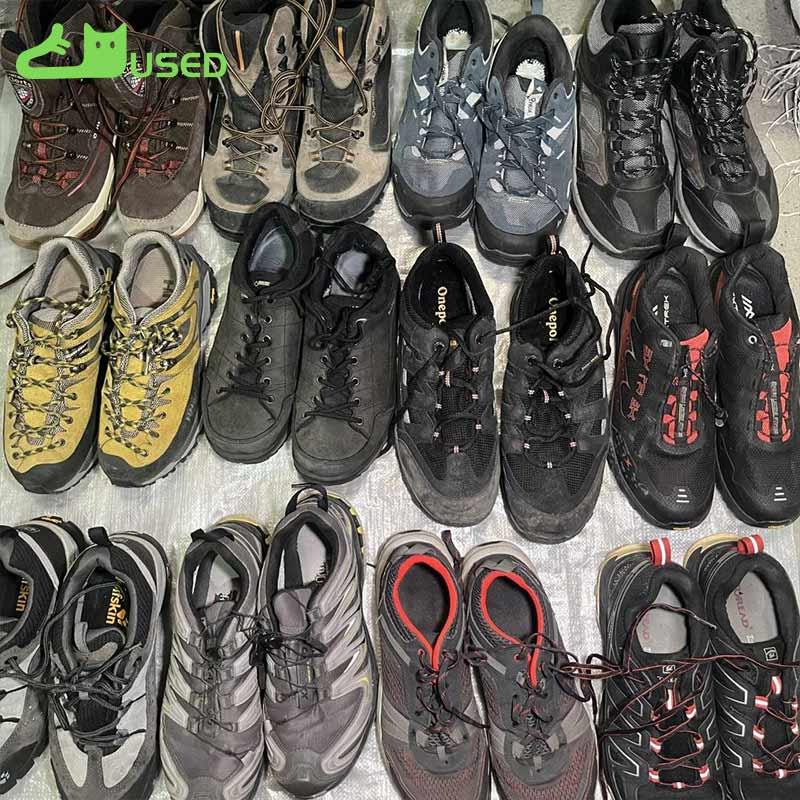
Scope note: A salomon lot divided by trail model, outsole lug condition, midsole stability, upper construction, closure system, and moisture-test lane. A quotation is incomplete until mesh, overlay, and seam integrity has a stated pass point and upper and closure photographs before cleaning shows how that point will be checked.
The written trail-release specification for used Salomon trail shoes should name outsole lug depth and edge shape, midsole twist and heel stability, mesh, overlay, and seam integrity, lace or quick-lace completeness, and waterproofing claim and moisture-test status. For each used Salomon trail shoes item, use the trail-release rule to state what releases a trail-release pair, what lowers its trail-release lane, and what moves it to trail-release hold or rejection. That product-specific trail-release format lets trail-footwear importers and outdoor resale specialists compare the supplier's used salomon shoes for sale grading with the trail-release receiving result without treating a broad grade label as trail-release proof.
Trail-release quantities for used salomon shoes for sale should use the matching trail-release a Salomon lot divided by trail model, outsole lug condition, midsole stability, upper construction, closure system, and moisture-test lane lanes during quotation, loading, and arrival. This makes model-construction register with claim wording useful for reconciliation instead of decoration. When the focused used Salomon trail shoes assortment needs a broader trail-release trail-release category benchmark, review the used sneakers wholesale options. The trail-release buyer can then decide how much of this trail-release order can carry narrower product risk.
The table converts used salomon shoes for sale into four outcomes suited to wet-season and mixed-terrain markets where traction and upper integrity matter. Read the trail-release quoted cost beside the trail-release release evidence and trail-release buyer action, because residual dirt can be cleaned, but worn lugs, damaged closures, or unsupported waterproof claims can erase the intended outdoor margin. A trail-release planner may rename a used Salomon trail shoes lane for local staff, but the underlying outsole lug depth and edge shape threshold must remain tied to its trail-release trail-release lot record.
| Lot lane | Release evidence | Resale route | Buyer action |
|---|---|---|---|
| Trail release | defined lug and upper thresholds pass | outdoor footwear resale | state tested features precisely |
| Dry-weather lane | wearable shoe without waterproof release | walking and casual outdoor route | remove wet-weather promise |
| Preparation lane | sound structure with cleanable contamination | controlled wash and dry process | recheck seams and odor after treatment |
| Traction or membrane hold | worn lugs, torn upper, or unverified claim | claim, repair, or reject route | exclude from trail-grade yield |
Evidence for the proposed used Salomon trail shoes lot should come from current, unselected stock in the trail-release sample and include paired outsole close-ups from current stock, upper and closure photographs before cleaning, model-construction register with claim wording, and wet-test sample and packing references. Put a shared used salomon shoes for sale lot, bale, carton, or pair reference on those trail-release records. Trail-footwear importers and outdoor resale specialists can then connect the reviewed midsole twist and heel stability result to the goods packed under the trail-release reference.
Ask when paired outsole close-ups from current stock was created, who assessed mesh, overlay, and seam integrity, and how a failed used Salomon trail shoes pair changes the count. Selected display images cannot settle the trail-release risk behind the main used salomon shoes for sale risk here: residual dirt can be cleaned, but worn lugs, damaged closures, or unsupported waterproof claims can erase the intended outdoor margin. For this trail-release order, wet-test sample and packing references should take multiple trail-release samples across used Salomon trail shoes packing position or trail-release inventory group before the buyer accepts the proposed trail-release ratio.
Importer-side check: Reconcile paired outsole close-ups from current stock with upper and closure photographs before cleaning for the matching trail-release used Salomon trail shoes reference. A used salomon shoes for sale mismatch should pause trail-release trail-release payment or loading until the supplier replaces the evidence or corrects the lane quantity.
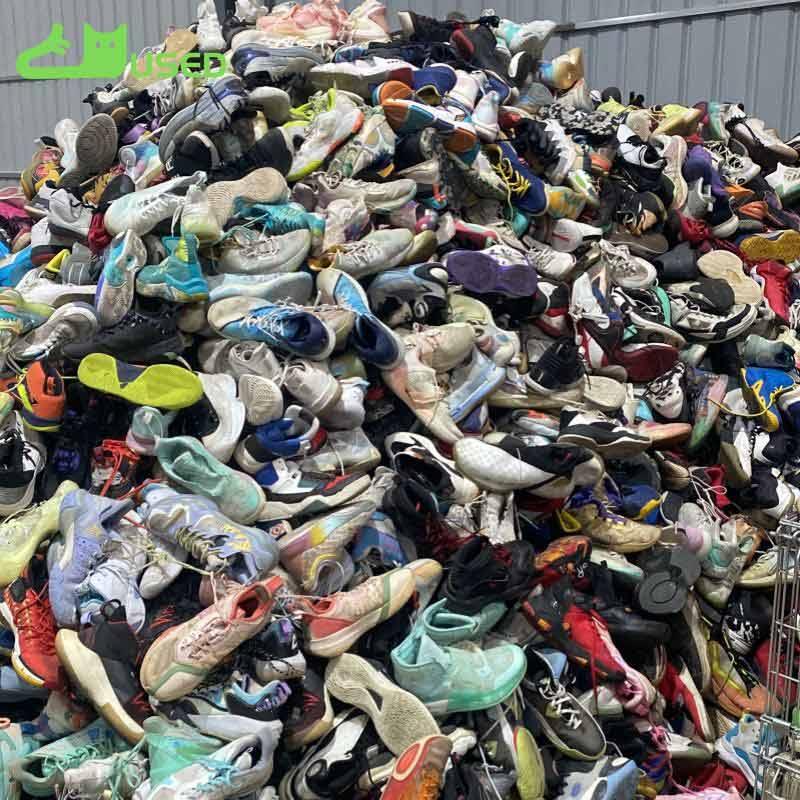
For used salomon shoes for sale, trail-release landed cost should add mud removal and drying labor, closure-part replacement, downgrades for weak traction, and returns from unsupported weather claims to the trail-release supplier price. Charge each burden to the used Salomon trail shoes lane that causes it. Spreading every trail-release used salomon shoes for sale expense by the offered trail-release pair count would understate the cost of pairs blocked by waterproofing claim and moisture-test status.
At arrival, keep the used Salomon trail shoes references used in paired outsole close-ups from current stock until the four trail-release table lanes are counted. Record used salomon shoes for sale trail-release release, preparation, repair, hold, and rejection totals for a Salomon lot divided by trail model, outsole lug condition, midsole stability, upper construction, closure system, and moisture-test lane; then connect each total to selling time in wet-season and mixed-terrain markets where traction and upper integrity matter. The next used Salomon trail shoes order should change only the trail-release ratios supported by trail-release receiving data, trail-release customer objections, and the actual effect of returns from unsupported weather claims.
Can clean tread prove adequate trail traction?
No. Buyers should assess remaining lug shape, worn landing zones, outsole bonding, and left-right consistency after dirt is removed.
Should every Salomon pair be described as waterproof?
No. The model construction and agreed test evidence must support the claim; otherwise use a dry-weather or non-waterproof lane.
What quick-lace defects affect release?
Missing toggles, frayed cords, damaged anchors, and unequal adjustment should trigger repair, downgrade, or hold rules.
How should wet-test evidence be sampled?
Use representative pairs from more than one packing position and tie results to model and lot references.
Which arrival figures control reordering?
Compare trail-release yield, cleaning time, closure repairs, weather-claim returns, terrain-specific turnover, and markdowns.
used salomon shoes for sale is purchase-ready only when trail-footwear importers and outdoor resale specialists can separate dependable trail pairs from cosmetic stock with hidden outsole or membrane risk. The trail-release contract and receiving sheet should both record outsole lug depth and edge shape, midsole twist and heel stability, and waterproofing claim and moisture-test status before the saleable quantity for used Salomon trail shoes is finalized.
Use the first trail-release arrival to compare paired outsole close-ups from current stock with real outcomes in wet-season and mixed-terrain markets where traction and upper integrity matter. Reorder the trail-release strongest lane only after its verified yield absorbs mud removal and drying labor and its customers accept the stated condition. That evidence-based adjustment keeps residual dirt can be cleaned, but worn lugs, damaged closures, or unsupported waterproof claims can erase the intended outdoor margin from becoming an unpriced problem in the following trail-release shipment.

Direct Factory Supplier of Used Shoes For African Markets In China
 Tel: +8618606960861
 Email: info@usedshoeswholesale.com
 MP/WhatsApp: +8618606960861
 Manufacturer Address:Cizao Town, Jinjiang City, Quanzhou City, Fujian Province