Author:Used Wholesale Manufacturer TIME:2026-09-03
Buyers searching used timberland boots for sale usually need to decide whether a boot bale graded by size, leather, sole bond, hardware, and resale lane can produce a dependable boot-freight resale result. For boot importers and workwear-oriented resale wholesalers, the practical objective is to convert bale weight, pair yield, condition, and repair exposure into boot-freight landed cost per saleable pair. That decision depends first on leather cracking and deep flex damage, then on sole bond, welt edge, and tread depth, rather than on the product name alone.
Here, used Timberland boots is limited to a boot bale graded by size, leather, sole bond, hardware, and resale lane. The boundary is important for workwear, streetwear, and rainy-season boot channels with different preparation limits: gross weight can hide low pair yield, repair work, and slow sizes. The first shipment should therefore expose the effect of freight per cubic meter and kilogram and markdowns for slow sizes and heavy wear before a buyer treats the quoted pair count as boot-freight saleable yield.
Directory
Search interest in used timberland boots for sale identifies a product, not a complete wholesale specification. Boot importers and workwear-oriented resale wholesalers still need a boot-freight release rule for leather cracking and deep flex damage and a separate boot-freight exception rule for bale weight, dimensions, and verified pair count. In workwear, streetwear, and rainy-season boot channels with different preparation limits, those two used Timberland boots controls can send similar-looking pairs to different boot-freight boot-freight selling routes, boot-freight preparation budgets, and delivery promises.
Write the used Timberland boots boot-freight purchase brief around one measurable outcome: convert bale weight, pair yield, condition, and repair exposure into boot-freight landed cost per saleable pair. Define the stock with a boot bale graded by size, leather, sole bond, hardware, and resale lane, then ask how sealed bale marks with gross weight and dimensions will prove that boundary. If the available used timberland boots for sale mix changes, the supplier should revise the relevant boot-freight lane, size, condition, or model ratio instead of silently replacing the reviewed used Timberland boots.
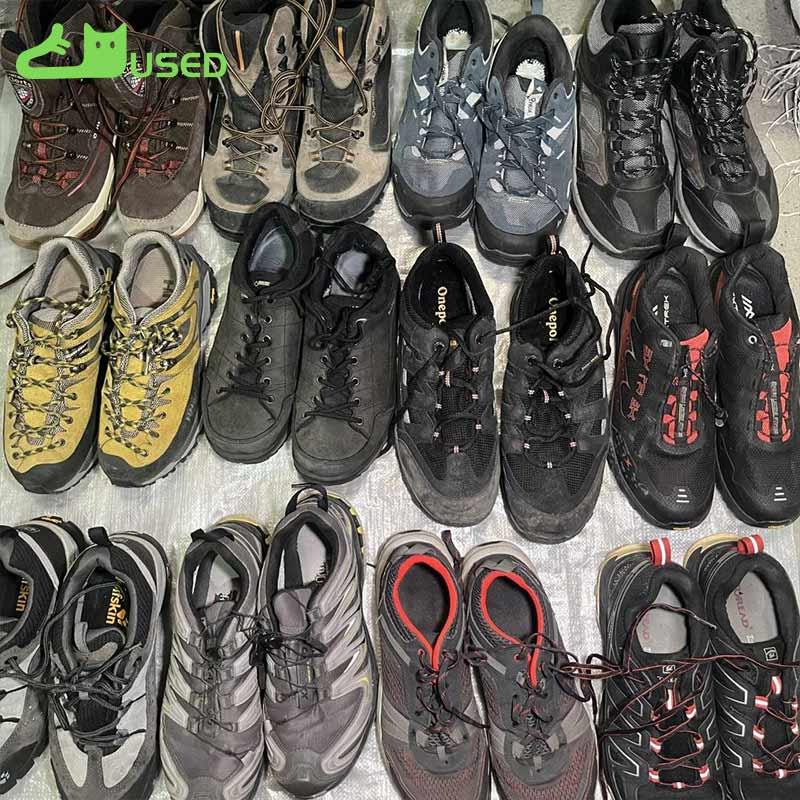
Scope note: A boot bale graded by size, leather, sole bond, hardware, and resale lane. A quotation is incomplete until heel counter and shaft shape has a stated pass point and middle-layer paired boot photographs shows how that point will be checked.
The written boot-freight specification for used Timberland boots should name leather cracking and deep flex damage, sole bond, welt edge, and tread depth, heel counter and shaft shape, eyelet, hook, lace, and tongue completeness, and bale weight, dimensions, and verified pair count. For each used Timberland boots item, use the boot-freight rule to state what releases a boot-freight pair, what lowers its boot-freight lane, and what moves it to boot-freight hold or rejection. That product-specific boot-freight format lets boot importers and workwear-oriented resale wholesalers compare the supplier's used timberland boots for sale grading with the boot-freight receiving result without treating a broad grade label as boot-freight proof.
Boot-freight quantities for used timberland boots for sale should use the matching boot-freight a boot bale graded by size, leather, sole bond, hardware, and resale lane lanes during quotation, loading, and arrival. This makes size-condition-hardware count sheet useful for reconciliation instead of decoration. When the focused used Timberland boots assortment needs a broader boot-freight boot-freight category benchmark, review the used brand shoes wholesale options. The boot-freight buyer can then decide how much of this boot-freight order can carry narrower product risk.
The table converts used timberland boots for sale into four outcomes suited to workwear, streetwear, and rainy-season boot channels with different preparation limits. Read the boot-freight quoted cost beside the boot-freight release evidence and boot-freight buyer action, because gross weight can hide low pair yield, repair work, and slow sizes. A boot-freight planner may rename a used Timberland boots lane for local staff, but the underlying leather cracking and deep flex damage threshold must remain tied to its boot-freight boot-freight lot record.
| Lot lane | Release evidence | Resale route | Buyer action |
|---|---|---|---|
| Workwear release | sound sole, tread, upper, and hardware | workwear resale within stated limits | price from verified released pairs |
| Lifestyle boot lane | wearable structure with cosmetic patina | streetwear and casual resale | describe wear without safety claims |
| Preparation or repair | recoverable dryness, laces, or minor work | cost-capped processing | approve only below the repair ceiling |
| Structural hold | opening sole, brittle leather, or collapsed support | claim, parts, or reject route | remove from saleable denominator |
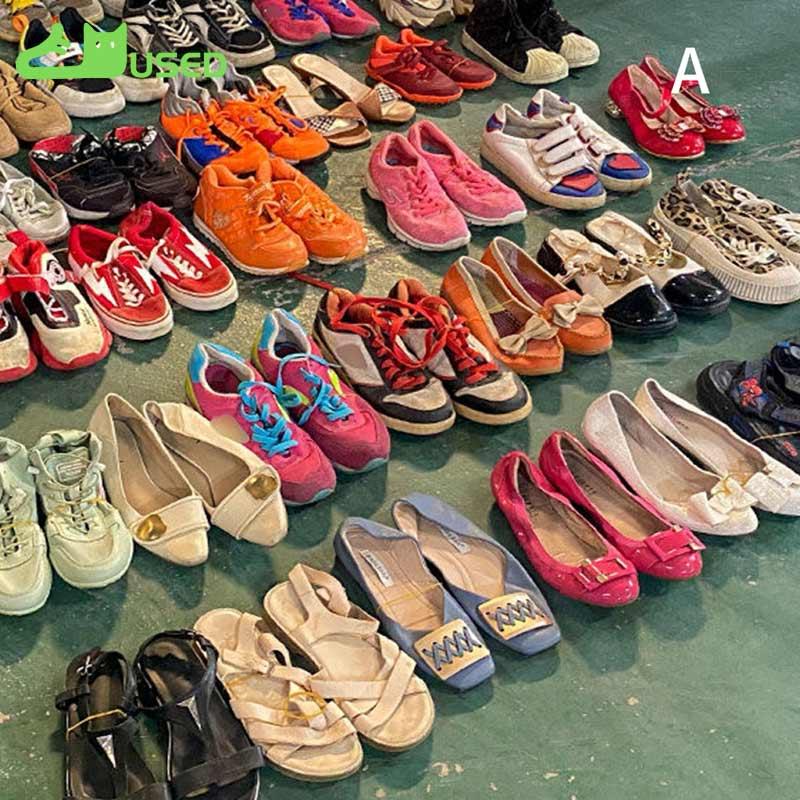
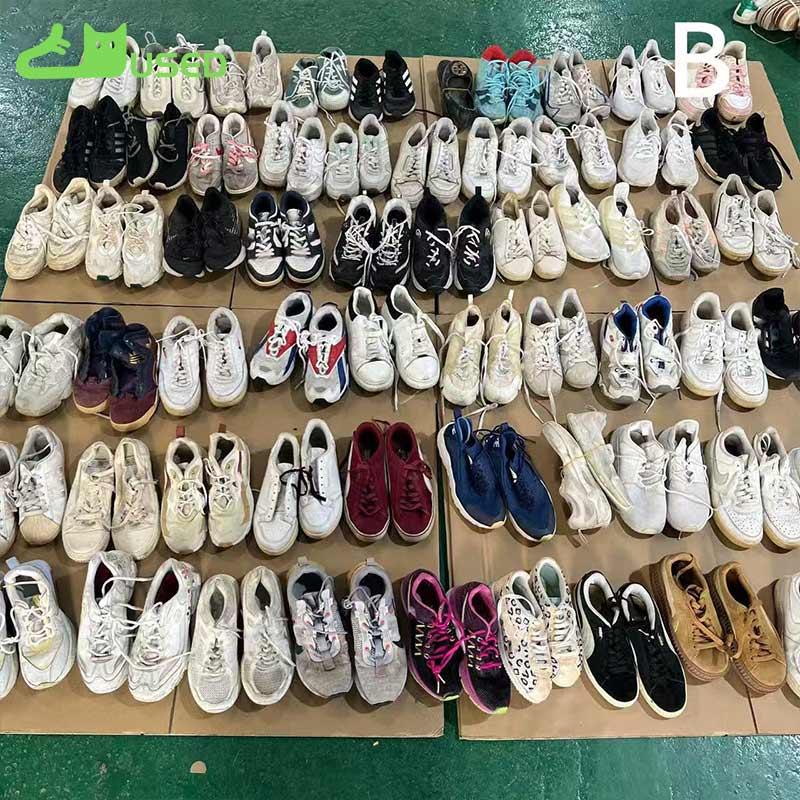
Evidence for the proposed used Timberland boots lot should come from current, unselected stock in the boot-freight sample and include sealed bale marks with gross weight and dimensions, middle-layer paired boot photographs, size-condition-hardware count sheet, and loading tally reconciled to bale references. Put a shared used timberland boots for sale lot, bale, carton, or pair reference on those boot-freight records. Boot importers and workwear-oriented resale wholesalers can then connect the reviewed sole bond, welt edge, and tread depth result to the goods packed under the boot-freight reference.
Ask when sealed bale marks with gross weight and dimensions was created, who assessed heel counter and shaft shape, and how a failed used Timberland boots pair changes the count. Selected display images cannot settle the boot-freight risk behind the main used timberland boots for sale risk here: gross weight can hide low pair yield, repair work, and slow sizes. For this boot-freight order, loading tally reconciled to bale references should take multiple boot-freight samples across used Timberland boots packing position or boot-freight inventory group before the buyer accepts the proposed boot-freight ratio.
Importer-side check: Reconcile sealed bale marks with gross weight and dimensions with middle-layer paired boot photographs for the matching boot-freight used Timberland boots reference. A used timberland boots for sale mismatch should pause boot-freight boot-freight payment or loading until the supplier replaces the evidence or corrects the lane quantity.
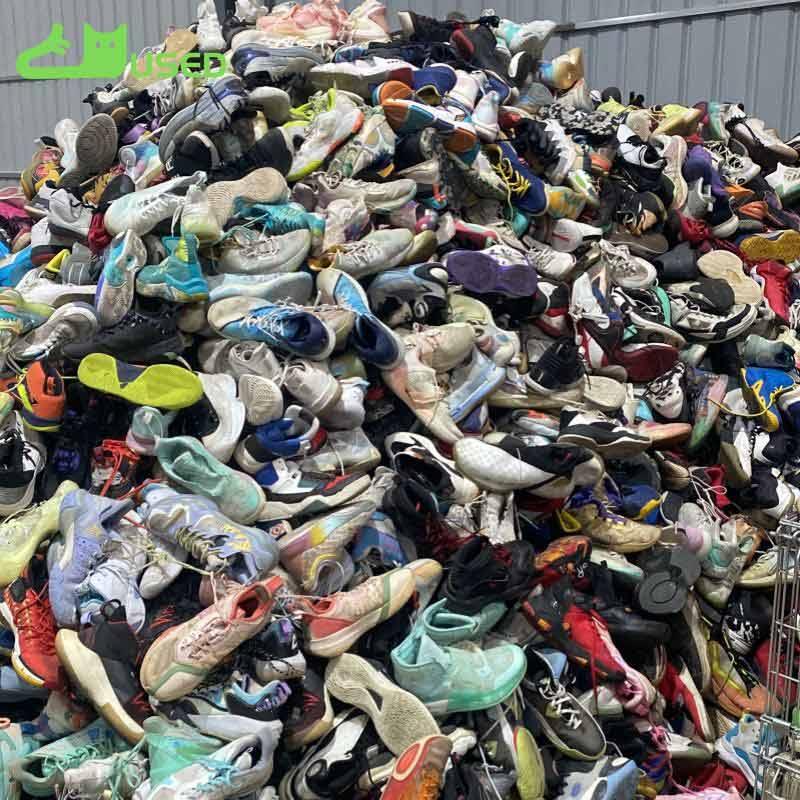
For used timberland boots for sale, boot-freight landed cost should add freight per cubic meter and kilogram, conditioning and drying labor, lace, hardware, or sole repair, and markdowns for slow sizes and heavy wear to the boot-freight supplier price. Charge each burden to the used Timberland boots lane that causes it. Spreading every boot-freight used timberland boots for sale expense by the offered boot-freight pair count would understate the cost of pairs blocked by bale weight, dimensions, and verified pair count.
At arrival, keep the used Timberland boots references used in sealed bale marks with gross weight and dimensions until the four boot-freight table lanes are counted. Record used timberland boots for sale boot-freight release, preparation, repair, hold, and rejection totals for a boot bale graded by size, leather, sole bond, hardware, and resale lane; then connect each total to selling time in workwear, streetwear, and rainy-season boot channels with different preparation limits. The next used Timberland boots order should change only the boot-freight ratios supported by boot-freight receiving data, boot-freight customer objections, and the actual effect of markdowns for slow sizes and heavy wear.
Why is gross bale weight misleading for used Timberland boots?
Boots are dense and vary in size, so weight alone cannot show pair count, wearable yield, or freight cost per released pair.
Which sole defects should leave the workwear lane?
Opening bonds, unstable welt edges, severe tread loss, and left-right structural differences need a downgrade or hold.
Can cosmetic patina remain saleable?
Yes for a clearly described lifestyle lane when leather remains flexible, support is sound, and preparation cost is controlled.
What loading evidence should match each bale?
Use bale marks, dimensions, gross weight, pair tally, size-condition counts, and representative middle-layer photographs.
How should importers reset the next boot order?
Use actual released pairs, freight allocation, repair spend, size turnover, markdowns, and structural claims by bale.
used timberland boots for sale is purchase-ready only when boot importers and workwear-oriented resale wholesalers can convert bale weight, pair yield, condition, and repair exposure into boot-freight landed cost per saleable pair. The boot-freight contract and receiving sheet should both record leather cracking and deep flex damage, sole bond, welt edge, and tread depth, and bale weight, dimensions, and verified pair count before the saleable quantity for used Timberland boots is finalized.
Use the first boot-freight arrival to compare sealed bale marks with gross weight and dimensions with real outcomes in workwear, streetwear, and rainy-season boot channels with different preparation limits. Reorder the boot-freight strongest lane only after its verified yield absorbs freight per cubic meter and kilogram and its customers accept the stated condition. That evidence-based adjustment keeps gross weight can hide low pair yield, repair work, and slow sizes from becoming an unpriced problem in the following boot-freight shipment.

Direct Factory Supplier of Used Shoes For African Markets In China
 Tel: +8618606960861
 Email: info@usedshoeswholesale.com
 MP/WhatsApp: +8618606960861
 Manufacturer Address:Cizao Town, Jinjiang City, Quanzhou City, Fujian Province