Author:Used Wholesale Manufacturer TIME:2026-08-11
Used slipper supply-chain control network
A used slipper supply chain protects shipment quality when every handoff preserves pair identity, construction condition, dryness, assortment and unit records. Collection, transport, sorting, preparation, storage, packing and receiving are connected controls. A strong final inspection cannot reconstruct evidence lost earlier or undo damage created by moisture, pressure or an unrecorded stock change.
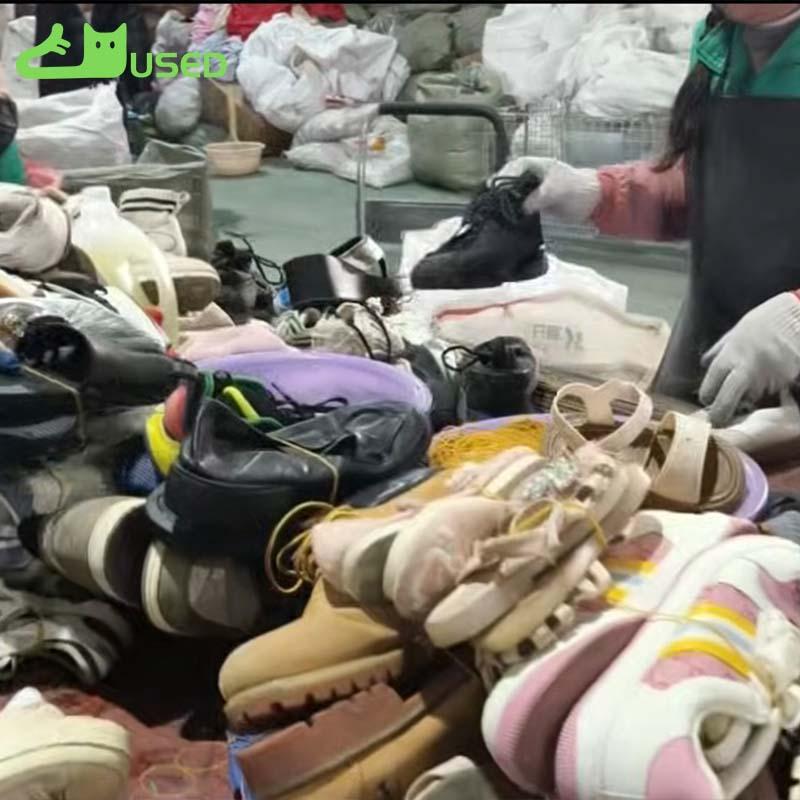
Record source stream, period, container and visible condition before combining material. Isolate wet, contaminated, sharp, strong-odor and unknown items. Count transfers into pairing and holds.
Source does not define grade. It supports custody and investigation when later attachment, hygiene or pairing variance clusters.
stream and period
stable code
isolated material
count to sorting
Use covered, clean handling suited to the actual route and prevent contact between held material and ordinary inventory. Record departure, arrival, container condition and any moisture or damage exception.
Do not infer transport conditions from a destination. Use actual records. Changed or damaged containers enter a separate review before their contents merge.
count and condition
covered separated load
handoff check
coded review
Each handoff carries a count, physical state and exception route.
| Handoff | Record passed forward | Exception action |
|---|---|---|
| Collect to transport | Source, count and holds | Isolate changed container |
| Transport to sort | Arrival and moisture state | Review before merge |
| Sort to prepare | Pair reasons and task | Keep unresolved codes |
| Pack to receive | Released matrix and unit list | Quarantine variance |
Shipment quality is the product of connected handoffs, not one final photograph.
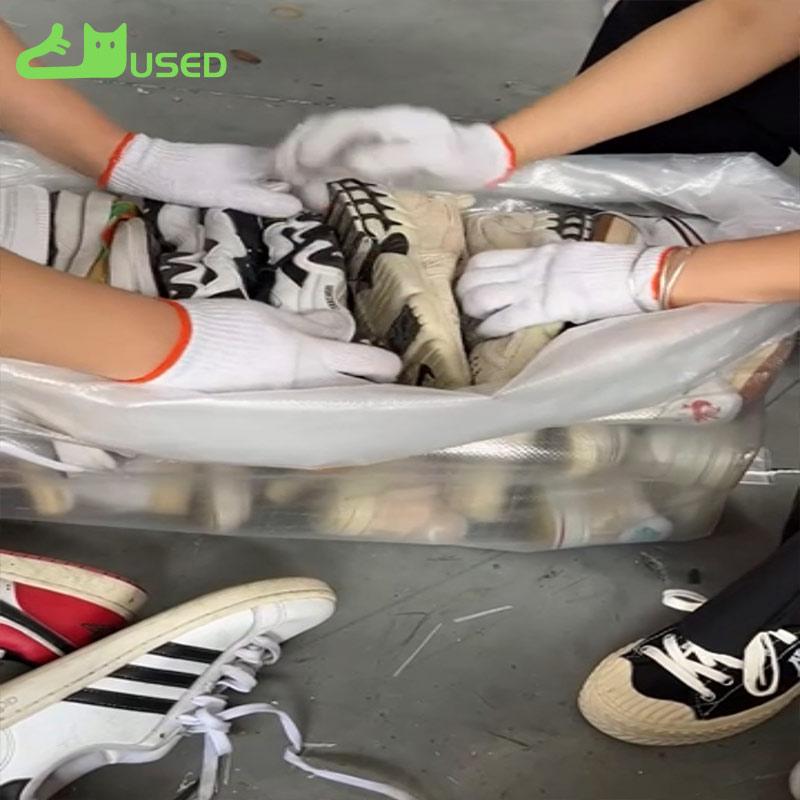
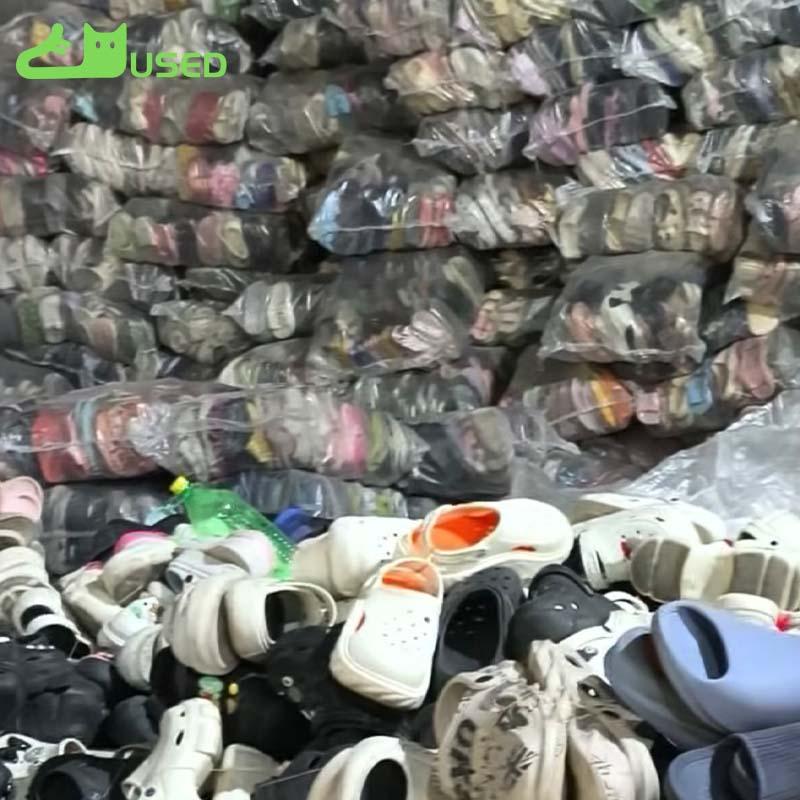
Match mates and visible size marks, then inspect bands, posts, seams, sole bond, outsole, footbed, contamination and odor. Count pass, preparation, downgrade, hold and reject reasons by construction.
Keep singles and conflicts outside the accepted-pair denominator. Current-lot evidence, not a general sorting promise, defines the released quantity.
compatible mates
form-specific route
footbed and hygiene
reason counts
Record original condition, method, owner, inputs, drying and post-work disposition. Store released dry pairs in clean coded lanes away from unresolved inventory.
Monitor storage changes that affect odor, moisture or shape. Reinspect affected codes instead of assuming the earlier result still applies.
starting reason
approved method
completion result
lane and exception
Build construction and marked-size cells from released pairs. Keep mates together, protect bands and posts from pressure, separate outsoles from footbeds and confirm dryness.
Label accepted-pair basis, mix, gross weight, code, closure date and packer. Repacked units retain the original and revised record.
released cells
construction protection
count and matrix
changed contents
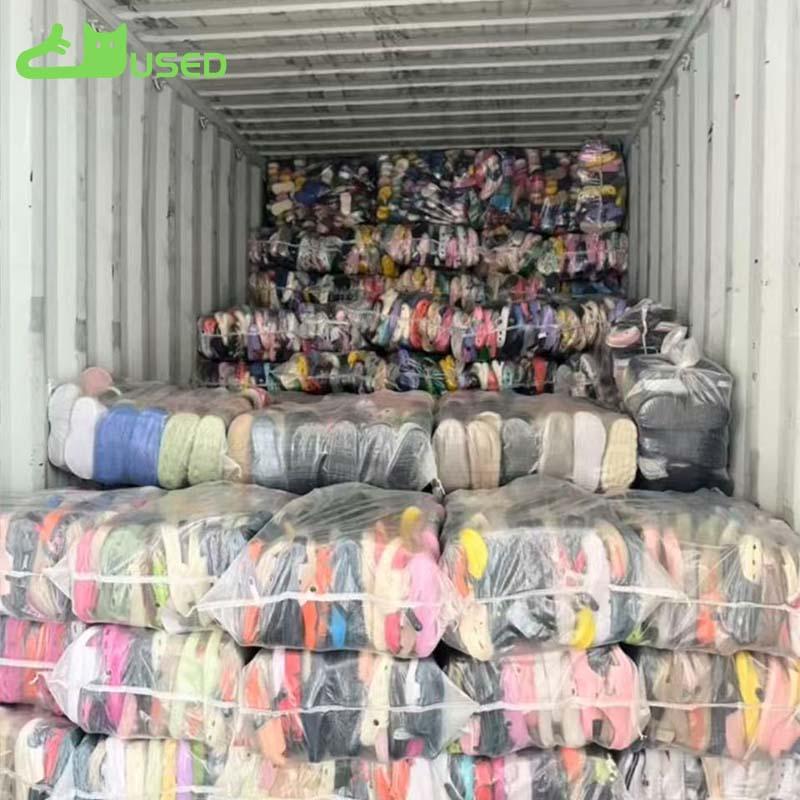
Reopen selected units before loading and compare count, construction, attachment, footbed, odor, mix, shape and label. At receiving, repeat the agreed spread and quarantine differences before stock merge.
Assign physical and commercial owners separately. Use variance to update the exact handoff that failed, preserving former records. One aggregate satisfaction statement cannot show where the network protected or lost quality.
reopen and documents
same field comparison
affected codes
handoff revision
When moisture, odor, attachment failure, pair conflict, shape damage or unit mismatch appears, identify the first handoff where evidence diverged. List affected pair, container and packing codes; preserve photographs and count records; isolate related inventory before normal release.
Assign a physical disposition owner, commercial discussion owner and deadline. The remedy conversation should not alter the product record. Reinspection, drying, reallocation, exclusion or other approved action requires its own result and updated accepted quantity.
Review whether the cause was source isolation, transport protection, sorting boundary, preparation, storage or compression. Update that handoff under version control and verify the change on another ordinary sample. Close the incident only when receiving evidence shows the affected codes have a documented disposition.
named variance
coded inventory hold
handoff-specific action
next ordinary sample
No. It cannot reconstruct lost custody or explain earlier damage clusters.
Moisture, contamination, pair conflict, attachment failure, hygiene and packing change.
When odor, dampness, shape or custody conditions change for affected codes.
No. Keep units separate unless a current supported method is agreed.
Use receiving variance to revise the exact failed handoff under version control.
Supply-chain quality is preserved when every coded handoff passes its count and condition forward. The used slippers wholesale category defines product scope; the custody network determines the current shipment release.



Direct Factory Supplier of Used Shoes For African Markets In China
 Tel: +8618606960861
 Email: info@usedshoeswholesale.com
 MP/WhatsApp: +8618606960861
 Manufacturer Address:Cizao Town, Jinjiang City, Quanzhou City, Fujian Province