Author:Used Wholesale Manufacturer TIME:2026-08-11
Affordable mixed footwear value route
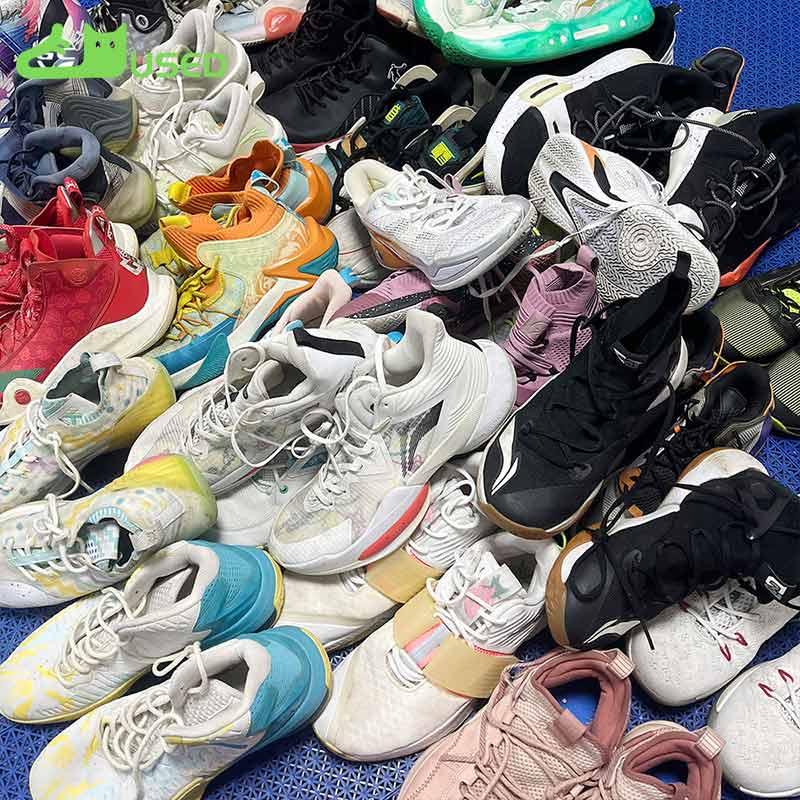
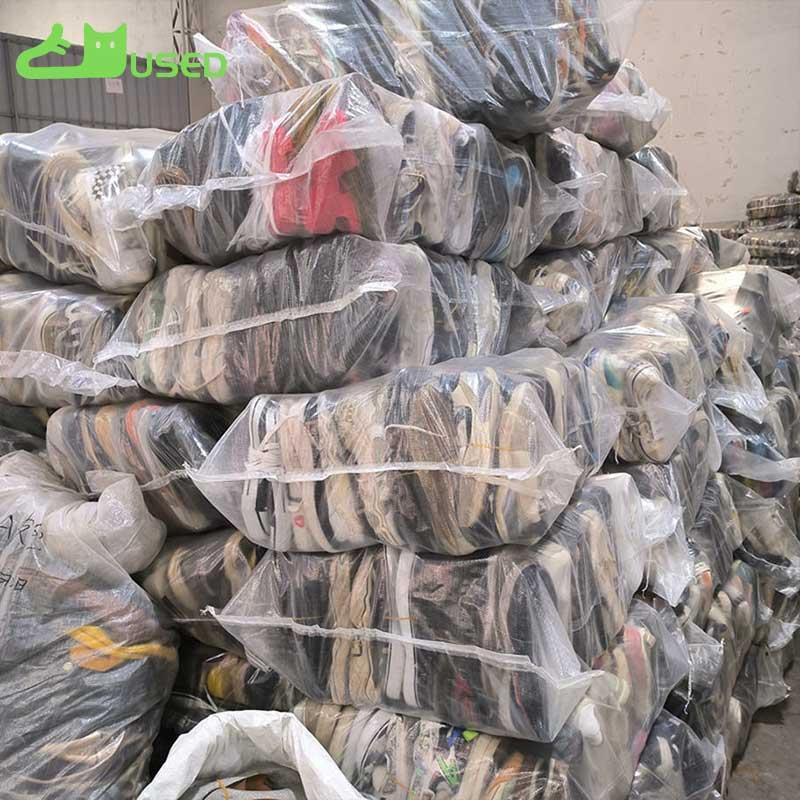
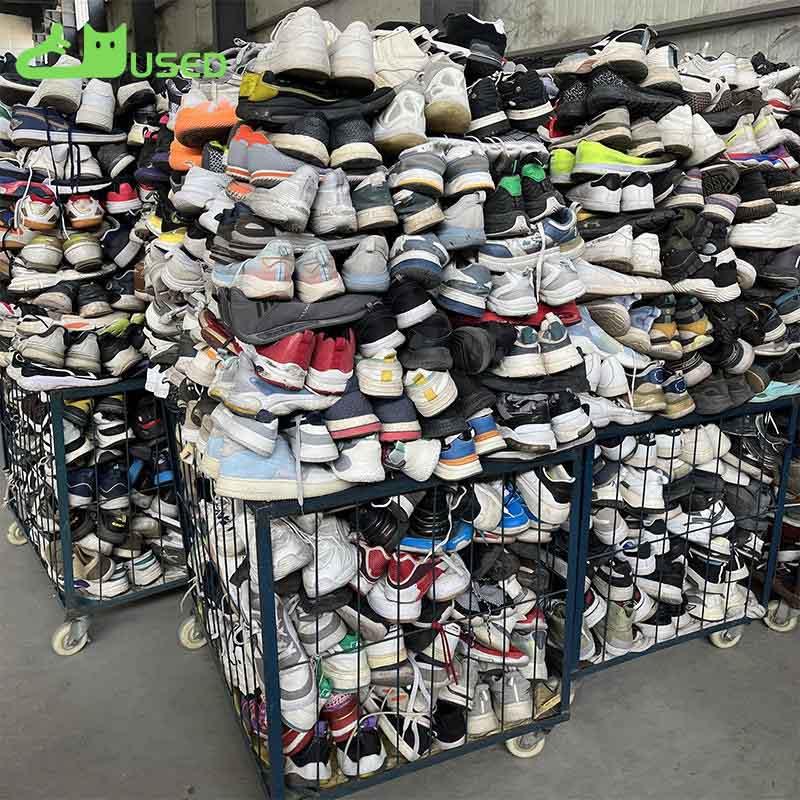
Second-hand mixed shoes can support affordable footwear channels when the buying system protects remaining function, honest condition and full-route cost. A low bale price alone does not create affordability. The buyer should release sound pairs, separate preparation and lower tiers, allocate categories and marked sizes to reachable channels, and measure the price customers actually face after local handling.
Each step must hold before the next price or access claim is considered.
| Step | Required evidence | Failure response |
|---|---|---|
| Functional floor | Pair, structure and hygiene release | Exclude or hold |
| Accepted-pair cost | Dated route and work inputs | Reprice the plan |
| Condition tier | Boundary and disclosure | Separate inventory |
| Channel allocation | Released product cells | Redirect or reduce |
| Customer result | Dated tier feedback | Revise one field |
The staircase describes operating controls, not a guarantee of a social, income or resale outcome.
Name the channel and product role being considered rather than labeling a whole destination as an affordable market. Record the customer's purchase price where legitimately available, the condition promise, relevant use and the costs between receiving and sale. Do not claim income, demand or social outcomes without appropriate evidence.
A cosmetically worn pair may offer useful value when structure and hygiene pass and the lower tier is clear. A cheap pair with unstable bonding, insecure closures, contamination or little remaining outsole does not become suitable because the customer has fewer options.
named footwear role
visible tier
current channel record
no unsupported outcome
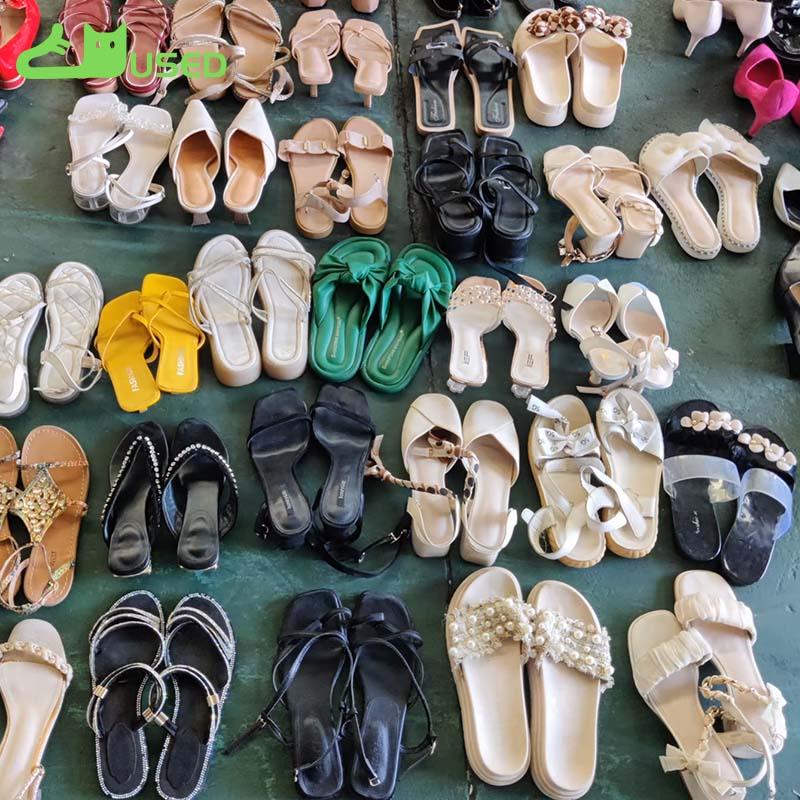
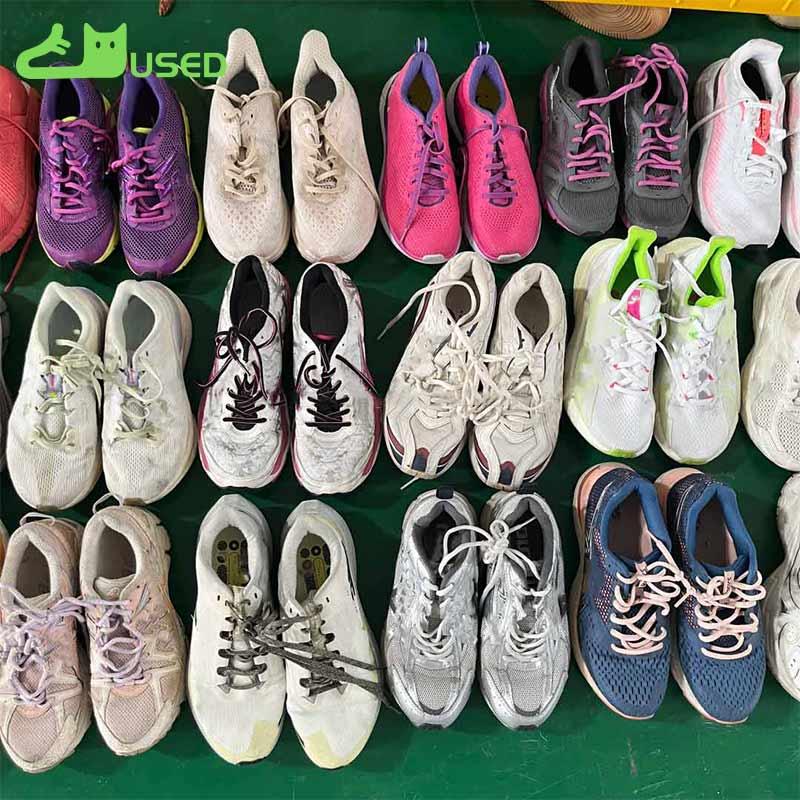
Inspect mate compatibility, sole attachment, outsole wear, heel or support stability, upper integrity, closures, lining, insoles, odor and contamination. Add category-specific checks for children's footwear, sandals, boots, heels and sneakers. Keep structural and hygiene failures outside resale inventory.
Do not describe ordinary used shoes as certified safety footwear or make medical claims without valid evidence. Practical use depends on the actual construction and condition that the pair can support.
compatible mates
stable remaining function
secure operation
hygiene release
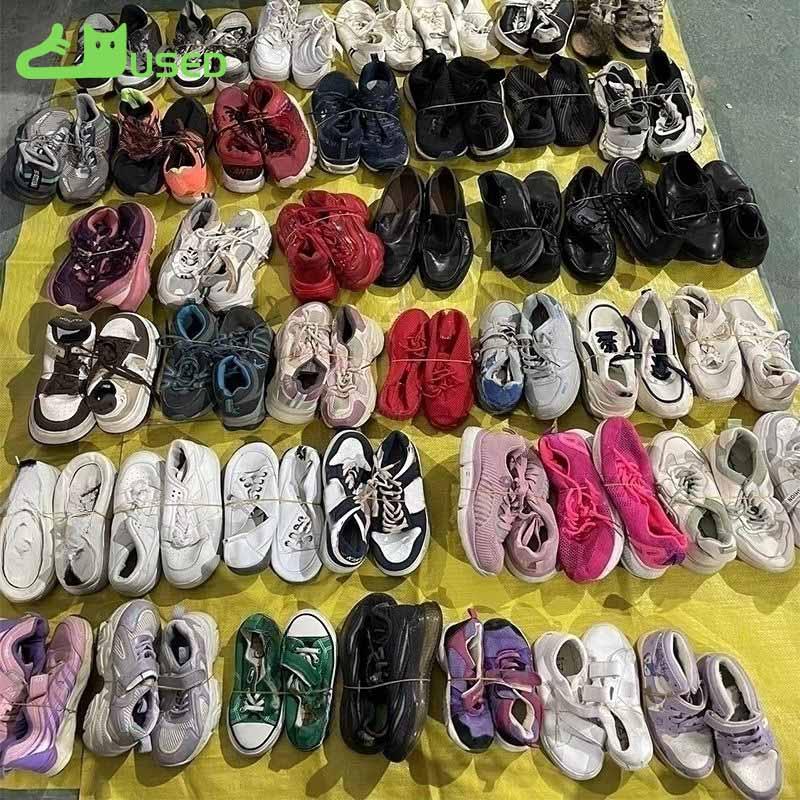
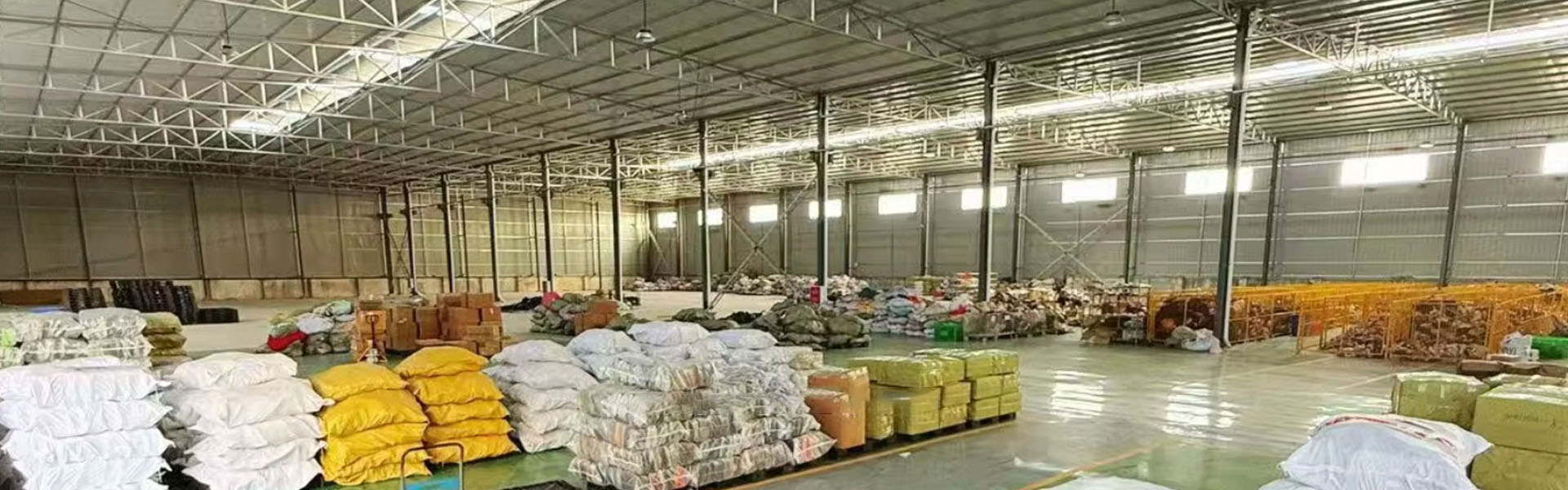
Keep purchase unit, weight and pair counts distinct. Add freight allocation, import charges, inland movement, receiving, sorting, cleaning, permitted minor work, rejects, storage and distribution using dated sources. Divide operational cost by accepted or sale-ready pairs under a documented conversion.
Test weaker yield, added handling and slower allocation as labeled scenarios. These calculations support exposure decisions; they do not guarantee retail price, margin or sales speed.
quoted unit
route inputs
measured local task
released pairs
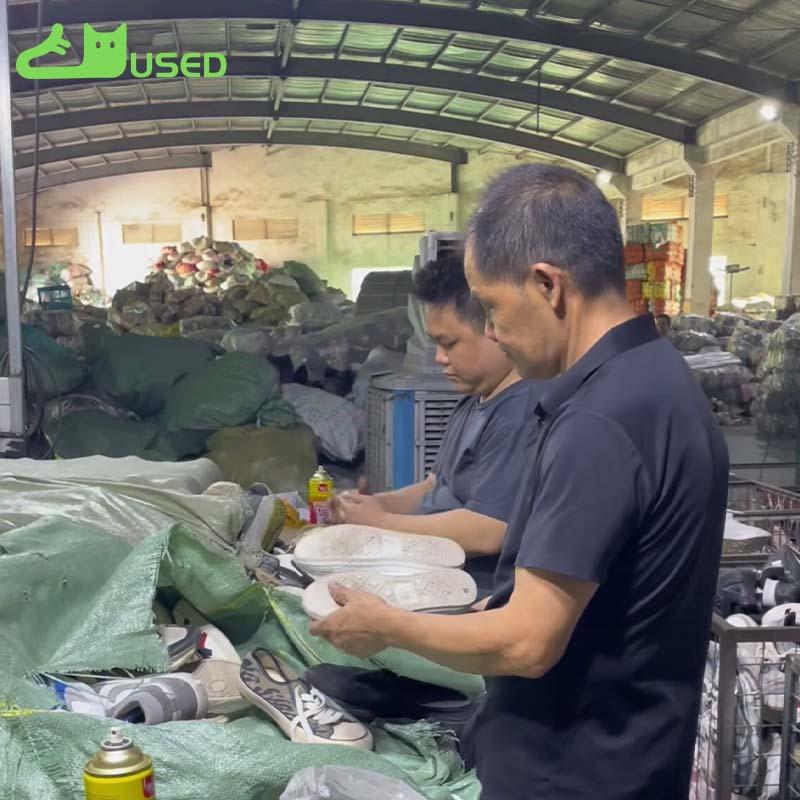
Routine surface cleaning, drying, laces, insoles or minor presentation work may be allowed under the order. Record reason, method, time, material, reviewer and outcome. Structural reconstruction or uncertain hygiene treatment follows a separate policy and may exceed the economics of the intended lane.
Keep preparation candidates away from sale-ready stock until reinspection closes. A local task adds value only when the resulting pair meets a written condition and its cost remains visible.
why work starts
permitted method
time and material
released tier
Define presentation-led, everyday, visible-wear and any permitted repair-led lane with a physical boundary, preparation state, disclosure and price rule. Do not mix lower inventory into a stronger grade and transfer discovery to the retailer.
Track complaints, returns, repeat purchase where available, markdown and stock age by tier. A high problem rate in the lowest lane may show that its functional floor or description needs correction rather than another price reduction.
minimal work
sound routine use
clear cosmetic tier
only approved scope
Map neighborhood stores, market sellers, school-focused outlets, regional wholesalers, mobile traders or online value channels only when they are part of the buyer's real network. Record each channel's category, condition, marked-size, presentation and preparation capacity.
Include inland movement, small-lot handling and remote distribution in the route. A pair that leaves the importer cheaply can reach the customer at a different price after repeated transport and sorting. Preserve that distinction.
actual outlet type
category and size
work the outlet can perform
last-mile cost
At receiving, record physical yield and mix variance before local allocation. During sale, capture tier, price, age, markdown, return reason and unresolved customer complaint where the business legitimately maintains those records. Avoid converting anecdotal comments into market-wide facts.
A slow cell may reflect category, marked size, timing, presentation, location or price. A return may reflect product condition or expectation. Diagnose the field before changing the supplier rule.
source result
where stock went
dated channel result
coded cause
No. Remaining function, work, rejects, distribution and customer-facing price determine the route.
Yes, when structure and hygiene pass and the condition is disclosed clearly.
No. Limit work to approved conditions with known capacity, cost and reinspection.
Include inland movement, small-lot handling and the final allocation steps.
A supported variance in physical yield, work, tier placement, route cost or dated channel result.
Affordable footwear value depends on sound release, visible full-route cost and honest tier placement. The used mixed shoes wholesale category defines the available product family; the value staircase protects the buying decision.
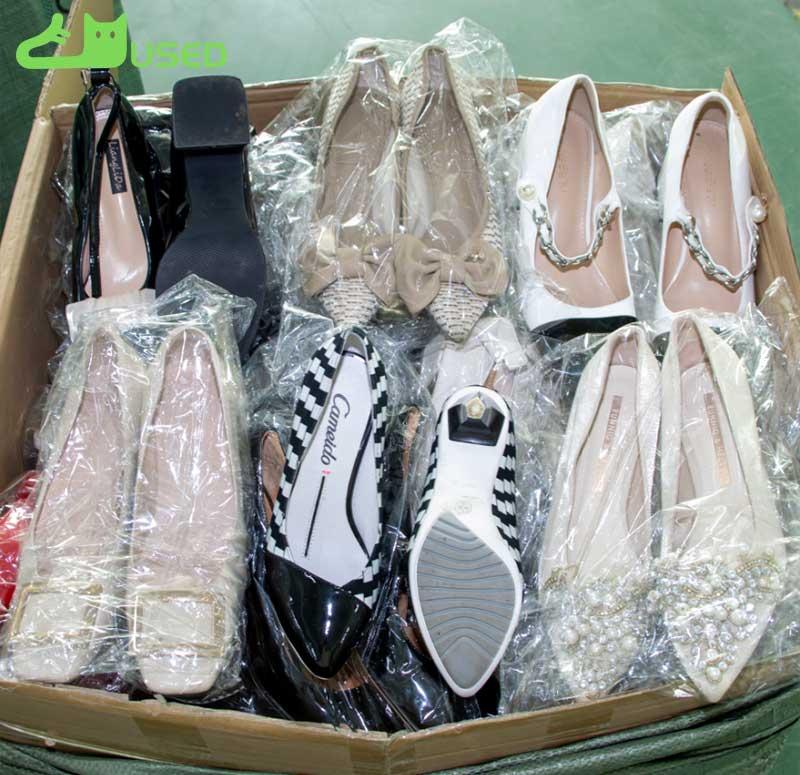

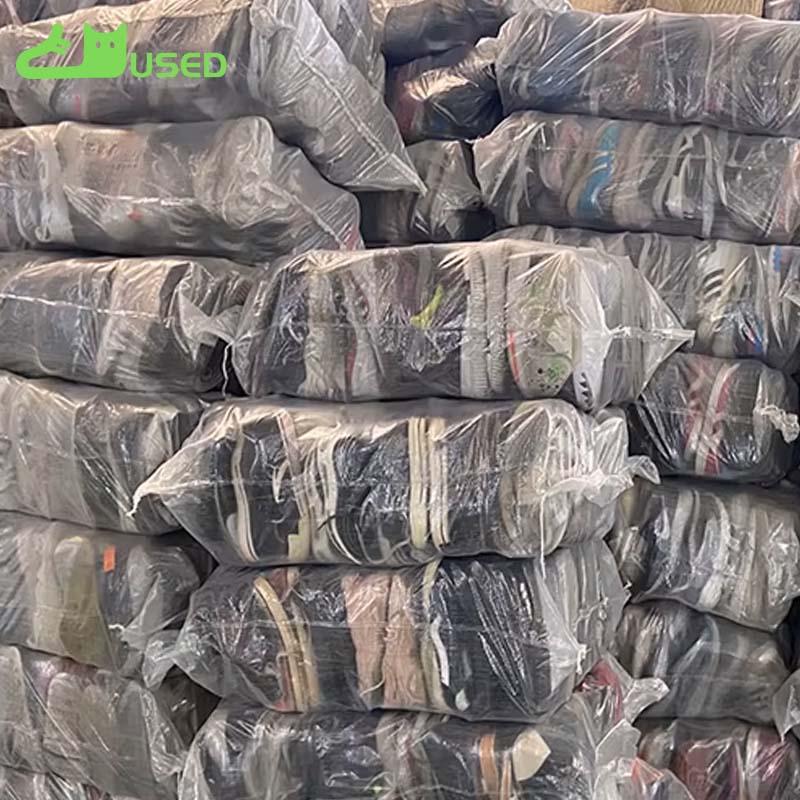

Direct Factory Supplier of Used Shoes For African Markets In China
 Tel: +8618606960861
 Email: info@usedshoeswholesale.com
 MP/WhatsApp: +8618606960861
 Manufacturer Address:Cizao Town, Jinjiang City, Quanzhou City, Fujian Province