Author:Used Wholesale Manufacturer TIME:2026-08-10
Men's footwear video review
A wholesale video is useful when it helps a buyer locate questions, not when it replaces a lot inspection. Men's footwear may combine sneakers, formal shoes, boots, loafers and sandals, so a single attractive pass across stock cannot establish pair count, marked-size spread or condition. This guide turns the recording into a frame review card and keeps every commercial conclusion tied to evidence that the supplier still needs to return.
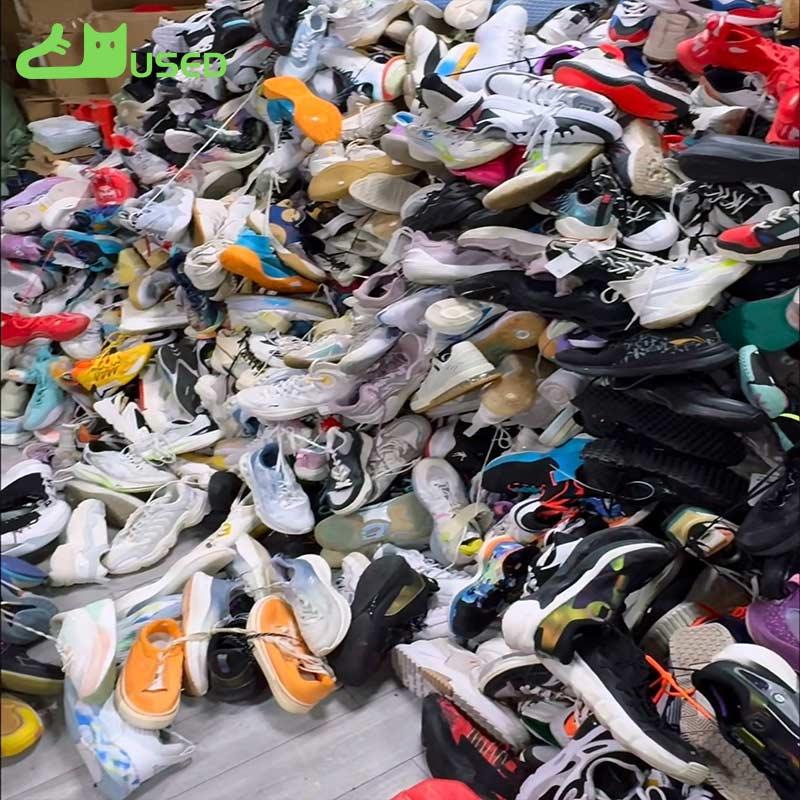
Watch once without making a grade decision. Note where the camera shows full pairs, stacks, sorting surfaces, packing units or close views. Then replay only those segments and record what is actually visible. A moving view may reveal variety, but it does not state the denominator behind that variety.
Give each useful view a simple reference such as opening overview, pair profile, sole view or packed-unit view. Do not invent timestamps if they are not recorded. The Video observation boundary is strict: a frame supports an observation about the pictured area, not a conclusion about hidden pairs or the full shipment.
locates forms and handling context
compares mates and profile
supports one visible component note
raises packing and count questions
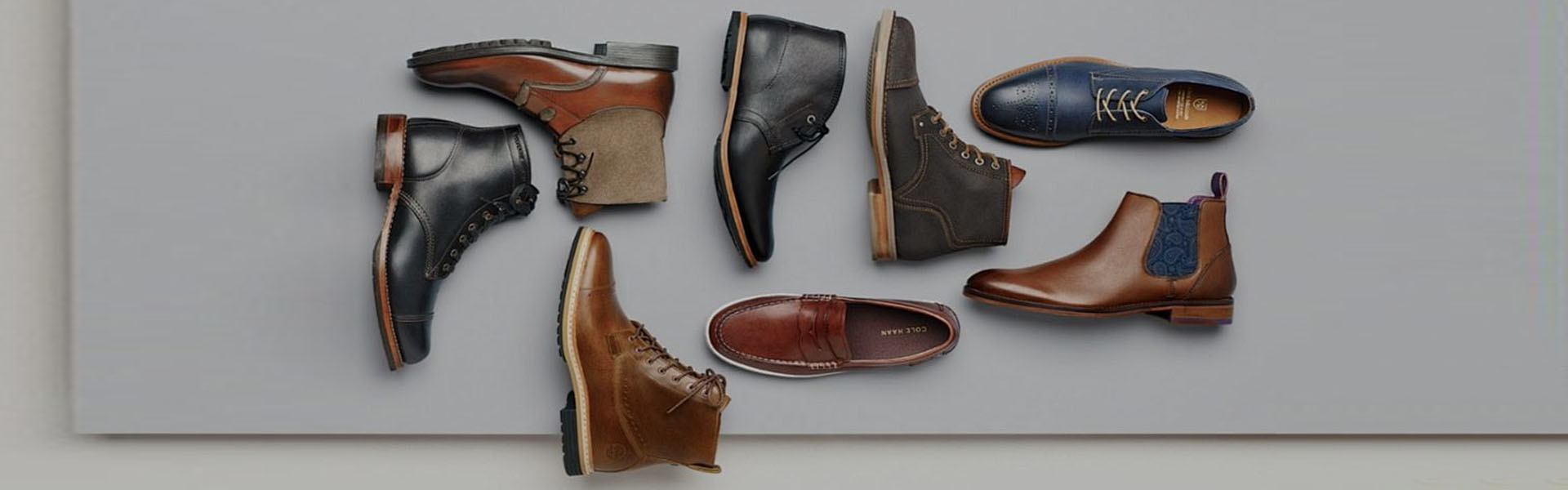
Sneakers, formal shoes, loafers, boots and sandals fail in different places. Use the recording to identify which construction lanes deserve separate questions. Do not average visible wear across unlike forms or call a varied group one uniform grade.
For every form that appears, ask for current counts from released pairs and ordinary examples from more than one unit. If a requested construction is absent from the recording, mark it unverified rather than assuming that it sits outside the camera view.
upper joins sole bond and heel counter
heel geometry welt edge and finish
shaft seams closures and sole perimeter
strap anchors footbed and outsole
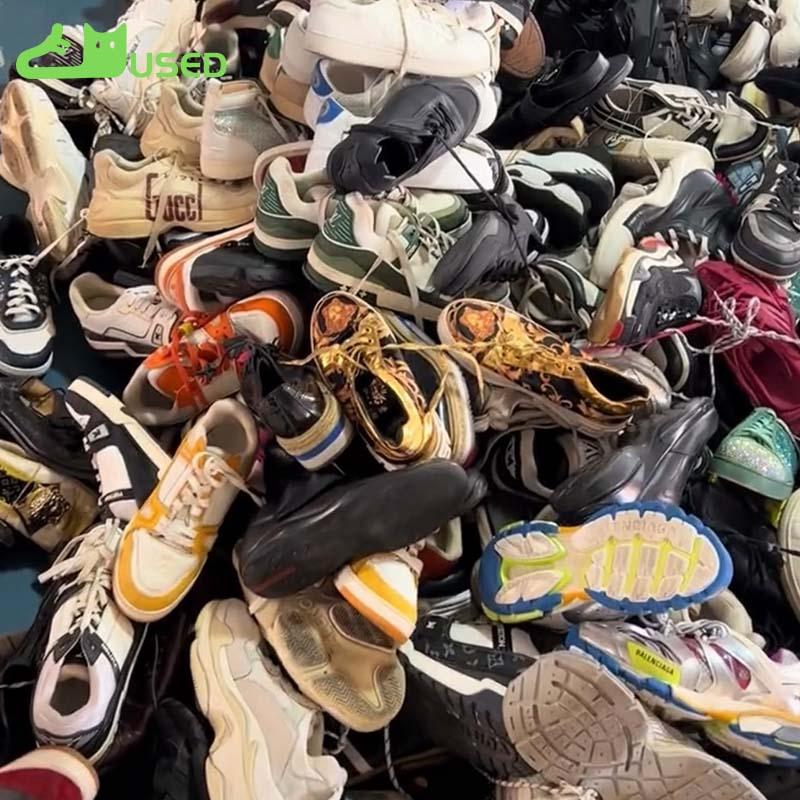
A useful full-pair view should allow a buyer to compare left and right shape, color, construction and wear. A readable size mark can support that pair only. Ask for separate label evidence where the camera moves too quickly or light obscures the mark.
Inspect visible sole edges, toe flex areas, upper joins, heel support and closures. Treat glare, distance and motion blur as unknowns. A clean-looking surface cannot prove interior condition, dryness, odor status, bond strength or remaining wear life.
compatible visible form and wear
readable size system and value
visible edge gap or repair
request separate evidence when hidden
Each row converts a visible scene into a limited observation and a follow-up request.
| Frame type | May support | Cannot establish | Buyer follow-up |
|---|---|---|---|
| Full pair | Form and visible mate comparison | Marked-size curve | Readable labels by code |
| Side or sole | Visible joins and outsole area | Bond strength or lifetime | Non-destructive condition sample |
| Stock overview | Forms present in view | Percentages in every unit | Released pair matrix |
| Packing unit | External code and closure | Internal count or dryness | Reopening record |
A useful card preserves uncertainty instead of converting camera coverage into a whole-lot promise.
Ask the supplier to select ordinary units by a declared rule and return full-pair, label, sole-edge, outsole, heel and interior views for coded examples. The answer should include inspected pairs, passes, preparation holds, rejects and unresolved items, not only a montage of acceptable stock.
Keep the original video separate from the later sample file. The recording explains why a check was requested; the coded response shows which current items were reviewed. If inventory changes, require a dated update instead of carrying the earlier impression into a replacement lot.
how units and pairs are selected
views attached to stable codes
pass prepare hold or reject
date and stock relation
A closed sack, bale or carton may show unit type, closure and external condition. It cannot reveal complete-pair count, internal pressure, dryness or assortment. Ask for the declared commercial unit, accepted-pair basis, gross weight and mix reference for each code.
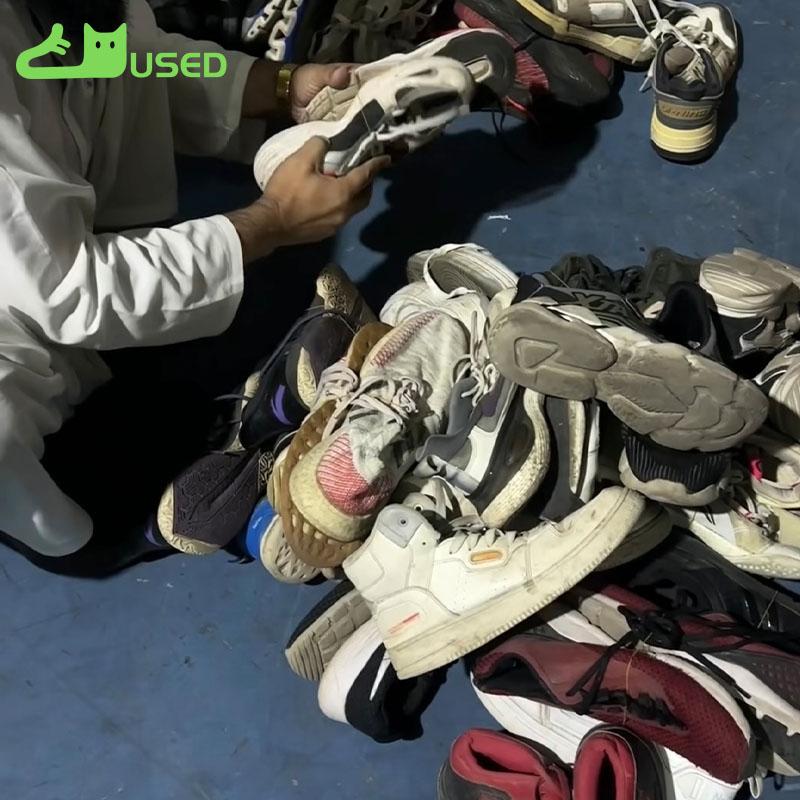
Where the recording shows handling, use it to ask how mates stay together and how vulnerable uppers, heels or closures are protected. Request one reopening check before loading. The result should reconcile the unit label with actual contents and keep held stock outside the released total.
stable packing identity
pairs weight or other stated unit
form-specific containment
count condition and label check
Send one worksheet covering permitted forms, marked-size bands, physical exclusions, preparation allowance, sampling rule, packing basis and unresolved claims. Link each question to a frame reference or state that the required area was not visible. This makes the reply auditable and reduces general assurances.
Price comparison starts after suppliers answer the same fields. Keep brand identity, material, performance and future durability outside approved wording unless separate evidence supports them. The commercial decision should be based on released current stock and a clear variance route.
forms and marked-size cells
observable pass and hold reasons
unit scope and included work
questions blocking approval
No. It can direct sampling, while counted current-lot results support a grade decision.
It supports one pictured pair; request a released-pair size matrix.
No. Record visible condition without making durability or safety claims.
Current counts, coded examples, disposition totals, packing basis and unresolved fields.
A men's footwear video should produce a better inspection request, not an automatic release. The used men's shoes wholesale category provides the product scope; frame references, coded samples, packing records and open claims control the buying decision.


Direct Factory Supplier of Used Shoes For African Markets In China
 Tel: +8618606960861
 Email: info@usedshoeswholesale.com
 MP/WhatsApp: +8618606960861
 Manufacturer Address:Cizao Town, Jinjiang City, Quanzhou City, Fujian Province