Author:Used Wholesale Manufacturer TIME:2026-08-10
Women's collection visibility matrix
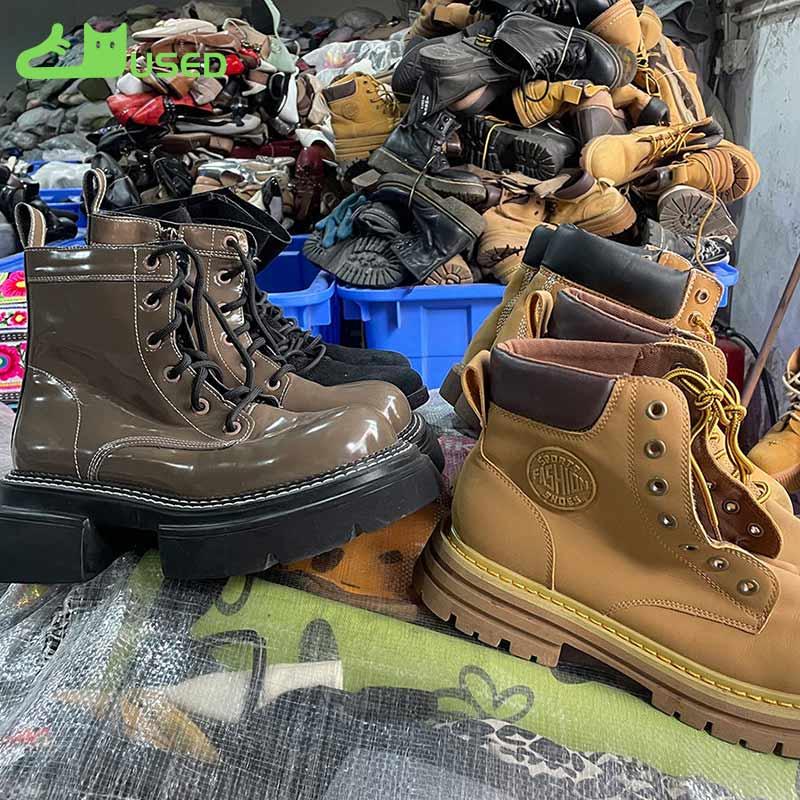
Women's footwear footage can display a broad collection while leaving the commercial mix uncertain. Flats, heels, sandals, boots and sneakers differ in construction, preparation workload and resale presentation. This page uses the video as an assortment index: it records which forms appear, which details are still hidden and which current-lot counts a buyer needs before approving a collection.
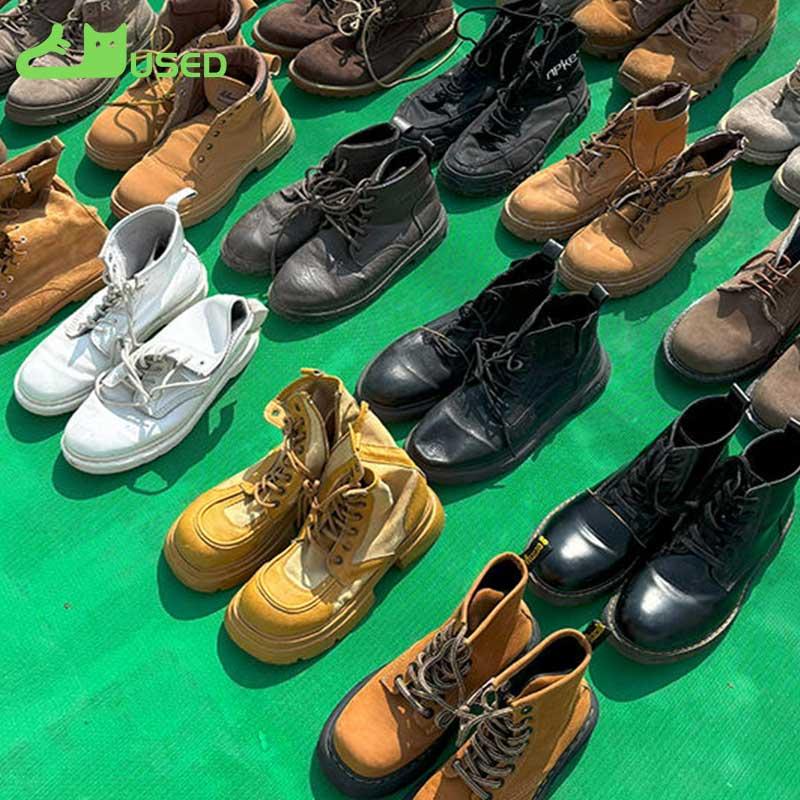
Begin by naming only visible constructions: flat, court shoe, sandal, ankle boot, tall boot, loafer, sneaker or another neutral form. Do not infer a brand, material or fashion season from appearance. Note whether the view shows complete pairs or loose shoes.
Repeat the scan from a different point in the recording and compare what changes. A crowded frame may exaggerate variety, while a close pass may overrepresent one lane. The Video observation boundary limits the result to forms visible in the recorded field.
neutral construction description
mates present or unresolved
overview close or partial
area hidden by stack or motion
For each visible form, mark whether the video offers a usable profile, front, heel, sole, closure and interior view. A heel needs geometry and attachment questions; a sandal needs strap-anchor and footbed checks; a boot needs shaft, zip or other closure review.
Empty matrix cells become evidence requests. They should not be filled with assumptions from another pair. Ask for ordinary examples from the actual proposed stock, with pair codes and readable size marks.
shape and mate comparison
height attachment and wear
function and anchor area
lining insole residue and marks
The matrix keeps camera coverage separate from evidence that must be supplied later.
| Form lane | Priority detail | Common hidden field | Required return |
|---|---|---|---|
| Flats/loafers | Sole edge and heel counter | Interior and size curve | Coded pair card |
| Heels | Heel geometry and attachment | Load history | Static component views |
| Sandals | Straps anchors and footbed | Closure function | Ordinary pair sample |
| Boots | Shaft seams and closure | Interior and packing pressure | Profile plus unit record |
A blank cell is an evidence request, not permission to borrow a conclusion from another shoe.
Record surface marks, upper deformation, outsole wear, loose-looking components and prior repair only when the area is clear. Then ask which findings enter routine cleaning, minor service, specialist hold or exclusion. A bright display pair cannot represent the labor attached to the rest of the collection.
Preparation changes presentation and may add cost, but it does not erase structural uncertainty. Require before-and-after records for authorized work and count final sale-ready pairs separately from gross intake.
within written physical boundary
approved routine task
component decision needed
outside product or condition scope
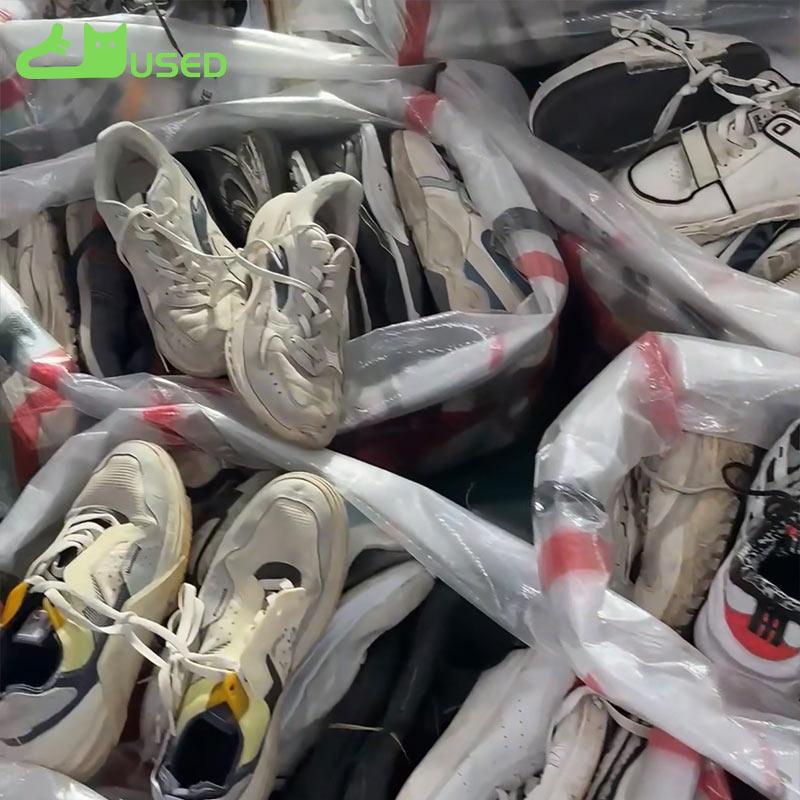
A moving collection view rarely makes every size mark readable. Request a pair register that matches left and right by model family, construction, color, marked size and comparable wear. Keep singles and conflicting labels outside accepted-pair totals.
Count released pairs by footwear form and marked-size band. If the supplier uses conversions, request the source and preserve the original mark. The collection value depends on usable cells, not the number of shoes passing the camera.
compatible form mark and wear
original readable value
form plus marked-size band
single unreadable or inconsistent
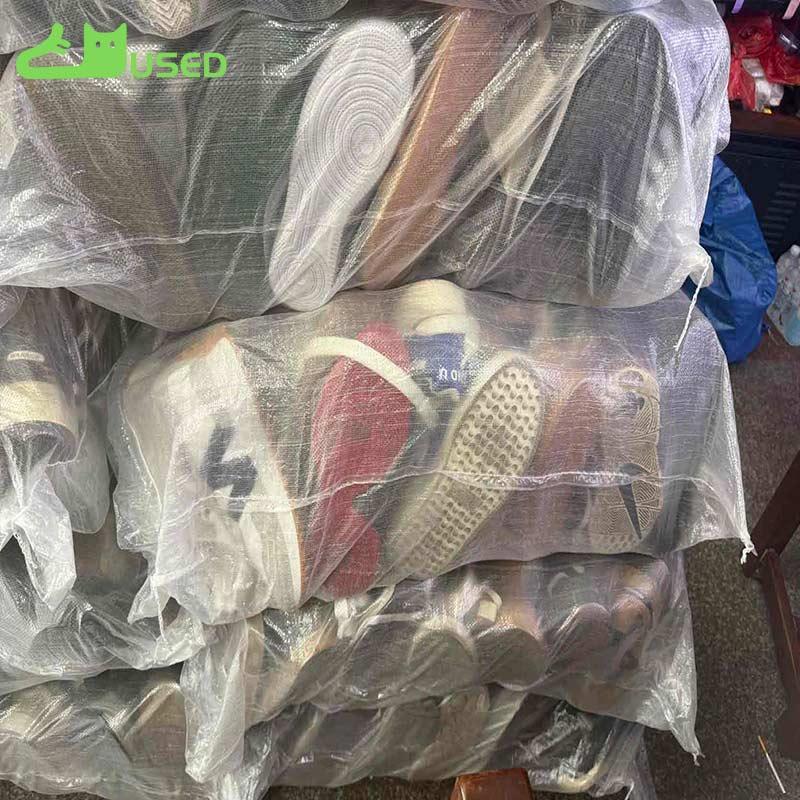
Display rows and packing units answer different questions. Use presentation footage to discuss form coverage, then request actual unit codes, count basis, weight, mix reference and closure date. Do not infer that attractive displayed pairs are evenly distributed across sealed units.
Ask how heels, ornaments, straps and boot shafts are protected from pressure and abrasion. Reopen a routine unit before loading and photograph the same form-size cells used in the assortment matrix.
visible category examples
coded commercial package
construction-specific handling
reopened contents against matrix
No. Request released pair counts by form and marked-size cell.
No. Use neutral surface descriptions unless reliable evidence supports composition.
No. Sample ordinary coded pairs and count work by disposition.
Limit accepted pairs, assortment cells, preparation hours and the review date.
A women's collection video is most useful as an index of forms and missing evidence. The used women's shoes wholesale collection sets the product range; complete-pair counts, component views, preparation records and coded units determine a trial.


Direct Factory Supplier of Used Shoes For African Markets In China
 Tel: +8618606960861
 Email: info@usedshoeswholesale.com
 MP/WhatsApp: +8618606960861
 Manufacturer Address:Cizao Town, Jinjiang City, Quanzhou City, Fujian Province