Author:Used Wholesale Manufacturer TIME:2026-08-11
Africa destination footwear matrix
Africa is not one used-shoe market, and climate does not determine sales by itself. A buyer should name the country, city or region, selling channel, use conditions, calendar, price tier, marked-size demand, grade and receiving capability. Climate becomes one operating input among route timing, customer records, outlet format and physical product evidence; it is not a shortcut to a continent-wide best-seller list.
Record relevant heat, rain, dust, mud, humidity, highland temperature or seasonal conditions for the specific destination and selling period using appropriate current sources. Then translate them into questions about material, openness, traction, drying, attachment, storage and packing.
Do not assume every warm place prefers sandals or every rainy area needs boots. Work, school, fashion, religious practice, transport and indoor use can create different requirements within the same locality.
dated local condition
named footwear role
construction question
no automatic demand
Distinguish market stalls, neighborhood shops, school-focused sellers, fashion resellers, regional wholesalers, mobile traders, online channels or other actual formats. Record offered stock, completed sales, requests, markdowns, returns and age where legitimate data exists.
Search suggestions and seller opinions can guide questions, but they are not volume evidence. A broad regional wholesaler may need variety; a specialist outlet may need narrow clean cells. Keep their results separate.
named format
stock available
dated transaction
unfilled request
Every row names the evidence needed before quantity is assigned.
| Decision | Local evidence | Product evidence | Boundary |
|---|---|---|---|
| Use conditions | Dated locality and period | Construction and material | No automatic demand |
| Channel | Offered and sold stock | Presentation and grade | No national generalization |
| Size | Requested and aged cells | Visible released marks | No universal curve |
| Arrival | Selling window and route | Packing and moisture | No timing guarantee |
The matrix is approved for one destination scope and expires when its evidence becomes stale.
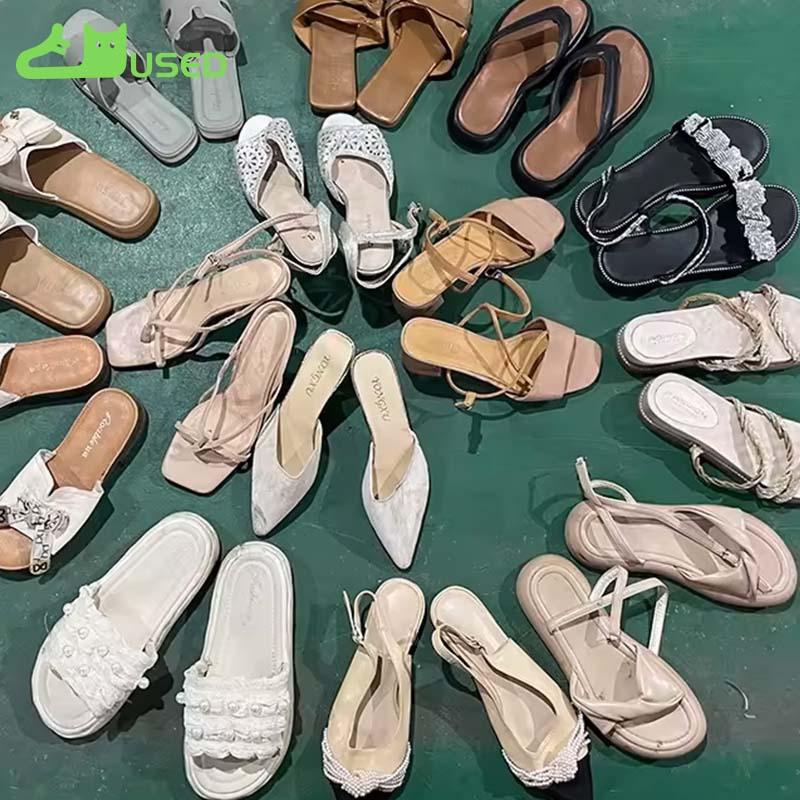
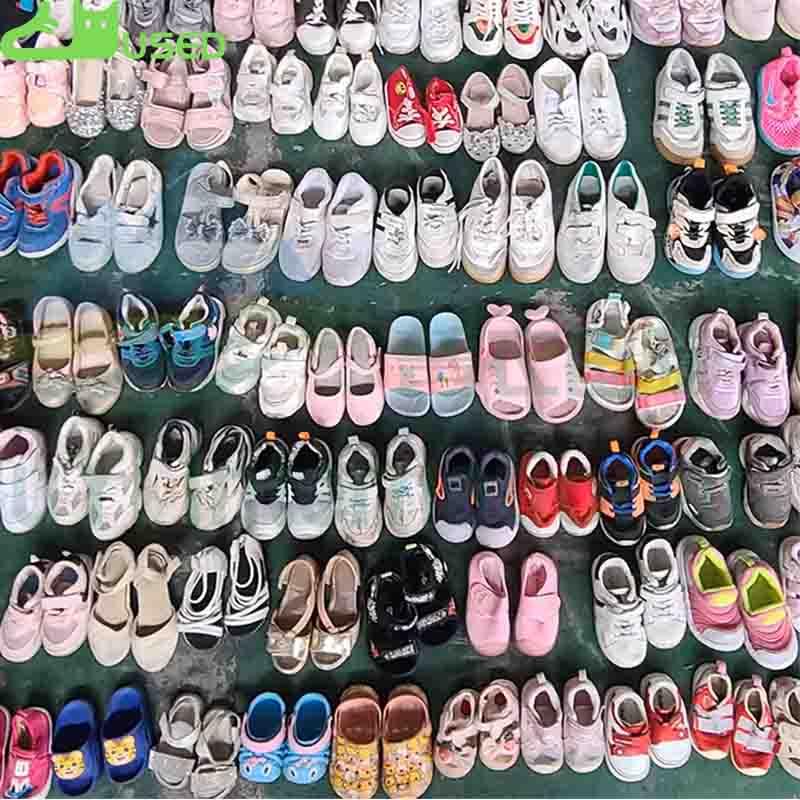
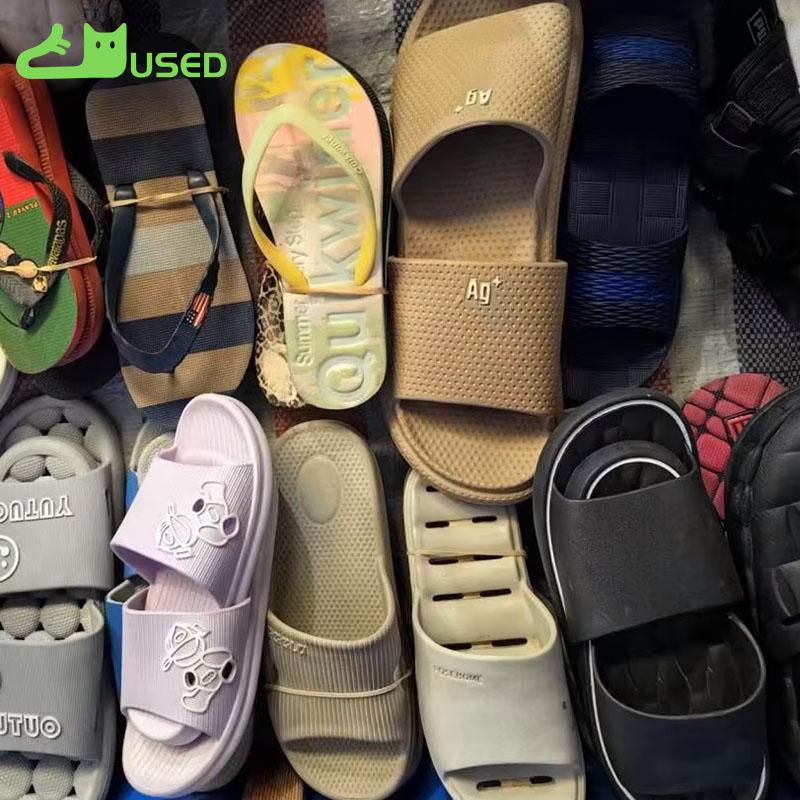
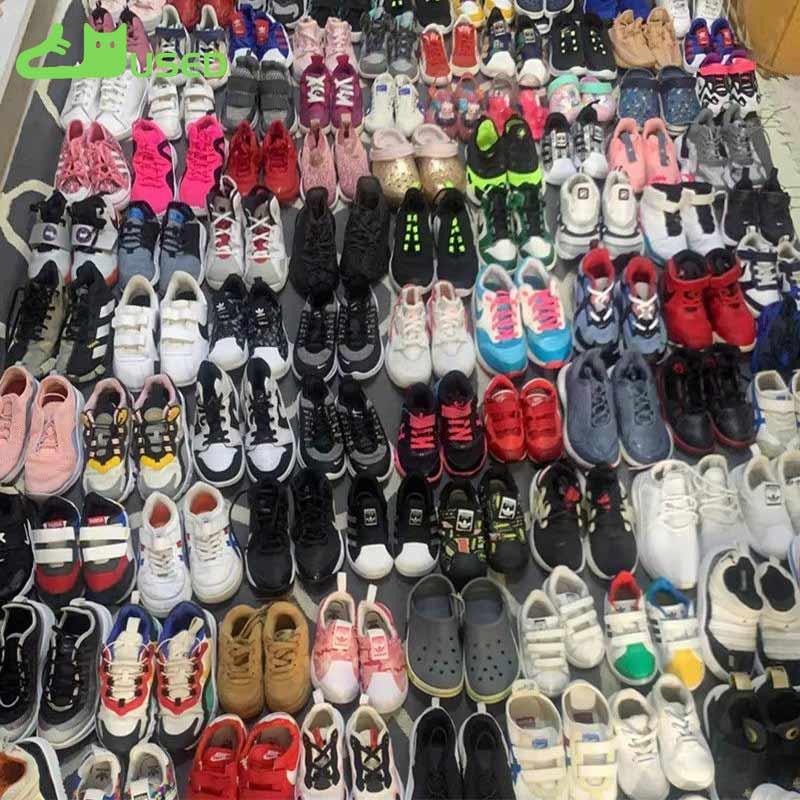
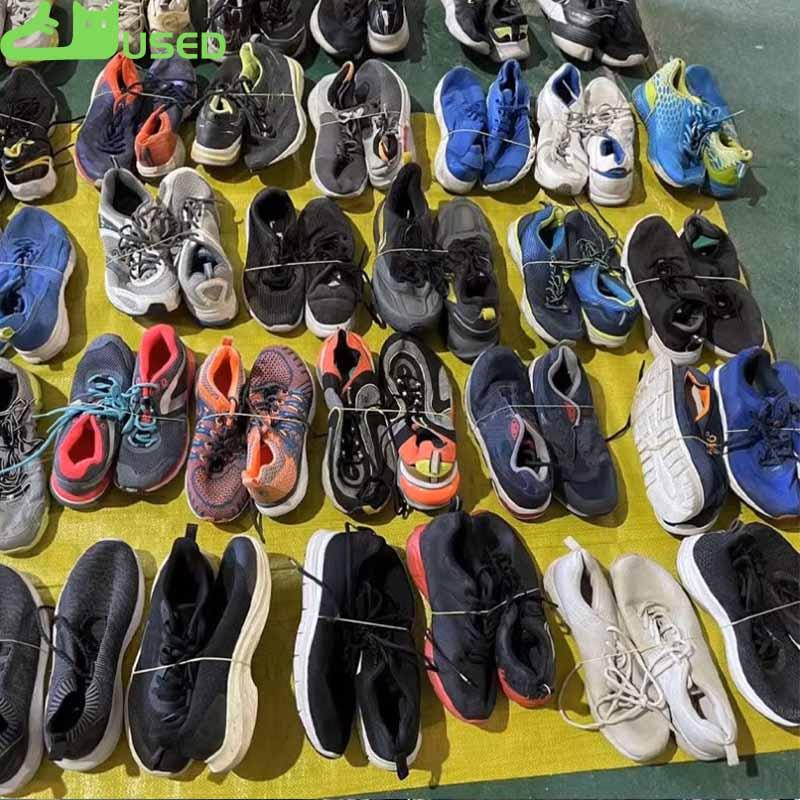
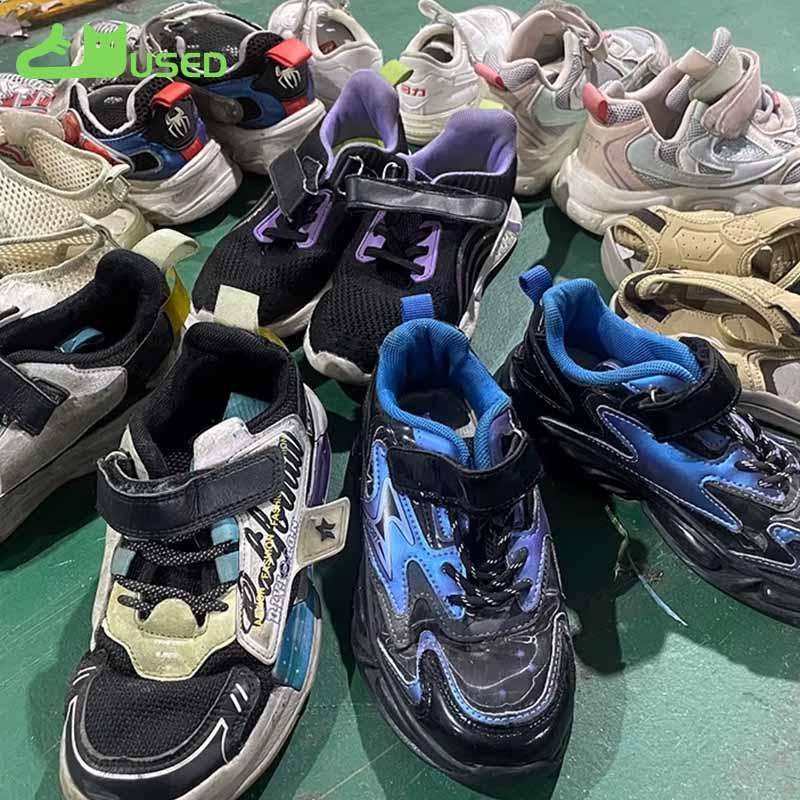
Common sneakers, casual closed shoes, children's footwear, sandals, slippers, office shoes, heels and boots can enter core, practical, specialist, seasonal or hold lanes. Assign a role only when the named channel and use evidence support it.
Add construction-specific inspection: sole and upper bond, closures, sandal straps, slipper posts, boot shafts, heel stability and child-use fastening. Product popularity cannot compensate for weak physical release.
recurring channel need
specific routine
limited evidence
no current lane
Cross-tab released pairs by category, visible sizing system and marked-size band. Keep unreadable or conflicting labels outside claimed cells. Use retailer and customer records to define requested ranges; avoid presenting one African size curve as universal.
Ask suppliers for current cell counts and written substitutions. A destination-fit matrix is a procurement instruction, not a promise that every available size will sell.
released category
visible size mark
local offered and sold
buyer approval
Include production, booking, port, customs, inland transport, receiving, preparation and local allocation. Use current qualified advice for import or regulatory requirements; do not rely on a general market article.
Season-sensitive pairs that arrive late may become storage. Moisture or compression risk also depends on packing and route conditions. Record scenario dates rather than guaranteeing arrival or demand.
channel date
named stages
qualified confirmation
dated scenario

Preselect ordinary coded units, inspect released yield and return the actual category-size cells. At receiving, compare grade, moisture, packing, count and mix before allocation. Then record outlet results by starting stock.
A trial supports only its country, channels, period and product scope. It does not establish a permanent preference for a whole nation or region. Keep weak cells and unallocated holds visible.
ordinary sample
same physical fields
named outlet cells
limited scope
Compare expected and observed physical yield, local allocation, transfers, markdown, returns and stock age. Separate supplier variance, route variance and demand variance. Revise category range, size tolerance, grade, packing or timing as evidence directs.
For the next inquiry, state country, locality, channel, use conditions, released cells, grade, ordinary sample, packing and arrival window. Require current counts and open gaps instead of a generalized Africa demand claim.
named destination
actual outlet
current released cells
versioned instruction
No. Test a named country, locality, channel, use and released product cells.
No. It informs product-use questions, while channel records support demand decisions.
No. Use visible marks and destination-specific offered, sold and gap records.
Confirm current requirements with a qualified broker, authority or appropriate adviser.
Only the measured country-channel-product scope and period.
Destination fit begins with a named African country and channel, not a continental ranking. The used shoes wholesale category defines product scope; the country-channel matrix controls the trial and reorder.

Direct Factory Supplier of Used Shoes For African Markets In China
 Tel: +8618606960861
 Email: info@usedshoeswholesale.com
 MP/WhatsApp: +8618606960861
 Manufacturer Address:Cizao Town, Jinjiang City, Quanzhou City, Fujian Province