Author:Used Wholesale Manufacturer TIME:2026-08-10
Men's footwear source-to-loading trail
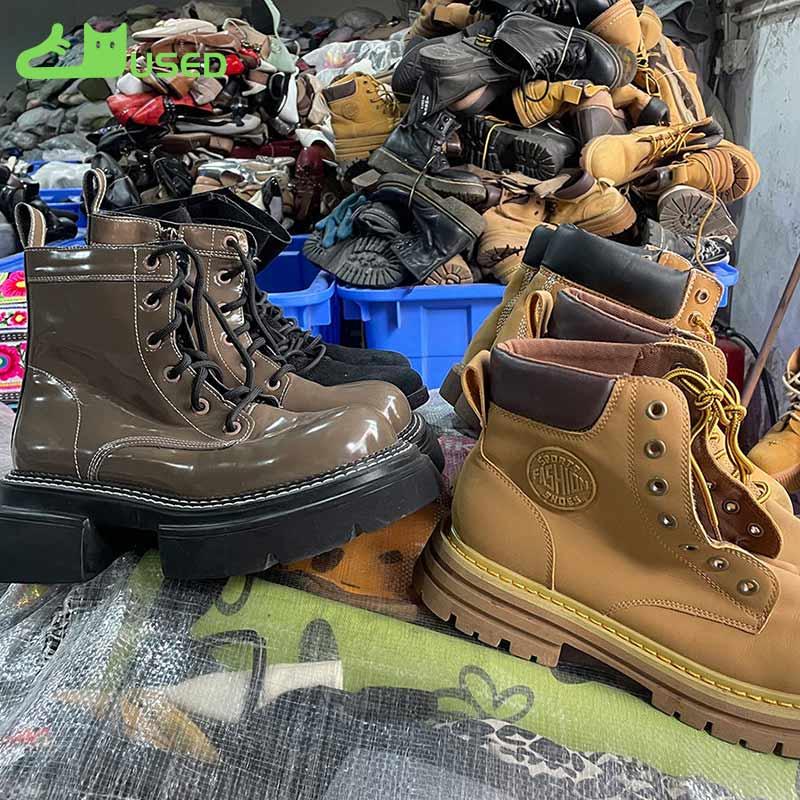
The phrase export from China identifies a commercial direction, not proof of origin, shipment, customs result or destination acceptance. A buyer can still use the existing men's shoe video to build a custody trail: identify the proposed stock, inspect form-specific condition, reconcile released pairs and connect them to coded units before loading.
Ask for the recording date, location owner, lot code and whether the camera shows ordinary stock, selected display pairs or a packing sample. Preserve the supplier's answer beside the file. Background details cannot establish origin or custody by themselves.
The Video observation boundary limits every note to the pictured subject. If the quoted inventory, grade, mix or packing date changes, request a new relation statement and updated evidence rather than carrying the older video forward.
when the file was created
ordinary sample or selected pairs
coded current-stock relation
trigger for refreshed evidence
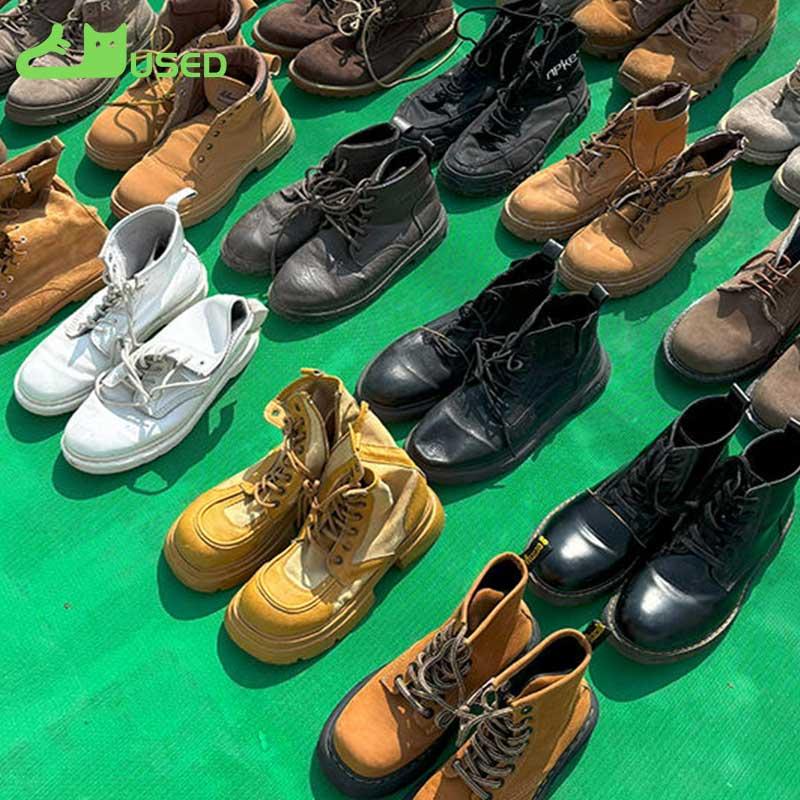
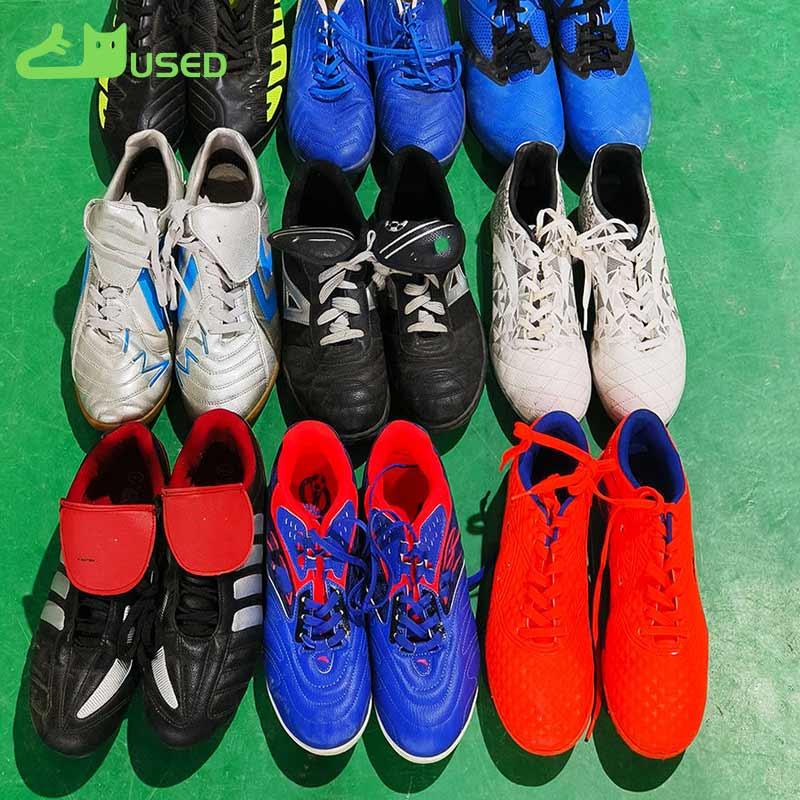
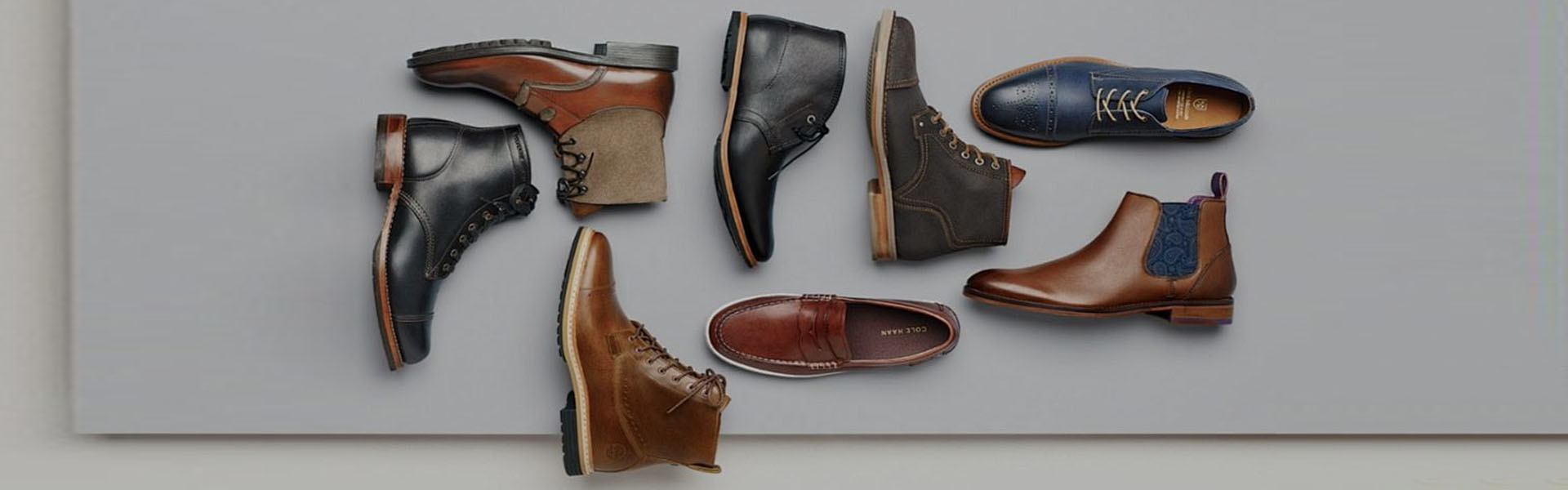
Separate visible sneakers, formal shoes, loafers, boots, sandals and other neutral forms. Apply common mate, size, interior and odor fields, then construction-specific checks for sole joins, heels, shafts, closures and footbeds.
Request ordinary coded examples when motion or stacking hides a component. A broad grade should not average different failure routes. Count passes, preparation holds, structural holds and exclusions within each form lane.
sole bond counter and outsole
heel edge upper and finish
shaft closure and perimeter
strap footbed and deformation
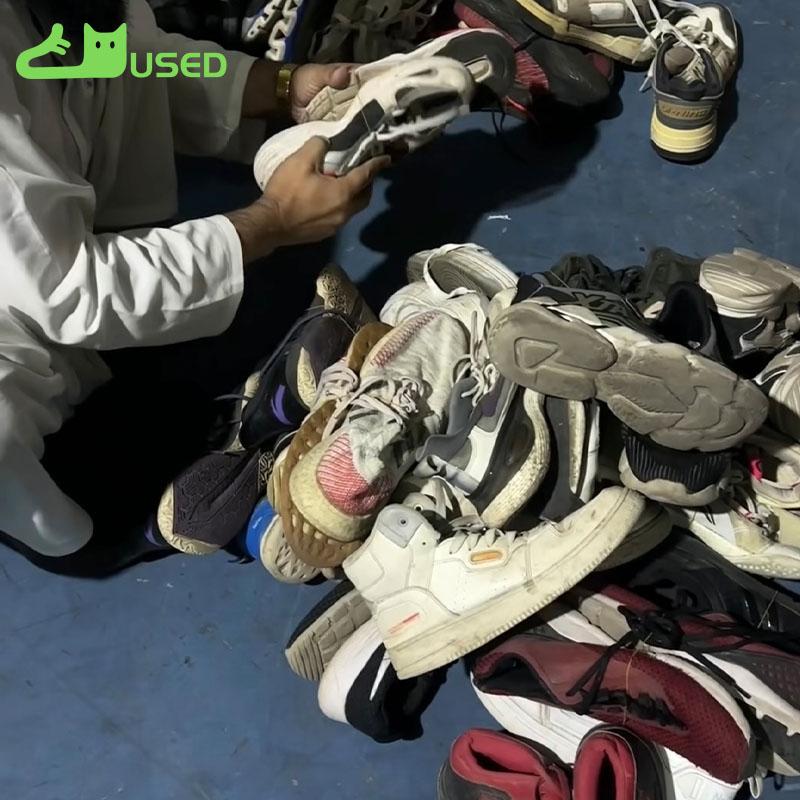
Begin with the commercial unit exactly as quoted. Record gross items or stated weight, matched pairs, readable marked sizes, inspected denominator, physical passes, completed preparation and final released pairs. Keep singles and unresolved items visible.
Do not publish a pair estimate from a weight conversion unless the method and tolerance are agreed. The ledger should explain every movement between intake and packing, including downgrades and rejected material.
original commercial basis
complete compatible mates
declared review denominator
final accepted pairs
The trail links each physical decision to the stock and package it controls.
| Custody point | Identity field | Physical field | Close condition |
|---|---|---|---|
| Recording | Date subject and lot relation | Visible forms and questions | Current-stock link |
| Release | Pair and package codes | Disposition denominator | Accepted pairs |
| Loading | Unit revision and seal | Count dryness and mix | Reopen passed |
| Arrival | Same unit codes | Repeated condition and count | Variance closed |
The chain documents stock movement without turning an export direction into an origin or customs claim.
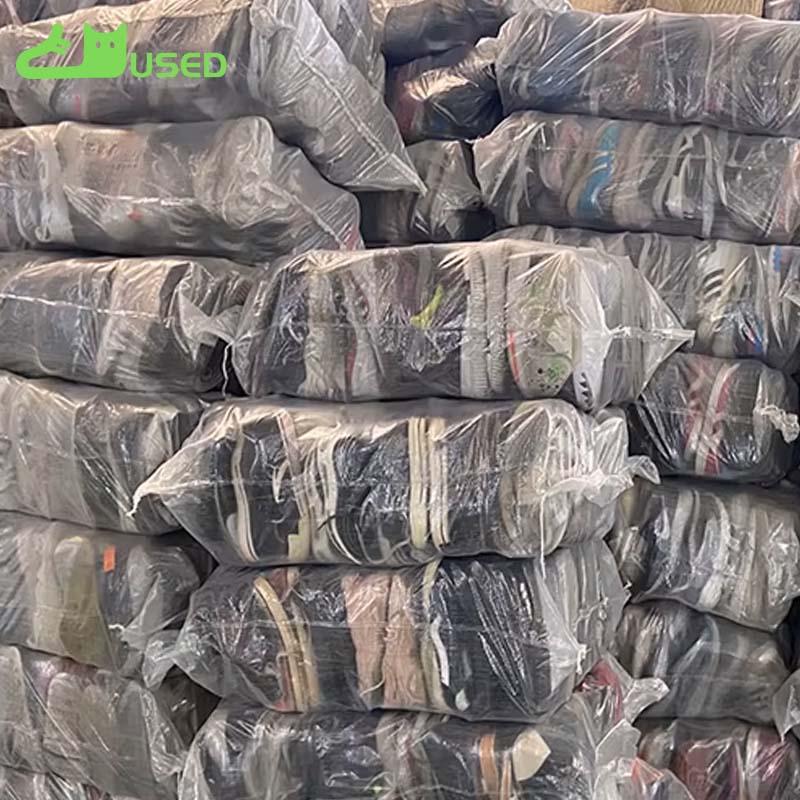
Label each bale, sack or carton with lot code, package code, accepted-pair basis, gross weight, form-size reference and closure date. Keep holds outside released packages. Record any reopening or repack as a new revision.
Use the footage to locate handling questions, not to declare that every unit follows the same process. Reopen a routine package before loading and compare count, dryness, shape and matrix cells with the approved file.
source inventory identity
stable unit identity
released count and mix
pre-loading verification
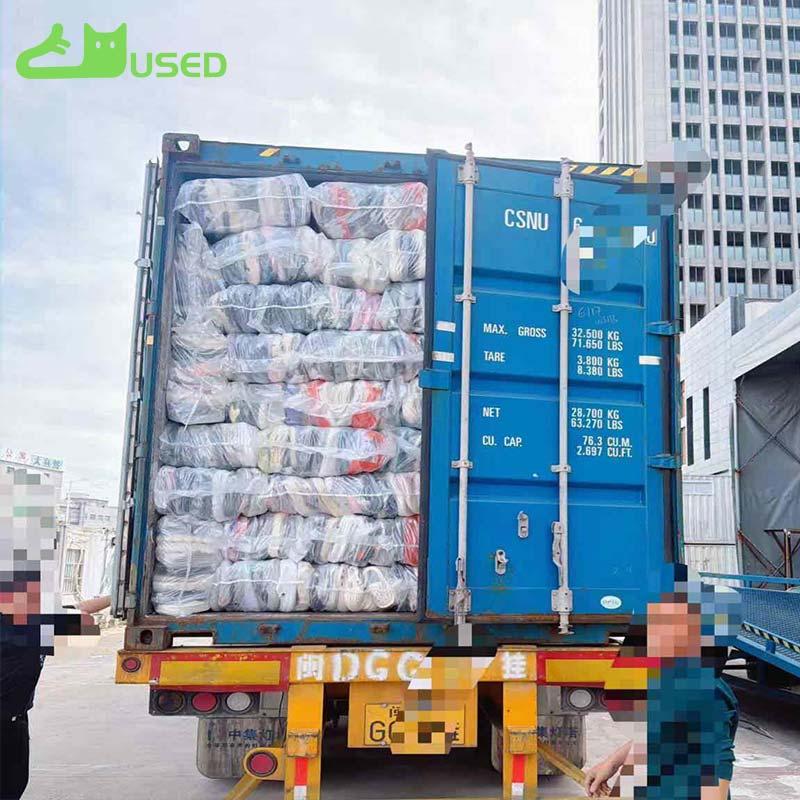
Align quotation scope, inspection result, identity wording, packing list and loading record under the same revision. State which tasks and documents are included without asserting a regulatory outcome.
The buyer remains responsible for destination requirements and appropriate professional review. A content page can require complete records, but it cannot guarantee import eligibility, customs clearance or compliance for an unnamed market.
unit price basis and scope
pair reasons and counts
package codes and contents
buyer-owned review
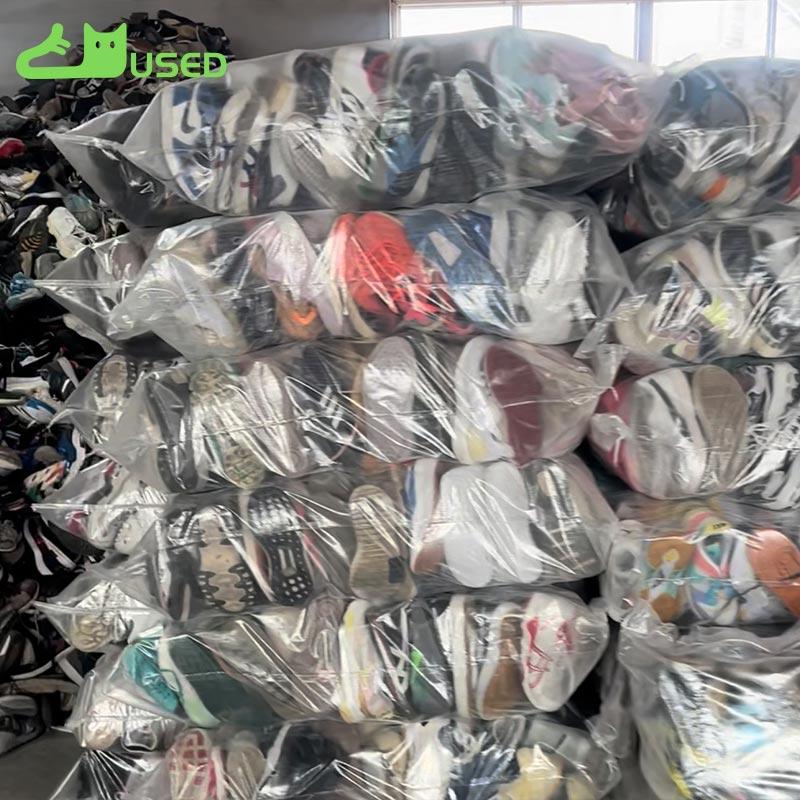
Photograph outer units and seals, then sample package codes. Repeat pair count, marked-size, construction, physical condition and preparation checks against the source file. Keep supplier and receiver findings separately dated.
Route transit damage, source variance, document gaps and unexplained substitution to different owners. The next purchase should revise one custody field from completed evidence, not from a general claim that the export was successful.
code seal and condition
count form and size replay
cause lane and evidence
release hold claim or revise
No. Require a documented stock and commercial relation.
Only under an agreed method; retain the original unit and counted evidence.
Changed inventory, grade, mix, packing date or unrecorded substitution.
Package identity, complete-pair count, form-size cells and physical condition reasons.
A men's footwear export video should anchor a custody trail, not a broad origin or delivery claim. The used men's shoes wholesale supply provides product scope; current-lot relation, released-pair counts, package codes and arrival replay govern approval.


Direct Factory Supplier of Used Shoes For African Markets In China
 Tel: +8618606960861
 Email: info@usedshoeswholesale.com
 MP/WhatsApp: +8618606960861
 Manufacturer Address:Cizao Town, Jinjiang City, Quanzhou City, Fujian Province