Author:Used Wholesale Manufacturer TIME:2026-08-11
Resale stock receiving control
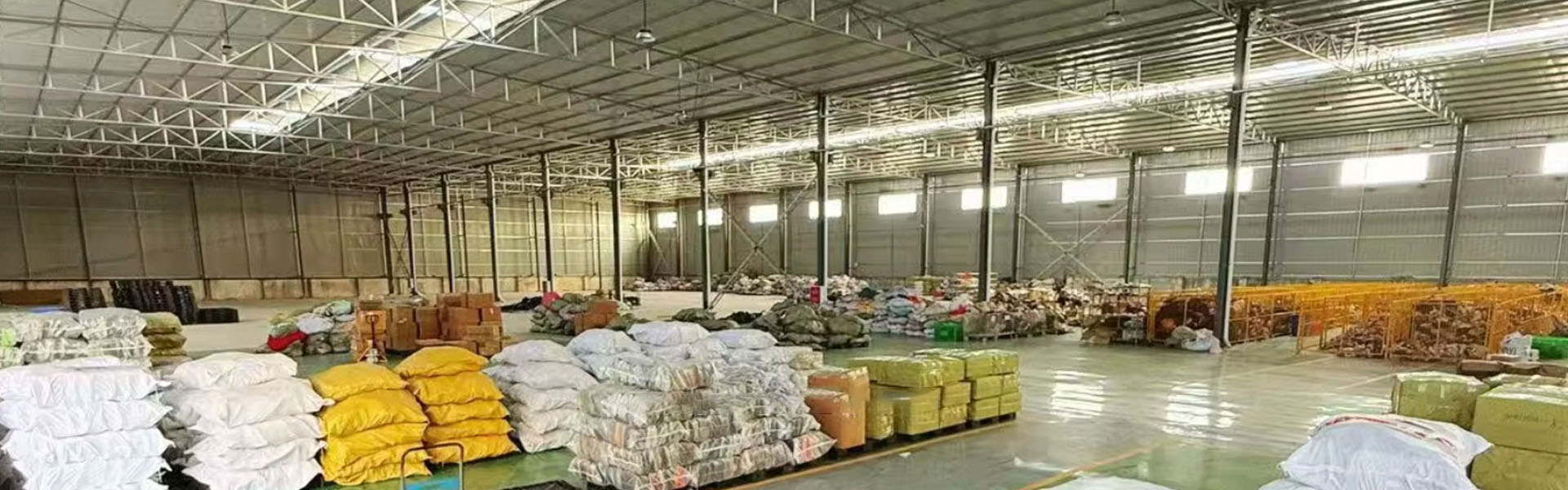
Arrival day for resale shoes wholesale stock is not a race to finish all cleaning. It is the short window in which the importer can preserve seals and package identity, detect shipment-wide exceptions, route opened pairs to named work queues and record what changed between dispatch evidence and receiving. A useful dock clock gives each uncertainty a location, owner and decision deadline before inventory is mixed into normal sales stock.
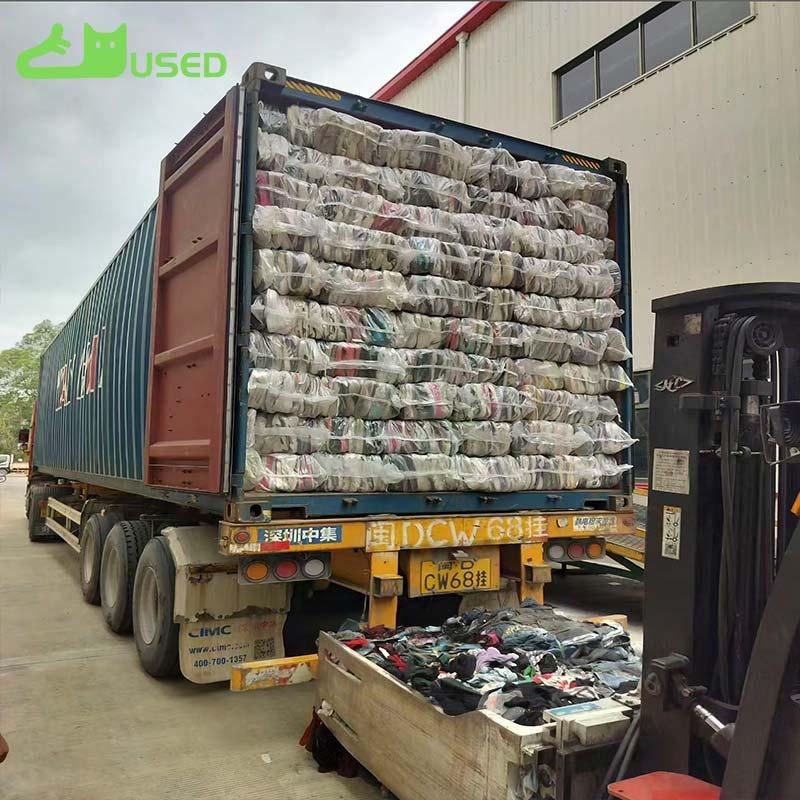
Photograph available seal information, vehicle or container condition, package count, torn wrapping, visible moisture and the unloading sequence. Keep differently marked grades or categories physically separate until the first reconciliation is complete.
A receiving note should distinguish observed arrival condition from assumptions about when damage occurred. Where pre-shipment records exist, preserve both versions for later comparison.
available identity
packages received
damage and moisture
unloading position
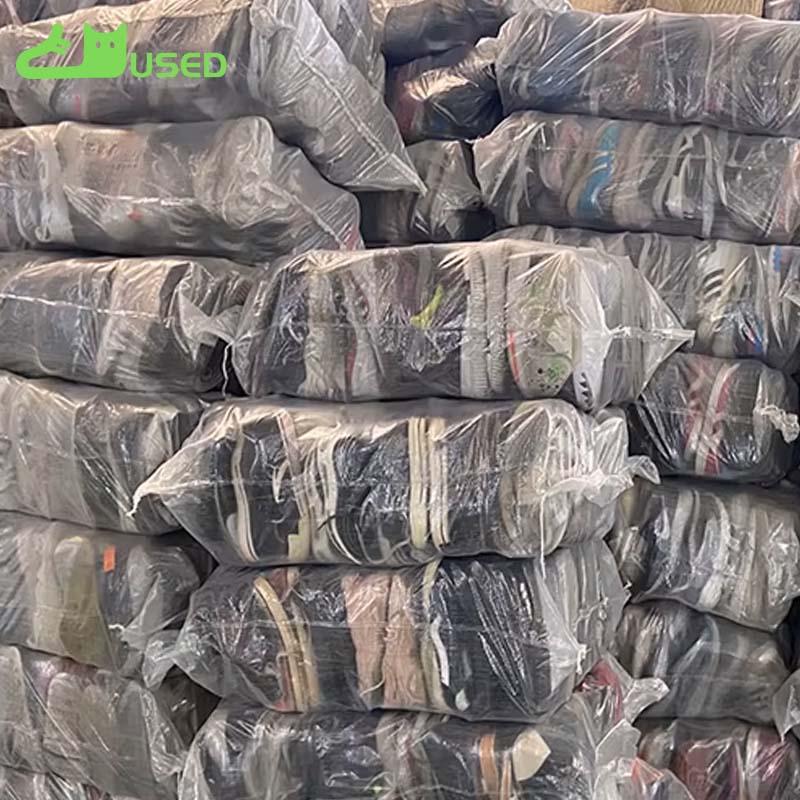
Select packages from different positions and record each mark before opening. Note compression, unusual odor, dampness, missing labels and obvious category change before pair sorting begins.
Do not open only convenient or attractive units. A distributed first look helps the team decide whether normal routing can continue or a broader hold is needed.
front middle rear
package identity
odor moisture or mix
continue or expand review
Time windows keep urgent evidence, normal work and unresolved stock from merging.
| Window | Required decision | Record retained | Escalation |
|---|---|---|---|
| Before movement | Accept unloading or preserve exception | Seal, exterior and package count | Dock lead |
| Distributed opening | Continue normal sample or widen hold | Position, mark and first signals | Receiving manager |
| Pair triage | Assign release, work, review or reject | Pair code and rule | Lane owner |
| Shift close | Reconcile all physical locations | Balance and open actions | Next-shift handoff |
| Seven-day review | Change one order instruction | Yield, labor and outlet evidence | Purchasing owner |
No pair should remain in an unnamed location after the shift balance closes.
Provide separate, labeled locations for package disputes, moisture review, severe odor, mismatches, structural failure and unidentified stock. Each location needs a count, owner and next decision time.
Isolation is an operational hold, not a claim that a cause or remedy is already known. Keep affected goods from being relabeled, cleaned or sold until the authorized route is recorded.
one observable issue
controlled area
named reviewer
release or escalation time
Use lanes such as immediate release, predictable material-specific cleaning, disclosed lower-value stock, repair estimate, claim evidence and reject. Check mate compatibility, size marks, upper, closure, heel, sole, interior and visible moisture against the written order rules.
The first lane is provisional when complete drying, specialist review or cost approval is still open. Staff should not hide uncertain pairs inside a cleaning queue.
ready for listed lane
defined preparation
open cost or evidence
outside approved boundary
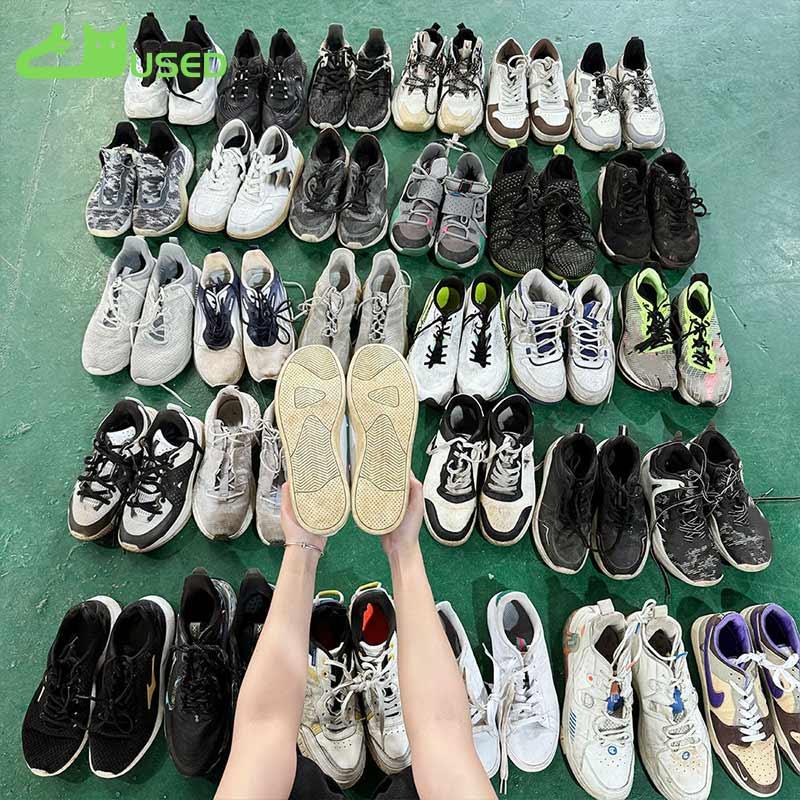
Group only pairs that share an approved work route. Leather, knit, synthetic, suede-like and mixed constructions may require different handling, drying and review. Record unknown materials instead of improvising one treatment.
Count queue size, operator time, drying space, reinspection and failed outcomes. A large cleanable lane can still delay cash recovery when warehouse capacity is insufficient.
known process family
approved scope
people and space
reinspect after completion
Link photographs, pair codes, package marks and reasons to the relevant order rule. Show patterns across identified units when available rather than treating one unusual pair as the whole shipment.
Record strong results as well as defects. The buyer needs to know which packing, grade language and category separation worked so a correction does not disturb reliable stock.
agreed boundary
affected units and pairs
representative evidence
specific resolution
Reconcile unopened packages, opened pairs, each triage lane and every controlled hold. Note missing records, unfinished work and the person responsible for the next shift.
Estimate provisional accepted-pair cost only from known release and work queues. Do not assign normal inventory value to unresolved holds merely to make the first-day balance look complete.
remaining units
pairs by lane
reason and owner
next shift action
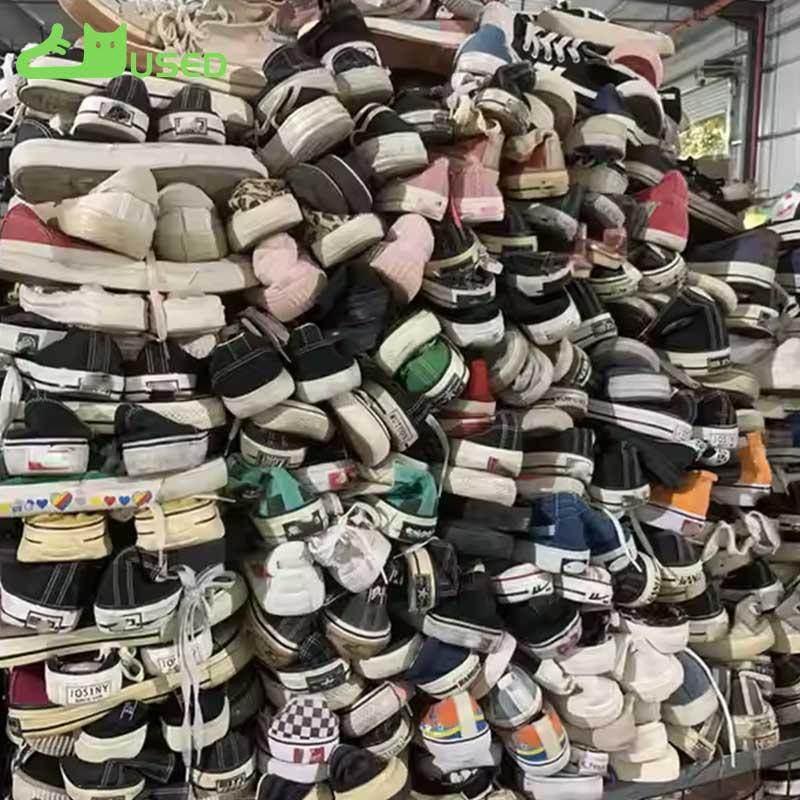
After the initial work cycle, compare immediate-release share, completed preparation, open holds, leading downgrade causes and time to reach each selling route. Seven days may not establish full demand, but it reveals avoidable receiving friction.
Change one measurable instruction such as category separation, package label, moisture barrier, size tolerance or excluded defect. Keep longer sales conclusions separate until enough exposure exists.
pairs ready by day
minutes by queue
repeated exception
dated supplier instruction
No. First preserve identity and assign a controlled queue; complete only authorized work within capacity.
Use the written escalation rule when distributed units show a repeated shipment-level concern.
No. Record the observation and use the approved review process without inventing a diagnosis.
Keep them in a separate coded lane unless an approved mate-reconciliation process resolves them.
Package-linked counts, representative evidence, the agreed rule and a specific requested response.
Arrival control is a timed evidence and routing process, not a general sorting pile. The used mixed shoes wholesale category shows the broad inventory family; package identity, named holds and measured work queues decide what actually enters resale. In the page inquiry, provide the package format, intended lanes, warehouse capacity and receiving exceptions that the supplier should address.


Direct Factory Supplier of Used Shoes For African Markets In China
 Tel: +8618606960861
 Email: info@usedshoeswholesale.com
 MP/WhatsApp: +8618606960861
 Manufacturer Address:Cizao Town, Jinjiang City, Quanzhou City, Fujian Province