Author:Used Wholesale Manufacturer TIME:2026-08-10
Men's footwear repeatability review
A men's shoe video may show a useful sample while saying little about repeatability. High quality and global wholesale are broad historical labels. The buyer needs to know whether the same form, size, condition and packing decisions can be reproduced across current packages and again at receiving.
Ask whether the pictured pairs came from one package, several units, display stock or a deliberate range. Preserve the selection statement, lot code and date. A sample cannot be interpreted without its source relationship.
The Video observation boundary restricts observations to clear pictured areas. It does not establish percentages, durability or fitness. Use gaps to define the next static evidence request.
current stock identity
where pictured pairs came from
forms and components visible
evidence still required
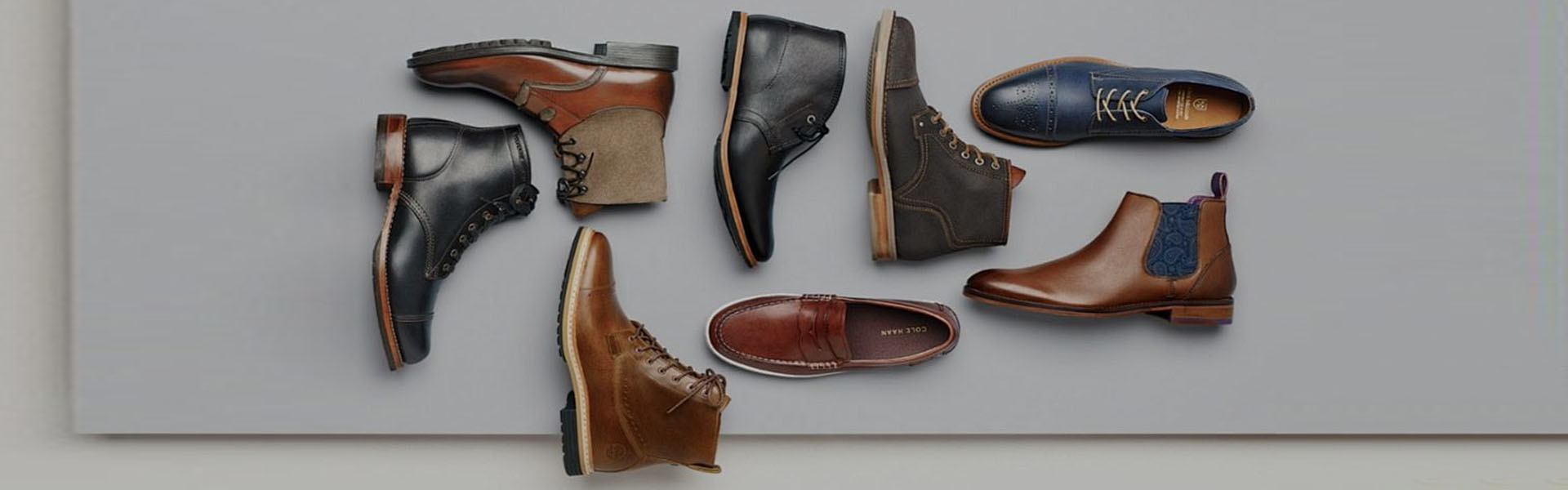
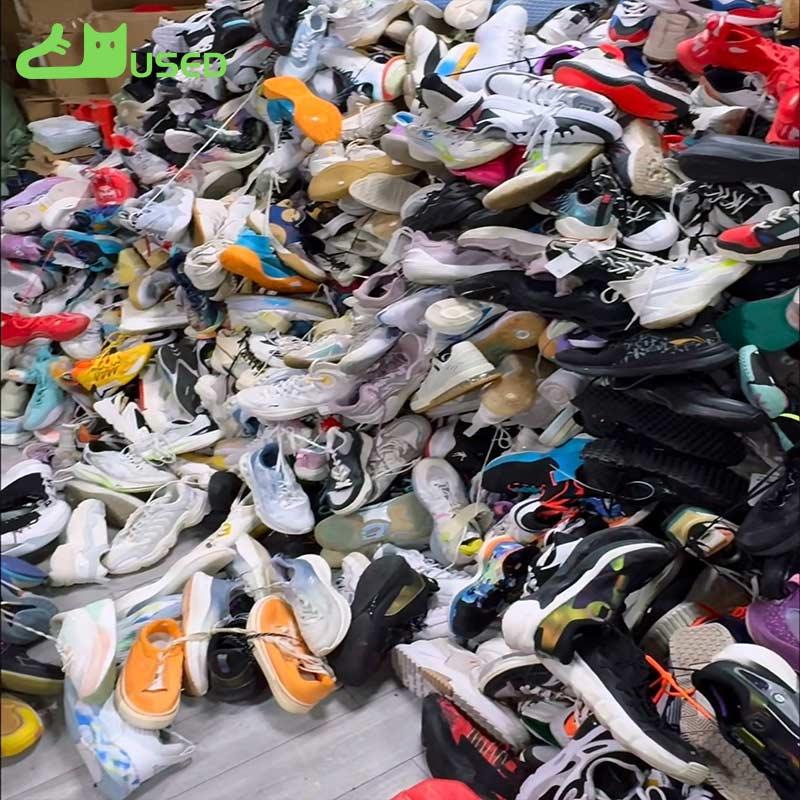
Create separate lanes for sneakers, formal shoes, loafers, boots and open footwear. Apply the same written reason codes to multiple coded pairs in each included lane. Compare mates, marks, sole edges, outsole, upper joins, heel or shaft, closures and interior.
Record variation instead of choosing one representative pair. A form passes only under the declared denominator and tolerance. Avoid universal quality language when one lane is weak or under-sampled.
neutral construction
coded pairs and packages
same component fields
approved variance boundary
Preserve original size systems and compare mates. Build form-size cells from complete physically released pairs. Do not convert marks automatically or assume the visible range is balanced.
Sample package codes and record which cells appear. If concentration exceeds the buyer's limit, revise the mix before loading. Size repeatability is a count question, not a visual impression.
original system and value
form plus marked-size band
where the cell appears
actual versus approved limit
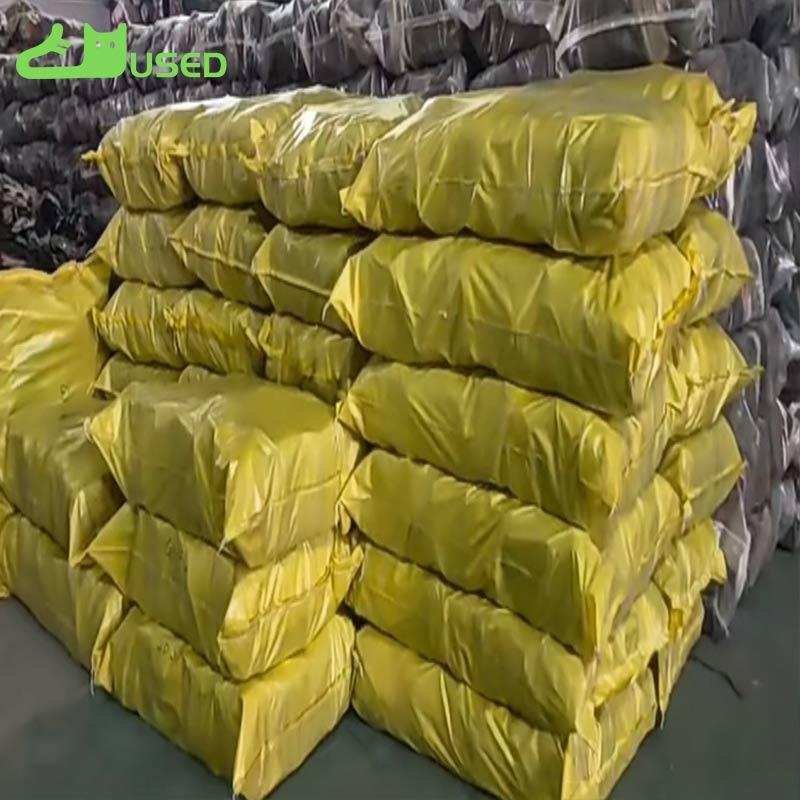
Separate sole separation, outsole loss, upper damage, heel or closure failure, interior holds, odor and preparation workload. Compare counts by form and package. Keep identity claims outside physical scoring.
A single average can hide a concentrated defect. Expand the affected route when tolerance is exceeded. Preserve excluded and unresolved pairs so released yield remains auditable.
observable component result
form package and denominator
release prepare hold reject
defined trigger and owner
The file compares the same decision fields across sample, package and arrival states.
| Repeat layer | Stable field | Variance measure | Decision |
|---|---|---|---|
| Form | Construction-specific reasons | Disposition by lane | Keep or expand |
| Size | Original marked-size cells | Package concentration | Approve or rebalance |
| Condition | Reason codes and denominator | Cluster by package | Release hold or sample more |
| Arrival | Same unit and pair fields | Source-receiver difference | Close cause and revise |
Repeatability exists only when the same method and fields can be applied to another coded sample.
Record package code, accepted pairs, form-size matrix, gross weight, protection and closure date. Reopen more than one unit where the trial design requires it. Compare count, shape and label accuracy.
At arrival, repeat a selected set before stock is merged. Source and receiver differences should be assigned to packing, transit, inspection or unresolved causes. Do not rewrite the source record to create agreement.
released package file
reopen and correction record
same package fields
evidence-based variance lane
No. Every replacement lot needs its own relation and current evidence.
Their critical components and failure routes differ.
Yes. Review reason counts by form and package.
Released form-size cells sampled across coded packages and checked again at receiving.
Men's footwear quality should be a repeatable method, not a label attached to one sample. The used men's shoes wholesale selection sets the product scope; form lanes, size cells, reason-level variance and new-lot resets control future buying.


Direct Factory Supplier of Used Shoes For African Markets In China
 Tel: +8618606960861
 Email: info@usedshoeswholesale.com
 MP/WhatsApp: +8618606960861
 Manufacturer Address:Cizao Town, Jinjiang City, Quanzhou City, Fujian Province