Author:Used Wholesale Manufacturer TIME:2026-08-11
Pre-owned designer inventory planning
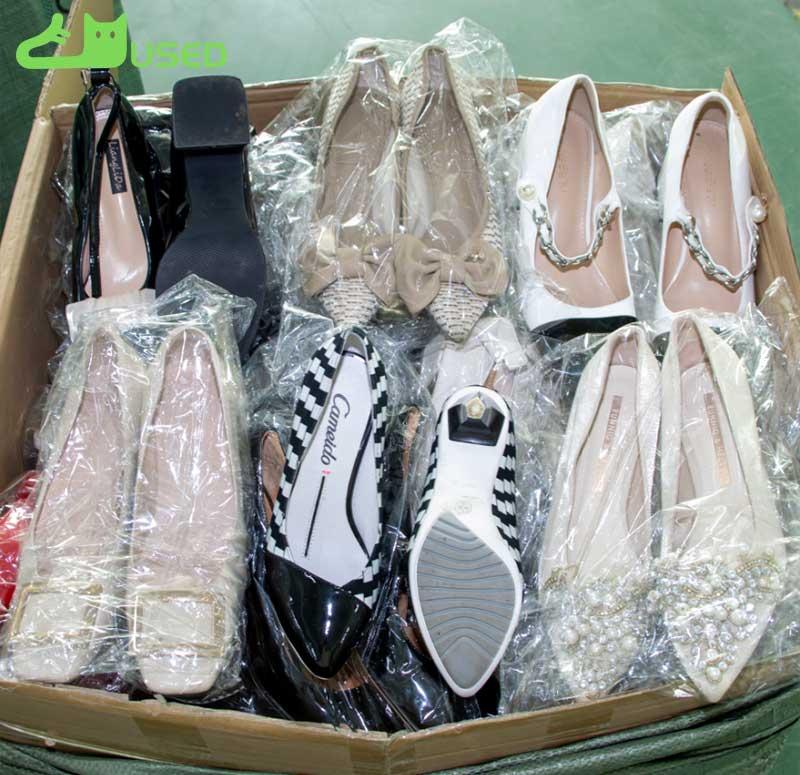
Pre owned designer shoes wholesale stock should be segmented by the work and capital each pair requires, not by a designer-looking silhouette alone. After product-claim scope and physical condition are recorded, the buyer still needs to decide whether photography, measurements, preparation, customer support, return exposure and holding time fit the intended outlet. This portfolio view prevents a few attractive pairs from hiding the cost of slow or unresolved inventory.
Describe the listing depth, evidence language, measurements, condition disclosure, packaging and customer support expected in each outlet. A managed premium listing and a disclosed value listing should not borrow the same promise.
Keep product-claim confidence and physical grade as prerequisite records. This segmentation begins after those facts are captured; it does not authenticate a pair or repair a failed structure.
detail and disclosure
questions and returns
pair-level protection
claims allowed
Record acquisition allocation, evidence review, photography, measurements, cleaning or qualified repair, packaging, listing time and expected return handling using the buyer's accounting method. Keep unknown work as an open budget item.
Use a pair code so accessories, images, notes and completed tasks remain together. A shared estimate across a mixed premium lot can hide the few items consuming most labor.
one pair and accessories
authorized tasks
listing and support
open cost reserve
Feature stock needs a complete supportable listing file, released condition and enough current outlet evidence to justify the service level. Steady stock accepts more visible wear or simpler presentation when disclosure and pricing remain clear.
Constrained exposure includes repair estimates, evidence holds, missing components, highly specific sizes or styles and any pair beyond the current work budget. Give this lane a review date and exit decision instead of a permanent premium forecast.
full service and released
bounded wear and simpler listing
open cost or narrow demand
review date and action
The board keeps service work and holding decisions beside the selling route.
| Portfolio lane | Release standard | Work and holding control | Exit decision |
|---|---|---|---|
| Feature | Complete listing file and released condition | High-touch budget approved | Maintain or transfer |
| Steady | Clear disclosure and routine service | Standard work ceiling | Sell through regular route |
| Constrained | Open evidence, repair or narrow fit | Named owner and review date | Resolve, simplify or decline |
| Aged | Previously released but slow | Days and markdown exposure | Transfer or close |
| Loss/claim | Outside sale boundary | Separate accounting record | Document final route |
The portfolio is scaled from released, serviceable inventory rather than best-case headline prices.
Confirm that the listing uses only supportable facts and that photographs show identifiers, pair shape, wear zones, soles, interiors and included accessories where relevant. Record measurements consistently and disclose material uncertainty.
Listability is not the same as visual attractiveness. Hold a clean pair when the approved claim, condition record or required customer information is incomplete.
supported facts
condition and identifiers
consistent method
present items only
Count how many pairs the team can review, prepare, photograph, list and support during the planned cycle. Reserve specialist work for pairs whose expected channel can absorb the cost and delay.
Do not open an unlimited repair or verification backlog. When capacity is full, narrow the next purchase, lower the service route or decline unresolved inventory.
files per week
completed pairs
publishable inventory
maximum open exposure
Build the initial price from accepted-pair cost, actual service work, current comparable evidence available to the buyer and the outlet's return exposure. Avoid fixed resale claims based on old platform screenshots or a brand name alone.
Define when a pair will be reviewed, transferred, simplified, marked down or held. A dated route makes slow inventory visible before it consumes the next buying budget.
approved lane price
dated checkpoint
alternate outlet
markdown hold or reject
Report inventory value by released feature, steady, constrained and closed-loss routes. Add open review, repair and listing work so capital exposure is not understated.
Set a purchase ceiling for each lane based on the business's own cash cycle and capacity. One unusually successful pair should not justify scaling a weak accepted yield across the entire lot.
active sellable value
work and evidence reserve
age by lane
next-buy limit
After the trial period, compare listing hours, inquiries, completed sales, markdowns, returns, unresolved holds and days held by lane. Separate lack of exposure from confirmed weak response.
Change the next request with a specific style, size, condition, evidence or work-capacity boundary. Keep the decision tied to the buyer's current outlets rather than claiming one universal designer market.
pairs actually listed
inquiries and sales
returns and work
next portfolio allocation
No. Use the approved claim file, physical release and complete listing work.
Open evidence, repair and narrow-demand pairs consume different labor and capital.
Record included accessories, but they do not replace shoe evidence or condition release.
Use the dated review route and actual outlet response, not an indefinite premium forecast.
Released share, work hours, listing exposure, returns, days held and capital by lane.
Designer segmentation is a portfolio capacity decision after claim and condition records exist. The used brand shoes wholesale category offers the wider supply context; service burden, holding exposure and a dated exit route determine how much of each lane the buyer can absorb. Use this page's inquiry route to state the target outlet, evidence level, preparation capacity and maximum constrained-stock share.

Direct Factory Supplier of Used Shoes For African Markets In China
 Tel: +8618606960861
 Email: info@usedshoeswholesale.com
 MP/WhatsApp: +8618606960861
 Manufacturer Address:Cizao Town, Jinjiang City, Quanzhou City, Fujian Province