Author:Used Wholesale Manufacturer TIME:2026-08-13
Resale-platform demand translation
Shoe resale sites can reveal listing language, category repetition, condition disclosure and price dispersion, but they do not prove wholesale demand volume or the quality of a used shoe bale. An importer needs a conversion desk that records where and when a signal was observed, translates it into a physical stock hypothesis, tests that hypothesis against current-lot evidence and lets accepted-pair cost plus destination sales decide the reorder.
Separate consumer resale platforms, specialist boutiques, general marketplaces and local social selling because each exposes different inventory and customer behavior. Note currency, location, listing age and whether the price is asking or completed-sale evidence where the platform provides it.
Use the record as a demand signal only. Listing frequency and visible prices do not establish search volume, margin, supply depth or how quickly the buyer can sell the same categories locally.
named platform type
relevant market
dated observation
signal not volume proof
Look for recurring footwear families, size gaps, wear language, photo standards, accessories, customer questions and discount behavior. Keep one-off headline listings separate from patterns observed across several records.
Record what is unknown, including final transaction price, returns, seller reputation and preparation already performed. Those gaps prevent retail listings from becoming an automatic wholesale specification.
repeated family
visible gaps or ranges
accepted disclosure
listing workload
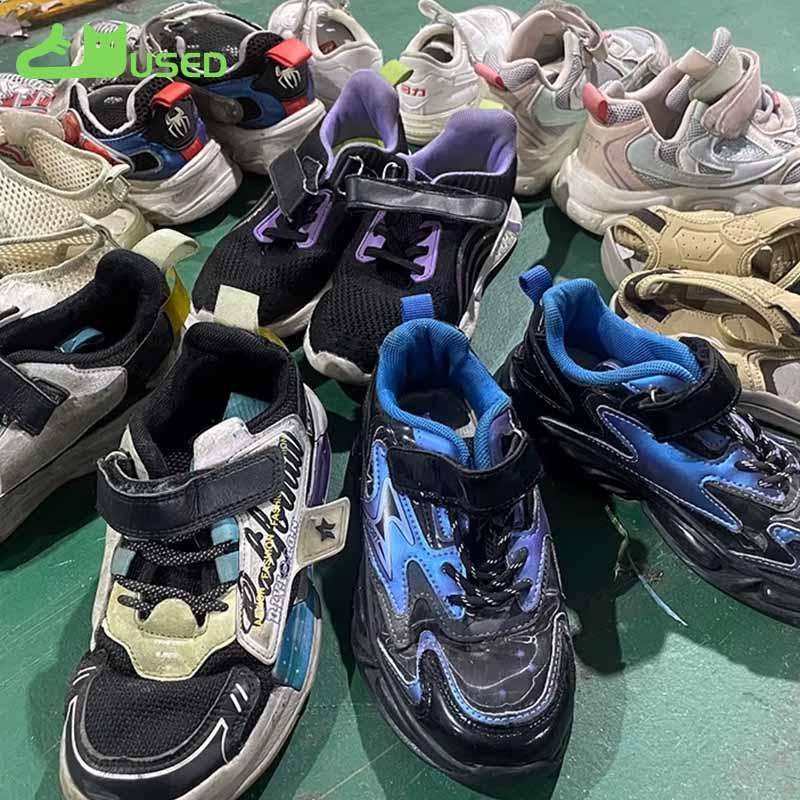
Write category inclusions, size tolerance, pair matching, grade boundary, excluded defects, branded-stock handling, package format and current-lot evidence. The request should explain which observed resale pattern it is testing.
Do not ask for hot shoes or profitable bales. Those phrases hide the physical variables the supplier can actually sort and the importer can check at receiving.
defined footwear type
size and mix range
observable boundaries
current identifiable stock
Each retail observation becomes a bounded hypothesis with physical proof and a stop rule.
| Observed signal | Wholesale hypothesis | Evidence required | Stop or revise trigger |
|---|---|---|---|
| Repeated category listings | Defined footwear family may fit outlet | Current-lot category sample | Weak or unstable ratio |
| Visible size gaps | Target range may need tighter coverage | Pair labels and size count | Mismatch or unusable curve |
| Condition price spread | Separate presentation lanes | Wear-zone and preparation sample | Work exceeds ceiling |
| Branded interest | Evidence-led subset only | Item-linked claim and condition record | Unsupported claim exposure |
| Fast listing turnover | Trial one destination outlet | Actual exposure and sale record | No accepted-pair economics |
The trial is expanded only when physical yield and destination evidence support the original signal.
Estimate photography, measurements, cleaning, descriptions, customer messages, packing and returns for the online lane. Compare that with the sorting, display, price-tier and replenishment work of a market or shop lane.
The same pair can have different commercial value in each route. Assign the intended destination before selecting a bale ratio instead of assuming online price signals transfer unchanged.
detail and return workload
size and replenishment
price-tier coverage
alternate route
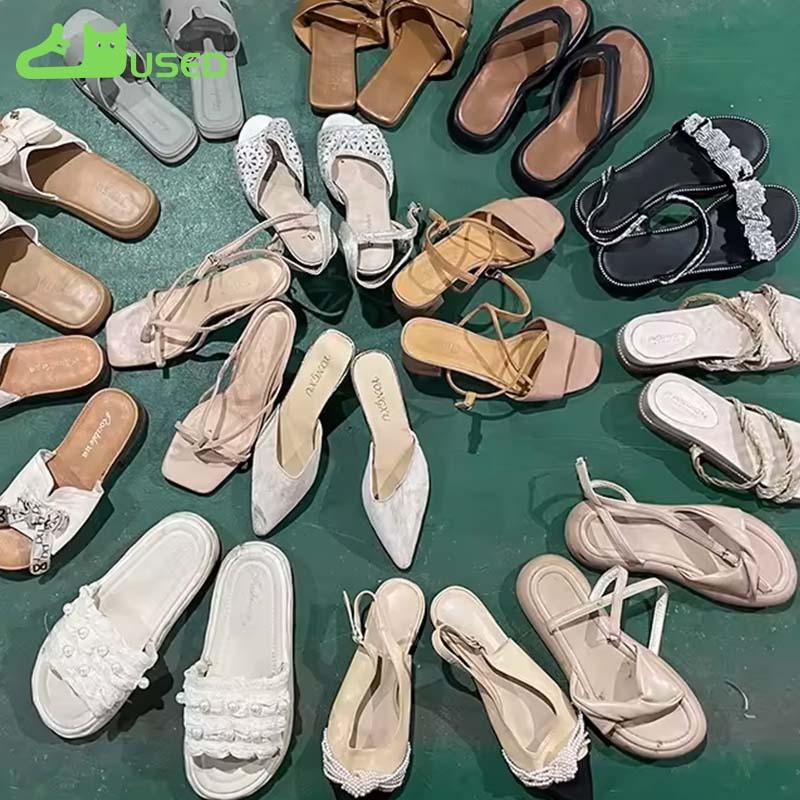
Request a warehouse-to-package record with distributed units and pair close views. Review compatible mates, size marks, category, upper, closure, heel, sole, interior, moisture signs and packing identity against the hypothesis.
A strong retail signal does not excuse weak random evidence. Narrow or stop the request when accepted yield, condition or category spread cannot be supported.
lot and package marks
distributed units
condition and match
continue narrow or stop
Combine purchase allocation, freight, applicable charges, unloading, sorting, preparation, photography, packaging, returns allowance, holds and rejects using the buyer's accounting method. Divide by pairs released to the intended channel.
Keep channel labor visible. A pair that appears valuable online can be commercially weak when listing work, narrow sizes or slow turnover exceed the local route's capacity.
order and logistics
channel-specific work
hold reject and return
released pair cost
Choose a trial quantity and package spread that can measure the selected category and grade hypothesis without combining too many changes. Predefine receiving lanes and the outlets that will expose released pairs.
Record actual listing or display exposure, inquiries, completed sales, transfers, markdowns and returns. Lack of exposure should not be misreported as lack of demand.
one buyer hypothesis
bounded exposure
planned release
sale and friction record
Compare the original platform observation with accepted-pair yield, preparation burden and actual outlet response. Identify which part of the hypothesis held and which part failed.
Revise one category, size, condition, packing or channel rule. Refresh the platform observation date instead of treating an old screenshot as a permanent market fact.
supported route
remove weak variable
better outlet
unsupported economics
Give the supplier category language, tolerances, defect boundaries, sample requirements, package marks and the measured receiving result. Explain which variable should change in the next lot.
Keep retail prices and platform observations as buyer-side context unless both parties explicitly need them. Supplier performance should be evaluated against the written physical order rule.
measurable stock rule
current-lot file
receiving evidence
one sort change
No. Separate listing supply from completed-sale evidence and test the destination outlet.
Not alone. Calculate accepted-pair cost, preparation, exposure and return risk.
Start with a defined category, condition boundary and size hypothesis that the supplier can sort.
Use an item-linked evidence route and never infer support from appearance or headline price.
Before a reorder or whenever the market, outlet, season or source evidence has materially changed.
Resale platforms are observation sources, not bale approval systems. The used mixed shoes wholesale category supplies the broader product context; dated signals, current-stock proof, accepted-pair cost and real outlet exposure must support the order. Through the existing inquiry form, send the category hypothesis, destination route, grade limits and trial evidence you want the supplier to prepare.

Direct Factory Supplier of Used Shoes For African Markets In China
 Tel: +8618606960861
 Email: info@usedshoeswholesale.com
 MP/WhatsApp: +8618606960861
 Manufacturer Address:Cizao Town, Jinjiang City, Quanzhou City, Fujian Province