Author:Used Wholesale Manufacturer TIME:2026-08-13
Used-shoe first-bale pricing
The first opened bale does not reveal one correct selling price. It reveals a set of costs and usable routes: how many pairs can be released immediately, how many need bounded preparation, which sizes and categories fit each outlet, and how much stock remains on hold. A pricing ledger keeps those findings beside exposure, markdown and cash timing so one attractive pair cannot set the price for an entire shipment.
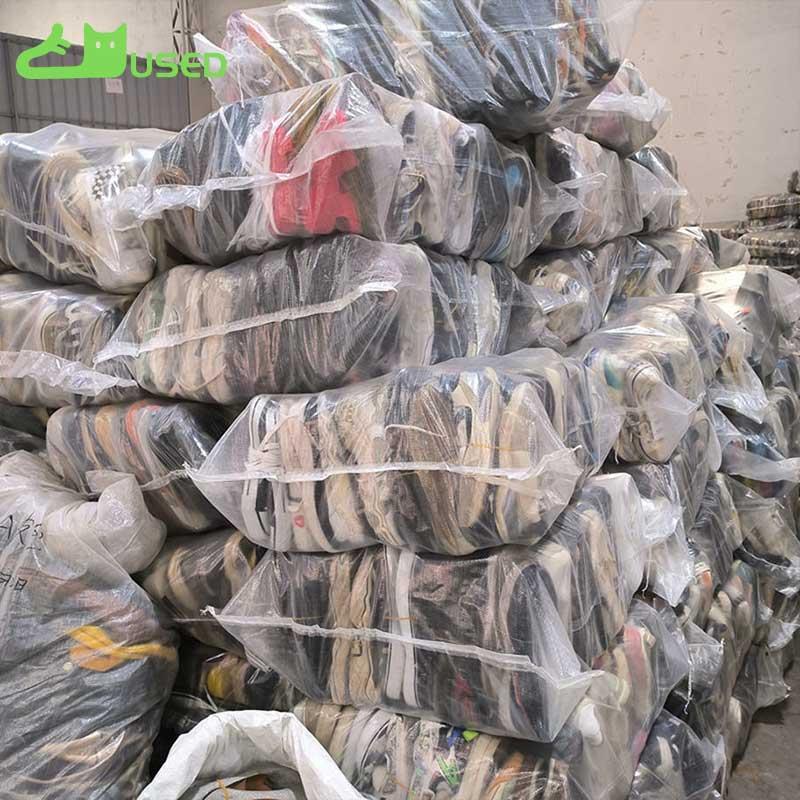
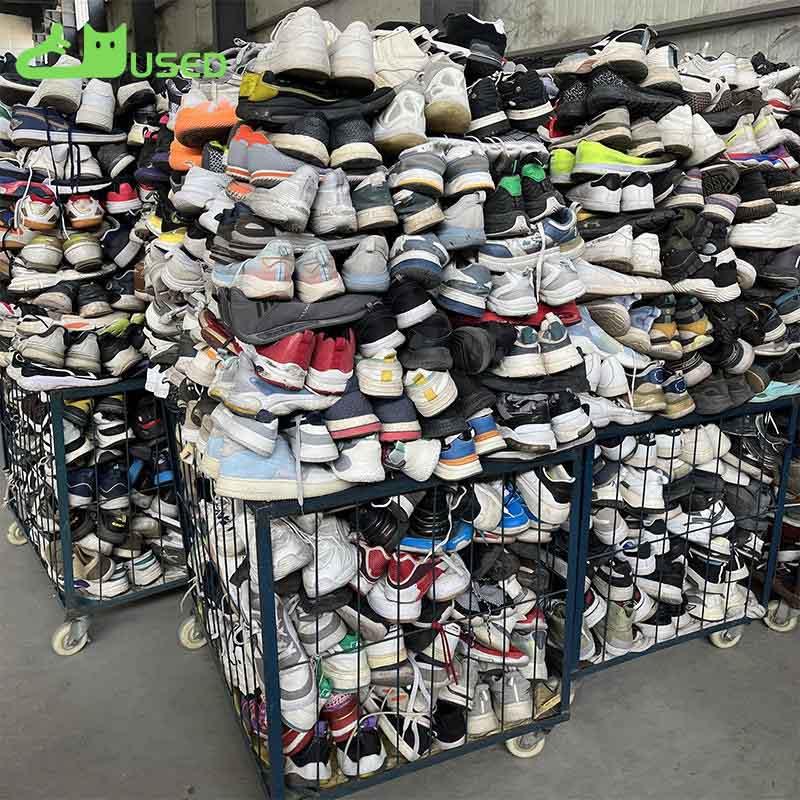
Photograph the package mark and condition before mixing its contents with other inventory. Count paired, unmatched and unidentifiable units, then assign a simple code that stays with every released, work, hold or reject decision.
A convenient bale is not automatically representative of the shipment. Record its loading or storage position and continue with distributed packages before treating its yield as a purchasing conclusion.
mark and position
matched count
unmatched or unknown
coded outcome
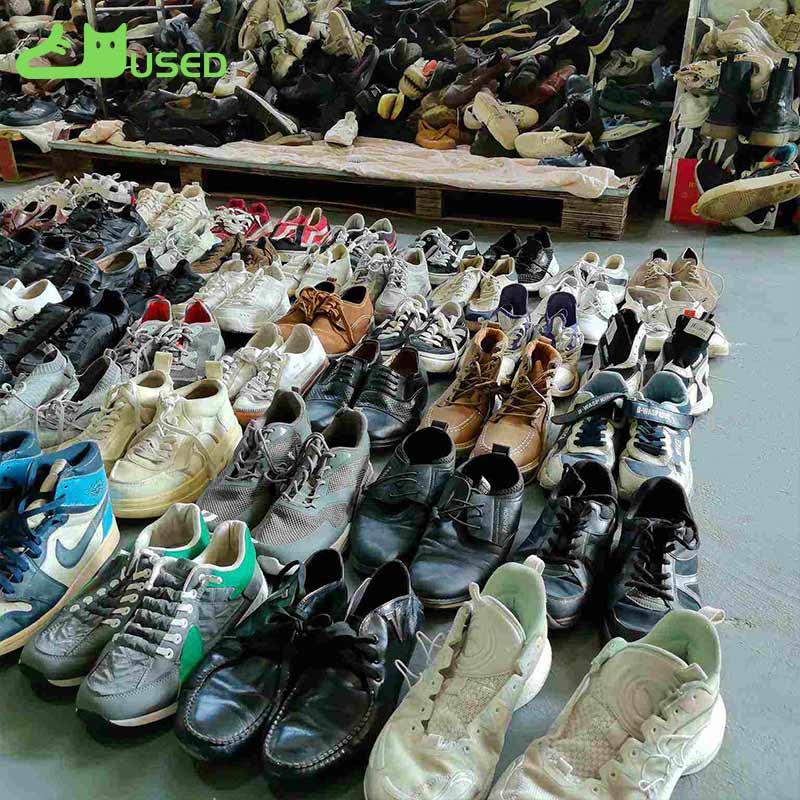
Check mate compatibility, marked size, category, upper, closure, heel, sole attachment and interior against the written lane rules. Count immediate release separately from preparation, downgrade, evidence hold and reject.
Do not divide landed cost by every physical pair when some pairs cannot enter the intended outlet. The relevant denominator is the number released to a named route after required work and review have been recognized.
sale route confirmed
known work within ceiling
decision still open
outside approved boundary
Track cleaning, drying, minor authorized repair, measurements, photography, description, packaging and reinspection separately. Record failed work as well as successful releases so labor is not hidden inside the good pairs.
Unknown materials or structural questions require their approved review route. A low labor estimate should never justify an improvised process or an unsupported claim about hygiene or durability.
defined work scope
actual operator time
pairs per cycle
work that did not release
Define what the shop, market, online or wholesale transfer route includes: cleaning level, measurements, photography, customer questions, packaging and return handling. Match pairs to the route that can explain their condition and absorb the work.
Use current evidence from the buyer's own outlets when setting an initial price. Asking prices elsewhere can inform a hypothesis, but they do not prove a completed sale, margin or local turnover.
simple display and price tier
size and replenishment
detail and return workload
alternate wholesale route
Each step requires a released pair, a known service burden and a dated outlet test.
| Pricing step | Required record | Cost treatment | Next action |
|---|---|---|---|
| Immediate release | Lane and condition confirmed | Landed allocation | Test opening price |
| Prepared release | Task, minutes and reinspection | Add actual service work | Price for chosen route |
| Disclosed value | Visible wear and permitted wording | Lower service ceiling | Use bounded outlet |
| Hold | Open evidence or structure question | Capital reserve | Resolve or transfer |
| Aged cohort | Exposure and review date | Markdown/transfer effect | Close or revise buy |
The ladder is reviewed from released inventory and observed outlet behavior, not best-pair value.

Combine purchase allocation, freight, applicable charges, unloading, sorting, completed preparation, packaging, selling fees, expected return handling and recorded loss using the buyer's accounting method. Keep unresolved pairs in a visible reserve rather than silently spreading them across released stock.
The ledger should show both cost per released pair and capital still tied in work or hold queues. That distinction prevents a promising selling price from masking slow cash recovery.
shipment allocation
route-specific work
open holds and returns
cost per sellable pair
Select enough pairs across the main size, category and condition lanes to test the proposed price points. Record display or listing dates, customer inquiries, completed sales, transfers, returns and unavailable exposure.
No response has different meanings when an item was never displayed, displayed briefly or repeatedly viewed without purchase. Preserve that context before changing the price or judging the category.
defined released pairs
where and when offered
inquiry, sale or return
price or route action

Choose review dates suitable for each outlet and record the action available at each point: retain, improve disclosure, transfer, simplify service, mark down or close. Keep seasonal and capacity constraints visible.
Do not wait for an indefinite ideal customer while the next purchase uses the same cash. Age by route and unfinished work should be reviewed beside gross selling price.
planned checkpoint
days since release
retain, transfer or markdown
capital still tied
Compare released yield, labor, size and category fit, selling exposure, markdowns and returns across distributed packages. Separate a weak first package from a repeated shipment pattern.
Revise one measurable specification such as category share, grade boundary, size tolerance, package weight or excluded defect. Price discovery should make the next purchase more precise rather than merely producing a new retail price list.
by bale and route
work, hold and return
actual outlet evidence
one purchase rule
No. Use released yield and route-level costs across the measured sample.
Record actual tasks and failed work, then allocate cost using the buyer's stated method.
Keep it in a transfer or hold route rather than assigning a speculative retail value.
Use a dated review based on actual exposure and the outlet's normal sales cycle.
Compare several distributed bales and change only the variables supported by repeated results.
Pricing after the first bale is an evidence cycle, not a single markup calculation. The used mixed shoes wholesale category shows the wider supply family; released yield, real work, outlet exposure and a dated exit route determine the price ladder. In the page inquiry, state the target channels, package format, preparation ceiling and receiving data needed for a trial.

Direct Factory Supplier of Used Shoes For African Markets In China
 Tel: +8618606960861
 Email: info@usedshoeswholesale.com
 MP/WhatsApp: +8618606960861
 Manufacturer Address:Cizao Town, Jinjiang City, Quanzhou City, Fujian Province