Author:Used Wholesale Manufacturer TIME:2026-08-13
Used Crocs-style clog intake
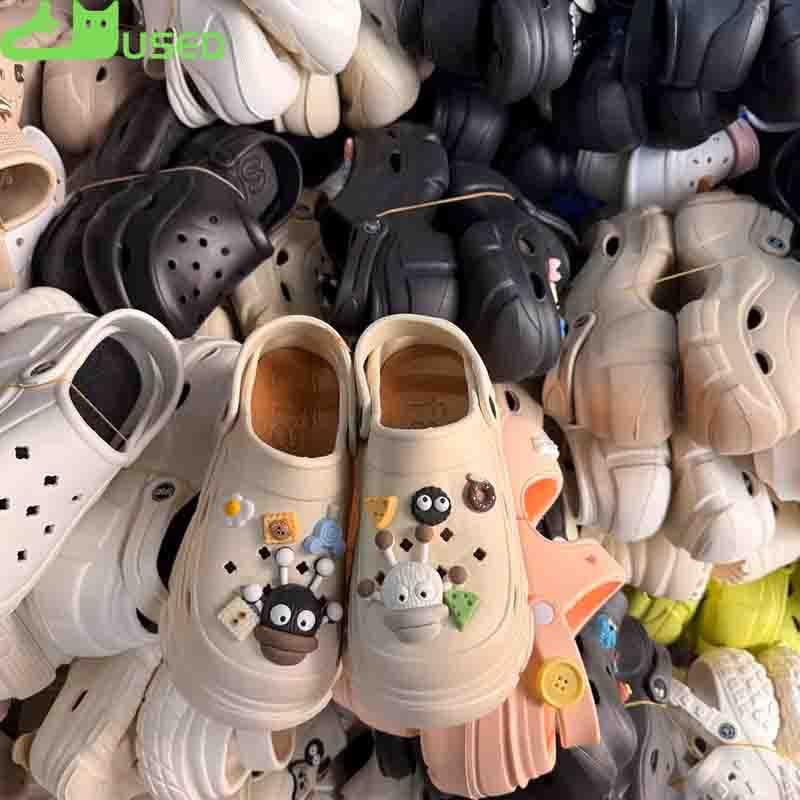
Used Crocs wholesale stock needs a geometry and process record before it enters a family-shop or value route. The buyer should separate the product claim from physical grading, then compare mate shape, toe box, vents, strap pivots, outsole and interior observations under consistent conditions. Heat distortion, compression and unknown prior treatment may limit resale, but visual review cannot prove material composition, hygiene, comfort, traction, safe use or remaining life.
Code both shoes and record labels, molded marks, stated size system, color, model details as present, strap configuration and item-linked claim evidence. Compare marks on both shoes before sorting by a converted size.
A clog silhouette or vent pattern does not verify the product statement. Conflicting marks, color or construction stay in a reconciliation lane, and unsupported wording is narrowed or removed from the premium route.
compatible mates
as molded or labeled
documented system only
approved wording
Use top, side, rear and outsole views on a level reference. Record flattening, twist, toe-box deformation, sidewall waves, heel-cup change, cuts and localized compression without forcing the pair back into shape.
Shape observation can support a hold or value route, but it does not establish material identity, rebound, comfort or future recovery. Keep the before state when any approved shape-support trial is attempted.
width and deformation
waves and cuts
shape and compression
mate-to-mate variance
Record blocked or torn vents, edge cuts, strap cracking, stretched holes, missing hardware, pivot damage and differences between mates. Move the strap only within the normal inspection scope and stop when material is weakened.
A complete strap can support presentation, but it does not guarantee retention or safe use. Unknown replacement parts and prior work remain disclosed in the pair file.
openings and edge damage
surface and shape
holes and hardware
replacement or repair signs
Divide the outsole into toe, forefoot, midfoot and heel zones and compare abrasion, smooth areas, cuts, missing pieces and embedded debris between mates. Inspect the full edge for separation or previous adhesive.
Tread appearance cannot certify traction, safe use or remaining service. Pairs outside the written physical boundary stay on hold or are removed from resale.
front abrasion
contact surface
cuts and debris
wear and edge
The grid prevents a clean appearance from replacing pair, component and process evidence.
| Grid line | Required observation | Claim not supported | Release route |
|---|---|---|---|
| Identity/size | Mates, molded marks and item evidence | Brand or fit from silhouette | Match, narrow or hold |
| Foam geometry | Toe, sidewall, heel and mate variance | Material, rebound or recovery | Release, value or hold |
| Vents/strap | Openings, pivots and prior work | Retention or safe use | Disclose, repair review or decline |
| Outsole | Zoned wear, cuts and edge continuity | Traction or remaining life | Grade or physical hold |
| Hygiene process | Observation, approved work and reinspection | Automatic disinfection | Supported language only |
The released assortment is counted after geometry and process checks, not before.
Record visible soil, odor, dampness, footbed wear and foreign material before work. Group only known process-compatible pairs, then document cleaning, rinsing where applicable, drying, protective handling and reinspection.
Do not claim sterilization, disinfection, allergen removal or complete odor elimination unless the exact documented process supports that statement. Failed outcomes and unknown materials remain outside the released group.
soil, odor and moisture
approved steps
complete controlled cycle
supported result only

If the business has an approved low-risk shape-support method, test representative pairs and record method, duration, temperature limits where relevant and before-after geometry. Stop when change, surface effect or uncertainty exceeds the written boundary.
The trial is not a guarantee of permanent recovery. Keep successful, continuing-support and failed outcomes separate when estimating released yield.
representative deformation
approved bounded route
before-after geometry
release, support or decline
Create cohorts by marked size, color family, geometry grade, strap configuration, completed process and disclosure level. Compare them with the buyer's actual family-shop, value-retail or local wholesale exposure.
Do not assume hot weather creates demand for every size and condition. Record display or listing dates, inquiries, completed sales, transfers, returns and reasons for rejection.
marked-pair count
actual cohort
completed process
named outlet record
Add purchase allocation, freight, intake, cleaning, drying, shape support, replacement parts, packaging, holds and rejects using the buyer's accounting method. Divide by pairs released to the intended outlet.
Report labor and days held by cohort. A low unit cost can hide excessive process work, mismatched sizes or deformed pairs that never enter sale.
shipment allocation
process and support
hold and reject
cost per released pair
No. Use the approved item-linked evidence route and keep physical grading separate.
Do not improvise. Use only an approved bounded trial and preserve uncertainty about the result.
No. It documents outsole condition but cannot establish grip or safe use.
Describe only the documented process and result supported by the actual record.
Use released cohorts, real outlet exposure, returns, process work and package-linked variance.
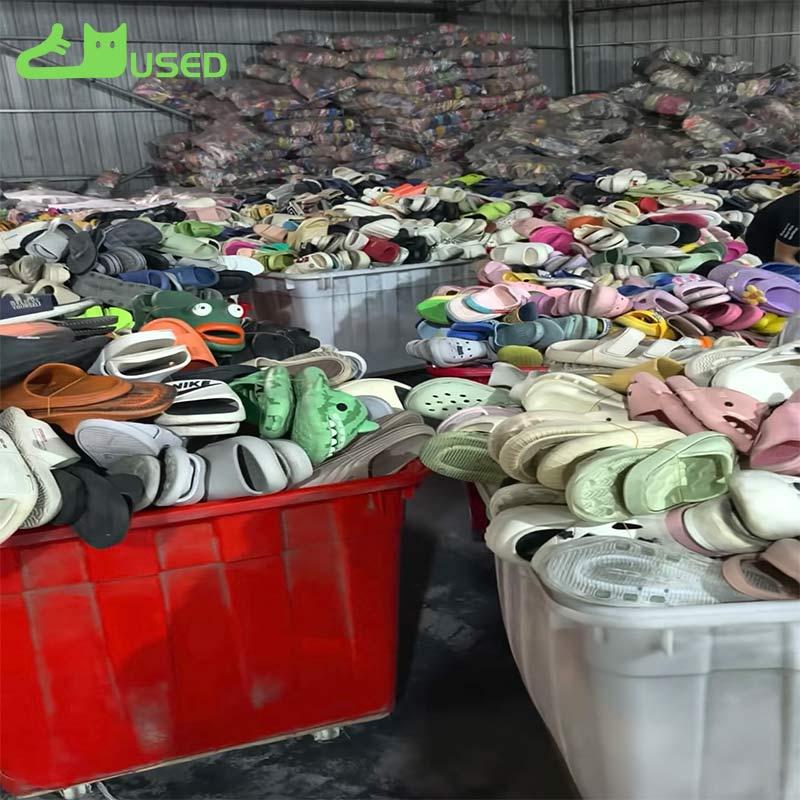
A foam clog lot is released through identity, geometry, component and process records. The used slippers wholesale category provides the wider product context; pair marks, deformation limits, strap and outsole evidence, supported hygiene wording and actual outlet cohorts govern the order. Use this page's inquiry form to state the size system, geometry boundary, process capacity and package evidence required.

Direct Factory Supplier of Used Shoes For African Markets In China
 Tel: +8618606960861
 Email: info@usedshoeswholesale.com
 MP/WhatsApp: +8618606960861
 Manufacturer Address:Cizao Town, Jinjiang City, Quanzhou City, Fujian Province