Author:Used Wholesale Manufacturer TIME:2026-08-13
Used football boot configuration inventory
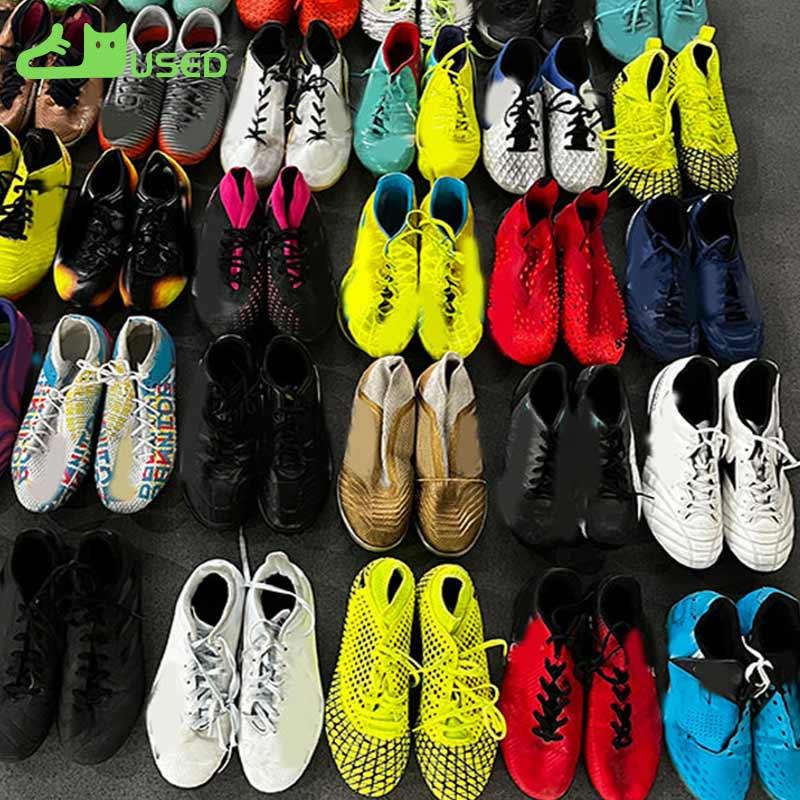
Used football boots wholesale stock must be separated by observable outsole configuration before brand, color or price. Firm-ground-style studs, turf-style nubs, flat indoor-style soles and casual street conversions should not share one anonymous football bin. Geometry can support inventory identification, but it does not prove field suitability, traction, safe play or remaining service. The destination operator still needs its own surface and use assessment.
Assign a pair code and record marked size, model wording as present, closure, upper condition and complete underside views. Compare both shoes before assigning a configuration group.
Mismatched labels, stud layouts or sole constructions stay in a reconciliation lane. Do not create pairs from similar-looking singles without an approved compatibility rule.
compatible mates
size and model as present
full outsole and side profile
hold before regrouping
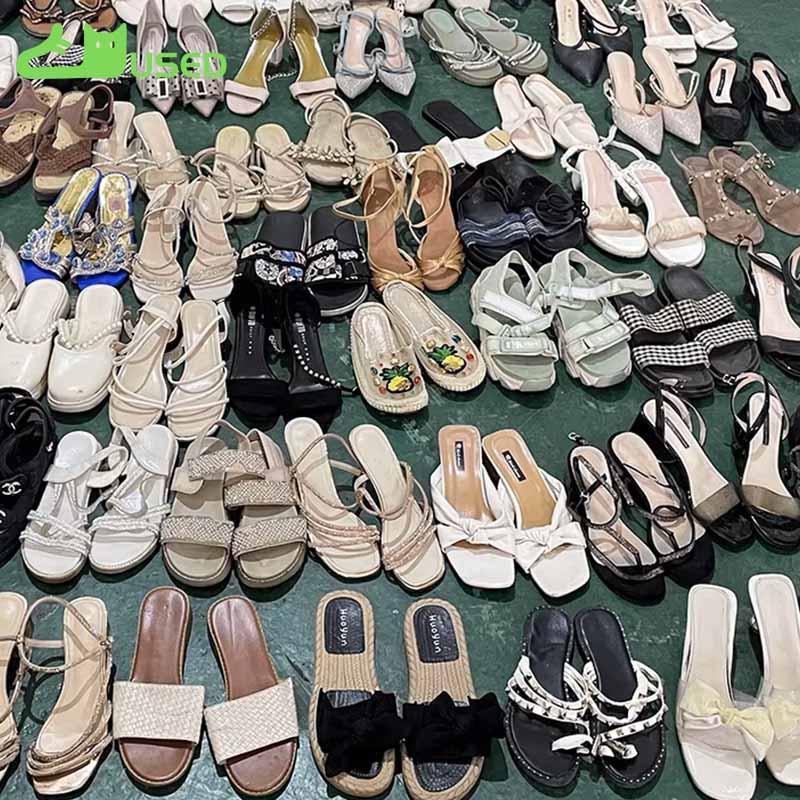
Record the count, shape and distribution of studs, nubs or flat contact areas and note removable components as present. Use product-specific documentation where available to interpret the configuration; otherwise keep the label descriptive.
Words such as firm ground or turf should reflect supported product information or the buyer's approved classification method. Geometry alone cannot promise how a shoe will behave on a surface.
layout and component count
pattern and wear
contact-surface type
conversion or prior work
Create a physically separate lane for unreadable labels, mixed components, altered soles, missing studs and geometry that does not match the buyer's controlled groups. Give every hold a code, owner and next action.
An unknown pair may move only after documentation or an appropriate reviewer resolves the classification. Lower pricing does not replace a usable configuration record.
one unresolved field
separate controlled bin
named review role
classify, restrict or decline
Follow the complete sole edge and record cracks, splits, lifting, exposed layers, missing or damaged components and prior adhesive. Compare mate wear under consistent light and neutral handling.
Photographs cannot certify bond strength, traction or safe use. Severe or uncertain structural change remains in a physical review or decline route.
edge and separation
cracks and deformation
complete or missing
lifting and prior work
The wall gives every configuration an evidence field, package route and stop condition.
| Inventory group | Identification record | Hold trigger | Packing route |
|---|---|---|---|
| Studded geometry | Labels and complete underside views | Missing or conflicting components | Separate marked group |
| Nubbed geometry | Pattern, wear and pair agreement | Unreadable or mixed construction | Separate marked group |
| Flat geometry | Contact surface and model record | Altered or unsupported classification | Indoor/casual review |
| Unknown/modified | Open question and prior work | No approved classification | Physical hold |
| Structural exception | Plate, edge and junction condition | Crack, lifting or loss | Review or decline |
The sorting wall identifies stock; it does not certify surface performance.
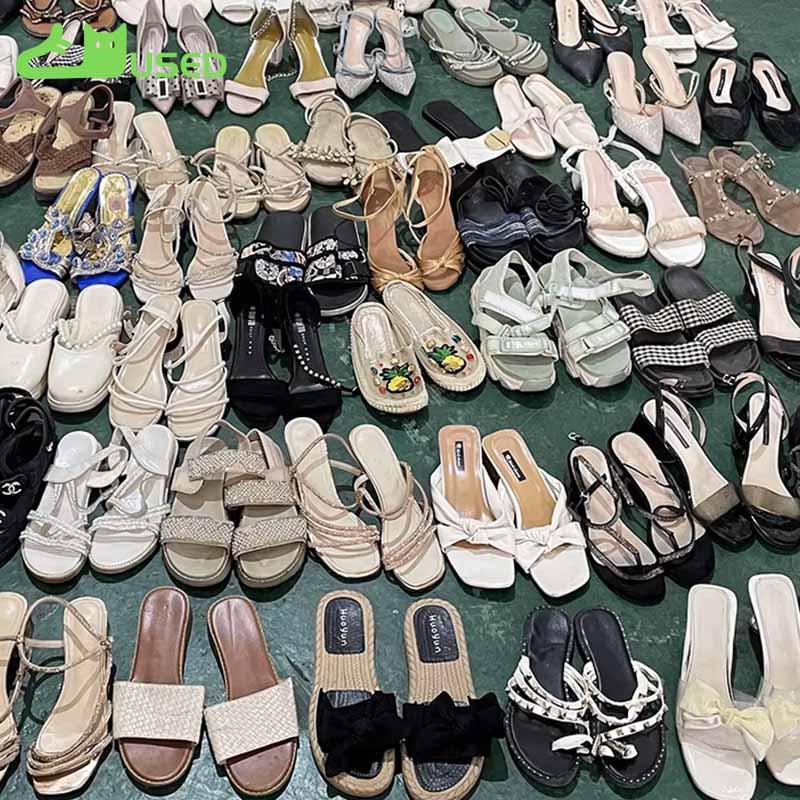
Record upper tears, stretching, stitching, closure completeness, heel-counter shape, lining wear, interior soil, odor and moisture signs. Keep material identification qualified when records are absent.
Use only an approved material-specific cleaning and drying process. Do not claim disinfection, fit or playable condition from appearance or a completed wash.
surface and seams
complete and operable
counter and lining
process or hold
Record which football footwear groups local retailers, schools, clubs or community programs actually manage, how they label them and which sizes they can use. Preserve the date and source of the note.
This is a buyer-side allocation input, not proof that a given pair is suitable. Local operators remain responsible for their own field, player and use decisions.
named destination role
actual local context
managed inventory group
current evidence
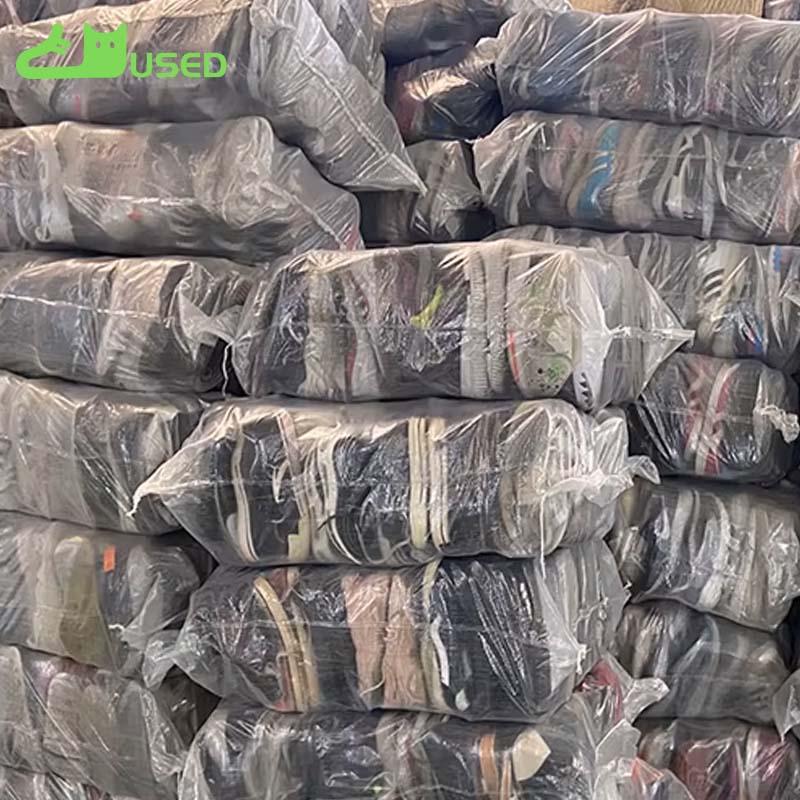
Assign package marks that state the controlled geometry group, marked-size range, condition lane and pair count or weight method. Keep unknowns and structural holds outside saleable packages.
At loading, reconcile actual package totals against the agreed configuration split and record substitutions. Package identity must survive arrival opening.
unique package code
controlled geometry type
marked range
released or hold
Add purchase allocation, freight, unloading, sorting, cleaning, replacement closures, specialist review, structural holds and rejects using the buyer's accounting method. Divide by pairs released into each destination group.
Do not average wrong-configuration stock into desirable groups. Report capital and labor still held in unknown or service lanes.
order allocation
group-specific preparation
unknown and structural exposure
cost per released group
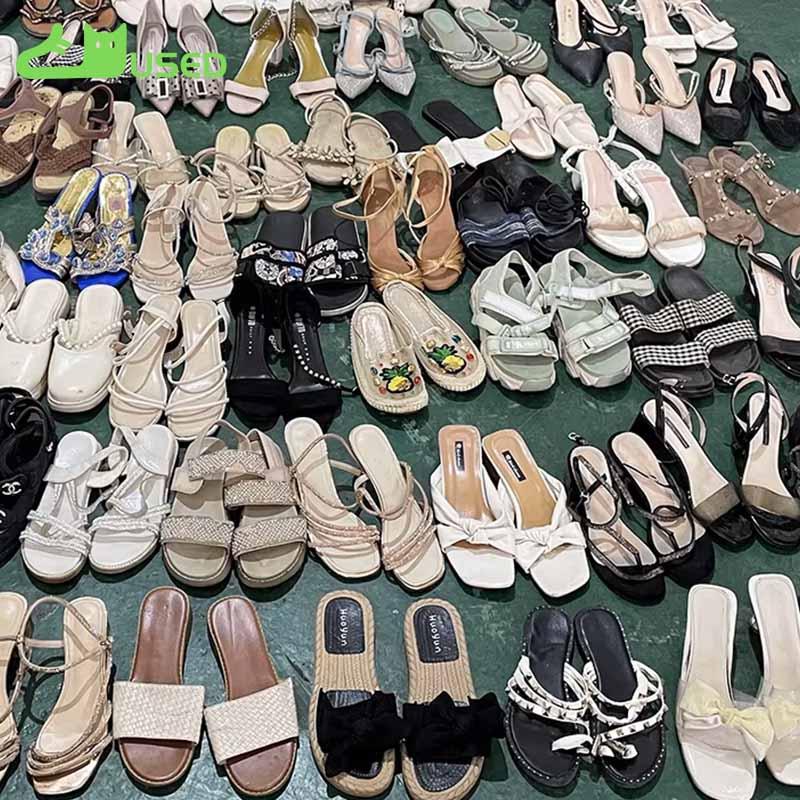
Open distributed packages while preserving marks, then recount geometry group, size, condition and unknown outcomes. Compare supplier records with actual bins before mixing inventory.
Track destination exposure, returns and operator questions. Revise one classification, ratio, unknown tolerance, package label or structural boundary rather than repeating a generic football-boot request.
actual group split
packing versus arrival
destination record
one next-order rule
No. It supports inventory classification; the destination operator must make the use decision.
Not automatically. Keep them on hold until the permitted route and wording are resolved.
Only through an approved compatibility rule with matching labels, construction and condition.
Configuration group, size range, condition status and the stated count or weight method.
Use package-linked arrival variance and actual destination records by controlled group.
Football footwear sorting begins with controlled configuration identity, not a promise about play. The used sneakers wholesale category provides the wider sneaker context; complete pair records, isolated unknowns, structural boundaries, package identity and destination evidence govern the mix. Use the page inquiry form to state the controlled outsole groups, size ranges, package split and evidence required.


Direct Factory Supplier of Used Shoes For African Markets In China
 Tel: +8618606960861
 Email: info@usedshoeswholesale.com
 MP/WhatsApp: +8618606960861
 Manufacturer Address:Cizao Town, Jinjiang City, Quanzhou City, Fujian Province