Author:Used Wholesale Manufacturer TIME:2026-08-13
Second hand shoes near me bale selection
Second hand shoes near me demand is local, channel-specific and time-bound. It should change which bale a buyer selects only after it is converted into observable purchase constraints. A search phrase or customer question can identify a topic, but category sales, stock age, markdowns, returns, price bands and store capacity provide stronger operating evidence. The buyer should map those records to category ratios, size bands, condition limits, preparation ceilings, seasonal timing and an exit route. The bale is then evaluated against that map rather than chosen from a generic popular-mix promise.
Define each outlet's location, selling method, price band, current stock, completed sales, transfers, markdowns, customer questions and return reasons. Keep dates and product cohorts visible. Do not merge very different channels into one demand percentage.
A category that moves in a low-price market may not fit a curated store, and social inquiries may not become completed sales. Use channel evidence to set hypotheses and trial quantities, not to claim a guaranteed local volume.
stock age and completed outcomes
price and category movement
inquiry versus completed sale
evidence window
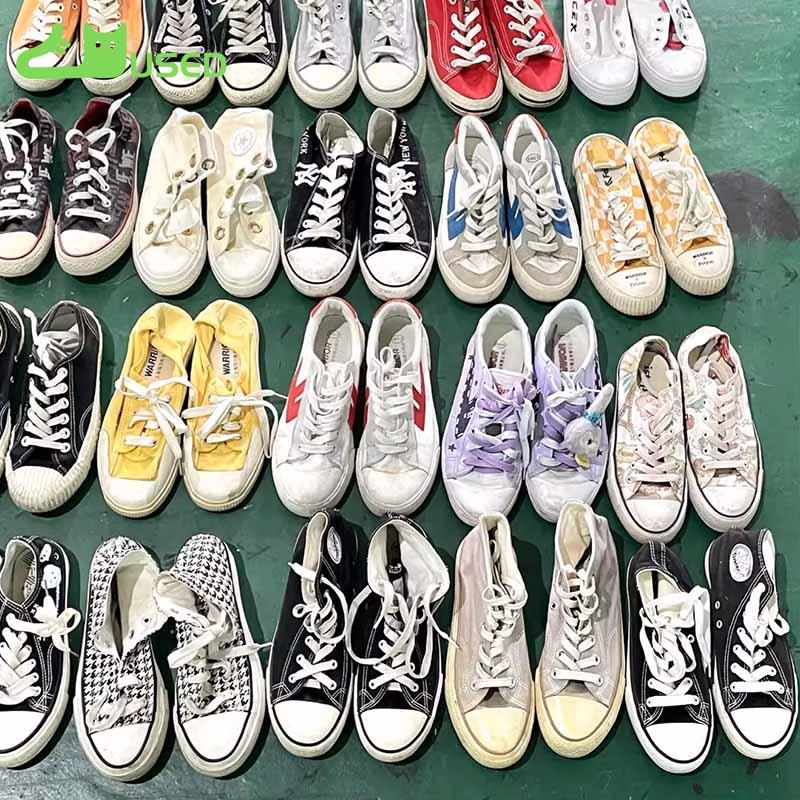
Calculate current and recent outcomes for men's, women's, children's, sneakers, boots, sandals and other locally useful families. Add on-hand inventory and inbound stock so a strong sales category is not overordered while enough units are already available.
Set a preferred range and a hard maximum for each family rather than one exact forecast. Unknown or other categories need a visible allowance. The supplier should state the measurement basis and sampling method used for the offered bale.
target range
overstock guardrail
visible allowance
pairs weight or documented sample
Use marked sizes as present and group them into store-relevant bands. Compare sales, no-sales, transfers and returns by category-size cohort and condition. Add the price range the outlet actually completed, not only listed asking prices.
A size request must not become a fit guarantee or an invented conversion. Keep unmarked pairs separate. If the local evidence is thin, use a broader trial band and measure outcomes before narrowing the next bale.
size as present
store-relevant grouping
sale no-sale transfer return
completed local range
The map converts local operating evidence into a supplier-facing requirement with a tolerance and fallback.
| Local signal | Bale requirement | Tolerance | If outside range |
|---|---|---|---|
| Category outcomes | Preferred and maximum family ratios | Documented sample variance | Reduce, rebalance or stop |
| Size outcomes | Marked-size bands by category | Unknown allowance | Broaden trial or separate stock |
| Price and stock age | Condition and cost ceiling | Downside margin boundary | Lower offer or different outlet |
| Work capacity | Maximum service share and minutes | Seasonal staffing allowance | Value route or decline |
| Selling window | Latest released-stock date | Route delay scenario | Change timing or mix |
A local signal is purchase-ready only when it becomes a measurable bale field with a response to variance.
Review returns, staff time and customer questions to identify which upper, sole, closure, interior and cosmetic findings the outlet can explain and service. Set exclusions for structural failures, unknown contamination and unresolved product claims.
Record maximum cleaning minutes, parts, specialist work and days held by cohort. A bale with a favorable mix can still fail if the preparation queue is larger than local staff capacity or if the buyer must hide defects to reach the planned price.
allowed observable defects
hold or decline
minutes materials service
pairs the team can release
Work backward from the intended store or market window through freight, border handling, inland delivery, receiving, sorting and preparation. Add a delay scenario and identify categories that lose value when they arrive late.
Seasonal assumptions need local evidence and should not be described as universal climate demand. If the bale cannot be released before the planned window, reduce exposure, change the category mix or choose an outlet with less timing sensitivity.
supported route estimate
sample and sort time
work queue
local dated selling plan
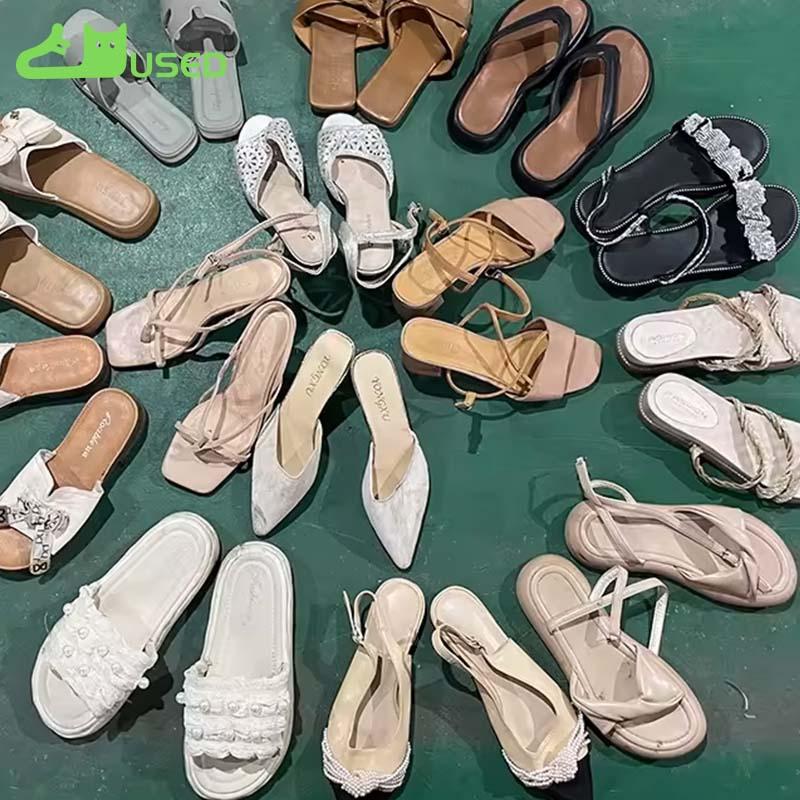
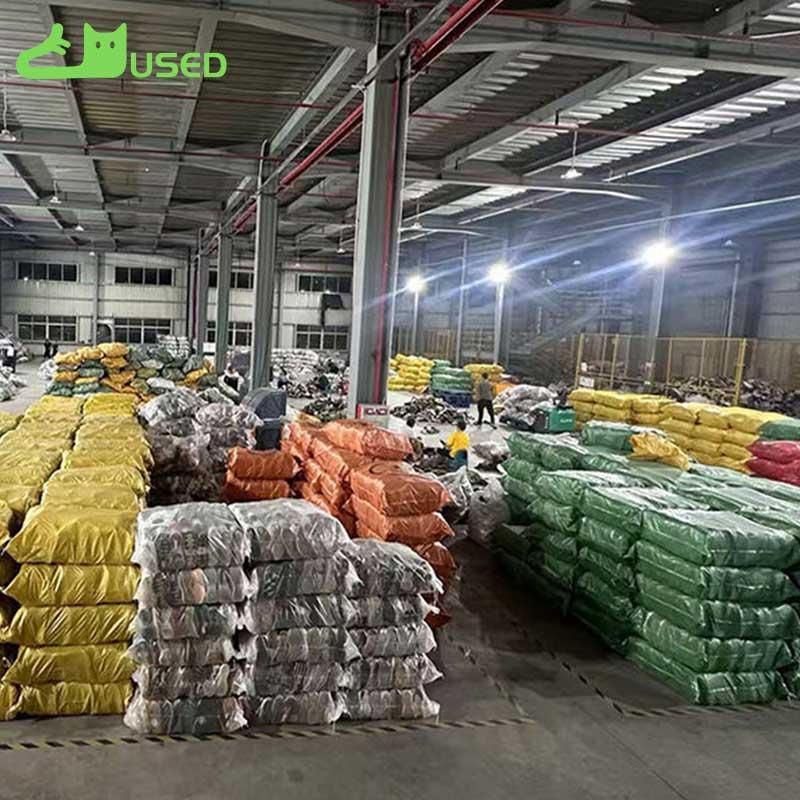
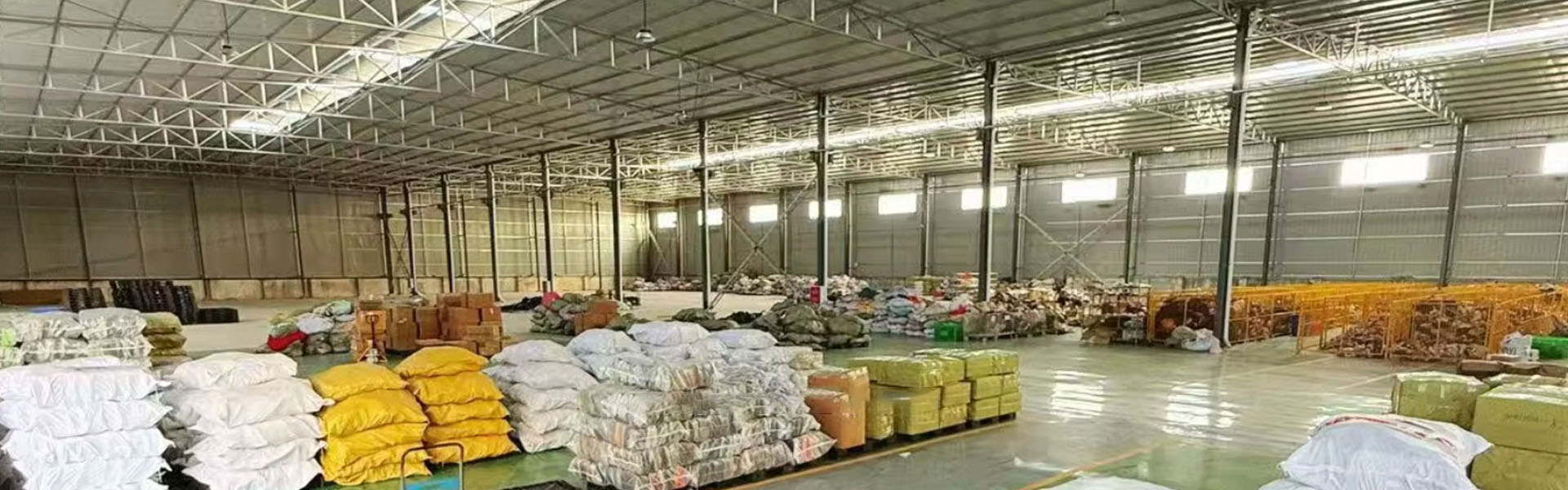
Require package or lot evidence showing category and size scope, physical grade rule, complete-pair basis, packing and sample selection. Score each constraint as inside range, outside range or unresolved. Keep general warehouse images outside exact allocation proof.
A low bale price should not cancel a serious ratio or condition conflict. Stress test category variance, lower released yield and delayed arrival. When the decision depends on optimistic assumptions, request a smaller trial or better sampling.
inside target ranges
written physical boundary
exact or sampled stock
variance and delay
At receiving, repeat the category, size, condition and work records on the agreed sample. Connect package variance to the offered evidence. After resale, compare stock age, markdowns, returns and completed outcomes by channel.
Change one category range, size band, price ceiling, condition tolerance, work cap or delivery deadline. Keep the previous map and effective date. Local demand should alter bale selection through measured revisions, not broad trend claims.
package-linked mix and condition
actual sellable routes
channel-specific result
one dated constraint

No. Use them to identify questions, then rely on dated outlet outcomes.
Use preferred ranges and hard maximums with a stated measurement basis.
No. It supports cohort tracking and must remain as present.
A suitable mix can still fail when staff cannot release it in time.
Revise one ratio, size band, condition limit, work cap or timing rule.
Local demand improves bale selection only after it becomes a measurable constraint. The used mixed shoes wholesale category provides the mixed-footwear context; channel records, category ranges, size-price cohorts, work capacity and arrival timing govern this order. Use the page inquiry form to state the preferred mix, hard exclusions, sample method and latest acceptable arrival.

Direct Factory Supplier of Used Shoes For African Markets In China
 Tel: +8618606960861
 Email: info@usedshoeswholesale.com
 MP/WhatsApp: +8618606960861
 Manufacturer Address:Cizao Town, Jinjiang City, Quanzhou City, Fujian Province