Author:Used Wholesale Manufacturer TIME:2026-08-13
Used Manolo Blahnik heel and condition grading
Used Manolo Blahnik shoes need a grading file that treats heel geometry as a working structure, not a decorative detail. A visually attractive upper cannot compensate for a loose heel, displaced tip, unstable attachment, distorted counter or mismatched pair. At the same time, condition inspection cannot establish brand identity or authenticity. Buyers should keep claim evidence, physical condition, service work and commercial release as separate records. The practical objective is to identify which pairs can enter ordinary resale, which require controlled specialist work, which need restricted disclosure, and which should remain outside the buy or release decision.
Give each pair a code and record both shoes together. Photograph the top, outer and inner sides, rear profile, heel base, underside, size and material marks as present, lining and any supplied packaging. Note whether the stock is the exact offered pair, a sample or general warehouse evidence.
Keep seller statements, receipts, serial or style references and other claim material in an evidence file. Do not turn visual resemblance, a familiar outsole color, packaging or a listing description into an authenticity conclusion. The condition grade describes observable stock only.
links both shoes and every image
exact pair sample or capability
recorded as present
supported limited or unresolved
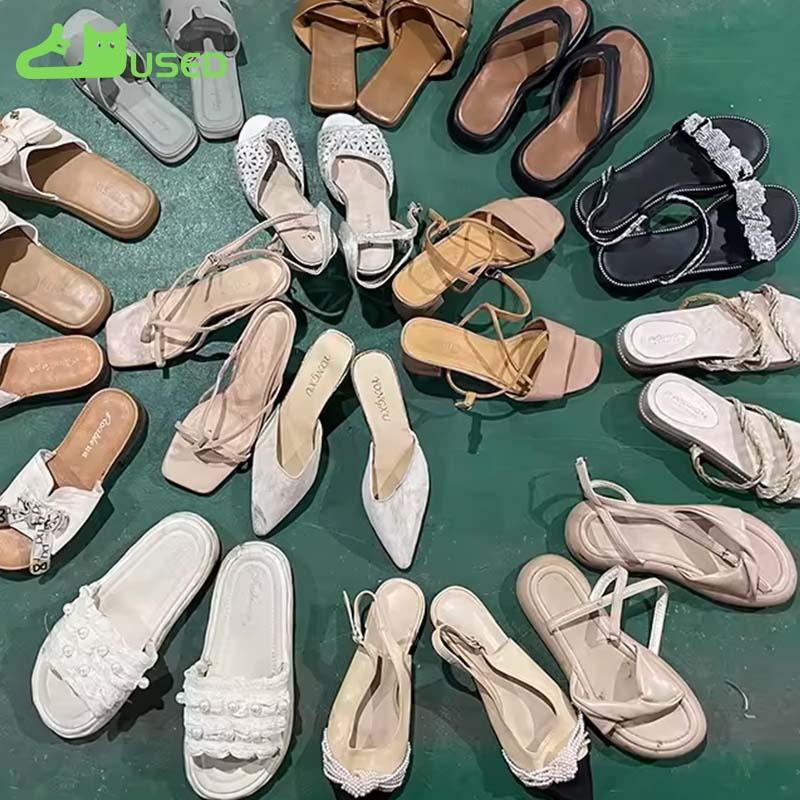
Place both shoes on a level surface without forcing them into position. Record heel height at the agreed point, visible lean, twist, base contact, tip shape, tip seating and whether the rear profile differs between mates. Use the same camera height and reference scale for the pair.
A photograph can reveal gross asymmetry but cannot prove safe load capacity or remaining life. Do not bend or stress the heel beyond an approved gentle method. Any movement, cracking, separation sound or uncertain attachment should move the pair to a specialist review or decline route.
same point and method
rear and side alignment
wear seating and exposure
left-right profile variance
The bench prevents an attractive upper or unsupported claim from overriding a structural warning.
| Bench station | Observable record | Decision | Boundary |
|---|---|---|---|
| Pair identity | Both shoes marks and offer relation | Open inspection file | No authenticity inference |
| Heel profile | Height axis tip and mate variance | Pass or specialist hold | No forced stress |
| Condition fields | Upper interior sole and detail | Field grade | No single vague adjective |
| Service | Task cost provider and recheck | Release or stop | Repair does not restore original status |
| Commercial route | Controlling field and disclosure | Ready restricted hold decline | Claim status stays separate |
A defensible grade explains which field controls the route and what evidence remains outside the condition judgment.
Inspect scuffs, cuts, seam openings, stains, color transfer, shape loss, toe and vamp creasing, embellishment or hardware security, lining wear, insole condition and residue. Check the outsole and sole edge for wear, lifting, cuts and prior repair. Compare both mates under useful light.
Use field results instead of a single adjective. A pair may have a strong heel profile but heavy upper wear, or a clean upper with unresolved attachment movement. Keep those differences visible so price and service decisions do not hide the controlling defect.
surface shape seams and color
hardware or embellishment security
lining insole and residue
wear edge and repair history
For a repairable pair, define one task at a time: tip replacement, surface treatment, lining work, hardware stabilization or another approved service. Record provider, estimate, parts, turnaround, expected appearance change and the fields to recheck. Keep before-and-after images.
Do not assume a repaired pair returns to its original condition or supports broader claims. If the work changes color, profile, height, finish or disclosure, update the commercial record. Work that exceeds the buyer's cost, time or evidence ceiling should not remain in an ordinary resale forecast.
one authorized operation
appropriate service route
cost time and disclosure limit
same physical fields repeated
Assign ready, specialist-service pending, serviced and rechecked, restricted disclosure, evidence hold or decline. State which observed field controls the route. Keep claim evidence status alongside but separate from the physical result.
A high-condition label should not be used when a material uncertainty remains open. Restricted stock needs precise disclosure and an outlet able to handle it. Declined pairs should retain the reason code so repeated heel, tip, lining or mate problems can influence the next supplier sample.
no open controlling field
authorized work not yet closed
specific disclosed limitation
outside physical or economic boundary
After release, record preparation minutes, service cost, days held, markdown, customer questions and returns by pair code where the buyer is entitled to use those records. Separate fit or preference outcomes from heel, condition, service or disclosure failures.
Compare the observed burden with the pre-buy grade. Change one heel tolerance, sample close-up, service ceiling, condition boundary or buying price for the next lot. One strong sale does not justify relaxing structural checks across the category.
minutes parts and service
sale age markdown or return
heel condition fit or disclosure
one measurable next-buy control
No. Heel attachment, axis, tip, interior and sole remain separate controls.
They can show visible warnings, not hidden strength or remaining life.
Reinspect them and disclose the completed work before release.
No. Keep identity evidence in a separate claim record.
Use actual service burden, outlet age, returns and repeated defect causes.
Used Manolo Blahnik grading is credible when heel geometry, physical condition, claim evidence and service are separate. The used brand shoes wholesale category provides the product context; pair identity, controlled inspection, specialist ceilings, route disclosure and recorded outcomes govern release. Use the page inquiry form to request pair views, heel fields, grade boundaries and the service evidence process.

Direct Factory Supplier of Used Shoes For African Markets In China
 Tel: +8618606960861
 Email: info@usedshoeswholesale.com
 MP/WhatsApp: +8618606960861
 Manufacturer Address:Cizao Town, Jinjiang City, Quanzhou City, Fujian Province