Author:Used Wholesale Manufacturer TIME:2026-08-13
Second hand Dr Martens container cost plan
A second hand Dr Martens container landed-cost plan must connect the commercial offer to physical packing, shipment capacity, destination charges and the number of pairs that actually reach each resale route. A headline price per pair or bale leaves too many variables hidden. The buyer needs explicit units, volume and weight assumptions, package records, service burden, rejected or held stock, currency and tax treatment, and a downside accepted-yield case. Exact customs, tax and carrier requirements vary by route, so qualified local professionals should confirm them. The operating model should remain transparent enough to reconcile after receiving.
Record seller and buyer entities, offered category scope, quotation reference, currency, payment milestones, delivery term, named place where applicable, quote validity and explicit responsibility boundaries. Ask a qualified logistics or customs adviser to confirm the route-specific document and charge set.
Define whether price is per pair, package, kilogram or another unit, and whether the count describes packed, complete received or accepted pairs. Do not combine estimated and quoted charges without labels. Keep taxes and recoverable items distinct according to professional advice.
responsibility and named place
pair package or weight basis
rate source date and allowance
quote and booking window
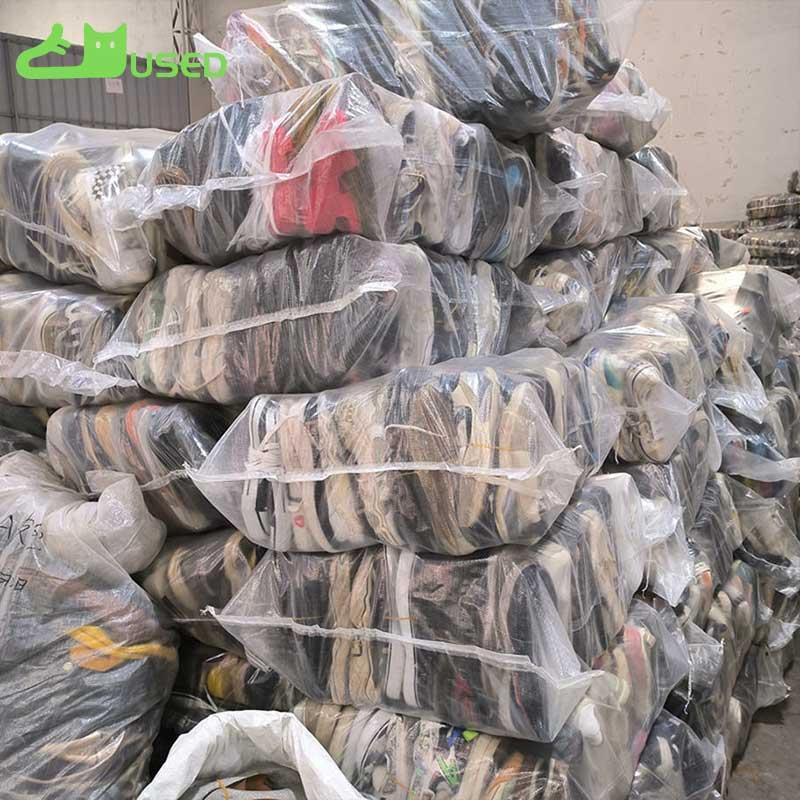
For each packing format, record external dimensions, gross weight, goods weight where supported, complete-pair count, category and size distribution, compression method and package marks. Calculate cubic volume from measured packages rather than a generic bale description.
Compare the limiting factor for the proposed equipment: volume, gross weight, route restriction or operational handling. A theoretical volume division is not a loading promise. Reserve practical allowances and obtain current carrier or forwarder confirmation.
measured package exterior
gross and defined goods basis
complete-pair basis
volume weight or route control

The ledger shows which unit and evidence support every cost before it reaches the released pair.
| Cost block | Typical basis | Evidence | Reconciliation |
|---|---|---|---|
| Goods and preparation | Pair package or agreed task | Offer sample and completion record | Accepted scope and variance |
| Packing and origin | Package weight fixed or conditional | Measured package and provider quote | Actual loading and origin invoice |
| Transport | Equipment route weight and date | Current carrier or forwarder input | Final transport charge |
| Destination and delivery | Conditional and local service items | Qualified route estimate | Actual destination record |
| Released pair burden | Received route and direct work | Receiving and service ledger | Cost per defined commercial route |
A landed-cost figure is auditable when its units, responsibility, date, denominator and post-arrival variance can all be reconstructed.
List goods value, inspection, agreed cleaning or service, inner containment, packaging materials, bale or carton work, loading, origin handling, documentation and inland movement according to the quoted responsibility. Identify fixed, per-package, per-weight and estimated items.
Do not hide supplier preparation inside the merchandise price if it changes accepted yield or evidence. Record which work is complete before packing and which condition remains for destination processing. Unsupported compliance, treatment or certification claims must not be added to the ledger.
quoted category and grade scope
defined task and completion
materials labor and marks
handling documents and inland route
Collect dated freight, surcharge, insurance where chosen, terminal, clearance-service, examination, storage-risk, delivery and local handling inputs from appropriate providers. State whether each figure is firm, conditional or estimated and its validity period.
Do not present a historical quote as current cost. Demurrage, inspection, storage and delay exposures need scenario treatment rather than being hidden in one optimistic total. Confirm duties, taxes, restrictions and required documents with qualified professionals for the actual destination.
dated current route quotation
handling and professional services
conditional exposure range
final warehouse or receiving point
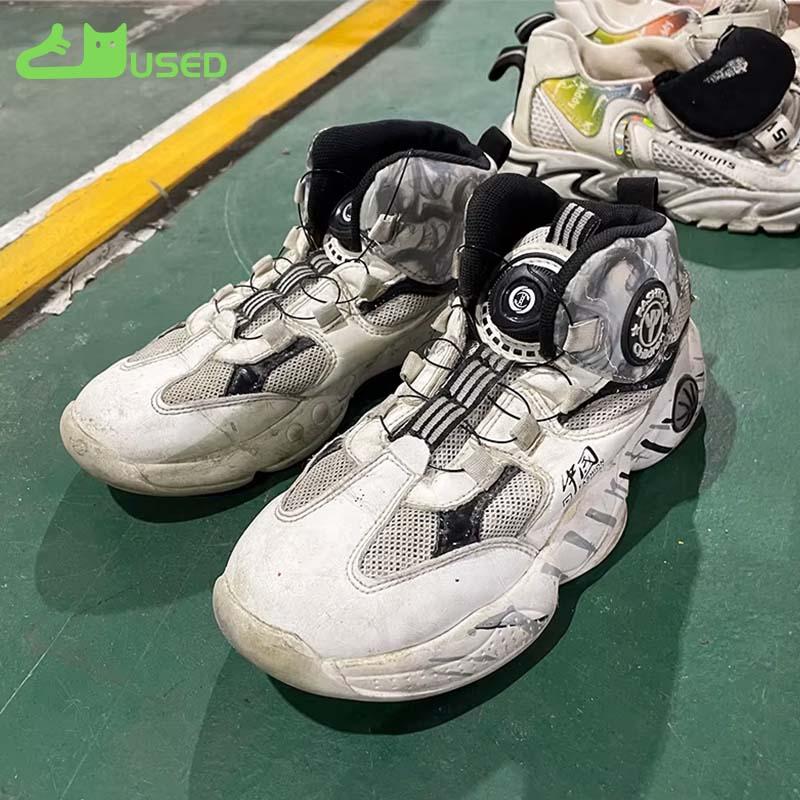
Forecast complete received pairs, ready stock, service candidates, restricted-value stock, evidence holds and declines using current representative samples and comparable records. Preserve the sample method and use a downside range when evidence is limited.
Allocate shipment cost across a defined denominator. Packed count can support logistics, but normal resale economics should use released pairs. Show how each yield assumption changes cost per ready pair and cost per all released routes; do not erase held or declined stock.
supplier and package basis
complete reconciled pairs
ready serviced and restricted
open holds and declines
Add unloading, counting, inspection, sorting, cleaning, drying, approved repair, recheck, photography, listing and local transfer according to the operation. Use measured minutes and material costs where available; identify estimates.
Heavy-work pairs should not dilute the ordinary stock cost. Assign service and restricted lanes their direct burden and show the ceiling beyond which repair no longer supports the intended outlet. Keep revenue assumptions outside the landed-cost total.
unload count inspect and sort
clean dry and present
task parts provider and recheck
listing transfer and applicable fee

At arrival, verify seals and marks where used, package count, gross and goods weight basis, complete pairs, category mix, wetness, damage, substitutions and route counts. Link exceptions to packages and preserve the evidence window for supplier discussion.
Close actual freight, destination and local charges, then calculate variance by cost block and yield route. Change one packing format, sample size, category ratio, service ceiling, route allowance or purchase price for the next container.
packages weights counts and condition
actual charge by block
quote forecast and actual
one next-load control
No. Add packing, route, destination, receiving and direct work using explicit units.
No. Use measured package dimensions, weights and practical route limits.
Use defined released pairs and show holds and declines separately.
Treat them only as history; obtain dated current route inputs.
After actual charges and received route counts replace the assumptions.
A Dr Martens container plan is useful only when physical load, route charges and accepted yield share the same units. The used men's shoes wholesale category provides the men's footwear context; current quotes, measured packages, visible cost blocks, conservative release routes and arrival reconciliation govern landed cost. Use the page inquiry form to request package specifications, grade evidence, quotation boundaries and shipment documentation.

Direct Factory Supplier of Used Shoes For African Markets In China
 Tel: +8618606960861
 Email: info@usedshoeswholesale.com
 MP/WhatsApp: +8618606960861
 Manufacturer Address:Cizao Town, Jinjiang City, Quanzhou City, Fujian Province