Author:Used Wholesale Manufacturer TIME:2026-08-13
Used Jordan 4 pair matching and bale value
Pair matching changes used Jordan 4 bale value because the buyer cannot price loose shoes, apparent pairs and released pairs as the same inventory. A visually similar left and right shoe may still conflict in marked size, form, color, material appearance, condition or supporting product evidence. Receiving work can recover some pairs, but rematching consumes labor and must preserve the source trail. The useful valuation begins with a frozen package record, assigns every shoe an item identity, measures confirmed and unresolved routes, and allocates cost to the pairs that actually reach a defined resale lane. Physical pairing never proves authenticity.
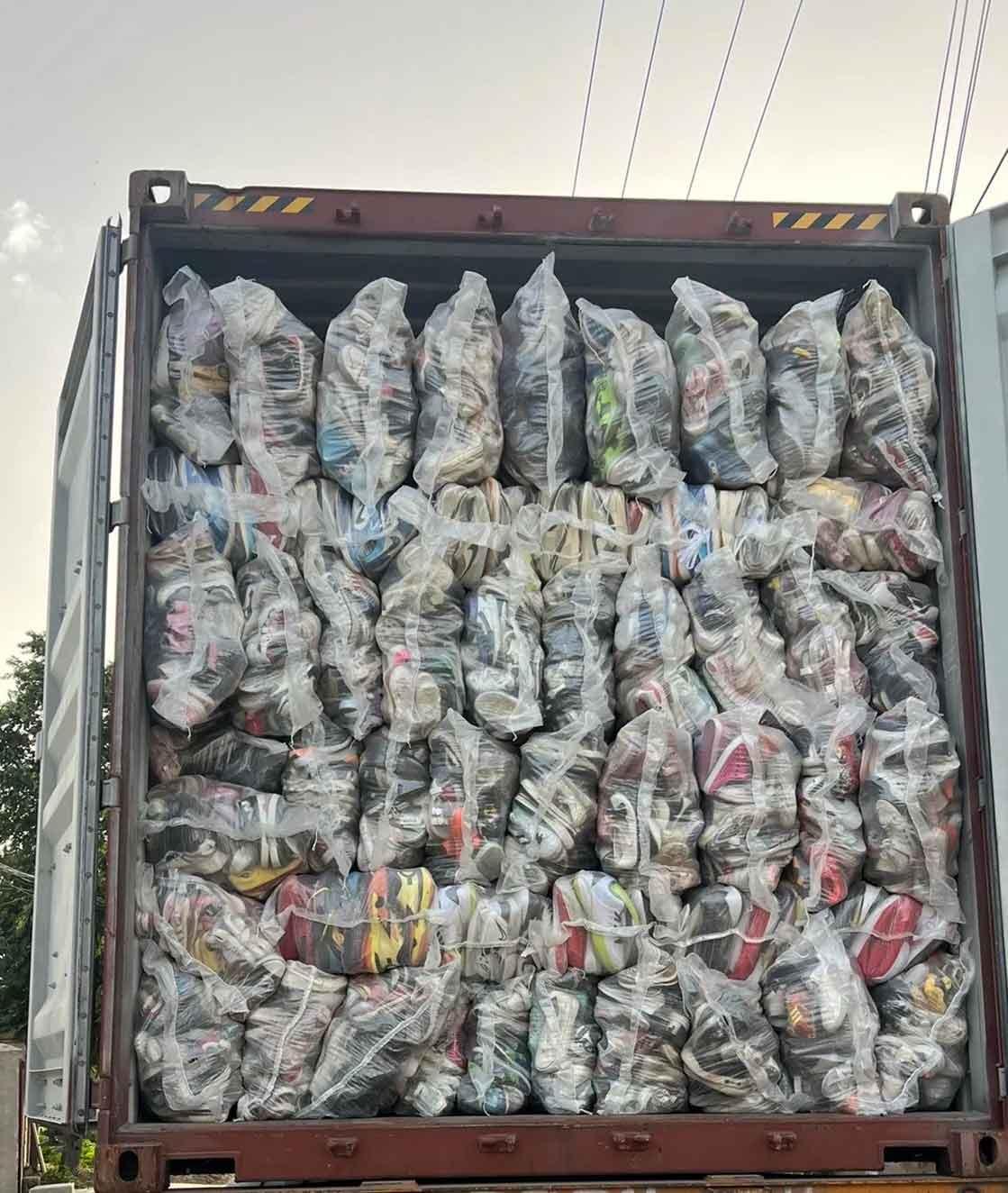
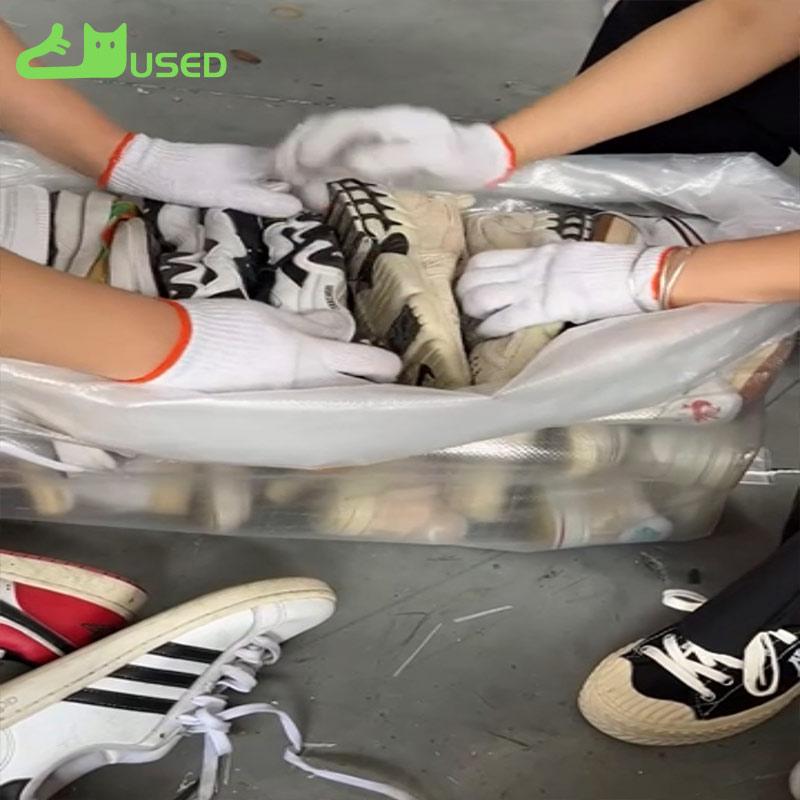
Photograph bale marks, closure, weight basis, exterior condition and opening sequence. Assign a temporary code to every loose shoe or visible pair before workers mix stock across tables. Preserve the source bale and opening position even when wetness, residue or damage requires isolation.
The packing-list quantity is a comparison record, not proof of complete pairs. Count left, right and uncertain sides, and retain unreadable marks. Early uncontrolled rematching can make a weak packing result look better while removing the evidence needed for claims and supplier feedback.
mark and arrival state
unique code before movement
left right or uncertain
bale link retained
Compare observable form, marked size, color panels, material appearance, wing and eyelet configuration, sole profile and wear direction. Record both shoes under one candidate number and photograph the controlling match fields under the same light.
A physical candidate remains separate from brand or authenticity evidence. Familiar design details, labels or color arrangements do not close identity claims by themselves. If the intended outlet requires supported wording, keep that review in a separate evidence status.
observable configuration
size and text as present
color and material appearance
left-right condition relation
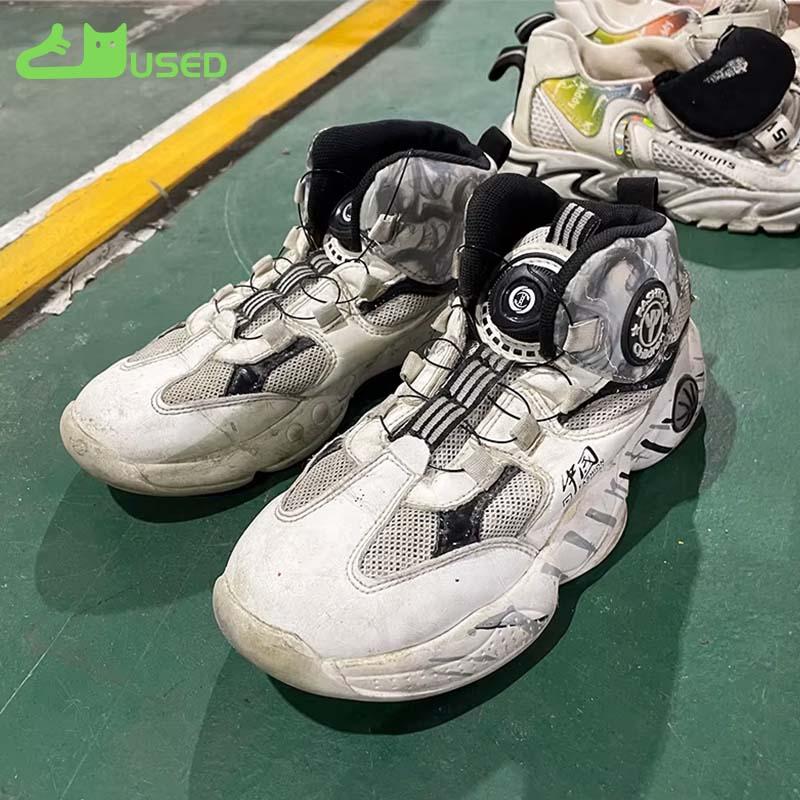
Use separate codes for missing mate, duplicate side, marked-size conflict, form conflict, color or material variance, condition imbalance and claim-evidence hold. Give one primary cause and retain secondary notes instead of collapsing every case into a vague mismatch label.
Each code has a different route. A missing mate affects complete-pair yield; a condition imbalance may support service or restricted disclosure; an evidence conflict may hold wording while the physical pair remains intact. Do not force a match to improve the reported bale rate.
missing or duplicate side
mark or configuration conflict
presentation variance
separate claim hold
The bridge keeps every physical item and commercial route visible between the bale and resale value.
| Bridge stage | Count or evidence | Cost treatment | Decision |
|---|---|---|---|
| Bale intake | Marks loose shoes and candidate pairs | Goods and receiving basis | Freeze scope |
| Candidate check | Mate size form color and condition | Inspection burden | Confirm or code mismatch |
| Rematch | Original and new item trail | Sorting service and recheck | Release restrict hold decline |
| Commercial release | Ready rematched and restricted pairs | Defined released denominator | Cost by route |
| Outlet feedback | Age markdown return and contribution | Actual route burden | Next-bale control |
Bale value is defensible only when loose shoes, mismatch cases and recovered pairs never disappear from the denominator.
When a second item is proposed, record original candidates, both source bales, reviewer, reason and the fields that now align. Repeat condition and mate inspection after the new pairing. Keep cross-bale rematches visible even when they create a released pair.
Add sorting minutes, handling, cleaning, parts and specialist review where applicable. A rematch that needs excessive work or creates misleading disclosure should move to a restricted, hold or decline route. Never remove the original mismatch case from the audit.
both candidate records
item codes and reviewer
minutes service and recheck
confirmed restricted hold decline
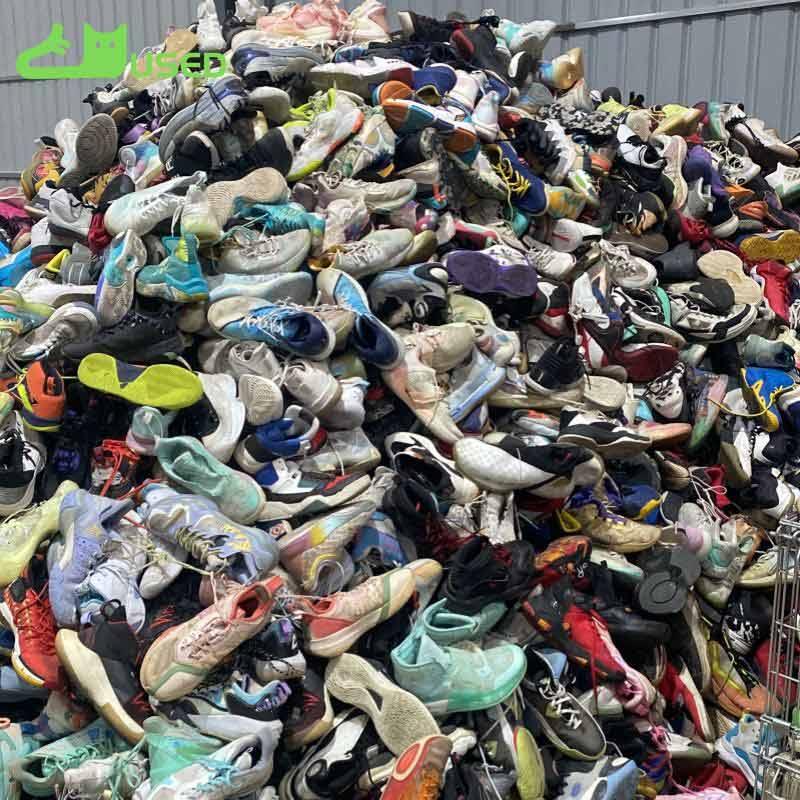
Show total shoes, pair candidates, confirmed original pairs, rematched pairs, restricted pairs, holds and declines. Name the denominator for every rate. Allocate goods, freight and receiving cost consistently, then attach rematching and service burden to the routes that caused it.
Compare cost per confirmed-ready pair, cost per all released pairs and downside cost when unresolved cases fail. Asking prices or one premium-looking pair do not establish bale value. Use condition-matched outlet evidence, stock age, markdown and returns to test the release lanes.
all shoes and candidates
defined commercial routes
sorting service and failure
age outcome and markdown
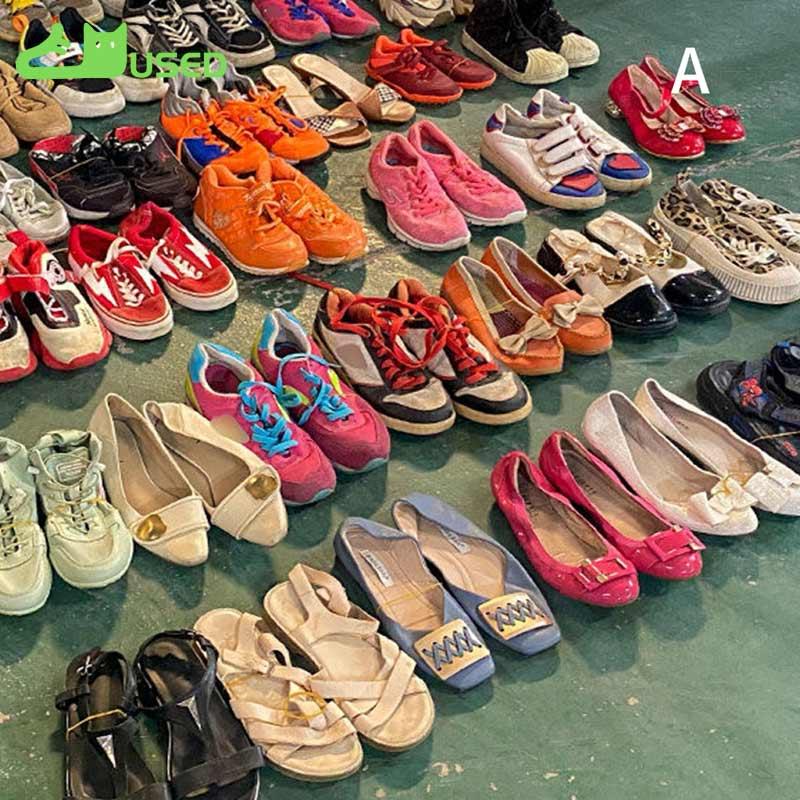
No. Keep supporting product evidence in a separate review.
No. Release them if appropriate but preserve the rematch record.
State the chosen candidate or reviewed basis and show all physical counts.
No. Use released yield, direct burden and condition-matched outlet outcomes.
Revise one containment, separation, sample, tolerance or price control.
Used Jordan 4 bale value depends on traceable complete pairs and honest route costs, not visual volume. The used brand shoes wholesale category provides the brand-footwear context; frozen bale identity, separate match fields, visible rematches, released-pair costing and package feedback govern the decision. Use the page inquiry form to request current bale views, pair-containment rules, size records and accepted variance.

Direct Factory Supplier of Used Shoes For African Markets In China
 Tel: +8618606960861
 Email: info@usedshoeswholesale.com
 MP/WhatsApp: +8618606960861
 Manufacturer Address:Cizao Town, Jinjiang City, Quanzhou City, Fujian Province