Author:Used Wholesale Manufacturer TIME:2026-08-13
Used boots workwear and rainy-market framework
Used boots wholesale for workwear and rainy markets require a strict use boundary because appearance cannot prove protective performance, waterproofing, slip resistance, electrical properties, toe protection, compliance or remaining life. A buyer may evaluate observable condition and route stock for ordinary resale, but workplace or weather claims need appropriate product evidence, qualified guidance and local requirements. Rain exposure also makes wetness, drying history, hidden residue, bond movement and storage capacity commercially important. The framework should define the outlet question, inspect each component, isolate uncertainty, record preparation and run a local trial without turning style into safety advice.
Name the channel, location, customer questions, price lane, storage and observed rainy-season handling. Record current boot stock, completed outcomes, stock age, markdown and returns where legitimately available.
Separate ordinary style or condition descriptions from workplace and weather claims. Confirm any required product performance, certification or legal wording with qualified professionals for the actual destination. Search interest does not prove suitability or volume.
named outlet and location
bounded use context
supported or prohibited wording
dated local outcomes
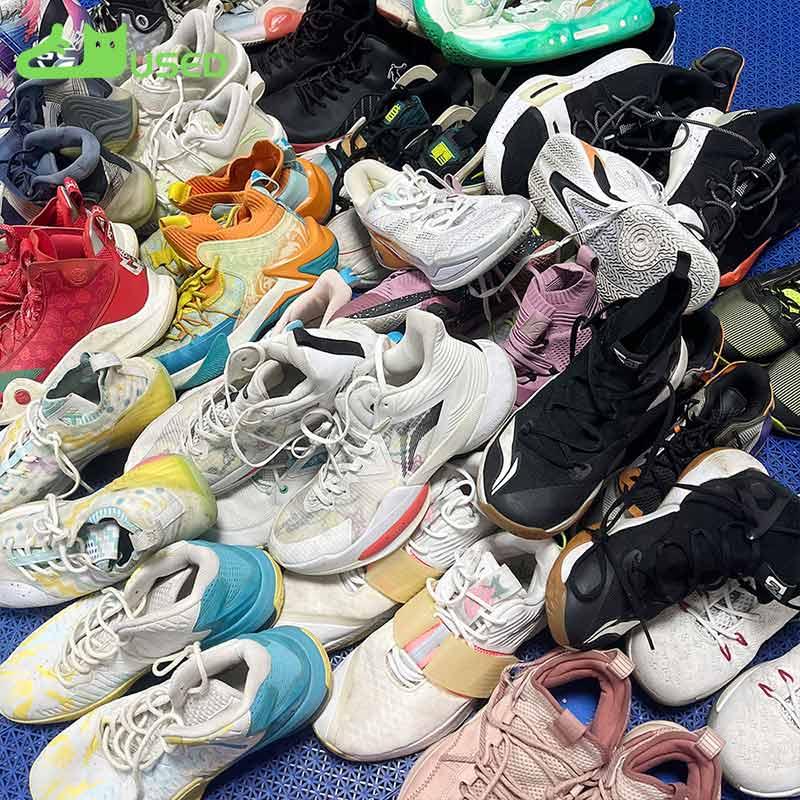
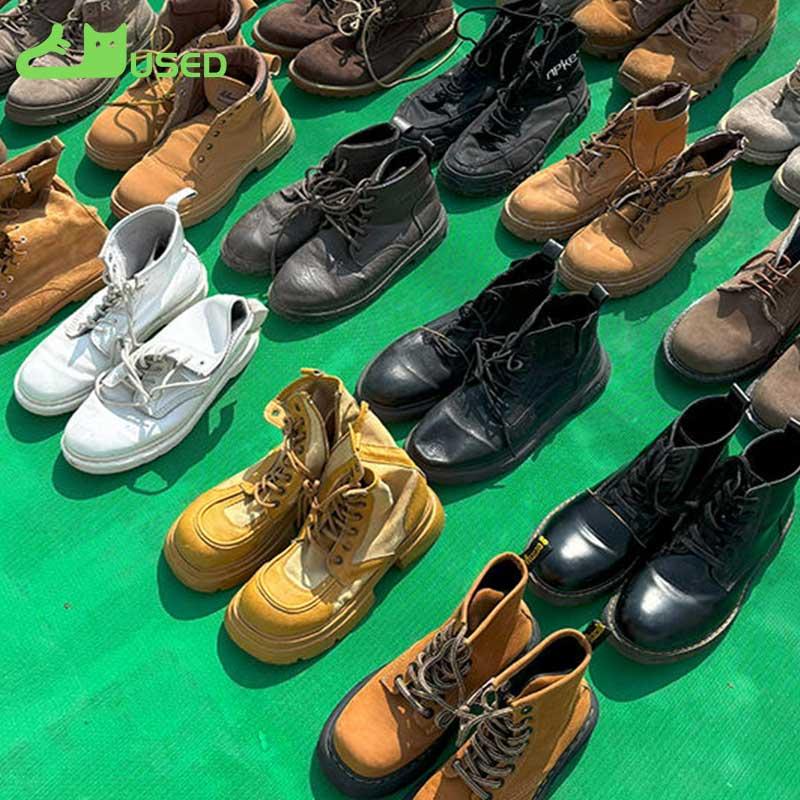
Record toe, vamp, quarters, shaft, flex zones, seams, closure parts, collar, pull tabs, visible reinforcement, surface damage, repairs and the complete upper-to-sole perimeter. Compare mates under the same light.
Do not infer material identity, toe protection or waterproof construction from appearance. Gaps, loose components, severe cracking or uncertain repair move to specialist hold or decline. Use neutral physical terms.
shape cuts seams and repair
parts attachment and operation
wear lining edge and pull
perimeter gap and movement
Capture heel, forefoot, edge and full outsole surfaces. Record wear imbalance, cuts, exposed layers, embedded objects, prior patching and separation. Use only an approved low-force check and stop when movement appears.
A tread pattern does not prove grip or safety on wet surfaces. Do not estimate remaining life. Route structurally uncertain or sharply damaged pairs to hold or decline regardless of market demand.
wear angle and edge
loss cuts and flex zone
exposure patch and separation
no wet-grip or life claim
The gate separates observable condition from unsupported workplace and weather performance claims.
| Gate | Observable evidence | Route | Claim boundary |
|---|---|---|---|
| Use | Named channel and supported wording | Ordinary or qualified route | No automatic workwear suitability |
| Upper/junction | Damage seams closure and perimeter | Ready service hold decline | No material/protection inference |
| Outsole | Wear cuts layers and repair | Physical route | No wet-grip or life prediction |
| Interior/wetness | Lining residue moisture and package relation | Isolate process or decline | No sanitation diagnosis |
| Trial | Released cost age returns and cause | One next control | No broad rainy-market claim |
A weather gate is complete when the buyer can describe the pair honestly without converting visual style into protection advice.
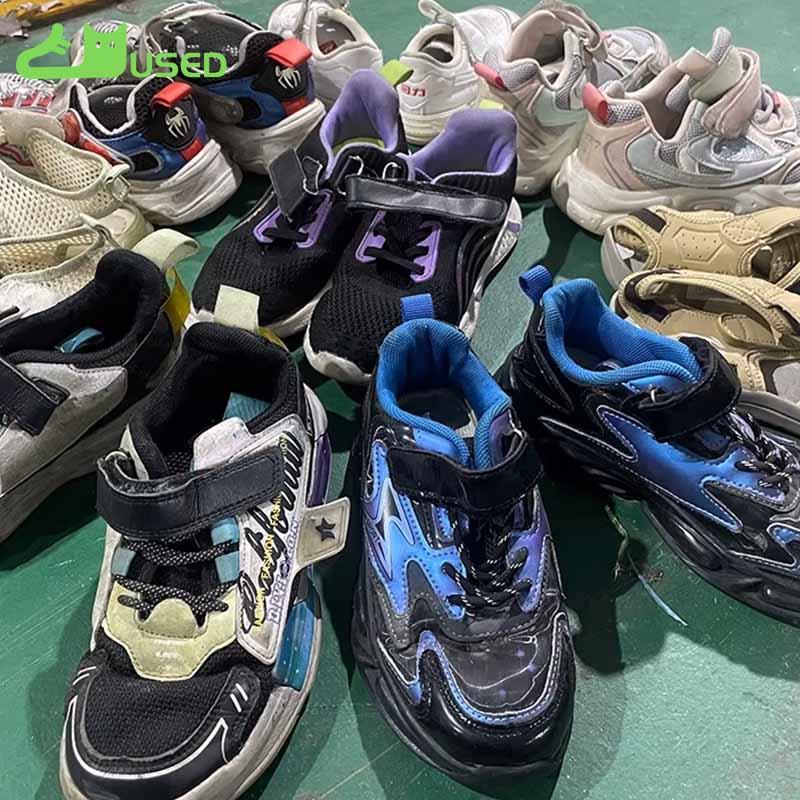
Inspect lining, heel-counter area, insole, loose layers, residue, odor observations under the approved protocol and current wetness. Record package moisture, storage relation and any supplied drying or treatment history.
Do not diagnose contamination or claim sanitation. Severe wetness, unknown residue, visible growth, pests, sharp objects or worker reaction follows the local isolation and escalation procedure. A dry surface does not prove hidden layers are stable.
wear opening and deformation
presence layers and marks
current observation and package relation
unknown or severe concern
Define cleaning or drying task, material basis, operator, equipment or product, setting where relevant, start, finish, capacity, stop rule and reinspection. Keep before-and-after evidence and disclose material changes.
A process record states what was done; it does not prove waterproofing, disinfection or restored performance. Use storage controls appropriate to the local operation and review stock after exposure. Keep wet or service-pending boots outside ready inventory.
one approved operation
touch and drying space
same fields after process
process not performance proof
Assign ready, serviced and rechecked, restricted, specialist hold and decline. Calculate released landed cost plus preparation, drying and service burden. Cap the first market exposure and set review and exit dates.
Record days held, markdown, questions, returns and contribution by boot profile and condition. Separate fit, condition, wetness, service, disclosure and price causes. Change one wetness limit, outsole tolerance, drying capacity, exposure cap or buying price.
ready serviced restricted hold decline
released plus direct weather burden
age markdown return cause
one local market control
No. Record wear without making traction or safety claims.
No. Those claims require appropriate supporting evidence.
Use the approved isolation, drying and escalation route before ordinary release.
No. Record the process and reinspect physical fields.
Use wetness, service burden, stock age, returns and local outlet outcomes.
Used boots for workwear and rainy markets need a clear claim boundary and weather gate before resale. The used men's shoes wholesale category provides the men's footwear context; local use questions, upper and sole inspection, wetness holds, controlled process records and trial outcomes govern selection. Use the page inquiry form to request current boot views, condition fields, size counts and packing conditions.

Direct Factory Supplier of Used Shoes For African Markets In China
 Tel: +8618606960861
 Email: info@usedshoeswholesale.com
 MP/WhatsApp: +8618606960861
 Manufacturer Address:Cizao Town, Jinjiang City, Quanzhou City, Fujian Province