Author:Used Wholesale Manufacturer TIME:2026-08-13
Hiking boot moisture and sole risk stops
A hiking-boot lot should be stopped and separated as soon as moisture, sole separation, deep structural damage or unsupported weather claims become uncertain. Terrain labels alone do not qualify a pair. Buyers need an observable outsole and junction record, a controlled moisture quarantine, a material-compatible preparation plan and a named resale route. Visual inspection cannot certify waterproofing, traction, safety, protection or remaining life. The commercial model must use complete released pairs and include the time, space and disposal burden created by wet or structurally uncertain stock.
Record whether the buyer intends trail-style resale, rainy-season everyday use, practical workwear or another named route. Ask that outlet to define acceptable form, marked sizes, visible condition, preparation and disclosure. Treat this as a commercial route, not proof of terrain suitability.
Use dated local stock and outcome records where available to cap each route. Search interest, supplier labels and country assumptions cannot determine quantities. Keep an unknown or trial cohort small and reviewable.
named channel and scope
form size condition and disclosure
dated local record
pairs money and review date
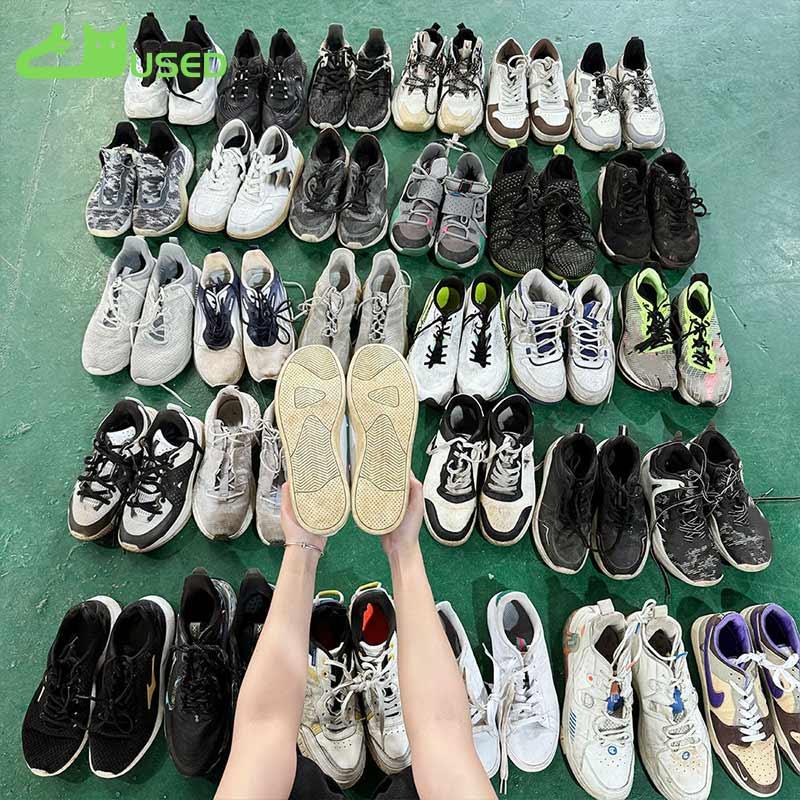
Capture both outsoles and divide heel, edge, midfoot and forefoot zones. Record visible lug loss, smoothing, cuts, exposed layers, embedded objects, patches, mate variance and separation. Inspect the complete upper-to-sole perimeter.
Do not infer traction or remaining life from lug depth or pattern. Avoid aggressive flexing. Major gap, movement, exposed structure or uncertain repair goes to specialist hold or decline under written limits.
heel edge midfoot and forefoot
lug loss smooth cut and exposure
gap movement and repair
no traction or life claim
Record toe and side-area damage, flex cracking, cuts, seams, hardware, eyelets, hooks, laces, tongue, collar, lining, insole, residue, odor observation and prior repair. Compare mates and document material evidence supplied by the seller.
Appearance cannot prove leather, waterproofing, insulation or protection. Use supported, limited or unresolved wording. Structural uncertainty or unsupported treatment requirements remain held.
cut crack seam and shape
eyelet hook lace and closure
lining insole residue and wear
supported limited or unresolved
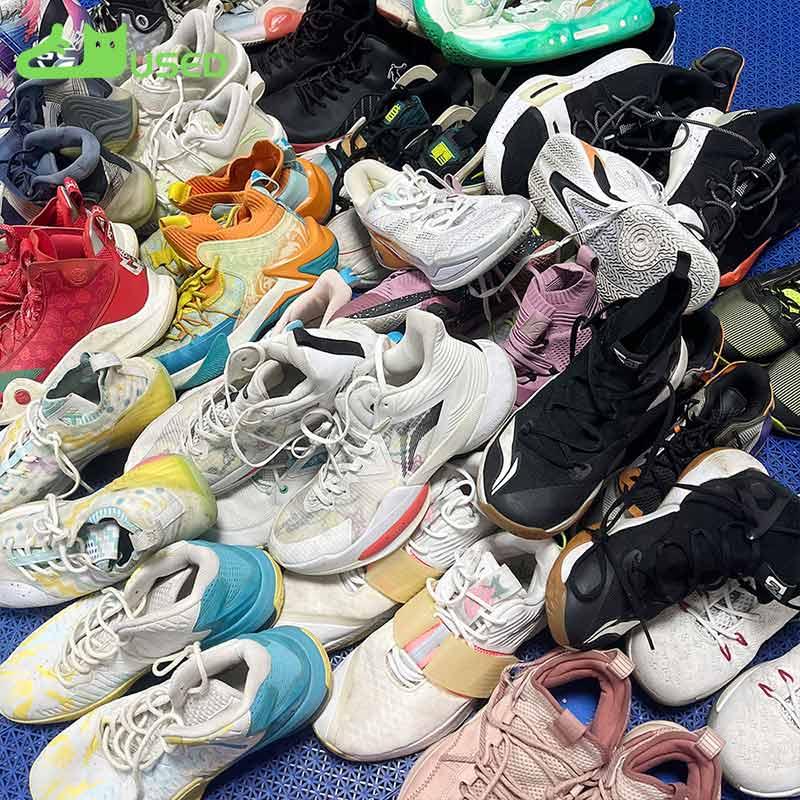
At sampling and receiving, record package wetness, visible dampness, staining, odor observation and storage condition using the buyer's protocol. Isolate affected packages and pairs so the condition is not hidden by normal preparation.
Define assessment owner, ventilation or drying method where approved, time, space, material boundary and reinspection. Do not certify dryness or hygiene from a brief touch or smell. Decline stock that exceeds the buyer's controlled process or evidence ceiling.
wetness damage and mark
location stain and odor note
owner method time and space
reinspect hold or decline
The register makes high-burden exceptions visible before they enter the released cost model.
| Stop | Evidence | Immediate route | Release requirement |
|---|---|---|---|
| Sole | Zone wear exposure junction gap and mates | Service specialist hold or decline | Written observable limit passed |
| Upper/claim | Damage hardware lining and supplied evidence | Qualified wording or hold | Condition and claim both supported |
| Moisture | Package pair observation storage and mark | Isolate and assess | Approved process plus reinspection |
| Economics | Released yield time space work and outlet | Cap reprice or decline | Downside remains viable |
| Receiving | Package-linked replay and variance | Hold affected package | All prior stops cleared |
A route is released only after structural, moisture, claim and economic stops are cleared independently.
Calculate goods, freight, destination, inspection, quarantine space, approved drying, cleaning, limited repair, pair matching, photography, listing and return burden against complete released pairs. Show holds and declines in the downside.
Set maximum time and cost by outlet. A cheap wet or separating pair can consume more capacity than its resale route supports. Keep disclosure condition-led and avoid safety or weather-performance promises.
complete released pairs
space time method and recheck
task cost deadline and ceiling
hold decline delay and return
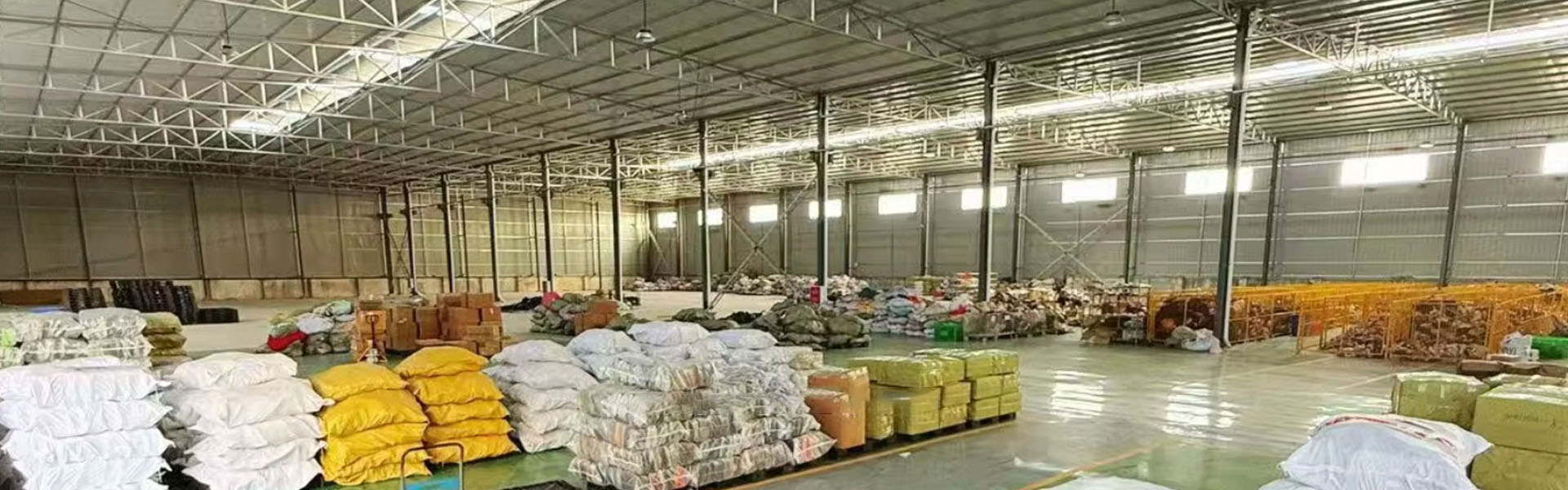
Pack physical routes and moisture status separately. Specify pair containment, abrasion protection, ventilation or barrier choices appropriate to the approved plan, unique marks, count basis, weight basis and substitutions. Do not seal unresolved damp stock into the normal route.
At arrival, inspect package state before preparation and repeat sole zones, junction, upper, interior and moisture fields. Hold exceptions by mark. Change one sample rule, moisture ceiling, service cap, package method or buying price from actual variance.
dry release service moisture and hold
approved package method
sole upper interior and moisture
one next-order stop
No. It is an observable wear field, not a surface-performance test.
Record supplied evidence and its limitation; do not make an automatic claim.
No. Isolate it under a defined moisture route first.
Use complete pairs released after all stops, with holds and declines visible.
Use package-linked variance to revise one stop, service or protection control.
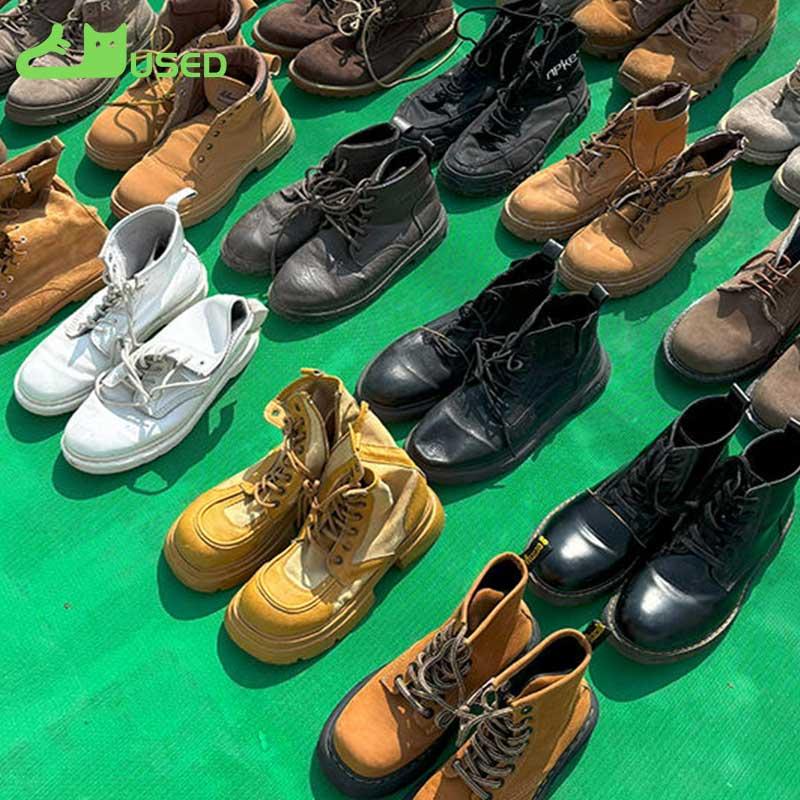
Used hiking boots should not enter a resale route until sole, moisture, claim and economic stops are cleared separately. The used men's shoes wholesale category provides the broader men's footwear context; conservative inspection, quarantine capacity and package-linked replay govern the lot. In the inquiry form, ask for package-specific boot images, outsole-zone evidence, moisture status, available size bands and the proposed protection method.

Direct Factory Supplier of Used Shoes For African Markets In China
 Tel: +8618606960861
 Email: info@usedshoeswholesale.com
 MP/WhatsApp: +8618606960861
 Manufacturer Address:Cizao Town, Jinjiang City, Quanzhou City, Fujian Province