Author:Used Wholesale Manufacturer TIME:2026-08-13
Nike assortment model question file
A Nike-focused wholesale offer should create questions, not automatic confidence. Buyers need to know whether model references belong to the exact pairs, how marked sizes and colors are distributed, which physical exceptions are present, and which claim wording the evidence actually supports. Model recognition cannot prove authenticity, cushioning, traction or remaining life. The working file is therefore organized around unresolved questions and release owners. Each answer must point to a pair, package, source and date before that cohort receives capital or a resale channel.
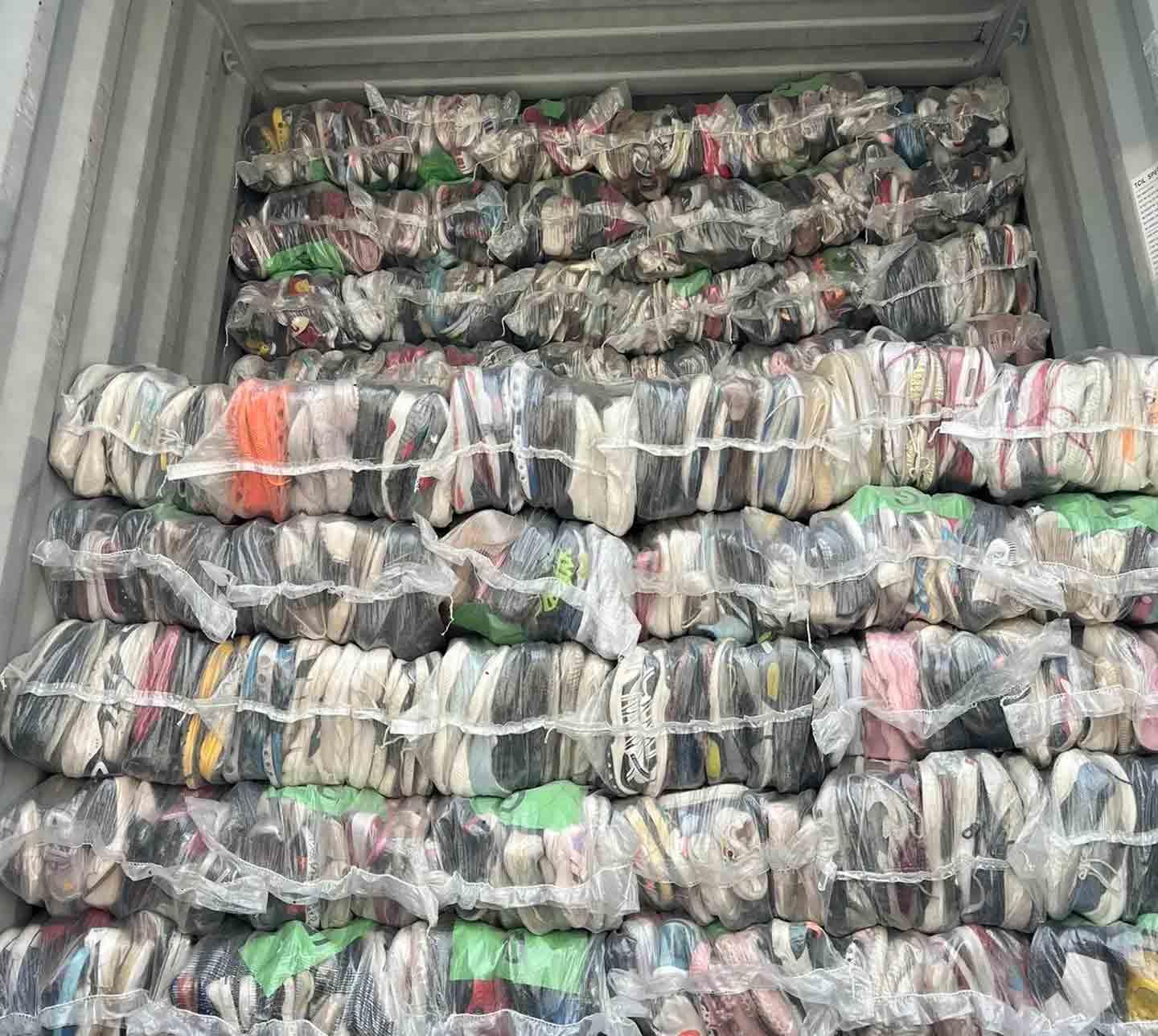
Assign pair and package codes and capture both shoes, marked size, color, visible model or style text, labels, seller stock relation and date. Distinguish exact pairs from a representative sample or capability image.
Record the source and limitation for each model reference. Preserve conflicts, unreadable text and substitutions in an unresolved register. A model name, code or silhouette is not automatic authentication.
mates marks color and package
source date and subject
exact sample or capability
conflict missing or unresolved

Review outsole zones, visible midsole shape, upper cuts and seams, toe, heel geometry, counter, collar, tongue, closures, lining, insole, residue, odor observation and prior repair. Compare mates under consistent views.
Do not infer cushioning, support, grip, safety or remaining life. Use ready, defined service, physical hold, restricted disclosure or decline. Keep the physical route independent of the model or claim status.
wear shape gap and mate variance
cut seam toe and closure
collar lining insole and residue
no performance inference
Count marked size with its stated system, visible model group, color group, physical route and unresolved question. Retain unreadable or mate-conflicting marks. Do not compress everything into one Nike total.
Use dated outcomes, stock age, requests, returns and markdowns from named outlets to set minimums and caps. Keep weak model-size cells small and preserve a review date. Broad brand demand cannot define the curve.
model size color and physical route
named channel and date
unreadable conflict or unresolved model
pairs money and review
Every unresolved question receives an owner, evidence request and commercial stop.
| Question | Evidence requested | Owner | Release consequence |
|---|---|---|---|
| Exact stock? | Pair package date and allocation | Purchasing | No allocation without relation |
| Model reference? | Source subject text and conflict | Evidence reviewer | Supported limited or hold |
| Physical route? | Outsole upper geometry interior and repair | Inspector | Ready service hold or decline |
| Size-cell demand? | Named outlet record and review date | Merchandiser | Range cap or trial |
| Arrival match? | Package replay and substitution record | Receiving | Release reopen or rollback |
The buyer releases a cohort only when its important questions have dated, pair-specific answers.
For labels, receipts, packaging, seller statements or third-party opinions, record source, subject, date, chain and limitation. Use qualified review where the intended outlet requires it. Mark claim status supported, limited, unresolved or rejected.
Write permitted listing language for each status and prevent the sales team from upgrading it. A clean condition grade cannot authenticate a pair, and a supported product claim cannot release physical damage.
issuer subject chain and date
supported limited open rejected
permitted channel text
review and reopen authority
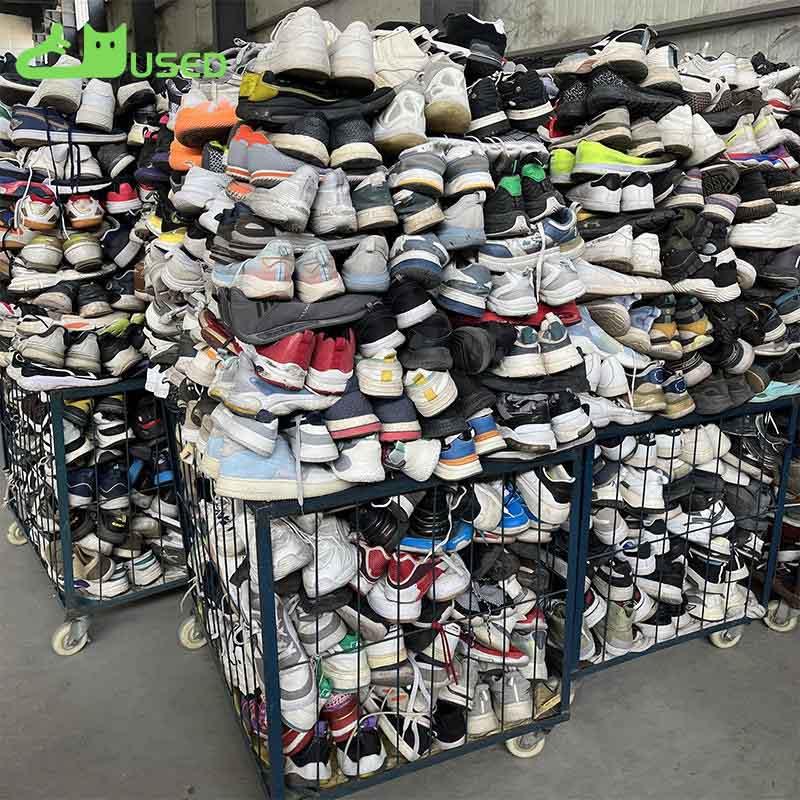
Name the outlet for each released cell and record evidence threshold, display or listing capacity, price lane and return rules. Add landed cost, inspection, claim review, approved cleaning, service, photography and holding burden against released pairs.
Use a trial cap when local evidence or model support is thin. Set maximum service time, evidence cost and days held. Do not use asking prices to hide unresolved questions or poor released yield.
named channel and requirements
released pair plus work and review
pairs money and date
transfer markdown hold or decline
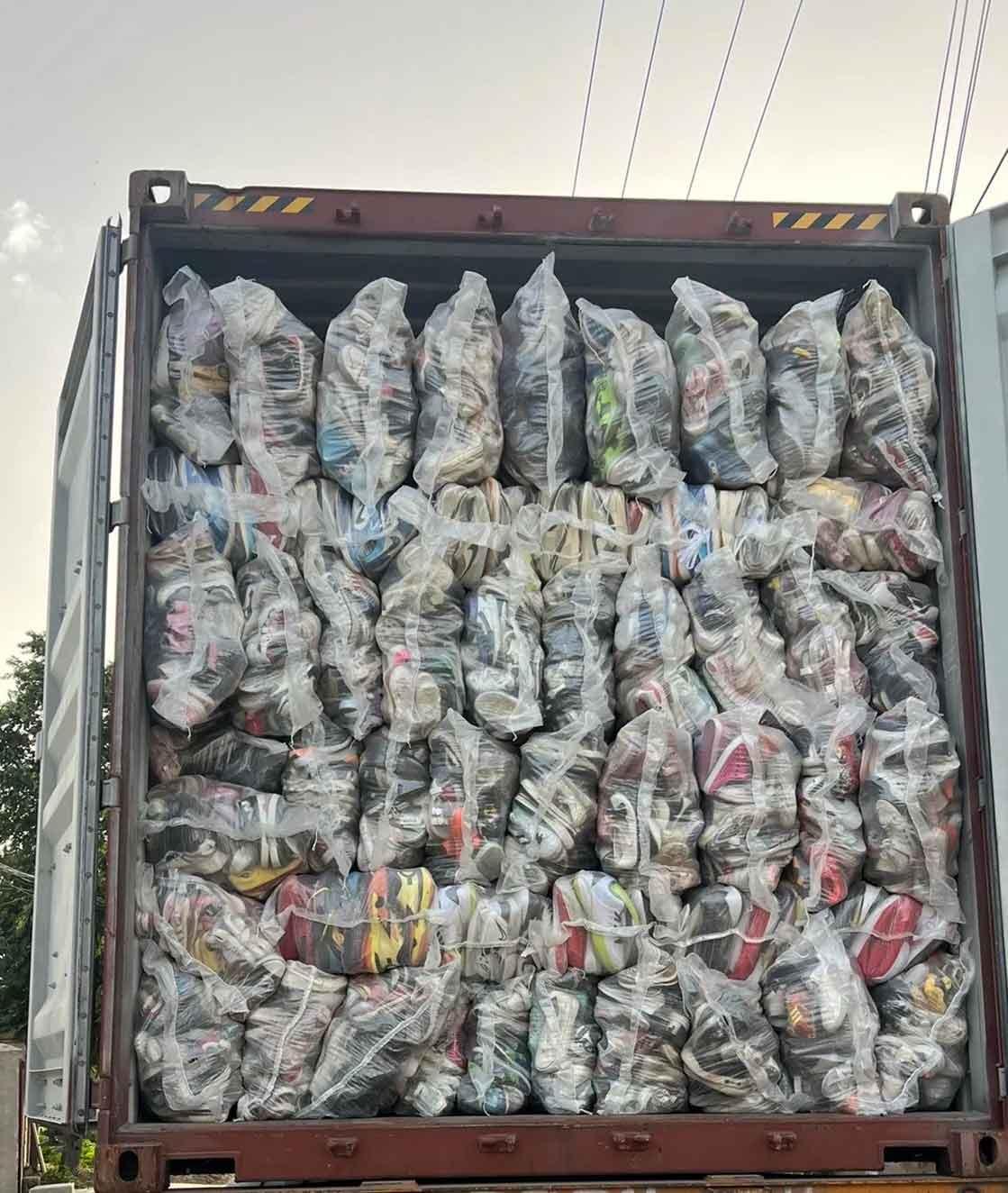
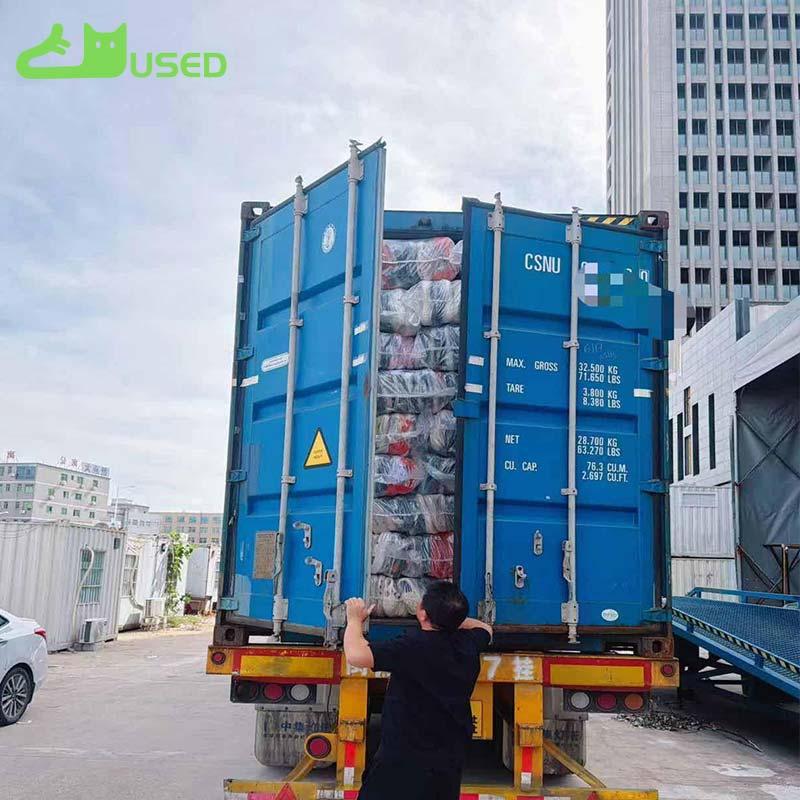
Separate model-size cells, physical routes and evidence holds. Use unique package marks, pair containment, count and weight basis, approved substitutions and a loading reconciliation.
At receiving, match pair and package references, repeat selected physical fields and resolve or reopen model questions. Hold unapproved substitutions. Change one evidence request, size-cell cap, service ceiling or package rule from the documented variance.
mark cell count and pair
owner and expected evidence
match physical replay and substitution
one next-lot answer

No. Record its source, subject and limitations.
No. Describe wear and geometry without performance claims.
Keep the marked system, model cell, physical route and channel attached.
Hold it, cap it or decline it; do not price uncertainty as certainty.
Reopen after substitution, conflicting evidence, service change or receiving variance.
Used Nike shoes become a controlled assortment when pair-specific model, condition, size and claim questions are answered separately. The used brand shoes wholesale category provides the branded-footwear context; channel caps, permitted wording and package-linked receiving evidence govern release. Inquiries should request the current model-size matrix, paired condition views, evidence limits and packing reconciliation.

Direct Factory Supplier of Used Shoes For African Markets In China
 Tel: +8618606960861
 Email: info@usedshoeswholesale.com
 MP/WhatsApp: +8618606960861
 Manufacturer Address:Cizao Town, Jinjiang City, Quanzhou City, Fujian Province