Author:Used Wholesale Manufacturer TIME:2026-09-27
Golf shoe spike-system register
Used golf shoes for sale should be reviewed through the outsole system first because the bottom construction controls cleaning work, replacement uncertainty, and permitted resale wording. A wholesale buyer needs clear records for spike type, missing or worn traction parts, turf staining, upper condition, marked size, and whether any waterproof or course-performance claim is unsupported. The lot is safer when spike-system questions are held before packing rather than discovered after arrival.
Separate soft spikes, spikeless traction, mixed outsole patterns, and unclear systems before price negotiation. Record missing pieces, clogged receptacles, stripped mounts, excessive wear, and whether replacements are buyer-approved. Do not assume compatibility from appearance alone.
When a supplier cannot show the actual outsole system on random pairs, the order should stay small or move into a mixed-footwear test. A product name is not enough because the cost risk sits under the shoe, where photos are often missing.
mount and missing count
traction wear
hold until shown
buyer-approved only
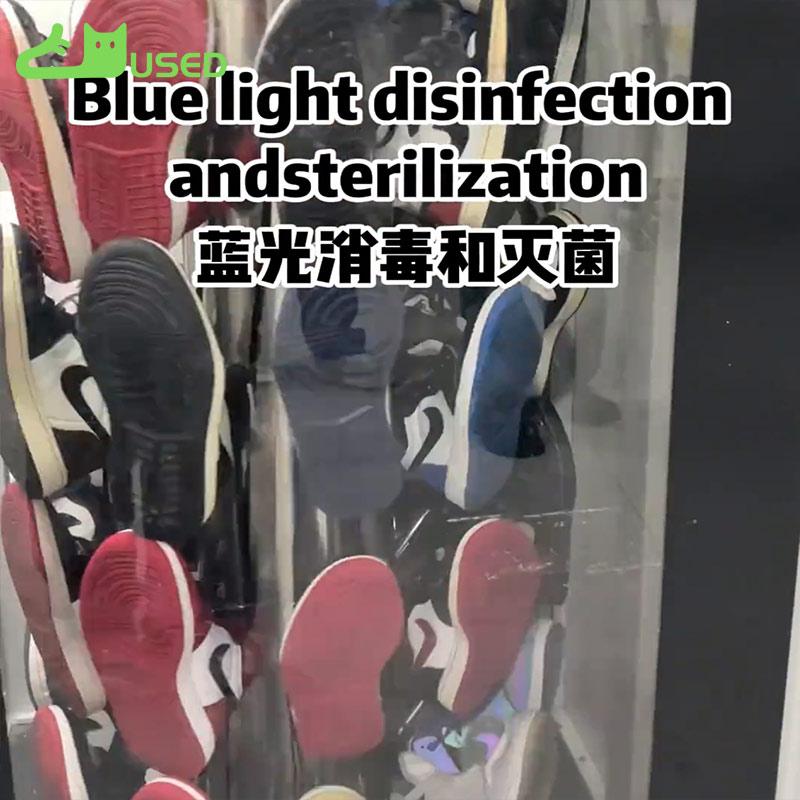
Grass wear can appear as outsole soil, green staining, damp interior odor, or upper marks around flex points. Record these conditions before washing so the buyer can see whether cleaning burden belongs to the shoe lot or to the receiving operation.
Upper appearance, outsole system, and interior handling need separate routes. A clean upper with stripped spike mounts should not be released like a complete pair, and a complete outsole with heavy interior odor may need a handling hold.
outsole and sidewall
stain, crease, or crack
odor and moisture
ready, clean, hold, reject
Most used-lot records can describe visible condition, complete mates, spike status, and size. They should not promise waterproofing, grip performance, course approval, or player benefit unless a current evidence route supports the statement.
Write the allowed resale wording into the manifest notes for the buyer's staff. This keeps the sales description from turning a condition file into a performance claim and reduces disputes when a pair is downgraded after inspection.
visible condition
waterproof or grip promise
wording boundary
reason preserved
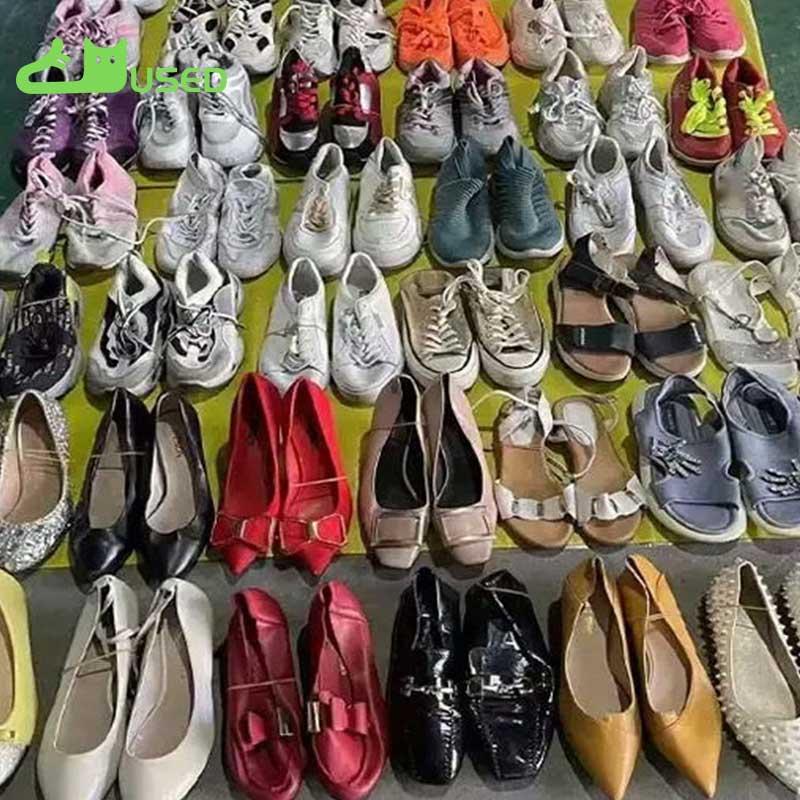
The table protects the buyer from treating unlike outsole systems as one grade.
| Register field | What to record | Hold trigger | Release use |
|---|---|---|---|
| Spike system | Soft spike, spikeless, mixed, unclear | Missing or stripped parts | System-specific cell |
| Grass wear | Soil, stain, odor, damp mark | Cleaning route open | Cleaning-cost line |
| Upper | Crack, crease, closure, mate | Structural or mate conflict | Ready or decline |
| Wording | Visible condition and size | Waterproof or grip claim gap | Limited description |
Each cell closes only when outsole, condition, wording, and cleaning records agree.
Cleaning work can include dry brushing, debris removal, permitted surface wipe, lace replacement, insole decision, drying time, and disposal of reject pairs. Keep minutes by route so one clean-ready group does not subsidise a soil-heavy group.
For buyers testing golf stock inside a broader mixed-shoe order, use the mixed-footwear category only as context while the spike register controls release. Do not scale the golf cell until cleaning time and released yield are measured.
brush, wipe, lace, dry
released pairs only
not a cost denominator
scale, cap, or pause
Cross marked size with spike system, upper material, route, cleaning burden, and target channel. A reseller serving club-adjacent thrift buyers, online sports listings, or general market stalls may need different explanation and display work.
Cells with missing spike evidence, uncommon sizes, high cleaning burden, or unsupported wording should remain capped. Record current stock age and completed outcomes before expanding that cell in the next order.
marked pair cell
soft, spikeless, unclear
club, online, market
uncertain cells
Spike system, missing traction parts, and turf soil can decide cost even when the upper looks clean.
No. Use visible condition wording unless a current approved evidence route supports the claim.
Keep them separate until the buyer's local sales records support one combined route.
Record permitted tasks and minutes by cell, then divide by released pairs rather than gross pairs.
Repeat spike system, mate, marked size, upper, interior, route, package code, and count checks.
At arrival, repeat outsole system, mate, size, upper, interior, and work-route checks on coded package positions. Note new mud transfer, missing spikes, compression, odor variance, or package count differences without inventing a cause.
The second order should change one field only: spike-system acceptance, sample depth, cleaning ceiling, package method, or size-cell cap. The reason should be tied to receiving variance and local results, not to search interest alone.
same outsole fields
affected package code
one rule
source and arrival evidence

Used golf shoes for sale become measurable when spike system, grass wear, cleaning burden, size lane, and receiving evidence are kept in one file. The used mixed shoes wholesale options help compare wider assortment choices, while the spike register decides whether golf shoes are ready, capped, or held.

Direct Factory Supplier of Used Shoes For African Markets In China
 Tel: +8618606960861
 Email: info@usedshoeswholesale.com
 MP/WhatsApp: +8618606960861
 Manufacturer Address:Cizao Town, Jinjiang City, Quanzhou City, Fujian Province