Author:Used Wholesale Manufacturer TIME:2026-10-28
A buyer requests used tennis shoes for everyday resale. An intermediary translates the phrase as shoes for playing tennis, and the supplier answers that different request. Everyone may think the quotation is progressing while the intended product has changed. The correction needs more than another translated category name: preserve the original words, ask each party what they mean, and connect both answers to one identified order line.
The following exchange is hypothetical. Its English sentences show the meaning of an imagined cross-language conversation, not a real customer's messages. The change happens when an everyday product label becomes an intended-use statement.
"Please quote used tennis shoes for everyday resale. I mean casual sneakers, not footwear requested for playing tennis."
"Please quote used shoes for playing tennis."
"The relay changed the intended meaning. Please retain 'tennis shoes' as the buyer's original term and answer the casual-sneaker request described beside it."
Keep the original-language messages with those explanations. Mark the relayed sentence as superseded instead of silently replacing it: otherwise the supplier may keep answering a forwarded copy that still contains the sporting-use request.

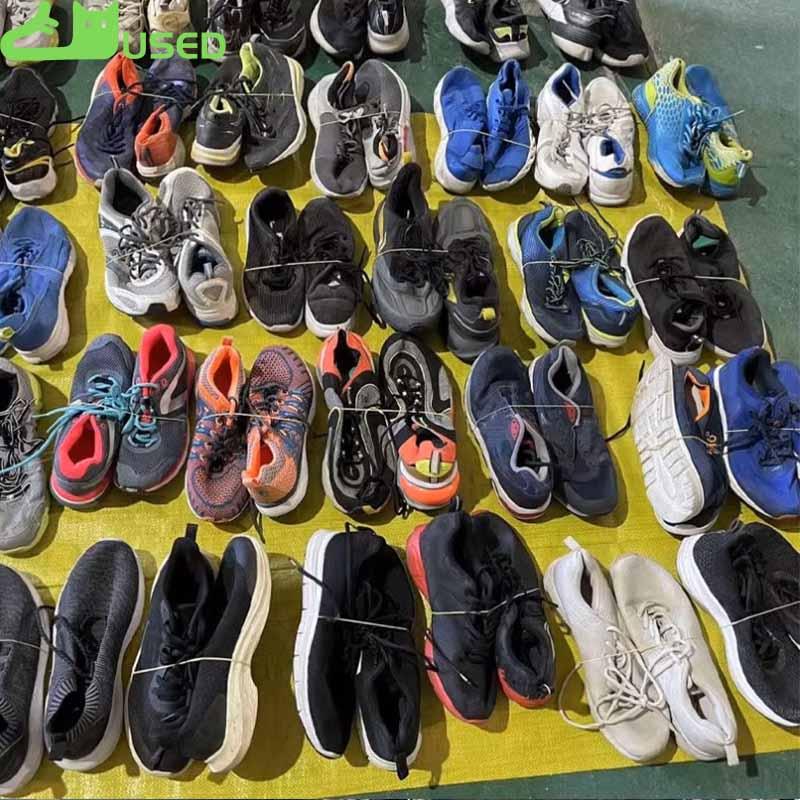
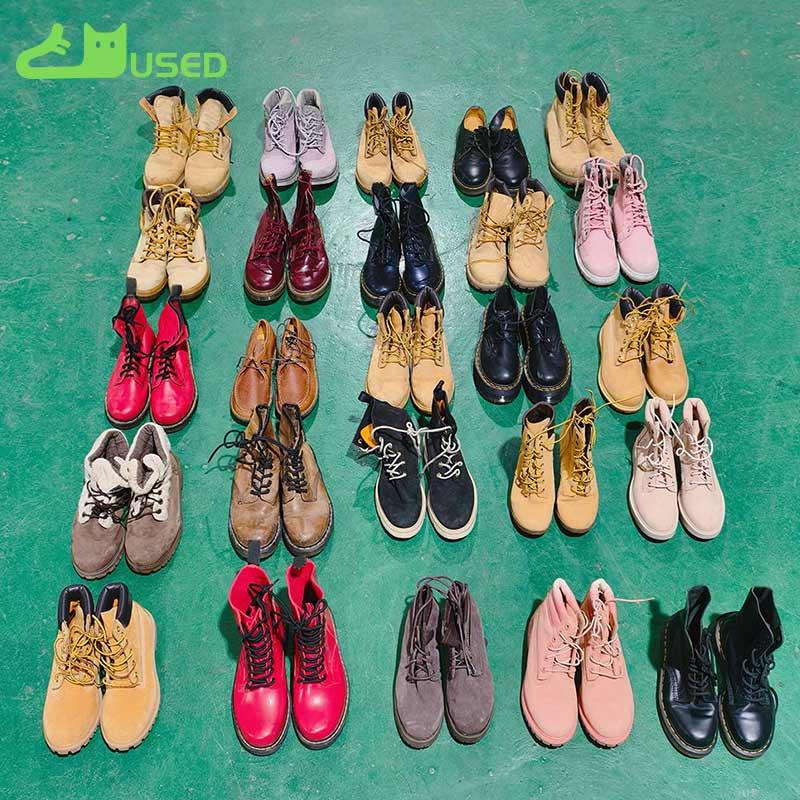
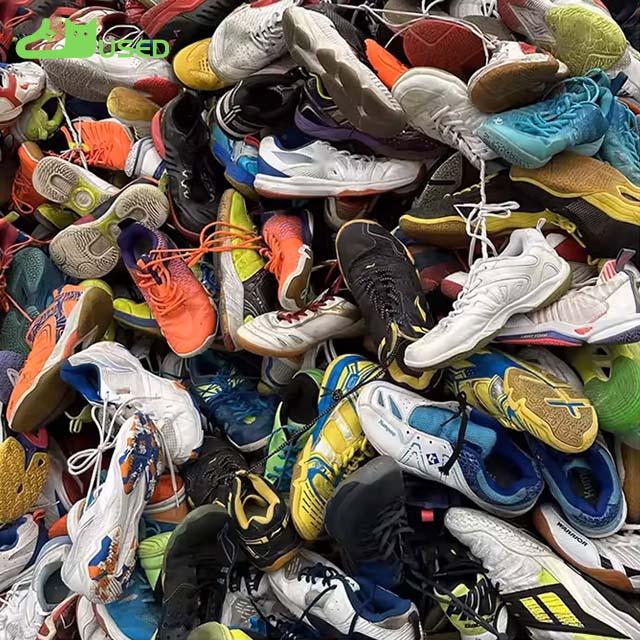
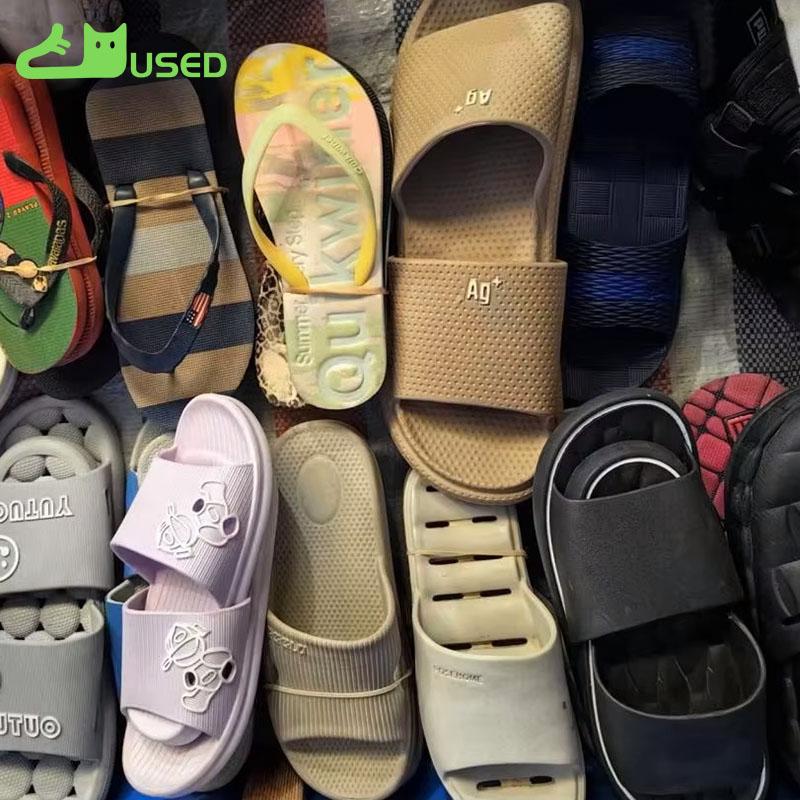
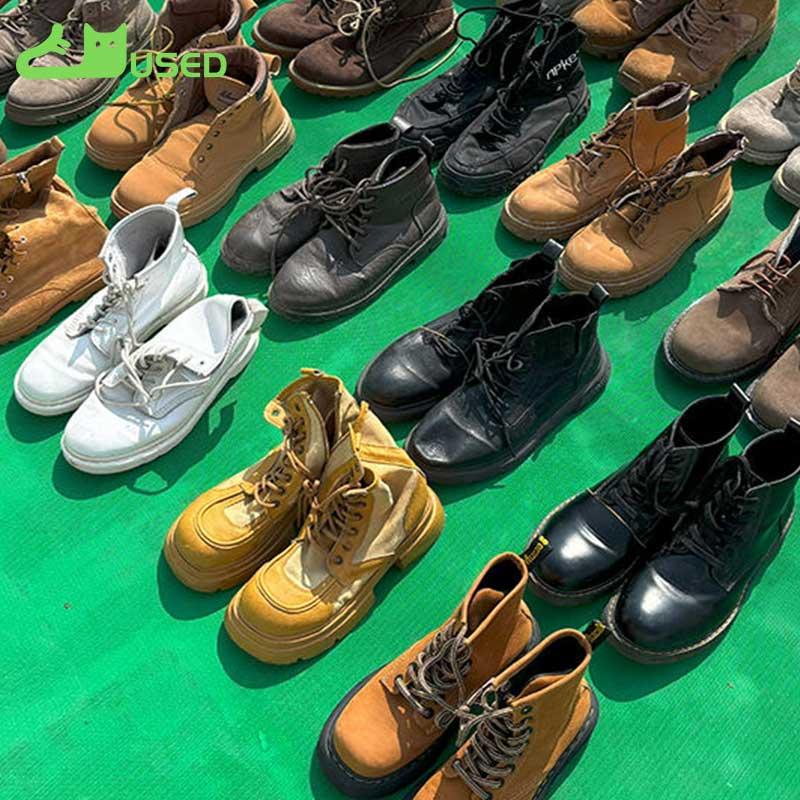
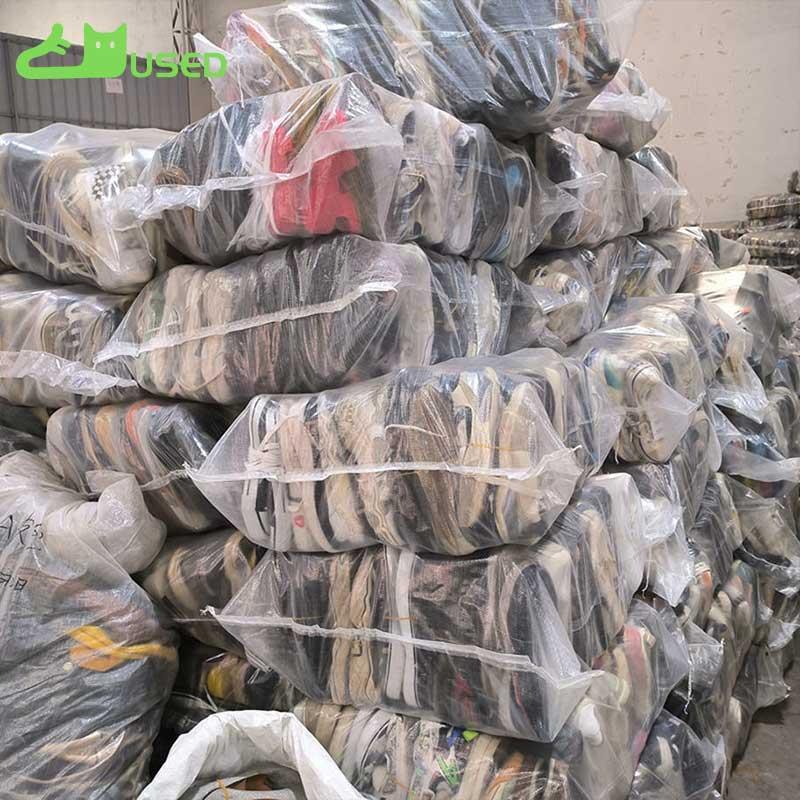
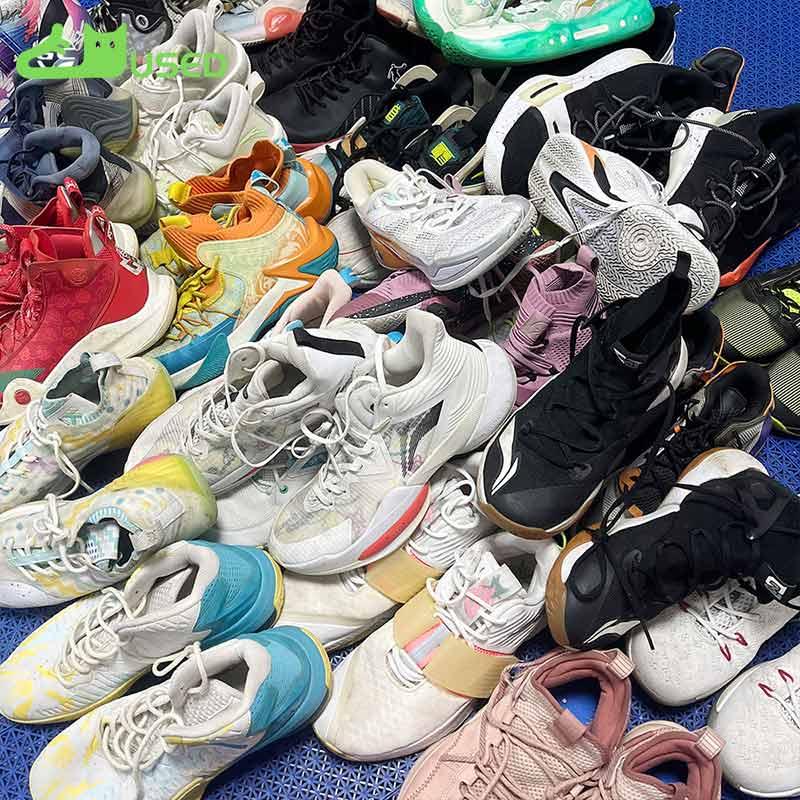
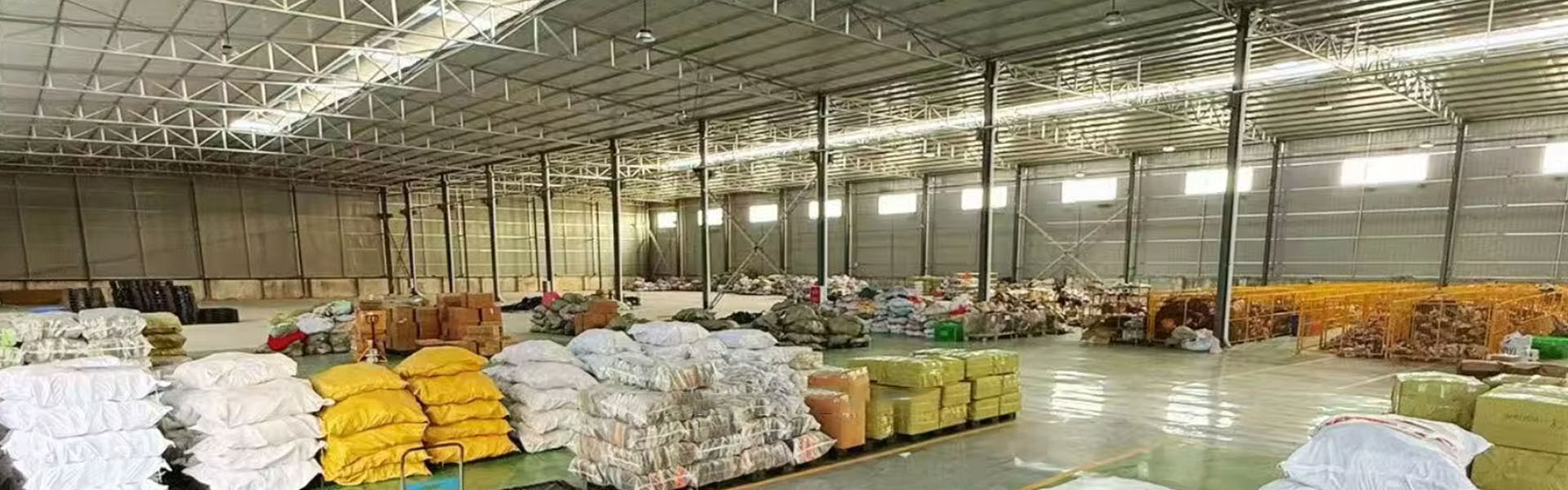
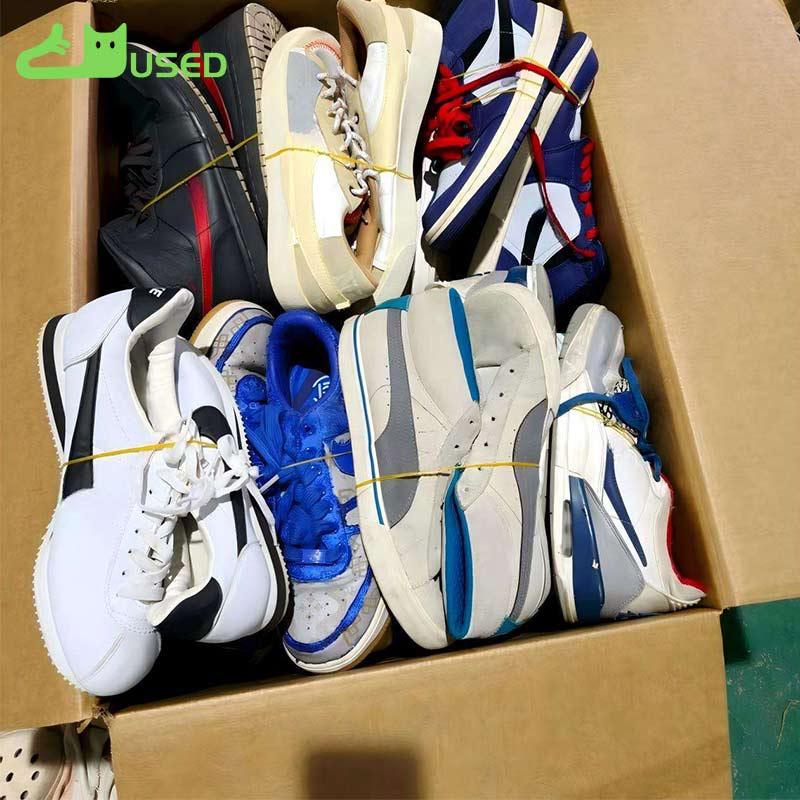
All three photographs are product or category illustrations, not records of this hypothetical exchange, an offered shipment or tested tennis performance.
Ask the buyer to explain the requested goods in their own language. Ask the supplier, separately, to describe what they understood and what their reply covers. The intermediary should preserve both answers, identifying the speaker and the order-line reference. A summary such as "both sides agree" removes the very distinction being checked.
For this example, the buyer's explanation is everyday casual sneakers. The supplier's explanation is still an open question until they answer. A link to used sneakers can accompany the clarification as context, but ask whether the supplier understood that explanation rather than accepting a repeated link as agreement.
These hypothetical replies close different parts of the question. Keep the supplier's original response beside the interpreted version, then choose the next action from what they actually answered.
| Supplier reply | Resolved | Still missing | Next action |
|---|---|---|---|
| "Yes, tennis shoes." | The label was acknowledged | Supplier's meaning of the label | Ask them to explain the goods without repeating only those words |
| "Casual sneakers for everyday resale." | Supplier understands the casual meaning | Buyer's acceptance of that interpretation on this row | Return the explanation to the buyer and confirm the row reference |
| "These are for playing tennis." | Supplier is answering the sporting interpretation | Whether they can answer the original casual request | Identify the changed meaning and request a corrected reply, not a silent substitution |
| "We can quote either. Which do you mean?" | Supplier recognizes two possible requests | Which one the buyer selects | Obtain the buyer's explicit choice and have the supplier restate that choice |
For the third reply, leave the row unresolved. If the buyer now changes their intention, record that as a new instruction rather than pretending the first translation was correct. No reply in this exercise establishes the physical suitability of a particular used pair.

Use one reference for the correction, such as hypothetical row T-1, revision 2. Put the original phrase and each party's interpretation beside each other. Only complete the supplier field with their actual reply; an intermediary must not write an agreeable answer on their behalf.
A wholesale used sneakers quotation may have other unresolved fields. Identify those separately so agreement about the product term is not reported as approval of the entire quotation. If the revision changes only meaning, say which other fields remain unchanged or unanswered.
Send the corrected row to both parties. Ask the buyer whether the supplier's explanation matches the intended purchase. Ask the supplier whether their quotation answers that same explanation. Each reply should identify the row revision, especially when earlier messages contain a different meaning.
A second machine translation can help locate inconsistent wording, but agreement between translation outputs is not agreement between people. Repeating the disputed phrase through another service may reproduce the same ambiguity. If direct conversation is impractical, a bilingual intermediary can relay the explanations while retaining who said what and requesting each party's response.
For second hand sneakers, close this language question when both replies refer to the same interpretation and revision. A changed answer reopens that row. Preserve it as a correction, not as a reason to erase the earlier exchange.
Ask the sender to identify their answer for each line separately. Until they do, do not apply the confirmation to both products or assume it covers whichever line was discussed last.
It can explain the speaker's intention. Send back a short written transcription with the order-row reference and ask the speaker to confirm or correct it.
Ask its author to expand it first. Retain the abbreviation beside the full words, then translate the explanation; guessing whether it names a product, model or quantity unit introduces another ambiguity.
Treat it as acknowledgement of receipt unless the sender explicitly confirms the interpretation. Ask a short question tied to the corrected row rather than assuming the symbol answers it.
Return the original phrase, the two speakers' explanations and one corrected order row together. Use the supplier's answer to identify what remains unresolved, then obtain separate confirmations of the same revision. That closes a translation question through the parties' stated intent, not through a more fluent repetition of the disputed words.

Direct Factory Supplier of Used Shoes For African Markets In China
 Tel: +8618606960861
 Email: info@usedshoeswholesale.com
 MP/WhatsApp: +8618606960861
 Manufacturer Address:Cizao Town, Jinjiang City, Quanzhou City, Fujian Province