Author:Used Wholesale Manufacturer TIME:2026-11-13
A request for a white rubber rim is an appearance request. A request for cupsole construction is a request about how the shoe is assembled. When buying used sneakers, those requirements can point to different selections even when the side photographs look similar. Decide which matters before asking the supplier to sort the assortment.
Start with the reason for the request. A shop may want a low-sided casual silhouette. Another buyer may want a technically identified assembly type for a specialist assortment.
The first buyer can describe the visible shape without naming a manufacturing process. The second needs a model-specific construction answer. Calling both requests "flat rubber soles" loses the distinction.
Write one sentence that settles this choice: "The rim appearance is the requirement; construction may vary," or "Construction must be identified; a similar-looking rim is not a substitute." These are alternative purchasing instructions, not descriptions of stock available today. A supplier can then explain which instruction a proposed selection answers.
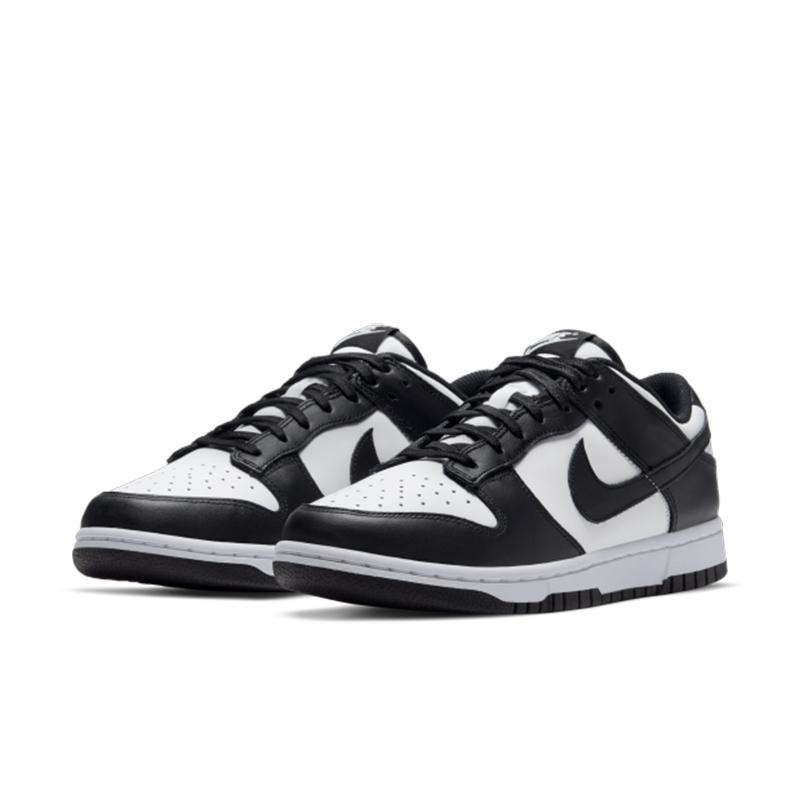
A cupsole uses a preformed sole unit whose raised edge surrounds the lower upper. The unit is made before attachment to the shoe. Depending on the design, attachment can involve adhesive and stitching. The word describes the construction arrangement; it does not specify one universal rubber recipe, thickness or internal cushioning system.
In traditional vulcanized sneaker assembly, rubber sole components and the surrounding rubber strip are bonded through a heat-based process. That surrounding strip is commonly called foxing. Vulcanization concerns how rubber is processed and joined in the assembly, rather than simply the shape of the finished outsole.
These descriptions explain why two similar outlines can have different construction histories. They do not create a ranking of all shoes. Avoid replacing the assembly term with "better," "stronger" or a promise about how a used pair will perform. Such a promise would require information beyond the construction name.
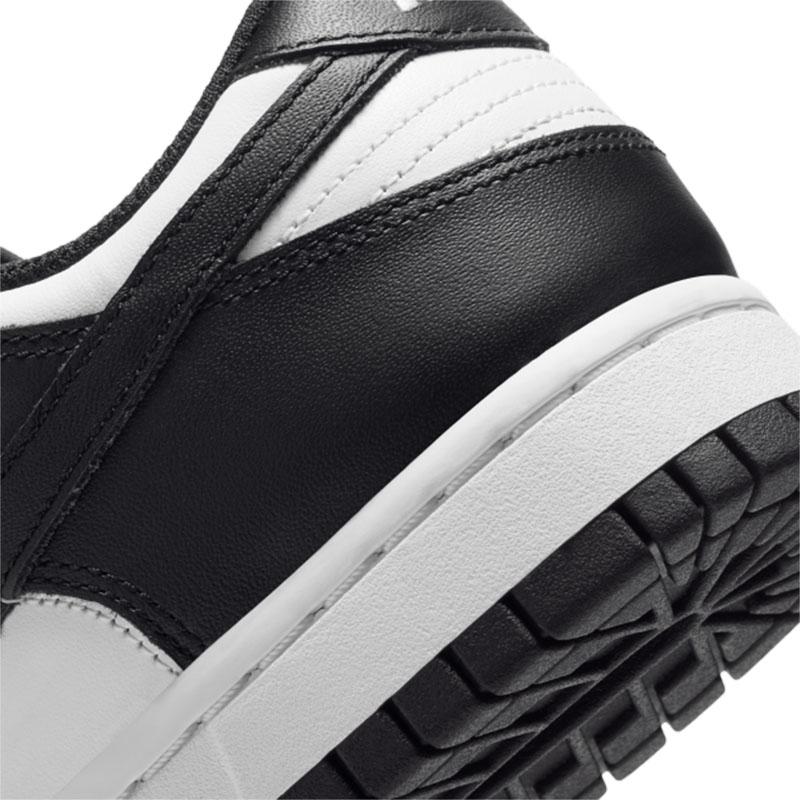
Use these separate names when discussing a photograph. "Pale rim with a dark tread edge" describes visible features without inventing a process. "Cupsole" should be reserved for a supported construction description. Likewise, a strip-like appearance around the perimeter is a useful observation, but a construction-specific order should not rely on that observation alone.
The useful decision is whether construction is mandatory, optional or irrelevant to this particular assortment. Do not make the supplier infer that decision from an example photograph. The comparison below is an original planning aid, not a grading standard or a report of a completed transaction.
| Buyer requirement | What answers it | What does not answer it |
|---|---|---|
| A particular rim appearance | Agreed side-profile features on the proposed shoes | A construction term with no match to the requested appearance |
| Identified cupsole construction | Applicable construction information for the exact proposed model | A thick rim, visible stitch-like line or familiar color combination |
| Identified vulcanized construction | Applicable assembly information for that version | A low profile or a canvas upper considered in isolation |
| Either construction accepted | An explicit mixed-construction agreement | Silently changing a construction-specific request into a visual assortment |
When construction does not affect your buying decision, do not make it an unnecessary filter. Keep the visual requirement and leave that technical field unspecified. When it does matter, an unanswered field is a real purchasing gap. Resolve it before counting the proposed shoes toward a construction-defined selection.
Some designs combine elements associated with different construction families. A hybrid description is not automatically an error. Ask which part of the assembly the term describes and whether it answers the requirement you actually set. Do not force every proprietary construction into one of two boxes just to complete a spreadsheet.
A reply such as "rubber outsole" identifies a material category, not necessarily cupsole or vulcanized assembly. "Low top" concerns the upper's height. "Skate style" concerns the product description. None of those replies answers a construction-specific question by itself. Return the unanswered field once, in plain language, rather than collecting more adjectives about the same shoe.
Keep model versions distinct. An explanation for one version should not automatically classify every shoe with a similar name or appearance. If the exact version cannot be established, retain the visible description and leave assembly unconfirmed. Do not rename the uncertainty as a third construction type.
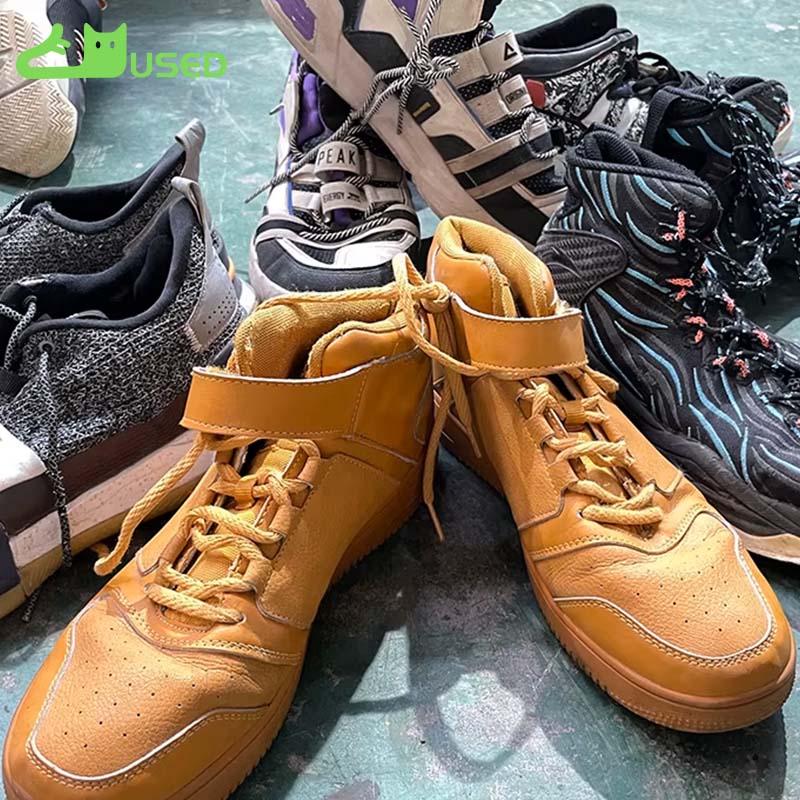
A broad used sneaker assortment is the starting category, not confirmation that a specific construction split can be supplied. State any requested split separately from size selection, condition grades and packing choices. Those options require confirmation in the quotation. The supply minimum is one 20-foot general-purpose container, or 1x20GP; a construction example is not an offer of a small individual lot.
After the construction question is answered, retain its limited meaning. It does not establish authenticity, current stock, bond condition, remaining life or skating suitability. Nor does it authorize refurbishment. A repair proposal belongs in a separate discussion about the actual affected pair, not in the field describing how the model was originally built.
No. The strip's appearance can be described directly, but construction-specific purchasing needs information applicable to the model and version.
No. An exterior stitch line does not reveal every internal connection. Avoid expanding a visible detail into a complete assembly claim.
Yes. Cupsole describes a construction arrangement, not a fixed minimum height. Keep profile requirements in a separate field.
Ask what the hybrid term covers, then compare that answer with the requirement. Accepting a hybrid should be an explicit choice, not a hidden substitution.
Choose whether you are buying an appearance or an identified assembly type. Then use cupsole and vulcanized for construction, rim and tread for visible parts, and a separate field for acceptable variation. That produces a clearer sneaker request without turning a construction name into a quality or performance guarantee.

Direct Factory Supplier of Used Shoes For African Markets In China
 Tel: +8618606960861
 Email: info@usedshoeswholesale.com
 MP/WhatsApp: +8618606960861
 Manufacturer Address:Cizao Town, Jinjiang City, Quanzhou City, Fujian Province