Author:Used Wholesale Manufacturer TIME:2026-01-26
Collection chain field guide
Used women's shoes are previously owned pairs that remain candidates for another use after pairing, condition review and preparation. The useful collection question is not simply where shoes come from. A buyer needs to know how custody, pair identity, contamination controls, sorting decisions and packing records are preserved from intake to a wholesale lot.
Collection may involve donation points, recovery programs, household clearing, institutional drives or commercial take-back routes. Those labels describe an intake channel, not the quality of its contents. Record the source stream, collection period and container code before material is combined.
Keep wet, contaminated, loose or damaged items away from ordinary paired footwear. Staff should have a visible hold route for sharp objects, heavy soil, persistent dampness and unknown residues. A collection target should never override basic handling safety or the need to protect reusable pairs from a weaker stream.
where and when the container entered custody
material kept outside ordinary sorting
containers or items passed to the next stage
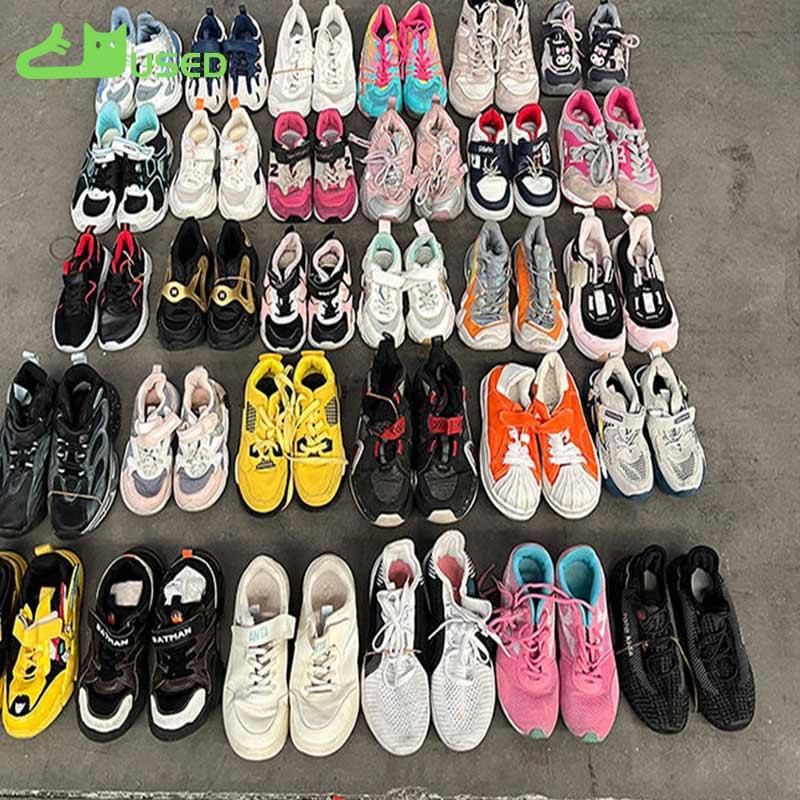
A single shoe is not saleable inventory. Match left and right by model family, compatible size marks, construction, color and comparable wear. Give the pair a working code so later cleaning, grading and packing records refer to the same object.
Place uncertain mates, unreadable sizes and inconsistent constructions in separate lanes. Do not improve a pair count by forcing visually similar shoes together. The first reliable commercial figure is the number of complete pairs that can proceed to condition review, not the gross number of individual shoes collected.
complete and compatible pair
labels or construction disagree
mate not located
insufficient evidence
Check sole attachment, outsole loss, upper tears, heel stability, closures, interior condition and odor using rules appropriate to each shoe form. High heels, sandals, boots, flats and sneakers do not share one failure route. Preserve photographs of representative passes, holds and rejects before preparation.
Cosmetic soil may move to an approved cleaning lane. Structural separation, unsafe heel damage or material failure needs a different disposition. Keep preparation work visible rather than describing every pair that can be cleaned as already ready for resale.
within the written condition boundary
approved cleaning or minor work
review or repair decision pending
outside the reusable lot
The ledger should reconcile material at every transfer instead of treating collection and wholesale packing as unrelated steps.
| Stage | Record | Decision |
|---|---|---|
| Intake | Source stream, container and date | Accept or isolate |
| Pair | Mates, size marks and conflicts | Match or hold |
| Condition | Observable reason codes | Pass, prepare, hold or reject |
| Release | Accepted pairs and unit code | Pack for wholesale |
If totals do not reconcile, investigate the missing lane before a commercial quantity is quoted.
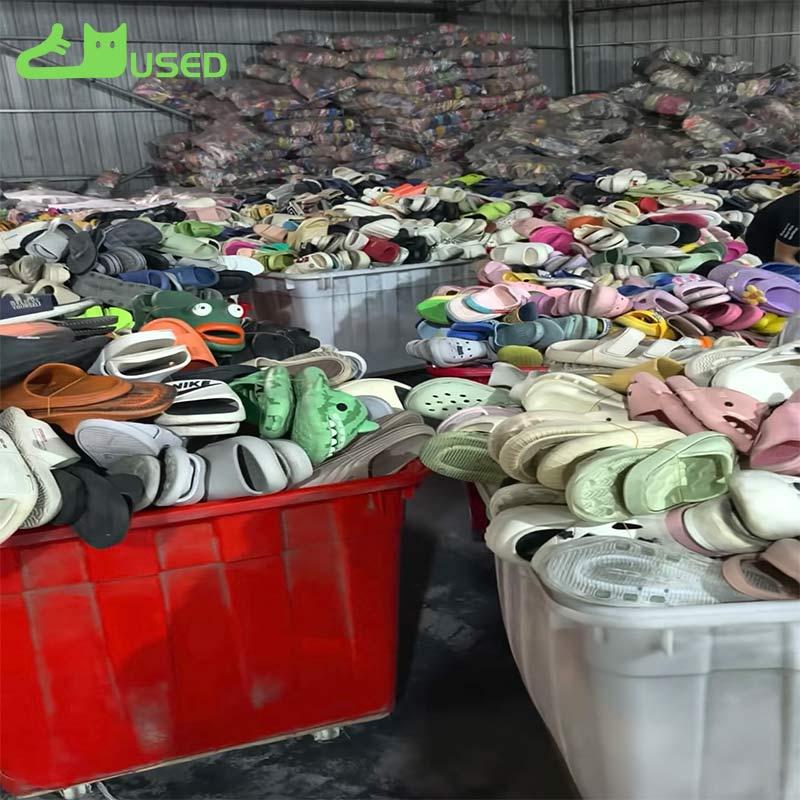
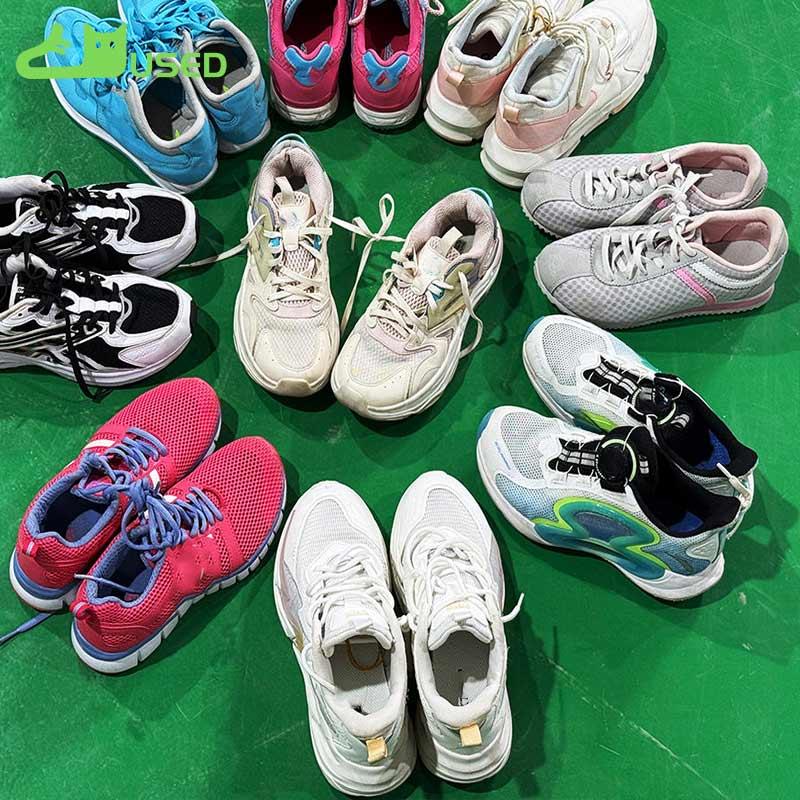
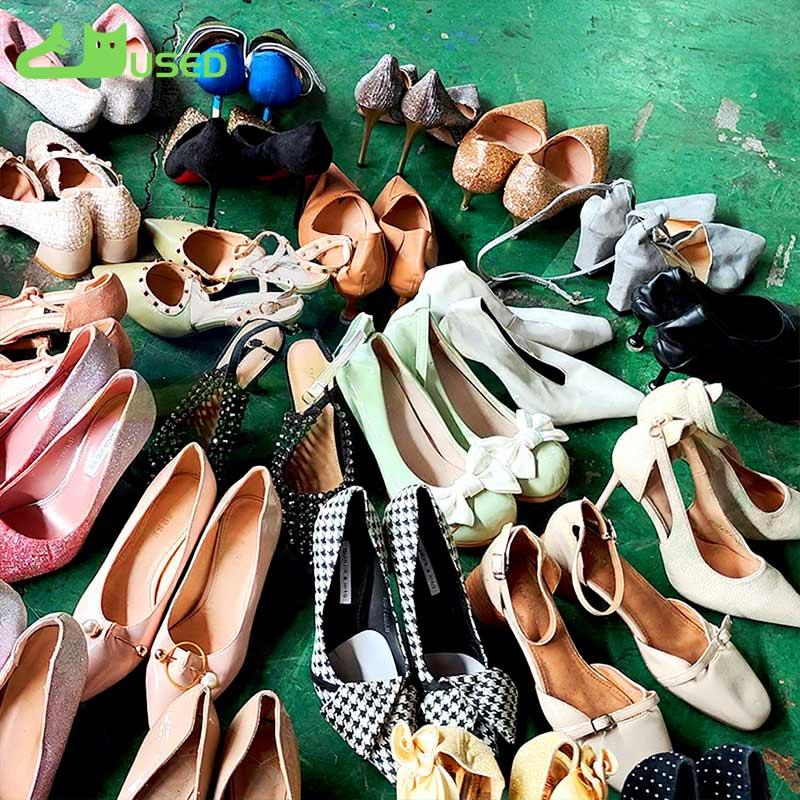
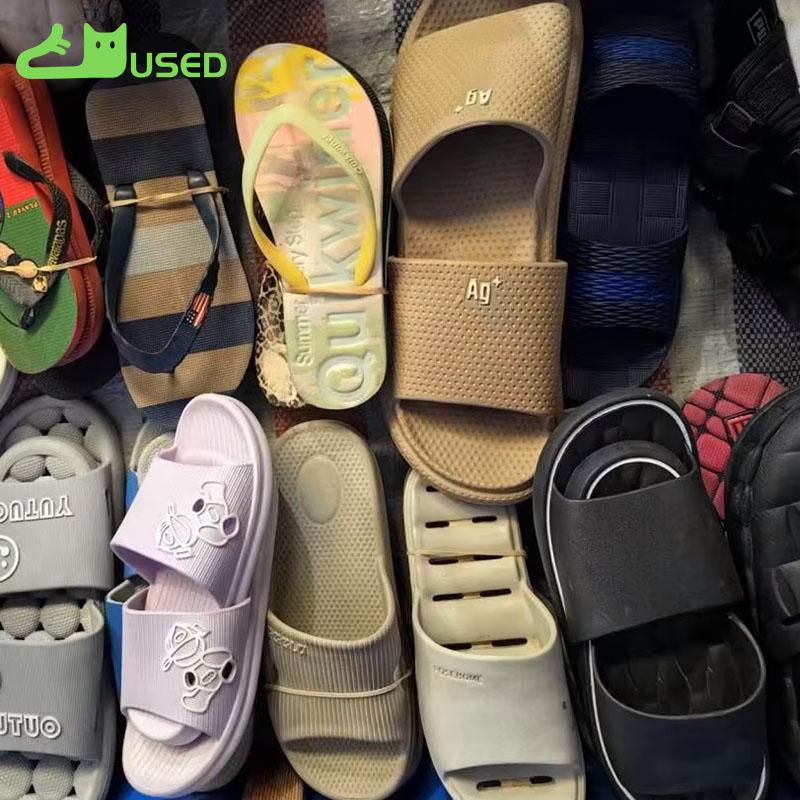
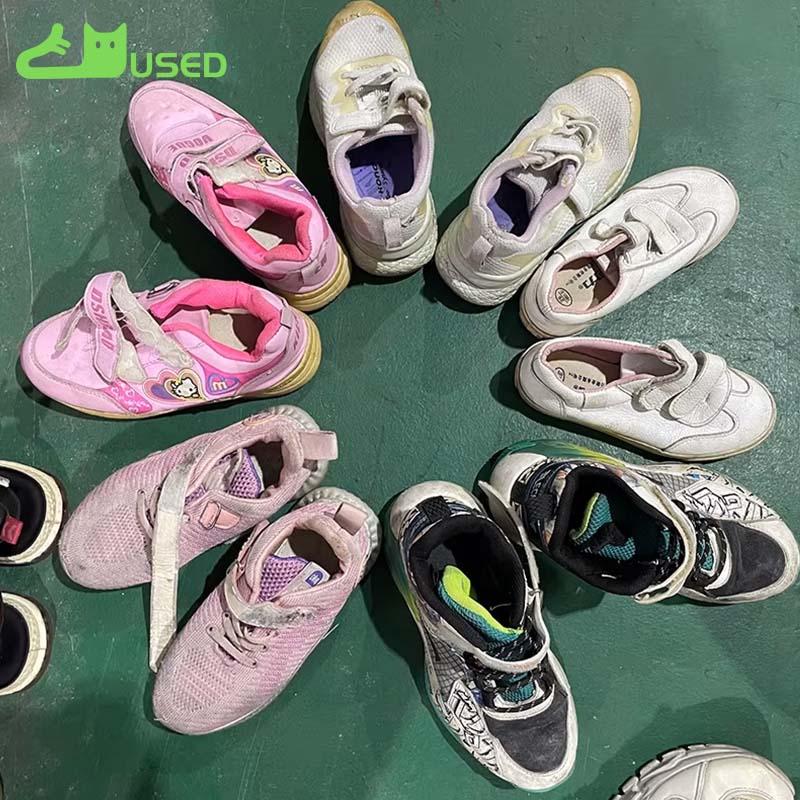
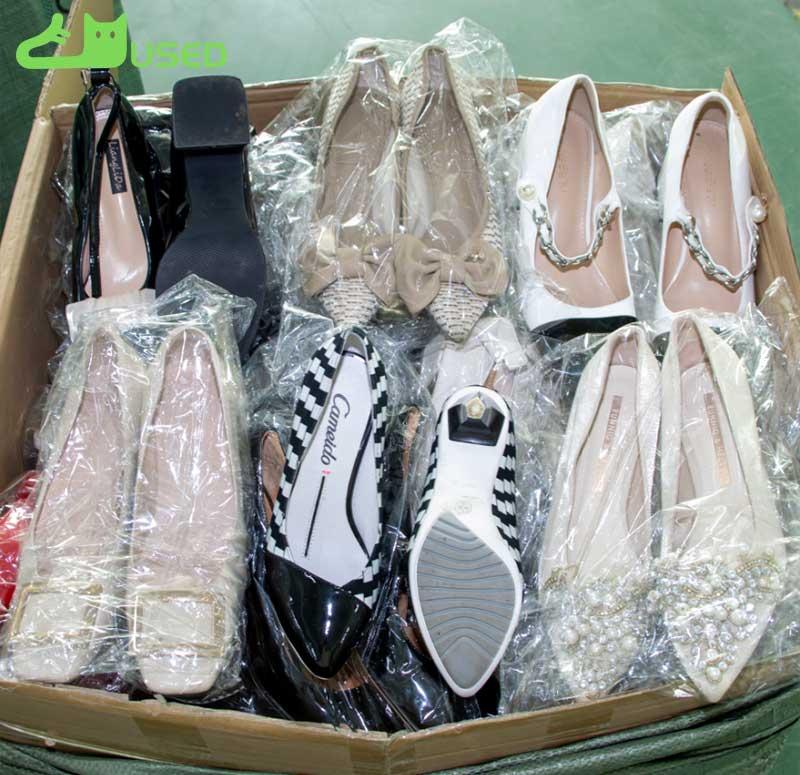
After pairing and condition review, separate practical form lanes such as sneakers, flats, sandals, heels and boots. Record marked sizes without inventing a conversion where labels are unclear. Color and decoration can support merchandising, but they should not replace form and size counts.
The mix offered to a wholesale buyer should come from released pairs. If a requested lane is missing, state the gap and seek approval for a substitution. A photograph of several styles is not evidence of the percentages inside every bale.
construction lane
readable pair mark
current disposition
count from released pairs
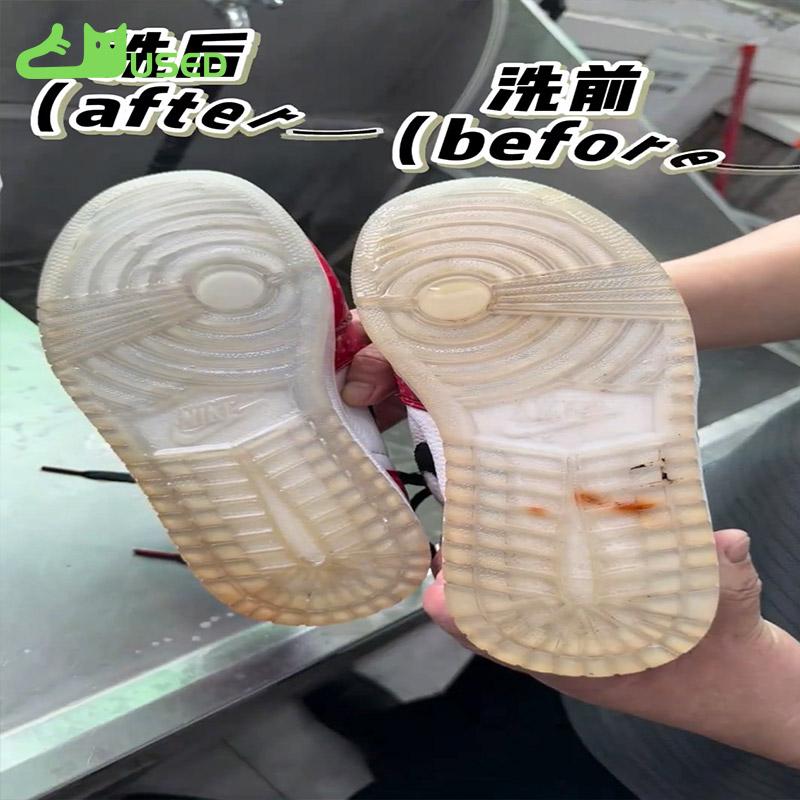
Use material-appropriate cleaning methods and allow shoes to dry fully before packing. Record relacing, insole work or other permitted preparation under the pair code. Keep original and post-work condition states so the buyer can distinguish a cleaned cosmetic mark from a structural repair.
Preparation capacity affects wholesale yield. Count the labor and consumables required instead of hiding them in a general cleaned description. A process that creates excessive work may need a different grade boundary or a separate resale lane.
original condition and reason
approved task performed
reinspection outcome
reviewer and date
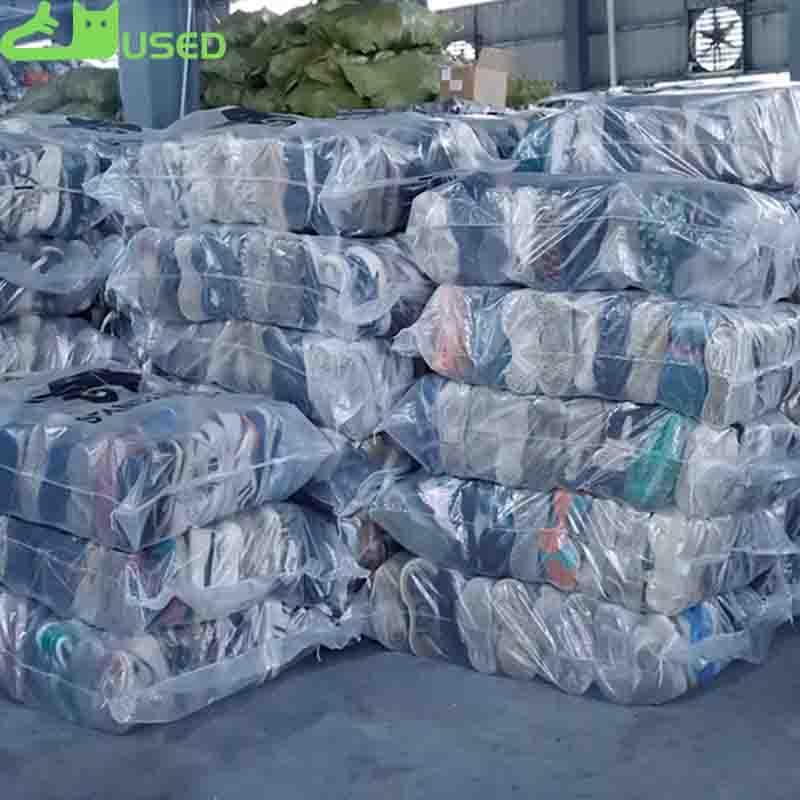
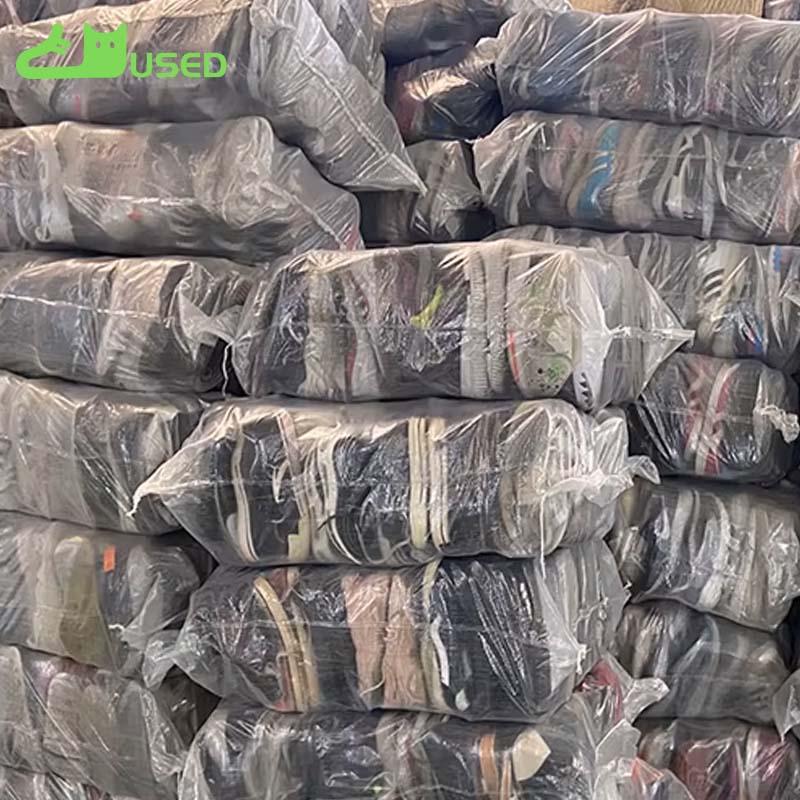
Keep mates together and protect uppers from dirty outsole transfer or damaging pressure. Label the bale, sack or carton with its code, accepted pair basis, gross weight, grade or mix reference and closure date. Held material must remain outside the released count.
Reopen a reference unit before loading to check pair count, dryness, shape and label accuracy. At receiving, the buyer should be able to repeat a sample of the same checks without reconstructing the collection history from memory.
links packing to inspection
released pairs or declared commercial unit
inventory outside release
pre-loading verification
Give the supplier an inspection checklist that names source-stream records, pair matching, structural holds, allowed preparation and the released women's footwear mix. Ask for ordinary-unit photographs and counts, not only selected display pairs. The inquiry should also identify which facts are still unknown.
Before loading, reconcile accepted pairs with the mixed assortment sheet, confirm dry packing, record unit labels and retain the reopening result. Send those fields with the quotation request so price, collection evidence and packing scope refer to the same lot.
pair, structure and hold reasons
released forms and marked sizes
dry coded units with mates together
open facts and evidence return date
No. Pairing, condition, hygiene and product-scope checks determine which items can proceed.
No. Source and physical condition are separate fields.
The code preserves the relationship between original evidence, preparation and final disposition.
Keep singles outside the accepted-pair count unless the commercial agreement explicitly uses another unit.
Recount coded units and sample pair, condition, mix and packing fields before stock is merged.
A defensible collection chain keeps source, pair, condition and preparation records connected until release. The used women's shoes wholesale category provides the product scope, while current-lot counts and custody records determine what can enter a wholesale order.
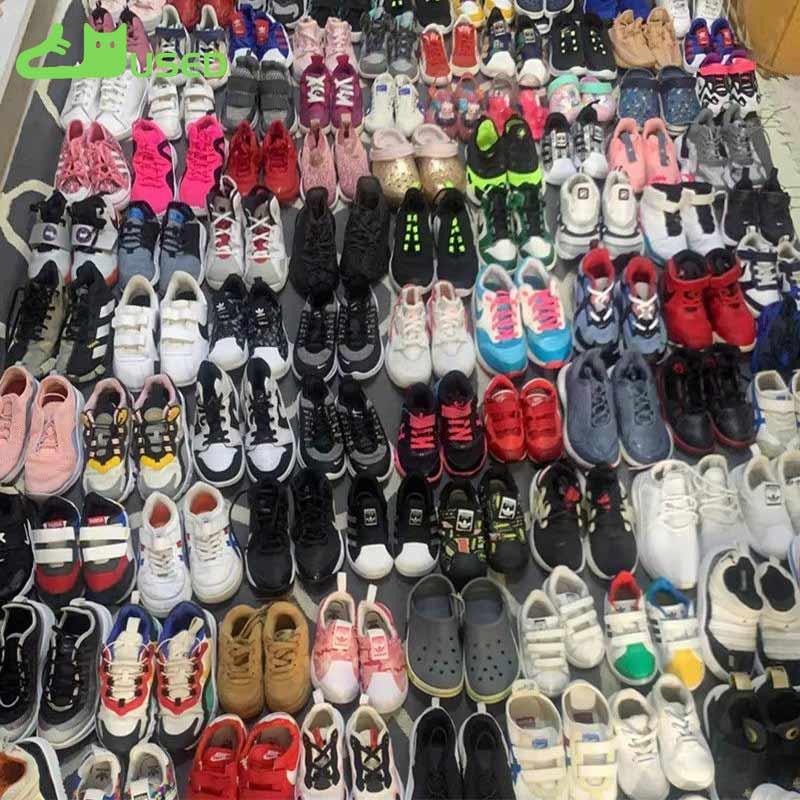

Direct Factory Supplier of Used Shoes For African Markets In China
 Tel: +8618606960861
 Email: info@usedshoeswholesale.com
 MP/WhatsApp: +8618606960861
 Manufacturer Address:Cizao Town, Jinjiang City, Quanzhou City, Fujian Province