Author:Used Wholesale Manufacturer TIME:2026-08-11
Evidence-safe children's footwear reuse
Used footwear for children can support waste prevention only when serviceable complete pairs move into another appropriate use and excluded material remains visible. Collection volume alone is not the result. A defensible process measures pairing, child-specific physical release, preparation, allocation and final disposition without inventing fixed environmental savings or hiding rejects.
Define the collection period, source scope, commercial unit and physical release rules. The strongest operational statement is that counted complete pairs passed a written route and were allocated for another use. Do not convert that result into emissions, water, waste or resource savings without a method and supporting data.
Keep single shoes, unresolved holds, rejects and non-footwear material in the denominator where relevant. Excluding weak outcomes from the report can overstate reuse even when the inspection itself is careful.
documented sorting route
named period and denominator
released destination lane
publish only with method
The table separates operational evidence from claims that need a separate impact method.
| Disposition | Minimum record | Claim boundary |
|---|---|---|
| Pair recovery | Items, complete pairs and conflicts | No service extension yet |
| Physical release | Function reasons and counts | Applies to inspected scope |
| Preparation | Task, input and outcome | No automatic net benefit |
| Allocation | Buyer cell and accepted pair | No guaranteed use duration |
A complete balance makes unresolved and excluded material as visible as released pairs.
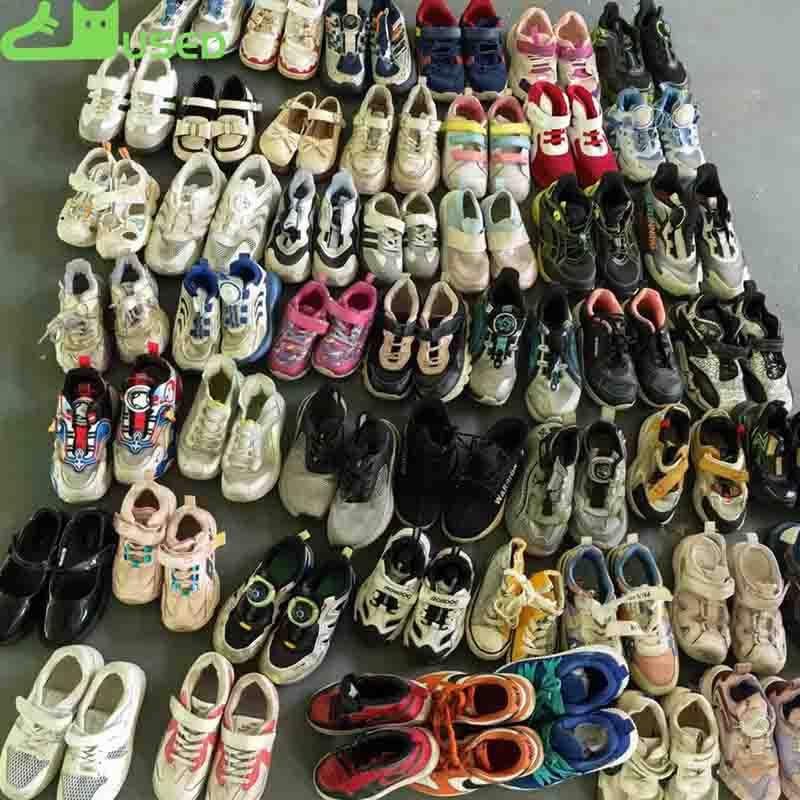
Match left and right by construction, compatible marked size, fastening, color and comparable wear. Code the pair. Record singles, conflicts and completed pairs separately. A loose shoe does not gain another service period merely because it entered collection.
Investigate pairing loss by source stream or container where useful. The objective is accurate disposition and process feedback, not forcing visually similar shoes together to improve the released percentage.
gross intake
compatible pair
mate unavailable
held for evidence
Inspect sole attachment, outsole wear, toe and heel support, upper damage, fastening security, interior condition and odor. Add strap, zip or form-specific checks. Separate cosmetic variation from structural or hygiene findings that prevent release.
Record pass, preparation, downgrade, hold and reject reasons. A clean-looking pair is not reusable if a critical fastening is insecure, while an allowed cosmetic mark need not automatically end service life.
bond and support
secure function
condition route
reason-coded result
Record cleaning, drying, relacing, insole work and other approved tasks. Retain original condition and post-work status. Report how many pairs return to release, move to another lane or remain excluded.
Do not assume every cleaning action creates a net environmental benefit. Describe the actual method, labor, materials and measured result. Avoid broad claims where energy, water or chemical data are not available.
task and material
post-work disposition
repeat task count
no automatic impact claim
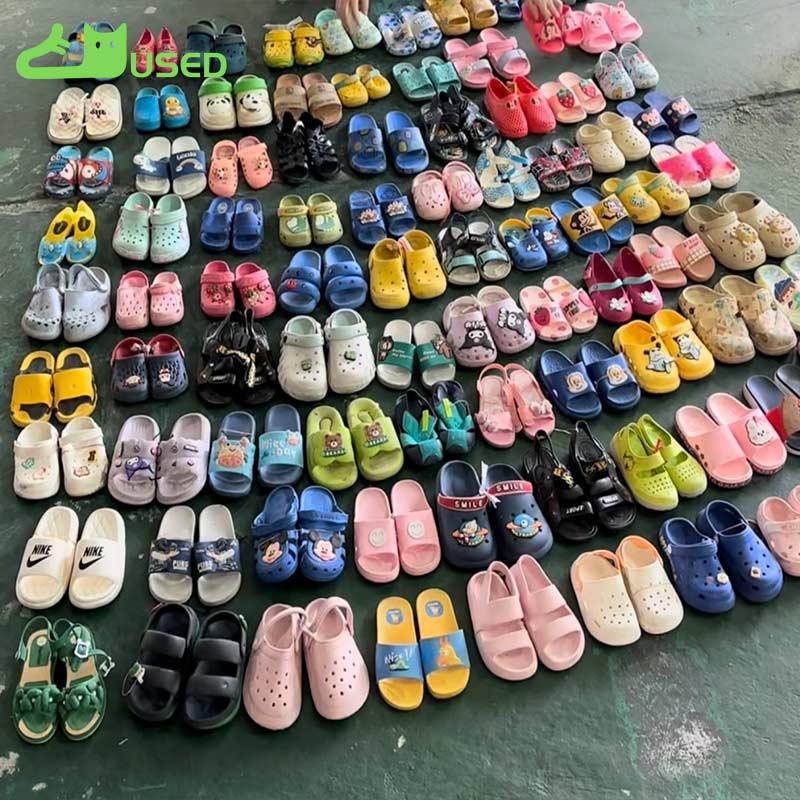
Cross-tab released children's shoe forms and visible marked sizes. Do not infer age or convert systems without a basis. A pair only extends useful service when it fits an actual accepted inventory lane, not when it remains indefinitely in unsorted storage.
Use buyer-specific requirements and record substitutions. Avoid national demand claims or guaranteed turnover. Allocation evidence shows a current operational decision, not the duration of future use.
released construction
visible size system
approved inventory lane
no current fit
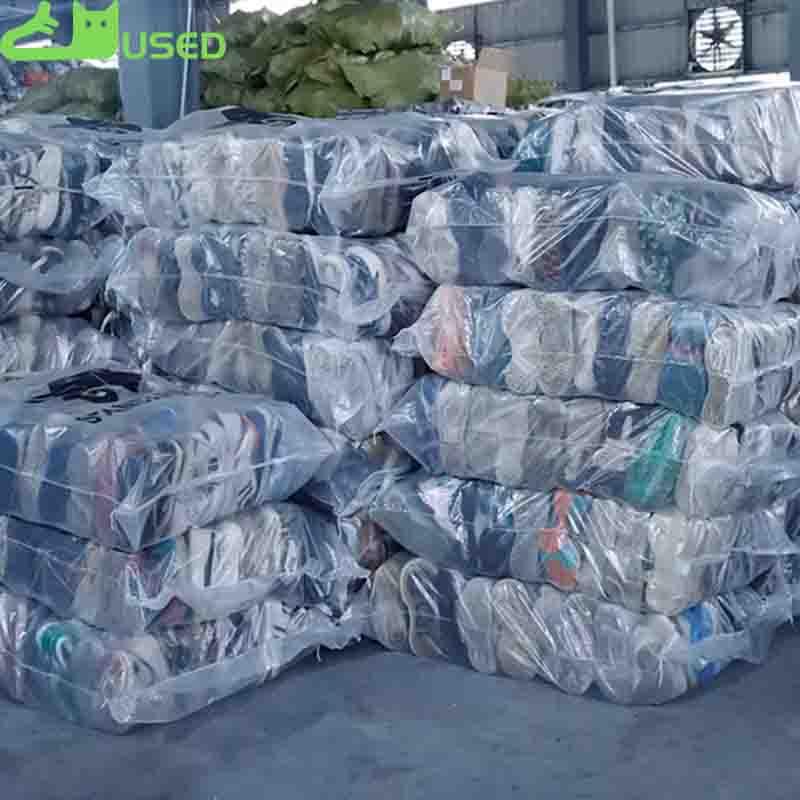
Sum released, preparation, downgrade, hold, reject, single and other defined dispositions back to the starting scope. Investigate missing inventory and preserve the reporting date. State whether counts are items, pairs or commercial units. When comparing periods, keep source scope, inspection method and disposition definitions stable; otherwise explain the change before interpreting a difference.
Use receiving feedback to revise sorting, preparation, packing or allocation rules. Preserve the prior rule and compare the next measured period under its named version. Retain the reviewer and reporting date for that comparison. Improvement means a more reproducible route, fewer unexplained transfers and clearer disposition, not a larger unsupported environmental number.
another-use candidate
preparation pending
decision unresolved
outside reusable inventory
Collection starts a route; complete serviceable pairs still need release and allocation.
Only with a defined and supportable impact method; otherwise report measured dispositions.
They prevent the released result from being overstated.
Report the actual task and outcome rather than assuming a net effect.
Use variance to revise physical, preparation, packing or allocation controls.
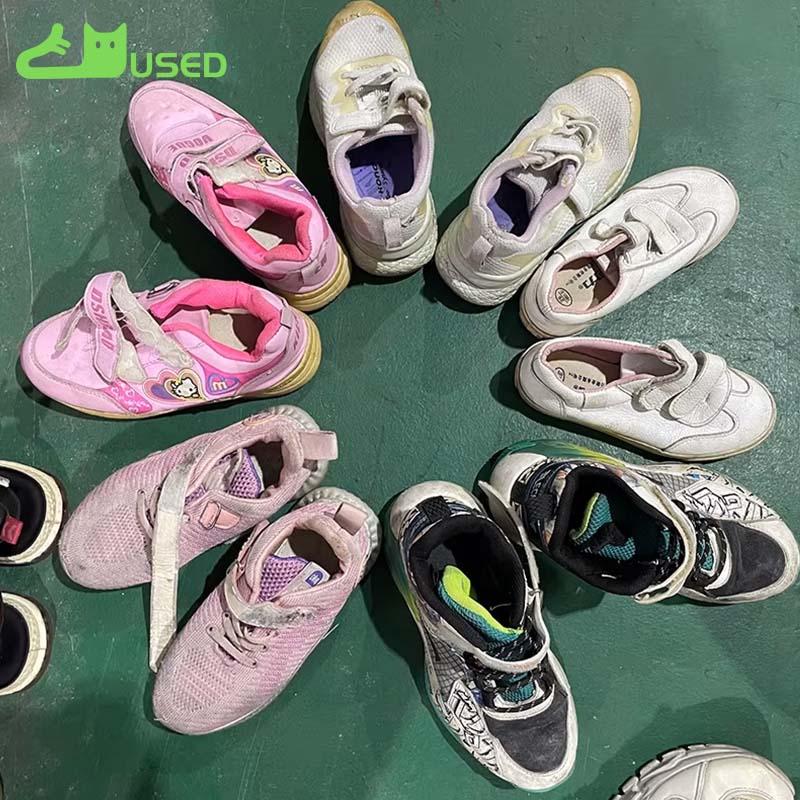
Waste prevention is credible when another-use candidates, work, holds and exclusions share one measured balance. The used children's footwear wholesale category shows product scope; current pair and disposition records define what the operation can responsibly report.

Direct Factory Supplier of Used Shoes For African Markets In China
 Tel: +8618606960861
 Email: info@usedshoeswholesale.com
 MP/WhatsApp: +8618606960861
 Manufacturer Address:Cizao Town, Jinjiang City, Quanzhou City, Fujian Province