Author:Used Wholesale Manufacturer TIME:2026-08-11
Children's footwear export work order
Preparing used children's shoes for export is a controlled work order, not a cosmetic makeover. A pair should retain its identity while it moves through mate confirmation, child-specific function checks, condition disposition, approved preparation, marked-size allocation, drying, packing and pre-loading review. The export quantity comes from released pairs after every required task closes.
Match left and right by construction, compatible marked size, fastening, color and comparable wear. Compare both labels and critical parts before assigning a pair code. Singles, forced visual matches and unresolved label conflicts remain outside the accepted-pair denominator.
Record source lot, pair code and starting disposition. The identifier connects pre-work photographs, tasks, reinspection and final packing. Without it, a polished pair cannot be traced back to the condition that justified the work.
compatible complete pair
both labels reviewed
held outside quantity
persistent work identity
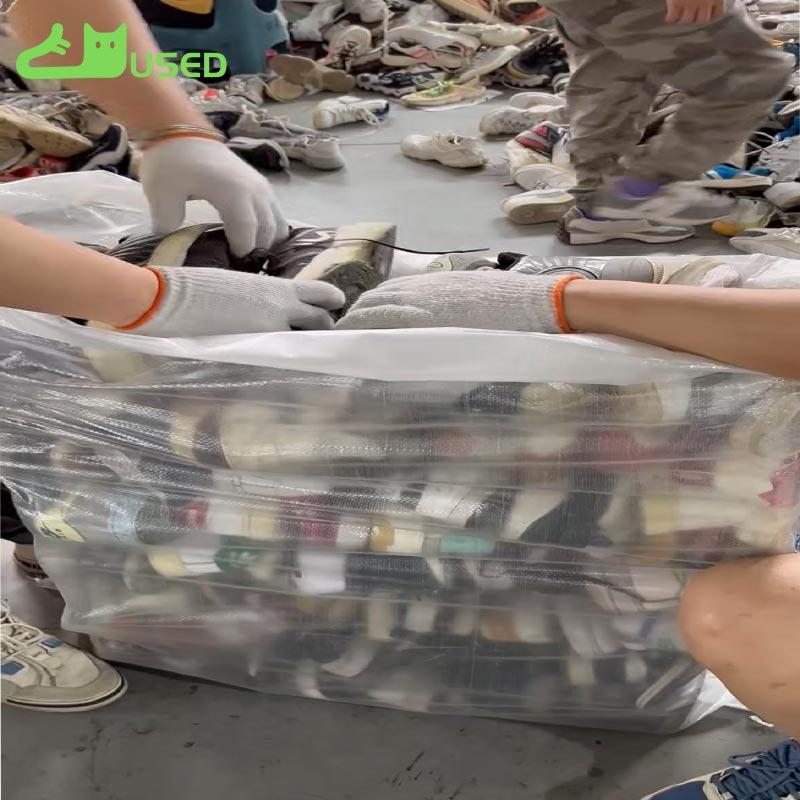
Begin at the upper-to-sole junction, then record tread loss, toe-box form, heel structure, upper cuts, closure attachment, lining, insole and odor observation. For sandals add strap anchors; for boots add zips, shafts and the construction-specific closure or movement check. Route the pair according to its weaker shoe.
Separate cosmetic preparation from structural failure. Cleaning should not hide active separation, insecure fastening, sharp damage or unstable support. Record ordinary and borderline reasons before surfaces change.
sole and upper connection
secure function
stable form
lining insole and odor
Define which findings may receive cleaning, drying, relacing, insole work or another minor task. State material limits, responsible operator and completion evidence. Structural repair or hygiene exclusions follow their own route and should not be relabeled as routine preparation.
Count task entries, measured process time, materials, rework and final disposition. The buyer should be able to reconcile how many completed pairs regain the named release route, enter a disclosed lower route or stay outside resale after preparation.
why work starts
approved material route
operator and reviewer
released moved or excluded
The work order separates physical evidence, authorized work and release.
| Gate | Required record | Cannot proceed when |
|---|---|---|
| Pair/function | Mates and critical reasons | Conflict or structural hold |
| Preparation | Task, method and owner | Work unauthorized |
| Drying/recheck | Completion and disposition | Dampness or odor open |
| Pack/load | Released cells and unit codes | Counts or labels differ |
Every released pair should connect to a closed work route and final unit.
Cross-tab released sneakers, school-style shoes, sandals, boots and other approved forms by the sizing system visible on compatible mates. Keep unreadable or conflicting marks outside the curve and do not infer age.
State concentration and substitution rules before packing. The supplier returns current cells, and the buyer approves a revised mix, reduces quantity or preserves the original requirement. Preparation quantity cannot silently become assortment quantity.
released construction
visible pair system
post-work pair count
buyer-approved change
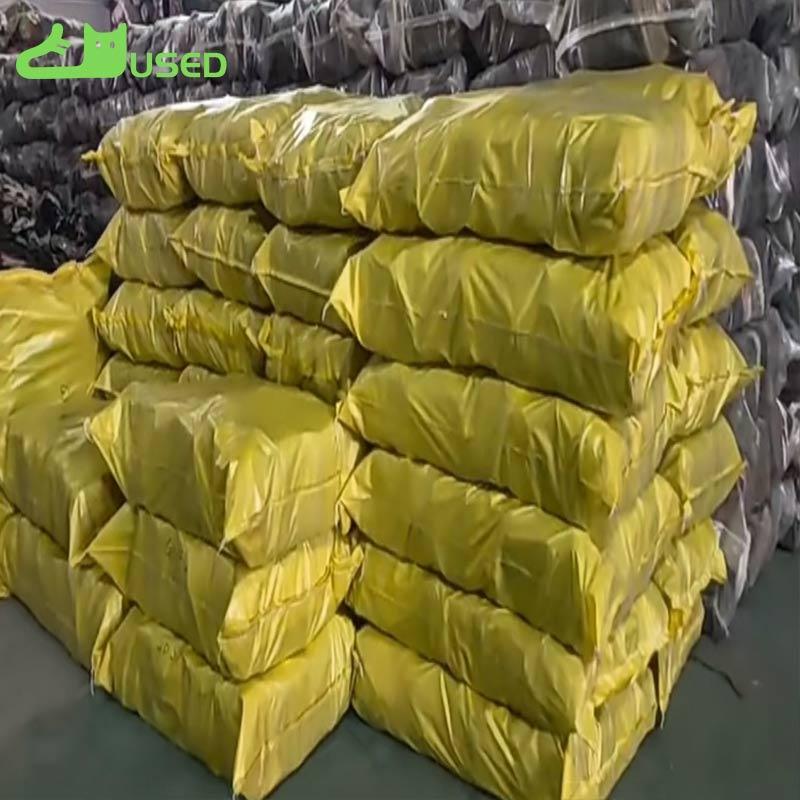
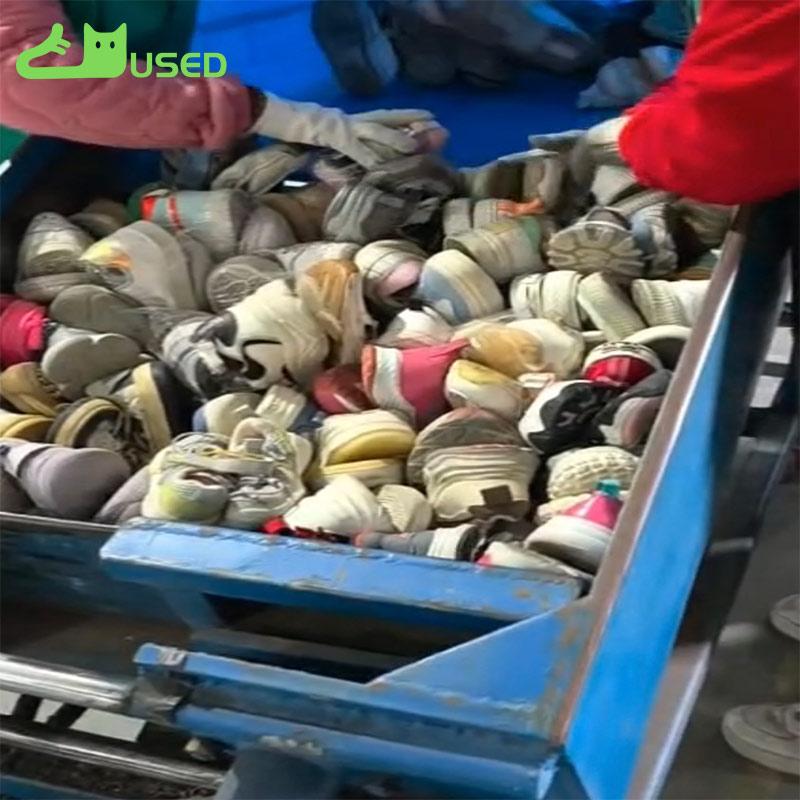
Keep mates together, protect small forms from pressure and separate dirty outsoles from interiors. Label unit code, accepted-pair basis, work-order or matrix reference, gross weight, closure date and packer. Weight remains separate from pairs.
Reopen selected units before loading and compare count, function, dryness, form-size cells, shape and labels. Record replacements and repacks as revisions. The loading record should refer to the final released unit list.
mates remain together
small forms retain shape
work-order reference
pre-loading verification
Inspect critical physical condition first so preparation does not hide the starting evidence.
No. Use separate authorized routes and final dispositions.
After the documented method and reinspection close the dampness and odor gates.
After pair, physical and preparation holds are removed.
Count, function, dryness, matrix, shape and label before loading.
Export preparation is reliable when every task retains its starting reason and final release. The used children's shoes wholesale category defines product scope; closed work orders and coded units determine the shipment-ready quantity.

Direct Factory Supplier of Used Shoes For African Markets In China
 Tel: +8618606960861
 Email: info@usedshoeswholesale.com
 MP/WhatsApp: +8618606960861
 Manufacturer Address:Cizao Town, Jinjiang City, Quanzhou City, Fujian Province