Togo Used Brand Shoes market application reference
This Level B Togo reference turns visible designer evidence, physical condition, pair status, wording, and approved release into a line-by-line product question. It does not report a shipment. The initial evidence is label or code, upper, closure, sole, interior, and pair match; any outside approval belongs to the buyer.
For the Togo request, separate used brand shoes scope from quantity by writing the channel, form, size, condition, work, unit, and packing fields first. For the Togo file, Togo is the destination marker; evidence and trade buyer approval decide any branded release.
Write the reason for every proposed substitution. For the Togo file, The keyword describes the request, while pair evidence, size cells, and receiving capacity determine whether the change is useful.
Togo
Used Brand Shoes
buyer-provided route
dated inquiry file
Use one code per complete pair and note label or code, upper, closure, sole, interior, and pair match. For the Togo file, Togo reviewers isolate any identity question before the physical release decision. For the Togo file, Write what is seen, what remains uncertain, and which route owns the next decision.
Togo's claim file must show which external requirement remains unsettled instead of filling it with a brand adjective.
physical field
unresolved reason
next reviewer
limited wording only
For this Togo inquiry, use ready, preparation, qualified review, restricted wording, evidence hold, and decline routes. For the Togo file, For Togo, an unresolved identity field blocks the wording route even when the shoe is wearable. For the Togo file, Count only complete pairs whose relevant fields are closed.
Togo should write the evidence tolerance for identity wording before any branded cell is counted. For the Togo file, Log the downgrade owner for Togo, retain the first finding after approved work, and close the route with reinspection.
all buyer fields closed
bounded work
qualified decision
evidence or claim open
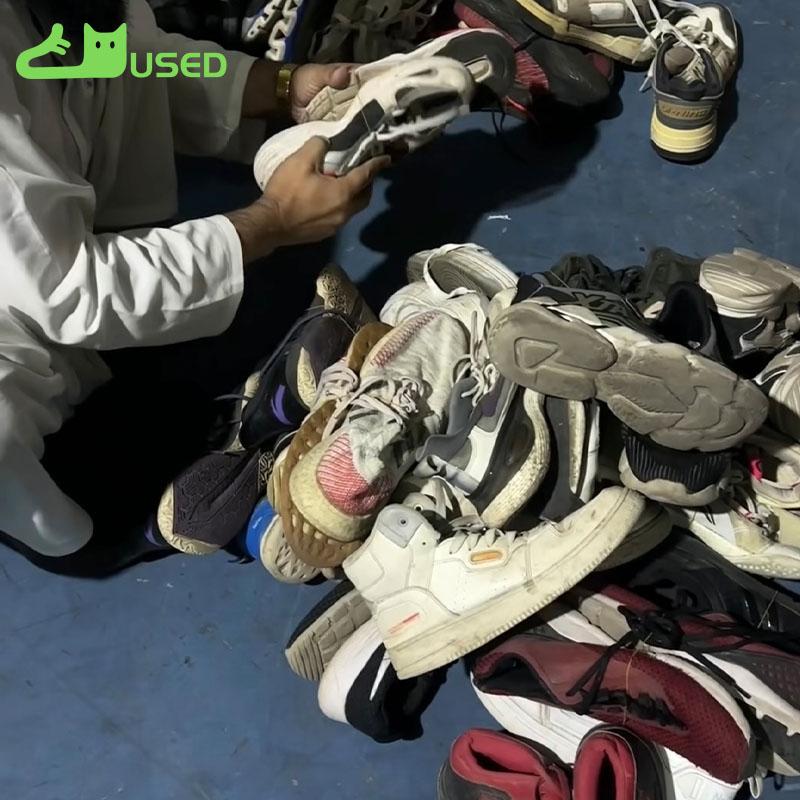
For Togo, the table keeps physical evidence, trade buyer decisions, and open external checks separate.
| Inquiry field | Current evidence | Open decision | Release record |
|---|---|---|---|
| Product scope | Used Brand Shoes | Forms or substitutions | Buyer-approved matrix |
| Physical route | label or code, upper, closure, sole, interior, and pair match | Hold or review reason | Closed pair or unit code |
| Assortment | Size and family cells | Cell cap or shortage | Released count |
| Packing | Codes, labels and weight | Method change | Selected-layer check |
| Receiving | Repeat findings | Affected disposition | Source-to-arrival record |
The Togo table keeps identity questions outside the physical count until approved.
For Togo, build each brand cell from physical route, identity evidence, size, pair status, and wording permission.
Compare the brand cells with the actual trade buyer file; the inspected scope cannot support a permanent destination claim.
form, size, and route
buyer-set cap
open substitution
dated local record
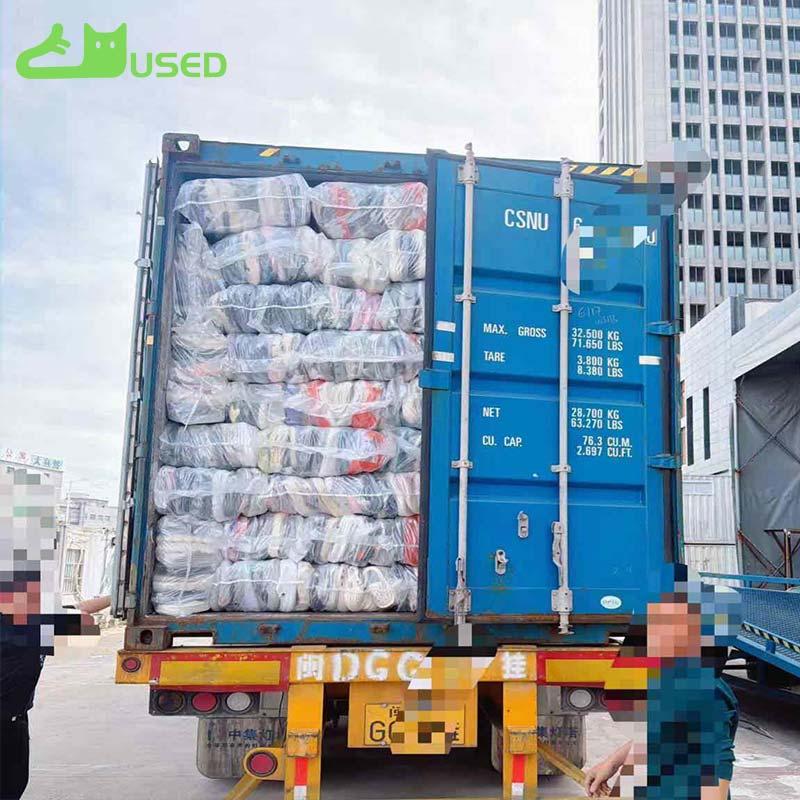
Togo uses a physical-to-claim reconciliation line so an identity hold cannot be hidden by a carton label.
The Togo receiving copy repeats the identity gate before any unit joins normal stock.
source-to-carton trail
released units
version and weight
selected layer
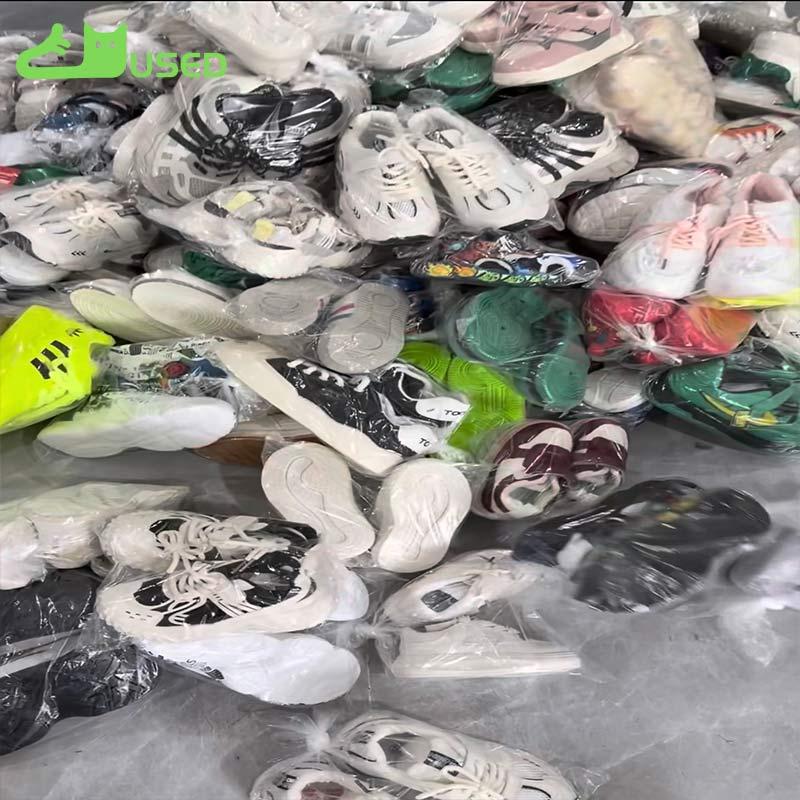
At Togo receiving, reopen the physical and identity gates instead of relying on the carton label.
Togo's next version names one identity or physical rule that the arrival note changed.
same evidence fields
affected codes
prepare reallocate or exclude
one next-version change
Before Togo approval, reconcile the identity gate, physical route, wording permission, released cells, and receiving note.
Togo's closeout shows which brand evidence entered the wording lane and which stayed unsettled.
current physical evidence
named open item
responsible decision
one controlled change
No. This Togo page is a Level B reference for visible designer evidence, physical condition, pair status, wording, and approved release; it does not note a customer, shipment, or result.
No. Use the Togo trade buyer's lot specification, supplier counts, inspection evidence, and receiving records.
Only after the Togo physical, pair, size, wording, packing, and trade buyer-approved fields are closed.
Change one named Togo field from receiving variance, unsettled decisions, work records, or the trade buyer's dated outcome evidence.
Togo closes well when identity evidence and physical release are independently recorded. The used brand shoes wholesale category keeps the brand inquiry tied to evidence ownership and physical release, not a label alone.

Direct Factory Supplier of Used Shoes For African Markets In China
 Tel: +8618606960861
 Email: info@usedshoeswholesale.com
 MP/WhatsApp: +8618606960861
 Manufacturer Address:Cizao Town, Jinjiang City, Quanzhou City, Fujian Province