Market Application Reference | Dubai
This Dubai page is a Market Application Reference for second-hand brand shoes. It does not prove a wholesaler, export, successful result or authenticity of any pictured pair. A responsible order keeps physical condition, visible markings, document provenance, claim status, assortment, packing and receiving in separate evidence lanes so unresolved identity claims never enter released inventory by implication.
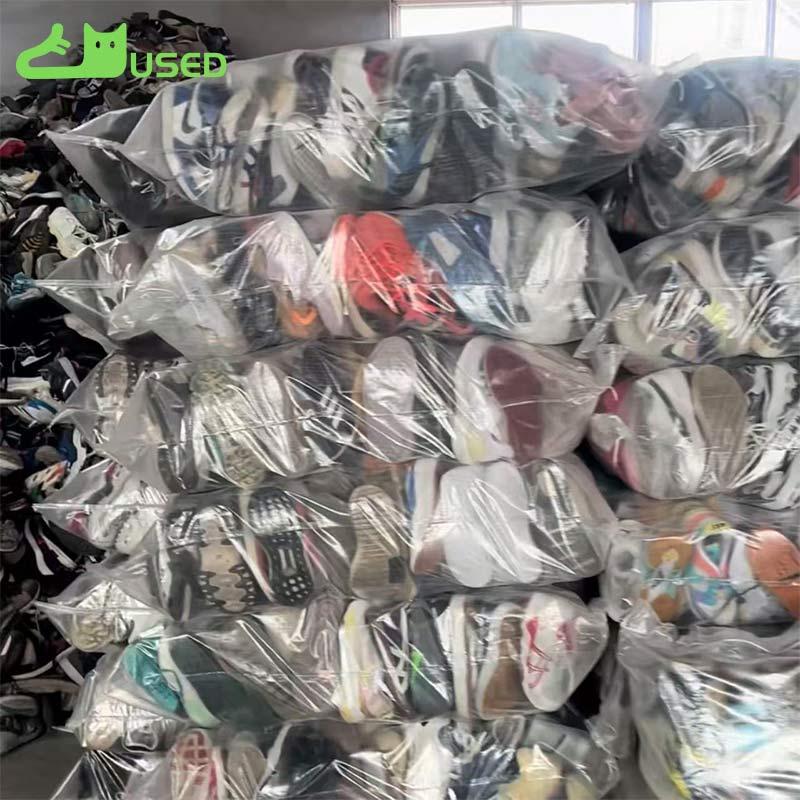
List permitted product forms and whether the commercial description uses generic branded-style stock, visibly marked pairs or claims that require specific provenance. State excluded marks, unresolved categories and who is authorized to approve claim language. Do not treat a logo in an image as authentication.
Ask the supplier to return the current quantity in each claim state. The buyer can exclude unresolved stock, hold it outside the branded lane or request additional evidence. A destination name does not lower the evidence requirement.
no named identity claim
visible feature recorded
evidence route completed
outside released claim lane
Match mates and marked sizes, then inspect sole attachment, outsole wear, upper damage, closures, support, interior and odor by construction. A recognized appearance cannot compensate for structural failure, and strong physical condition cannot establish identity.
Record pass, preparation, downgrade, hold and reject counts with ordinary examples. Keep physical reason codes stable across claim states so receiving can reproduce the decision.
compatible mates
function and support
written cosmetic limit
approved preparation
The table prevents physical grade, visual marking and provenance from collapsing into one unsupported conclusion.
| Lane | Record | Cannot prove |
|---|---|---|
| Physical | Pair condition and function | Identity |
| Visible fields | Labels and construction details | Authenticity alone |
| Provenance | Source and document chain | Physical usability |
| Release | Approved condition and wording | Future sales result |
Any unresolved lane remains visible and outside the associated released quantity.
Record source-lot code, custody transfers, visible label and construction details, supplied documents, reviewer, date and unresolved conflicts. Preserve original files and avoid editing images in ways that hide context. The process is a review record, not a guarantee.
Where adequate provenance is unavailable, use wording that does not assert a named identity or remove the pair from that commercial lane. Do not invent receipts, authorization, customer testimony or third-party certification.
lot and custody record
pair code and visible fields
origin and revision
release, hold or generic lane
Count released shoe forms and marked sizes across physical grade and claim state. Keep identity holds outside the branded quantity even when the pairs are wearable. Show concentration and substitutions before the buyer approves packing.
This matrix belongs to the current Dubai inquiry reference. It does not establish a city-wide preference, selling price or demand for any label. Preserve the buyer-approved version and changes.
physical assortment cell
released usability lane
approved wording state
excluded from branded total
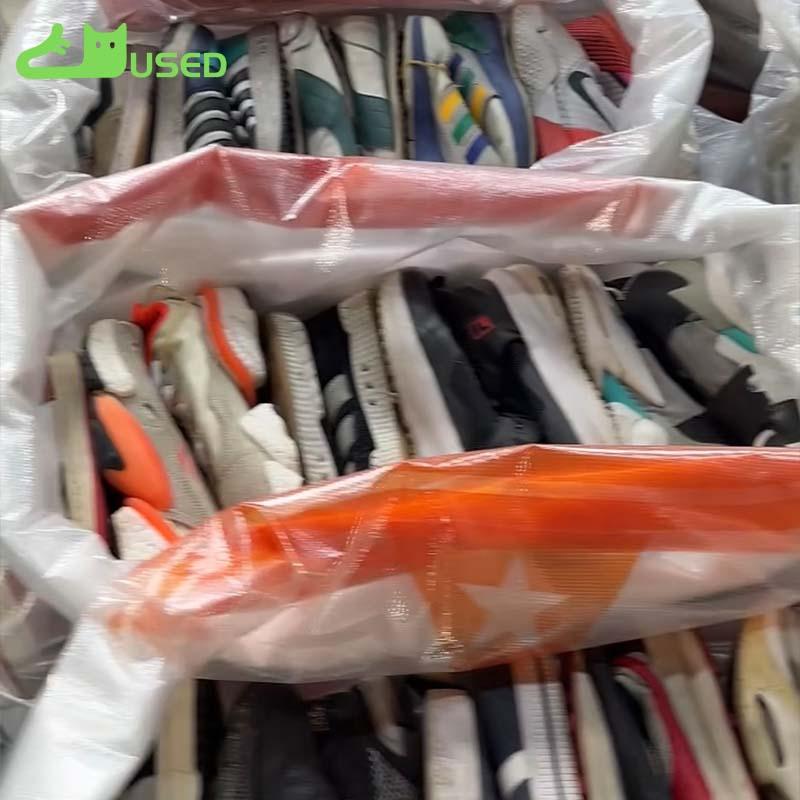
Keep mates together, protect uppers and labels, confirm dryness and avoid pressure that changes shape. Label unit code, accepted-pair basis, physical lane, claim-state reference, gross weight and closure date. Do not place unresolved pairs in a released branded unit.
Reopen selected units before loading and compare object codes, counts and labels with the matrix. Record replacements or repacking as controlled revisions so the evidence file matches what is physically shipped.
pair-to-record link
packing identity
physical and claim lanes
changed contents retained
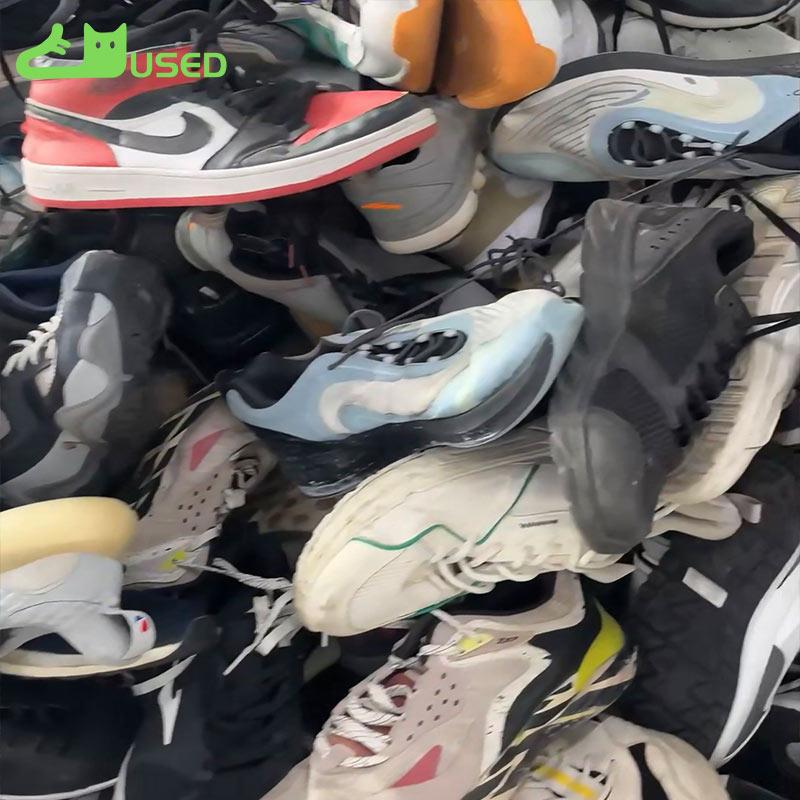
At receiving, open agreed units and compare pair codes, condition, visible fields, claim status and packing. Quarantine mismatches, damage and unsupported substitutions before inventory listing. Preserve supplier and receiver files. Close each exception with a dated record that names the affected pair and unit codes, evidence reviewed, authorized decision and final inventory lane.
Close physical disposition and claim wording separately. A refund discussion does not authenticate a pair, and an identity decision does not repair physical damage. Use the result to revise evidence requirements for the next order without publishing a success claim.
condition disposition
wording or hold
released lane only
next evidence revision
No. It is a Market Application Reference and makes no customer or result claim.
No. Record visible fields and use an approved provenance review without making an unsupported guarantee.
Keep them outside that claim lane until the required evidence decision is closed.
Physical variance, claim variance, inventory disposition and commercial discussion.
Second-hand brand inventory needs a firewall between appearance, physical condition and identity language. The used brand shoes wholesale category defines product context; current evidence and separate receiving decisions control every released claim.

Direct Factory Supplier of Used Shoes For African Markets In China
 Tel: +8618606960861
 Email: info@usedshoeswholesale.com
 MP/WhatsApp: +8618606960861
 Manufacturer Address:Cizao Town, Jinjiang City, Quanzhou City, Fujian Province