Market Application Reference | Southeast Asia
This Southeast Asia children's shoe page is a Market Application Reference, not evidence of an actual export or a regional high-quality result. High quality must be translated into compatible pairs, secure child-use function, condition reasons, marked-size cells, approved preparation, protected dry packing and country-specific receiving acceptance for the current lot.
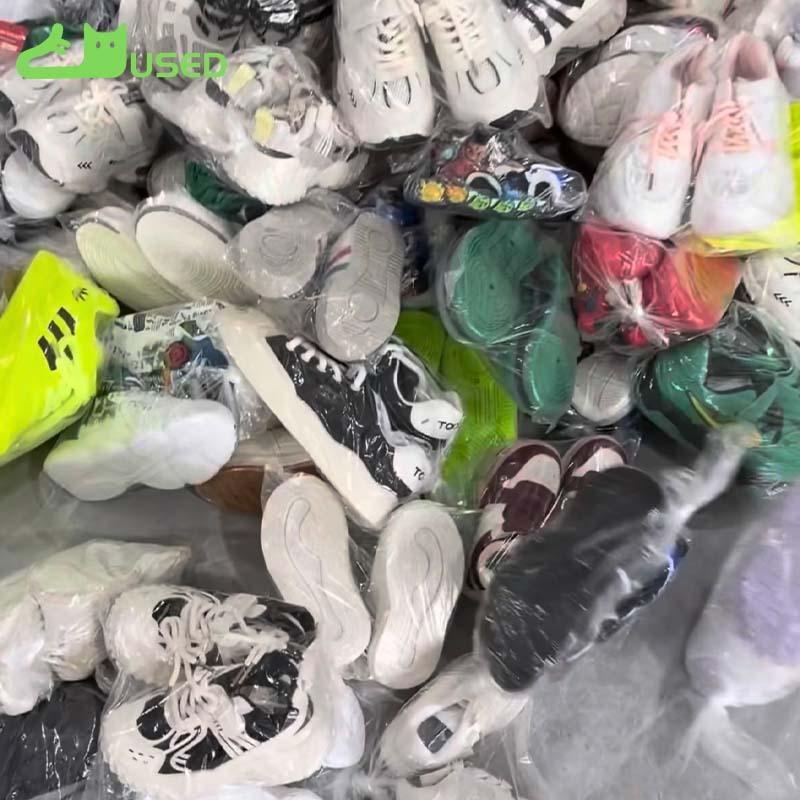
Record destination country, buyer channels, permitted children's shoe forms, visible size systems, condition limits, preparation and packing. Do not infer one Southeast Asia-wide size or style preference.
Ask for current-lot counts and gaps. Proposed substitutions remain open until buyer approval. Verify current import or labeling requirements through appropriate sources outside this product article.
named destination
approved constructions
accepted systems
verified separately
Match left and right by construction, compatible marked size, fastening, color and comparable wear. Code the pair. Keep singles and conflicts outside accepted quantity.
A visually similar forced match weakens fit and traceability. Count gross items, completed pairs and unresolved material separately.
compatible mates
label or construction hold
mate missing
evidence identity
Inspect sole attachment, outsole wear, toe and heel support, upper damage, fastening security, interior and odor. Add strap anchors, zips and construction-specific components. The weaker mate controls the pair result.
Separate cosmetic variation, approved preparation, structural hold and reject. A clean surface cannot compensate for insecure fastening or active separation.
sole and upper
secure operation
stable construction
condition route
The protocol turns a quality adjective into buyer-verifiable fields.
| Field | Supplier evidence | Receiving repeat |
|---|---|---|
| Pair | Mates, marks and code | Compatibility check |
| Function | Critical reasons and counts | Same construction route |
| Assortment | Released form-size cells | Matrix comparison |
| Packing | Dry coded protected units | Count and condition |
The actual country buyer approves the protocol and its tolerances.
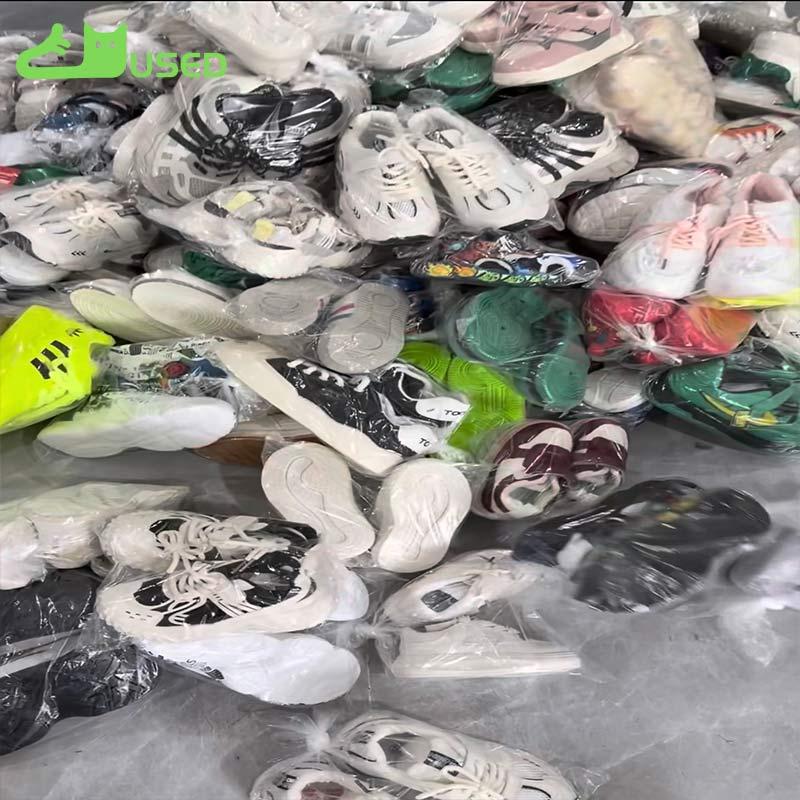
Cross-tab released forms by the sizing system visible on both mates. Do not infer age or convert without a documented basis. Show missing, concentrated and unreadable lanes separately.
State tolerance and substitution rules. The buyer approves a revision, reduces quantity or preserves the original matrix before packing.
released construction
visible system
unfilled request
matrix revision
Keep mates together, prevent heavy forms from crushing small shoes and separate outsoles from interiors. Confirm dryness. Label code, accepted pairs, form-size reference, gross weight and closure date.
Reopen selected units before loading and compare count, function, shape and labels. Preserve repack revisions. Do not convert weight to pair totals without current evidence.
small forms protected
interiors isolated
closure check
matrix reference
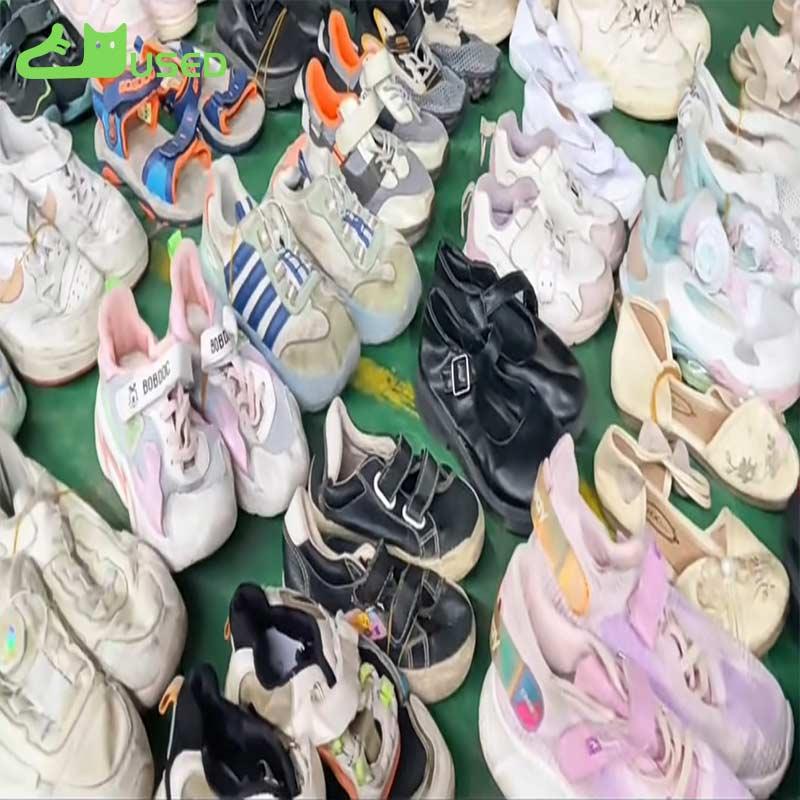
Open agreed coded units and reproduce mate, function, condition, marked-size and packing checks. Quarantine damage, dampness, mismatch and substitutions before stock merge.
Use the result to revise the next country brief by named field. One receiving sample cannot prove a regional quality level, sales result or permanent supplier capability.
same rule and denominator
affected codes
prepare reallocate or exclude
next protocol version
Select coded units across packing positions before their condition is known. Record opened pairs, mate conflicts, function passes, preparation, downgrades, holds, rejects and released form-size cells for each unit. Include ordinary and borderline examples tied to codes. The protocol should state its denominator and must not project beyond the inspected scope without an approved method.
Compare the strongest and weakest unit as well as the combined result. If fastening failure, dampness, size concentration or packing damage clusters, expand around related codes and keep those units on hold. Record who approved the expansion and which evidence closed it. Retain the original selection list, date and reviewer for this lot so a later audit can confirm that units were not substituted after results appeared.
At receiving, use the agreed spread or a documented equivalent and retain both supplier and receiver counts. A repeatable sample gives the country buyer a better next brief; it cannot prove that all Southeast Asia inventory shares one quality level.
preselected coded units
pair and function counts
cluster or range
authorized evidence disposition
No. It is a Market Application Reference without a shipment result.
No. Translate it into pair, function, condition, size and packing fields.
Do not infer age; preserve the visible system and supported conversion evidence.
The same pair, function, size and packing checks on agreed coded units.
High quality is credible only after a country buyer can reproduce its complete-pair and acceptance rules. The used children's shoes wholesale category defines product scope; current evidence determines release.

Direct Factory Supplier of Used Shoes For African Markets In China
 Tel: +8618606960861
 Email: info@usedshoeswholesale.com
 MP/WhatsApp: +8618606960861
 Manufacturer Address:Cizao Town, Jinjiang City, Quanzhou City, Fujian Province