Market Application Reference | Ghana
This Ghana reference describes how a bulk buyer could control used children's shoes without claiming a real customer, shipment or local sales outcome. Children's footwear needs a release ladder: complete pairs, readable size evidence, child-appropriate function checks, written condition limits, protected packing and receiving confirmation. Skipping one rung weakens the final quantity.
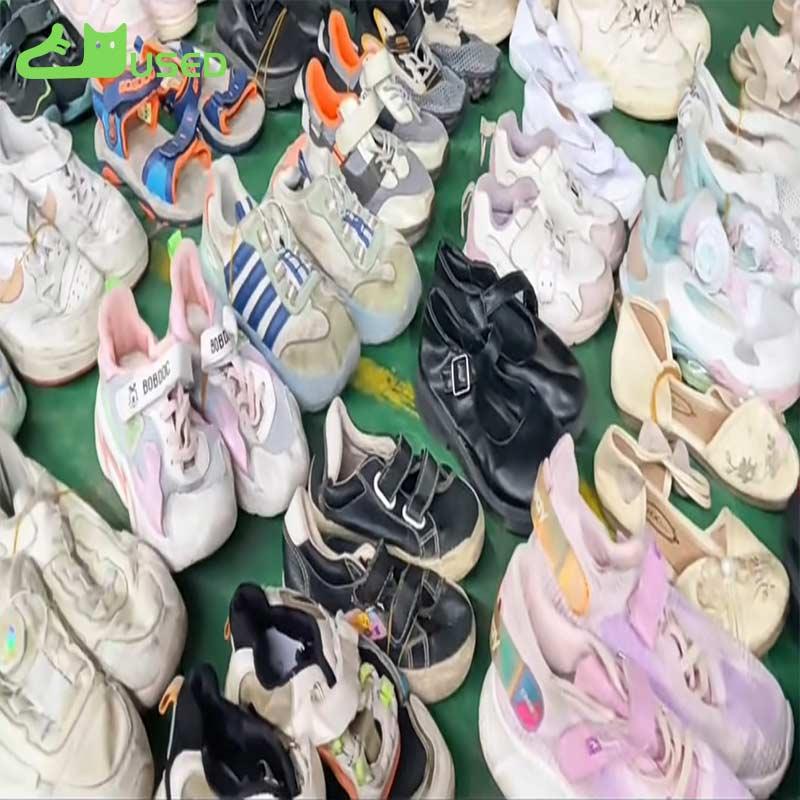
List permitted sneakers, school-style shoes, sandals, boots or other constructions and state whether any lane is excluded. Define accepted marked-size systems, pair compatibility, closures, preparation work and commercial unit. Do not infer a child's age or fit from appearance alone.
Ask for current-stock availability by released form and visible marked size. Keep unreadable labels and unresolved mates outside the promised curve. The Ghana reference identifies a destination for planning, not proof that one size or style has a universal local preference.
approved constructions
readable pair labels
buyer-written boundary
declared unit and pair basis
Match left and right by construction, compatible marked size, closure, color and comparable wear. Check sole attachment, outsole loss, toe and heel structure, fastening security, interior condition and odor. For sandals, inspect every strap anchor; for boots, inspect shafts and zips.
Small loose parts, sharp damage, unstable supports and active separation need defined holds or exclusion. Record the exact observation. A clean surface cannot compensate for a weak fastening or mismatched pair, and one photograph cannot establish the result for a bulk lot.
compatible complete pair
secure and functional
bond and support
condition and hygiene route
Create a size ladder by construction and the sizing system actually visible on both mates. Do not convert marks without a documented basis. Show missing, concentrated and unreadable lanes separately so the buyer can decide whether to change quantity or approve a substitution.
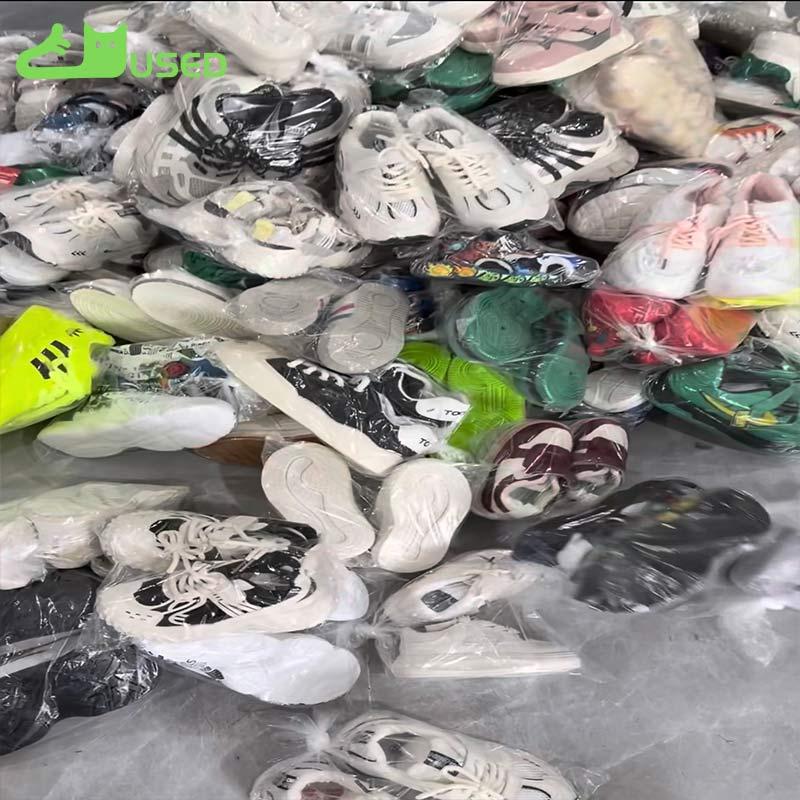
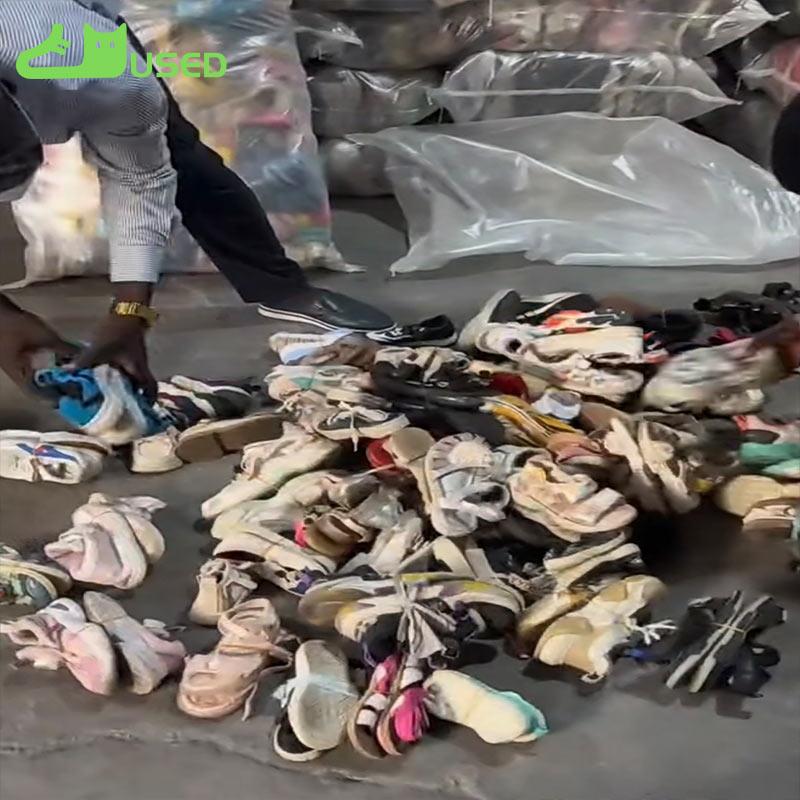
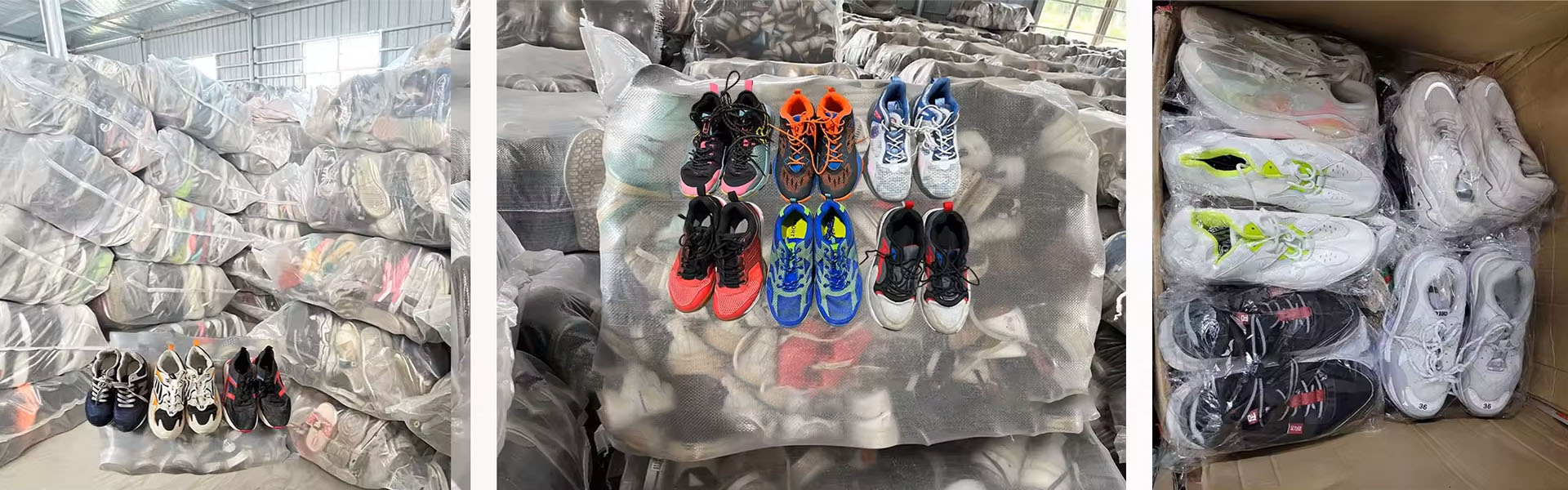
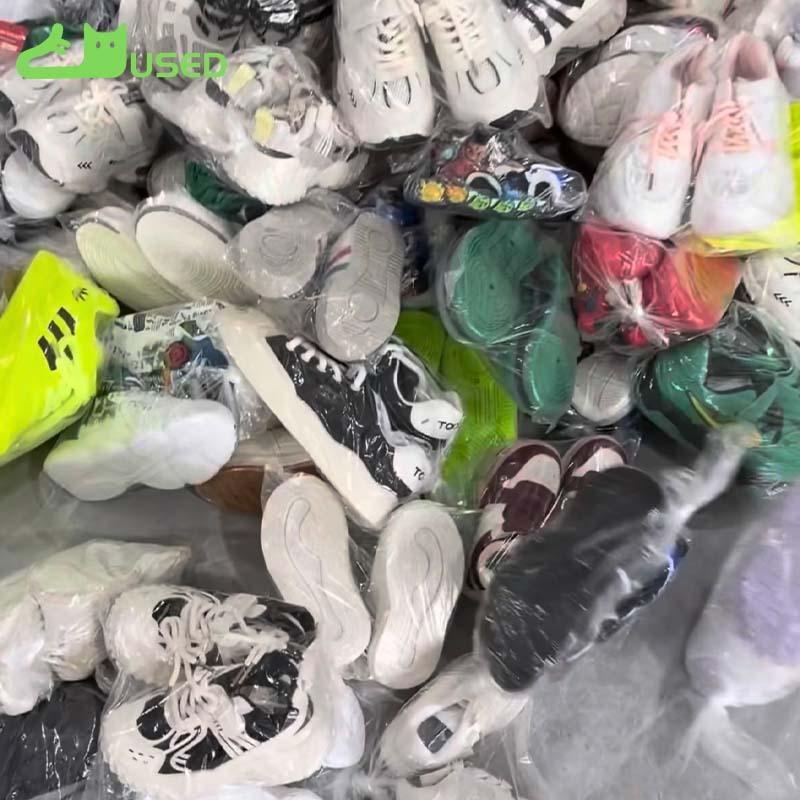
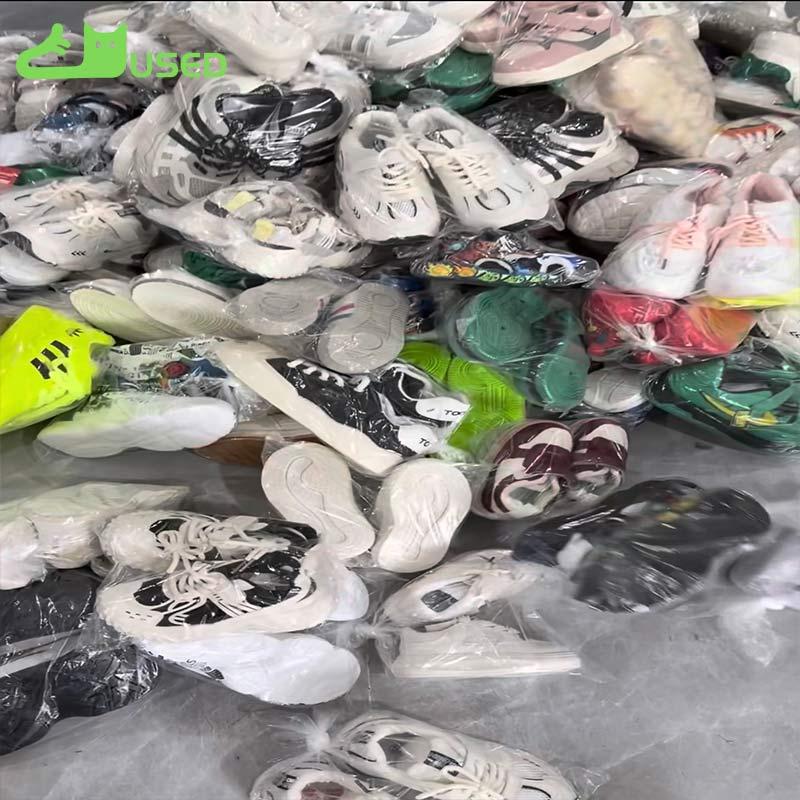
Preserve the pre-packing matrix and the buyer's approval. A gross image of many children's shoes is useful for form recognition but cannot prove the size curve. The accepted-pair denominator should reconcile with every released ladder cell.
mates show compatible marks
size hold
buyer decision required
counted form-size cell
Each rung has a distinct record and cannot be replaced by a general grade label.
| Rung | Evidence | Hold trigger |
|---|---|---|
| Pair | Mates and compatible marks | Single or conflict |
| Function | Bond, fastening and support | Unsafe or unresolved finding |
| Size | Released form-size cell | Missing or unreadable lane |
| Pack | Code, dryness and protection | Changed or damaged unit |
Only pairs that complete every required rung enter the Ghana order total.
Record cleaning, drying, relacing, insole work and other permitted tasks under pair codes. Reinspect function and condition after work. Keep the original reason so a prepared pair is not described as if it entered the lot without a hold.
Count labor, materials, returned passes, downgrades and exclusions. This gives a Ghana buyer a current-lot work profile without inventing local labor costs or resale margins. Excessive work can trigger a tighter boundary or smaller trial.
observed reason
approved preparation
released or moved lane
count by work type
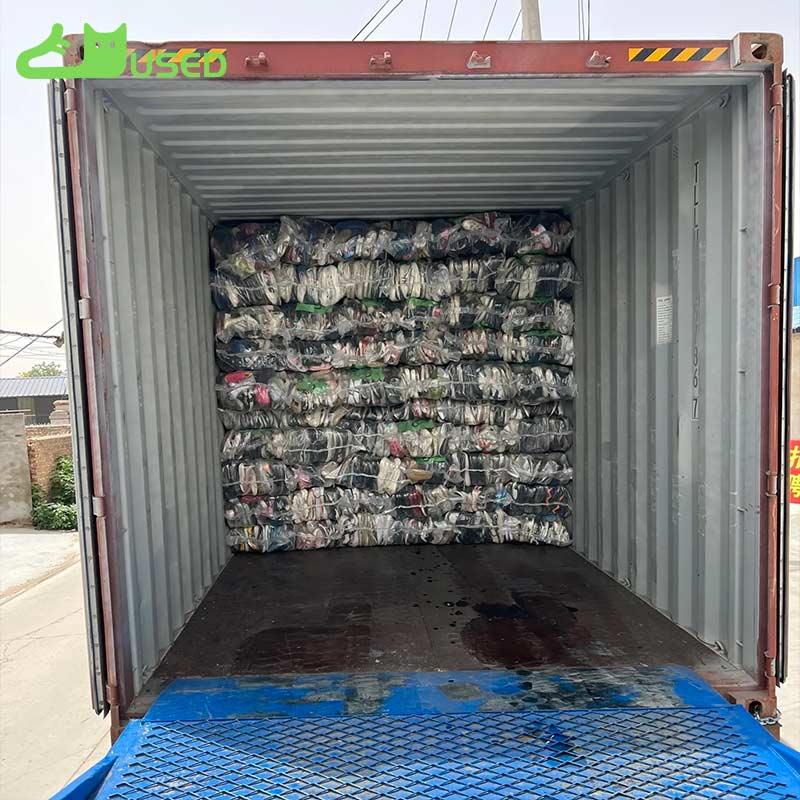
Keep mates together, avoid crushing small shoes under heavier forms and prevent dirty outsoles from contacting interiors. Confirm dryness before closure. Label code, accepted pairs, size-ladder reference, form mix, gross weight, closure date and packer.
Reopen selected units and compare count, marks, function, shape and label. Any repack should create a revision. Do not convert weight to pairs unless a current method supports it; preserve both measures as different fields.
mates stay together
small forms retain shape
ladder and count reference
pre-loading check
Open agreed coded units and reproduce pair, function, marked-size and packing checks. Quarantine unapproved substitutions, structural damage, dampness and label conflicts. Keep source and receiving records side by side until the physical disposition is closed.
Revise the next order by named field: size concentration, form share, function rule, preparation allowance or packing protection. Do not turn one receiving result into a claim about all Ghana buyers or a guaranteed future lot.
same field and denominator
affected coded inventory
physical and commercial owners
next-lot ladder version
No. It is a Market Application Reference for buyer-side controls.
Do not infer age; retain the visible system and buyer-approved conversion evidence if available.
The weaker mate and any unresolved child-function finding.
To verify the ladder count, form protection, dryness and label before loading.
A children's footwear order is credible when each released pair climbs the same documented ladder. The used children's shoes wholesale category defines the family; function, marked-size, packing and receiving evidence determine the current quantity.

Direct Factory Supplier of Used Shoes For African Markets In China
 Tel: +8618606960861
 Email: info@usedshoeswholesale.com
 MP/WhatsApp: +8618606960861
 Manufacturer Address:Cizao Town, Jinjiang City, Quanzhou City, Fujian Province