Market Application Reference | Saudi Arabia
This Saudi Arabia reference is a planning model for used men's shoes, not a verified supply, customer or market-performance claim. It focuses on observable risks that a buyer can control: product-form boundaries, dryness, adhesive and material condition, preparation, ventilation, packing pressure and receiving escalation.
List permitted sneakers, formal shoes, loafers, sandals, boots or other forms. Record visible upper zones, closures and outsole constructions without making unsupported material declarations. Use pair codes and readable marked sizes.
The buyer's written mix controls the order. Avoid general statements about Saudi preference. The relevant evidence is the declared intended channels, current accepted inventory and approved substitutions.
approved construction lane
visible surface description
readable pair mark
buyer-declared allocation
Inspect and record surface dryness, interior condition, odor and any evidence of damp storage. Allow approved cleaning or drying to finish before pair release. Do not use a dry outer surface as proof that interiors or every packed pair are dry.
Keep strong odor, dampness and uncertain residues in distinct lanes. Preserve pre-work and post-work observations under the same code so preparation does not erase the original reason.
condition check passed
approved process incomplete
disposition pending
outside order boundary
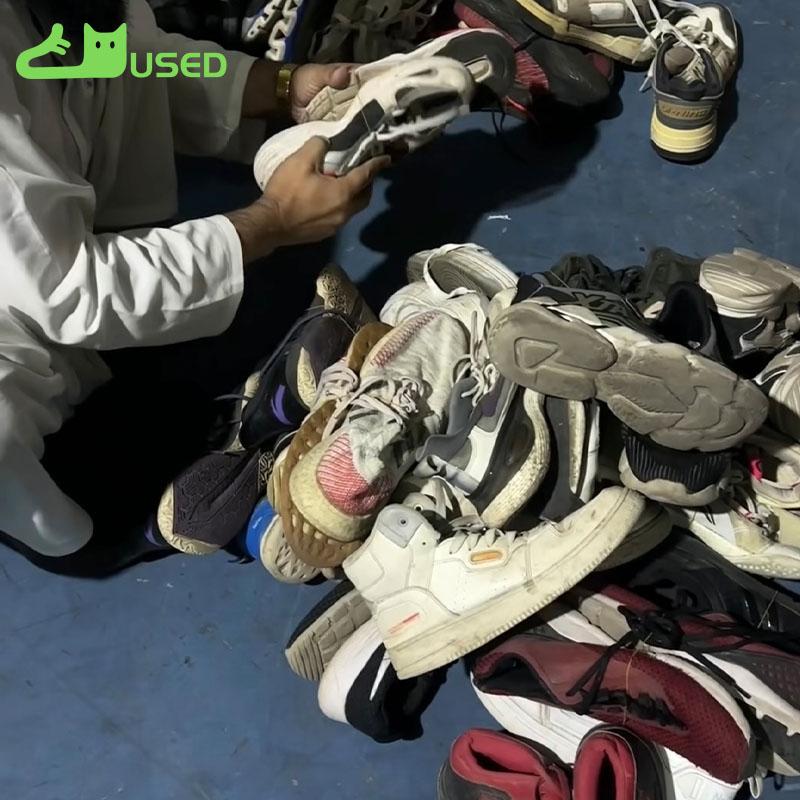
Check sole attachment around the perimeter, flex zones, edge lift, upper joins and adhesive exposure. Record the current observable condition. Do not claim future heat resistance or a fixed service life without product-specific evidence.
Sample several units and forms. A strong bond on one shoe cannot support the entire lot. Separate cosmetic edge marks from active separation that can spread.
continuous attachment
opening under movement
lift or cosmetic mark
repair or exclusion decision
The register ties each observable risk to a hold and receiving action.
| Risk lane | Pre-pack evidence | Arrival action |
|---|---|---|
| Moisture/odor | Dryness and interior check | Release or isolate |
| Bond | Perimeter and flex record | Compare changed edges |
| Shape | Pre-compression images | Recovery review |
| Unit trace | Code and loading position | Expand around cluster |
This control table supports a planned handoff without claiming verified performance in Saudi Arabia.
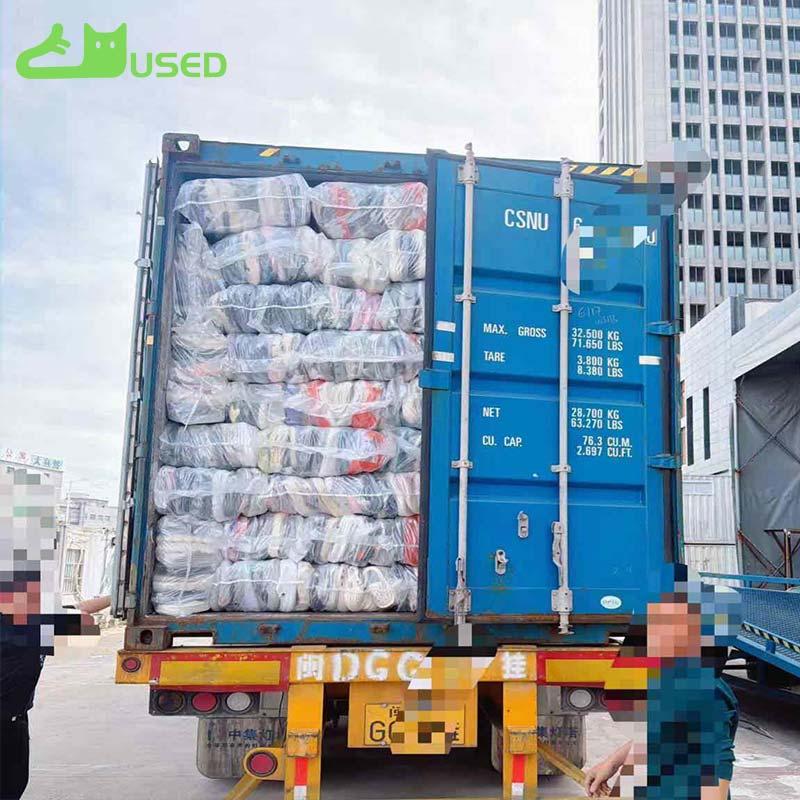
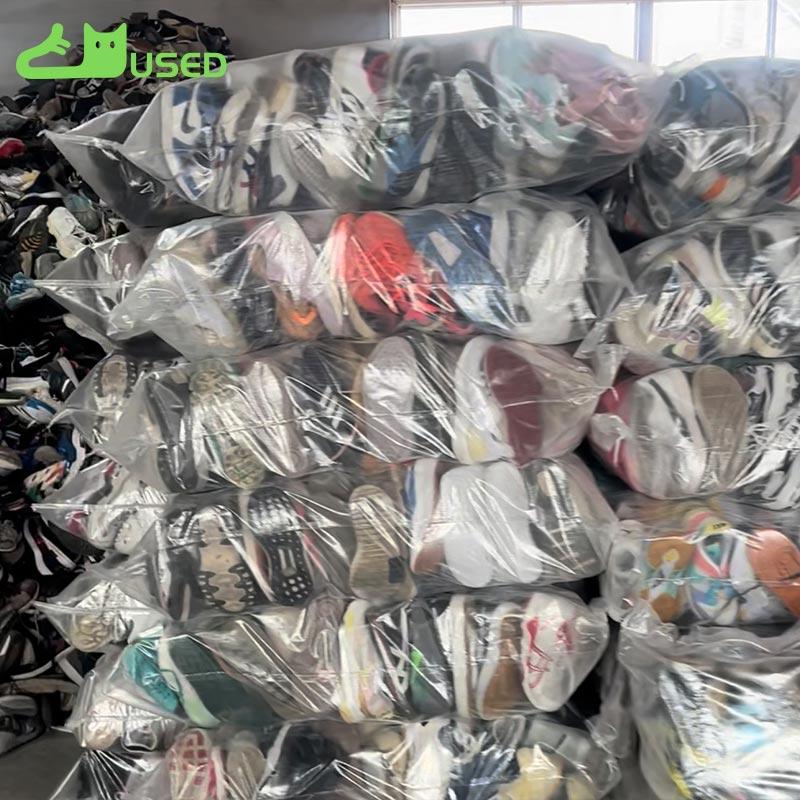
Keep mates together and avoid concentrated pressure on collars, heels or vulnerable panels. Pack only dry released pairs and state unit weight, accepted count basis, orientation, ventilation provision where applicable and closure date.
Reopen a reference unit after the proposed compression period. Compare shape, odor, surface transfer and sole edges with pre-pack images. Record the result as a packing check, not a guarantee for untested conditions.
shape and structure protected
dirty outsole contact controlled
approved pack method
reference-unit result
Link unit codes to the packing list, gross weights, loading images and container positions where available. Record any reopened or replaced unit. The aim is to locate a variance, not to claim that transit conditions will remain constant.
Keep assumptions about route duration or storage separate from actual logistics documents. Update the receiving plan when the verified route changes.
unit code and weight
loading reference
repack or substitution record
actual route evidence
At receiving, inspect outer units and selected contents before inventory is merged. Repeat dryness, odor, shape, sole bond, pair count and size-mix checks. Preserve source and arrival results side by side.
When a problem clusters in one code or position, hold the affected unit and inspect neighbors under the agreed expansion rule. Record owner, evidence and disposition. Do not describe a local finding as a universal shipment outcome.
checks within tolerance
approved local work
cluster under review
documented disposition
Summarize which unit codes stayed within the written range, which required local preparation and which remained quarantined. Keep the actual logistics documents, source images and receiver findings connected by revision. Do not replace estimates silently with arrival results.
Where a packing or preparation change is proposed, define a small controlled retest and its acceptance fields. The revised method should target the observed cause without turning one route result into a durability claim for every future Saudi order.
release record
local task and outcome
unresolved unit and owner
focused method revision
No. It is a Market Application Reference for a possible order and receiving route.
No. Record current bond evidence and avoid unsupported durability predictions.
It checks how the proposed packing affects shape, odor and visible bonds.
A coded unit or position that exceeds the agreed moisture, bond, shape or count range.
A Saudi route plan should control current dryness, bond, shape and traceability evidence without forecasting unsupported performance. The used men's shoes wholesale category sets product scope; coded packing and arrival records govern release.

Direct Factory Supplier of Used Shoes For African Markets In China
 Tel: +8618606960861
 Email: info@usedshoeswholesale.com
 MP/WhatsApp: +8618606960861
 Manufacturer Address:Cizao Town, Jinjiang City, Quanzhou City, Fujian Province