
Market Application Reference | Africa mixed shoes
This page is a Market Application Reference for a used mixed-shoe export route from China to an African buyer. It does not document a named customer, country, shipment or result. The useful decision is how source lots, product-family releases, mixed allocation, coded packing, loading records and destination receiving remain connected for the specific inquiry.
List permitted men's, women's, children's, slipper and other families, target or maximum proportions, marked-size requirements, condition limits, preparation allowances and exclusions. State the commercial unit and packing format. Treat every field as a buyer requirement, not a continental preference.
Ask the supplier to return current-lot counts and shortages against the dated brief. Proposed substitutions remain outside the approved mix until the buyer responds. Preserve revisions so later packing records show which matrix governed each unit.
approved product lanes
observable limits
released proportion matrix
buyer approval record

Assign source lot, intake period, container and transfer codes before material is combined. Isolate moisture, contamination, sharp damage and unknown material. Count what enters pairing and what remains held. Source identity describes custody, not quality.
When multiple source streams feed one order, retain their codes in the inspection sample and packed-unit record. This allows clustered variance to be investigated without making unsupported claims about collection regions.
source and period
isolated material
stage count
recorded combination
Match mates before condition counts. Apply shared sole, upper, interior and odor rules plus form-specific checks: adult heels and closures, child fastening and support, slipper posts or bands. Read compatible size marks and keep conflicts outside released curves.
Count pass, preparation, downgrade, hold and reject reasons by family. A combined grade hides concentrated weakness, while a combined size curve blends incompatible systems. Release separate family ledgers before calculating the mixed total.
form and size ledger
construction matrix
function and marks
attachment and footbed
Each transfer retains a count, code and release condition.
| Stage | Ledger entry | Release condition |
|---|---|---|
| Source | Lot, intake and hold counts | Custody reconciles |
| Family release | Function, condition and marks | Separate ledgers close |
| Mixed packing | Matrix and coded unit | Buyer variance approved |
| Receiving | Repeated fields and disposition | Affected stock closed |
The export total is defensible only when every released unit can be traced through the ledger.
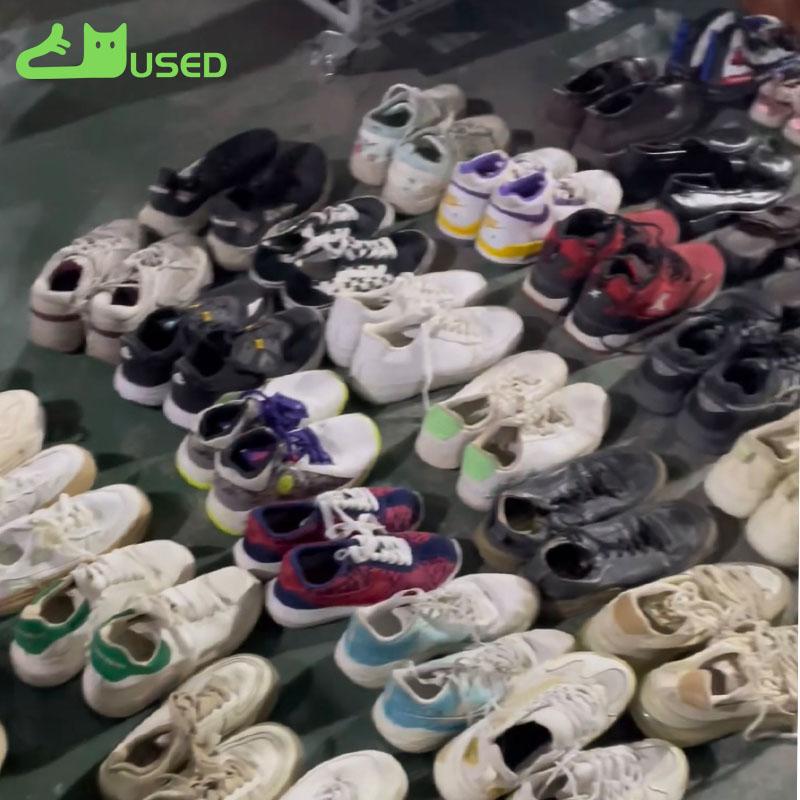
Choose a controlled ratio or family-separated inner groups. Attach the approved matrix and accepted-pair basis to each unit code. Keep preparation holds and unapproved substitutions outside packing.
Sample ordinary units across packing positions. Compare family proportions and pair counts, report the range and expand around concentrated variance. A colorful display cannot establish the composition of every bale.
ratio or inner groups
released pairs only
unit-level comparison
controlled repack
Keep mates together, protect small or structured forms from pressure, separate dirty outsoles from interiors and confirm dryness. Label accepted basis, family matrix, gross weight, closure date and packer. Preserve pairs and weight as separate measures.
Reopen selected units before loading and compare contents with the packing list. Record replacements, relabeling and loading references as revisions. The page does not claim that a container has shipped; it defines evidence required before release.
closure check
family-appropriate pack
unit list reconciles
buyer exceptions closed
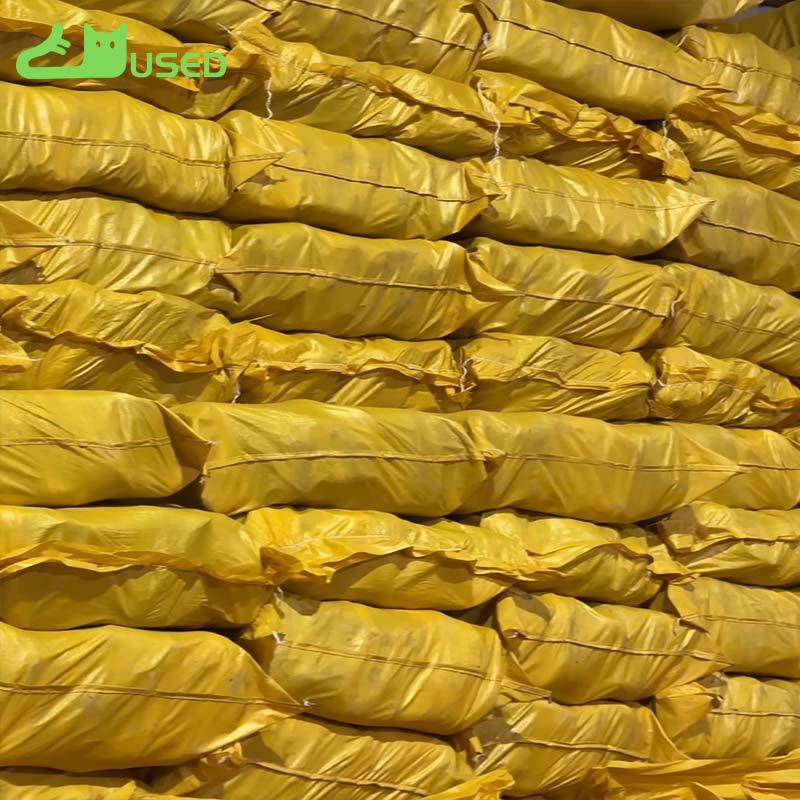
Open agreed coded units and repeat family, condition, marked-size and packing checks. Compare source and receiver fields side by side. Quarantine changed ratios, damage, dampness, label conflict and unsupported substitutions before stock merge.
Assign physical disposition and commercial discussion separately. Use receiving results to revise the next brief by named field. One receiving sample cannot prove all African markets or guarantee future order performance.
release under written rule
coded inventory hold
prepare reallocate or exclude
next brief version
Compare the quotation, freight allocation, import, receiving and preparation inputs on clearly named dates and commercial terms. Keep bales, kilograms, gross items, matched pairs and accepted pairs as separate measures. A custody break or unapproved family substitution changes the operational denominator even when the headline invoice remains unchanged.
Assign every estimate an owner and confidence status. Replace it with the actual document or task count after receiving, while preserving the earlier scenario. This links commercial feedback to the source, family or packing field that created the variance instead of describing the entire route as successful or unsuccessful.
commercial unit and term
released-pair denominator
local task count
traceable custody source
No. It is a Market Application Reference without a named customer or result.
No. Use the actual buyer's product-family and size matrix.
They support custody and investigation of clustered variance.
After family ledgers, matrix, dryness, label and exception gates close.
A mixed-shoe route is credible when custody survives every family, packing and receiving decision. The used mixed shoes wholesale category defines product scope; the current buyer matrix and coded records control release.

Direct Factory Supplier of Used Shoes For African Markets In China
 Tel: +8618606960861
 Email: info@usedshoeswholesale.com
 MP/WhatsApp: +8618606960861
 Manufacturer Address:Cizao Town, Jinjiang City, Quanzhou City, Fujian Province