
Sierra Leone Used Mixed Shoes market application reference
The Sierra Leone worksheet asks how to verify sneaker proportion, casual-family boundaries, marked-size cells, and preparation burden for one current inquiry. It is not a success story. Compare upper, sole, closure, interior, marked size, and pair match as physical fields and preserve external decisions outside the article.
A useful Sierra Leone brief names the channel, used mixed shoes forms, accepted size evidence, condition boundary, work allowance, commercial unit, and packing route. For the Sierra Leone file, Sierra Leone frames the inquiry, while dated receiving evidence controls the mixed-lot balance.
leave the first reply line by line. For the Sierra Leone file, A broad product term cannot replace a destination-specific specification or a capture of what the supplier actually has.
Sierra Leone
Used Mixed Shoes
buyer-provided route
dated inquiry file
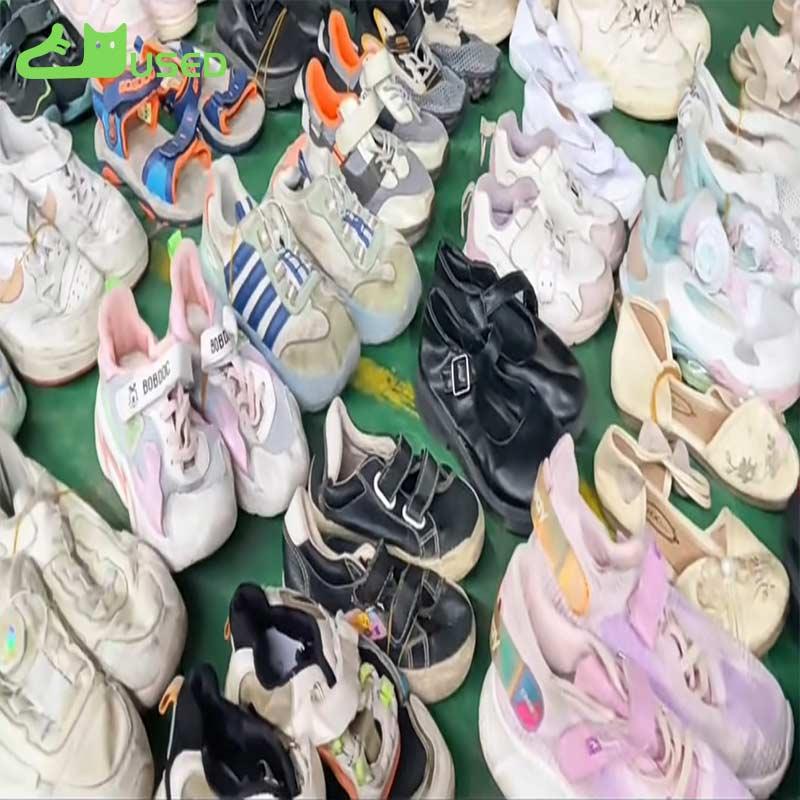
Use one code per complete pair and capture upper, sole, closure, interior, marked size, and pair match. For the Sierra Leone file, Sierra Leone reviewers check the pair and family lane before calculating a mixed ratio. For the Sierra Leone file, Write what is seen, what remains uncertain, and which route owns the next decision.
Sierra Leone uses the product sheet for physical facts and a named owner for external questions.
physical field
unresolved reason
next reviewer
limited wording only
For Sierra Leone, the table keeps physical evidence, receiving buyer decisions, and open external checks separate.
| Inquiry field | Current evidence | Open decision | Release record |
|---|---|---|---|
| Product scope | Used Mixed Shoes | Forms or substitutions | Buyer-approved matrix |
| Physical route | upper, sole, closure, interior, marked size, and pair match | Hold or review reason | Closed pair or unit code |
| Assortment | Size and family cells | Cell cap or shortage | Released count |
| Packing | Codes, labels and weight | Method change | Selected-layer check |
| Receiving | Repeat findings | Affected disposition | Source-to-arrival record |
The Sierra Leone table records a mixed ratio without calling it a country-wide preference.
For this Sierra Leone inquiry, use ready, preparation, qualified review, restricted wording, evidence hold, and decline routes. For the Sierra Leone file, For Sierra Leone, a ratio cell remains bounded until the actual family count is reconciled. For the Sierra Leone file, Count only complete pairs whose relevant fields are closed.
Sierra Leone should set a mixed-lot tolerance by family cell instead of borrowing a generic ratio. For the Sierra Leone file, Log the downgrade owner for Sierra Leone, retain the first finding after approved work, and close the route with reinspection.
all buyer fields closed
bounded work
qualified decision
evidence or claim open
For Sierra Leone, show sneaker and casual family cells beside marked size, condition, and preparation before calculating a ratio.
Use the receiving capture and closed ratio to revise the mixed cells; one lot cannot define a country-wide sneaker balance.
form, size, and route
buyer-set cap
open substitution
dated local record
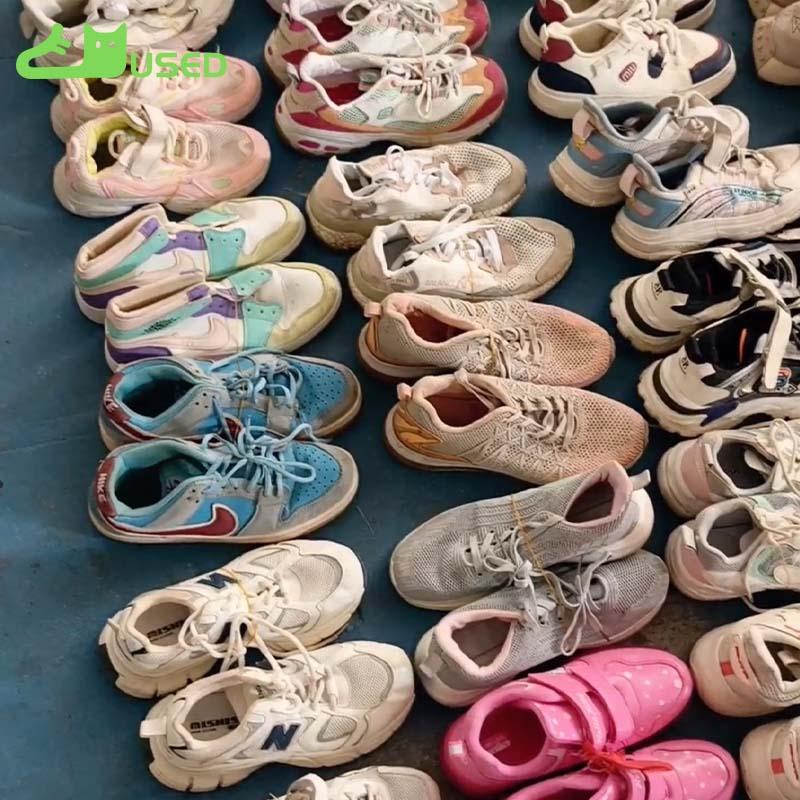
Sierra Leone labels sneaker and casual cells separately, showing the proposed ratio before the mixed carton is sealed.
The Sierra Leone ratio is reconciled against the actual layers, not a generic mixed count.
source-to-carton trail
released units
version and weight
selected layer
At Sierra Leone receiving, recount sneaker and casual cells before the mixed lot joins the normal inventory.
Sierra Leone's next matrix changes one ratio or receiving field from the closed count.
same evidence fields
affected codes
prepare reallocate or exclude
one next-version change
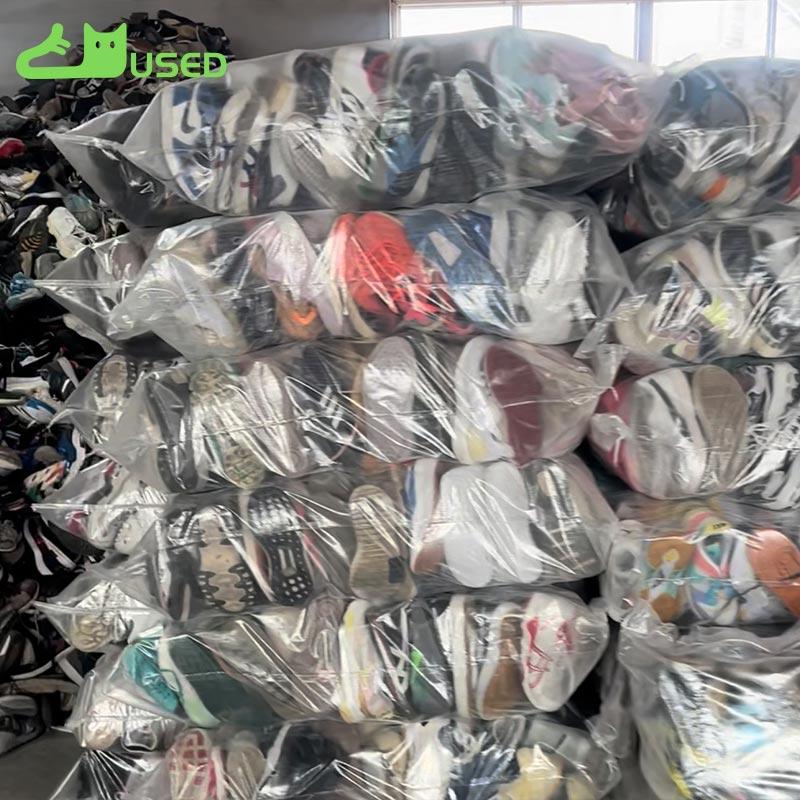
Before Sierra Leone approval, reconcile family counts, sneaker cells, mixed ratio, unclosed holds, packed codes, and receiving owner.
Sierra Leone's closeout ties the mixed ratio to the actual coded layers and receiving capture.
current physical evidence
named open item
responsible decision
one controlled change
No. This Sierra Leone page is a Level B reference for sneaker proportion, casual-family boundaries, marked-size cells, and preparation burden; it does not capture a customer, shipment, or result.
No. Use the Sierra Leone receiving buyer's available specification, supplier counts, inspection evidence, and receiving records.
Only after the Sierra Leone physical, pair, size, wording, packing, and receiving buyer-approved fields are closed.
Change one named Sierra Leone field from receiving variance, unclosed decisions, work records, or the receiving buyer's dated outcome evidence.
Sierra Leone closes well when the mixed ratio is tied to coded cells and receiving evidence. The used mixed shoes wholesale category keeps the mixed sneaker inquiry tied to coded cells and receiving, not a generic balance.

Direct Factory Supplier of Used Shoes For African Markets In China
 Tel: +8618606960861
 Email: info@usedshoeswholesale.com
 MP/WhatsApp: +8618606960861
 Manufacturer Address:Cizao Town, Jinjiang City, Quanzhou City, Fujian Province