Market Application Reference | Nigeria
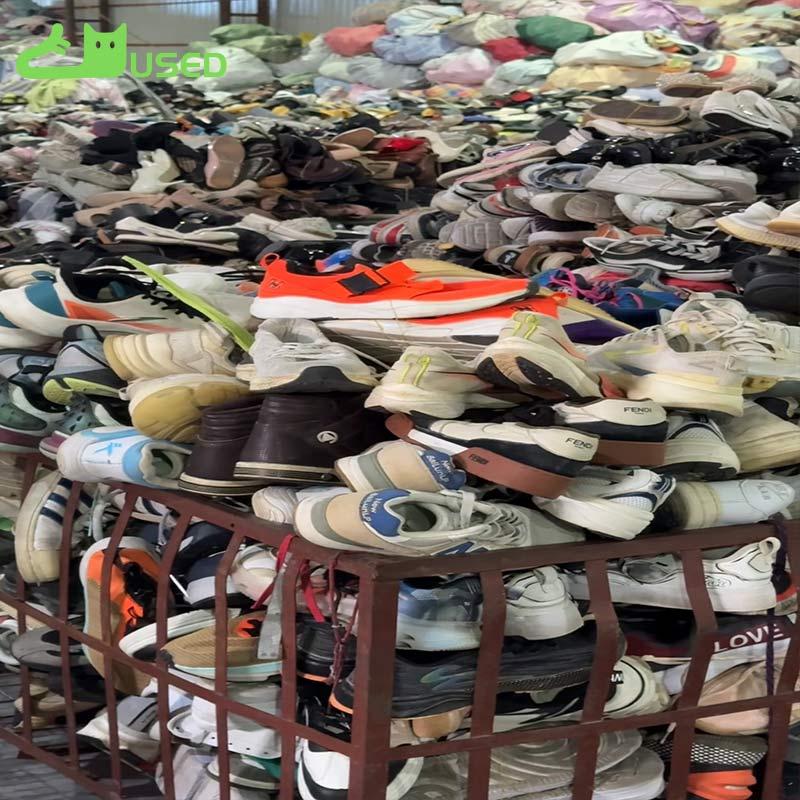
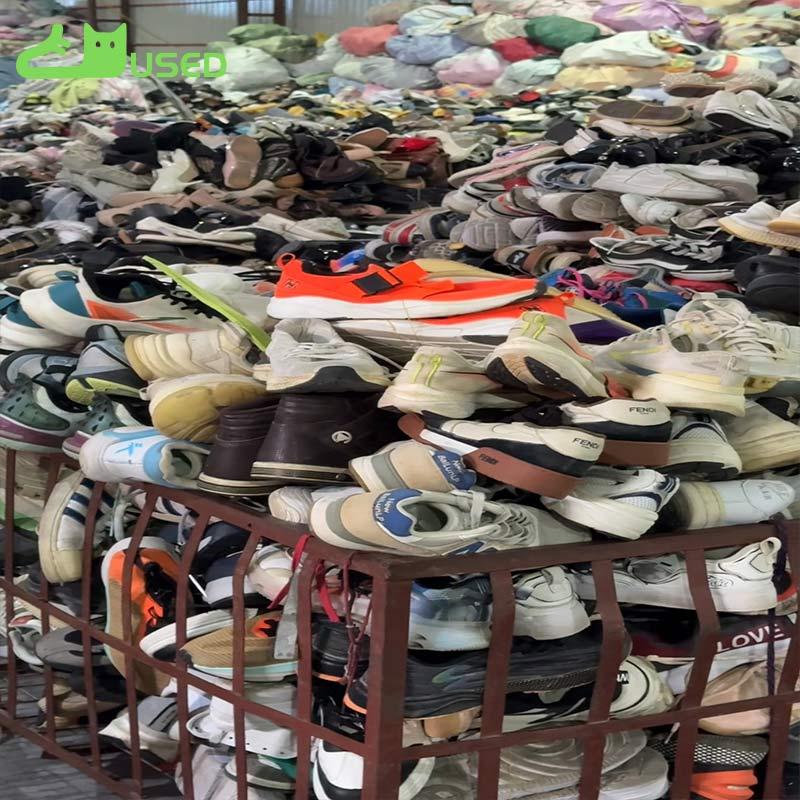
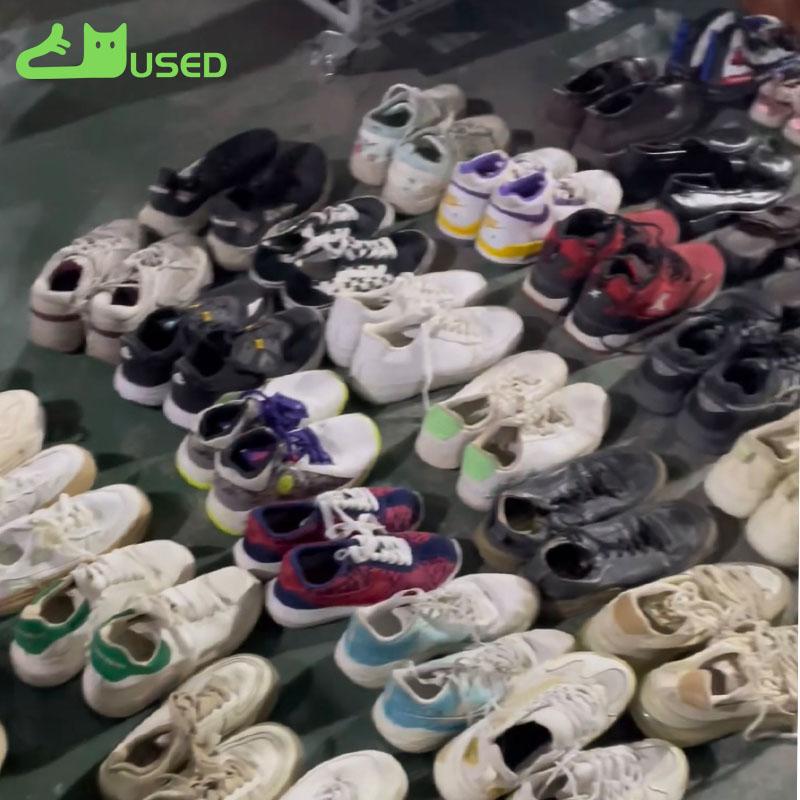
This Nigeria page is a Market Application Reference for used mixed shoes, not proof of a customer, shipment or resale outcome. Mixed stock needs an allocation board because men's, women's, children's and slipper lanes do not share the same function checks, marked-size logic, preparation burden or packing protection. The buyer releases each family before accepting a combined total.
Define permitted men's, women's, children's, slipper and other approved lanes, with target or maximum proportions. Add condition limits, visible size systems, preparation policy, commercial unit and exclusions for each family. Do not call an undefined pile a balanced mix.
Ask for current-lot counts after holds. Where one family is short, show the proposed change and obtain buyer approval. The matrix reflects this inquiry and cannot be presented as general Nigerian demand.
approved forms and boundary
construction and mix cells
function and mark route
attachment and footbed route
Treat the destination as a planning reference and write the buyer's actual goals for product-family share, observable Grade boundaries, marked-size tolerance, preparation allowance, packing format and loading evidence. Do not invent a customer name, order quantity or sales result. Every target remains an inquiry field until current-lot evidence and buyer approval close it.
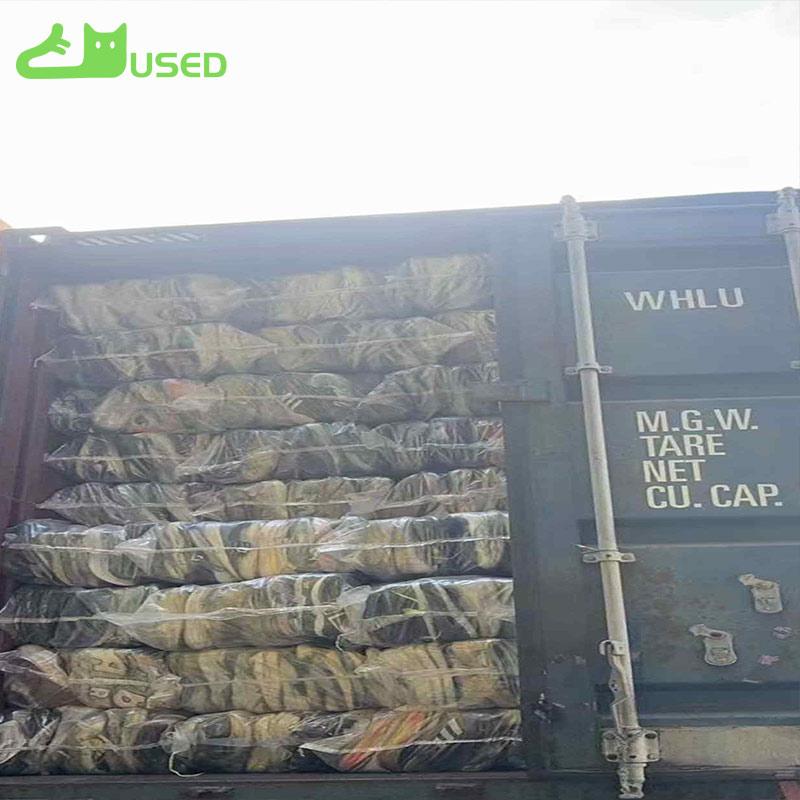
Ask the supplier to identify which goals are supported, which require substitution and which remain open. A controlled response connects the mixed-shoe matrix to coded packing units and a pre-loading reopening sample without claiming that the container or shipment already exists.
Nigeria planning reference
observable family rules
coded mixed units
evidence required before release
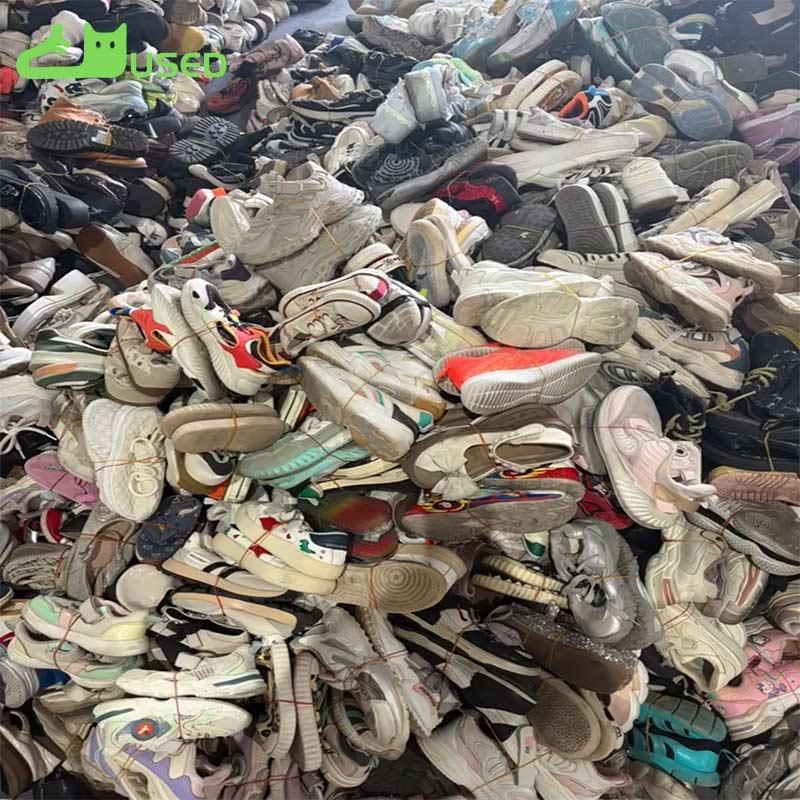
All pairs need mate, sole, upper, interior and odor review, but critical details differ. Add heel and closure checks for relevant adult footwear, secure fastening and support for children's pairs, and post, strap or band attachment for slippers. The weaker mate determines disposition.
Count passes, preparation, downgrades, holds and rejects by family. One overall grade percentage can hide a weak lane or concentrated work, so preserve each denominator before combining totals.
pair and structural base
form-specific support
fastening and component route
sole and upper connection
Read compatible marks on both mates and retain the visible sizing system. Do not merge unlike systems or infer age. Build released size cells within each family and show unreadable, conflicting or missing lanes outside the final curves.
The buyer can set concentration rules per family. A combined size statement is not useful when adult, child and slipper labels follow different logic. Preserve approved substitutions before packing.
visible label basis
released pairs only
held outside cells
buyer-approved range
The board reconciles every product family before and after units are combined.
| Family | Release evidence | Allocation decision |
|---|---|---|
| Men's | Condition, form and marked sizes | Share and inner grouping |
| Women's | Construction and size cells | Share and protection |
| Children's | Function and mark release | Share and pressure limit |
| Slippers | Attachment and footbed result | Share and contact protection |
The sum of released family counts must equal the accepted mixed-unit quantity.
Choose whether units contain a controlled mixed ratio or family-separated inner groups. Use only released pairs and attach the approved matrix to each code. Keep preparation holds and unresolved substitutions outside the packing count.
Test several ordinary units for proportion and pair count before loading. Select codes across different packing positions and record the selection method before results are known. Report the strongest and weakest family deviations as well as the average, then expand around any concentration. This reveals whether one unit carries a hidden shortage that the combined figure would mask. Retain the sampled unit codes for receiving. A visually varied sample cannot prove the composition of every bale.
ratio or separated groups
accepted pairs by family
ordinary-unit comparison
approved matrix revision
Keep mates together, protect small or structured forms from heavy pressure, separate dirty outsoles from interiors and confirm dryness. Label code, accepted basis, family matrix, grade reference, gross weight and closure date.
Reopen agreed units to check family counts, size marks, shape, odor and label. Record any replacement or repack. Weight remains a separate field and should not be converted into pairs without a current supported method.
protect smaller forms
interiors separated
closure check
family ledger reference
Open coded units and reproduce family, condition, marked-size and packing results. Compare each lane with the supplier board. Quarantine changed ratios, damage, dampness and unapproved substitutions before distribution.
Use receiving variance to update one named rule at a time. Preserve both versions, record the approving owner and avoid claiming nationwide preference or guaranteed turnover from a single mixed order reference.
approved proportion
same reason codes
unit evidence
next-order control
No. It is a Market Application Reference for mixed-lot controls.
Use shared boundaries plus product-specific function checks and separate counts.
Compare several coded ordinary units with the approved family matrix.
After family, condition, size and packing variances have documented dispositions.
A mixed-shoe order is controlled only when each family retains its own release ledger and allocation rule. The used mixed shoes wholesale category sets the commercial family; current unit and receiving evidence determine the accepted combination.

Direct Factory Supplier of Used Shoes For African Markets In China
 Tel: +8618606960861
 Email: info@usedshoeswholesale.com
 MP/WhatsApp: +8618606960861
 Manufacturer Address:Cizao Town, Jinjiang City, Quanzhou City, Fujian Province