Author:Used Wholesale Manufacturer TIME:2026-08-11
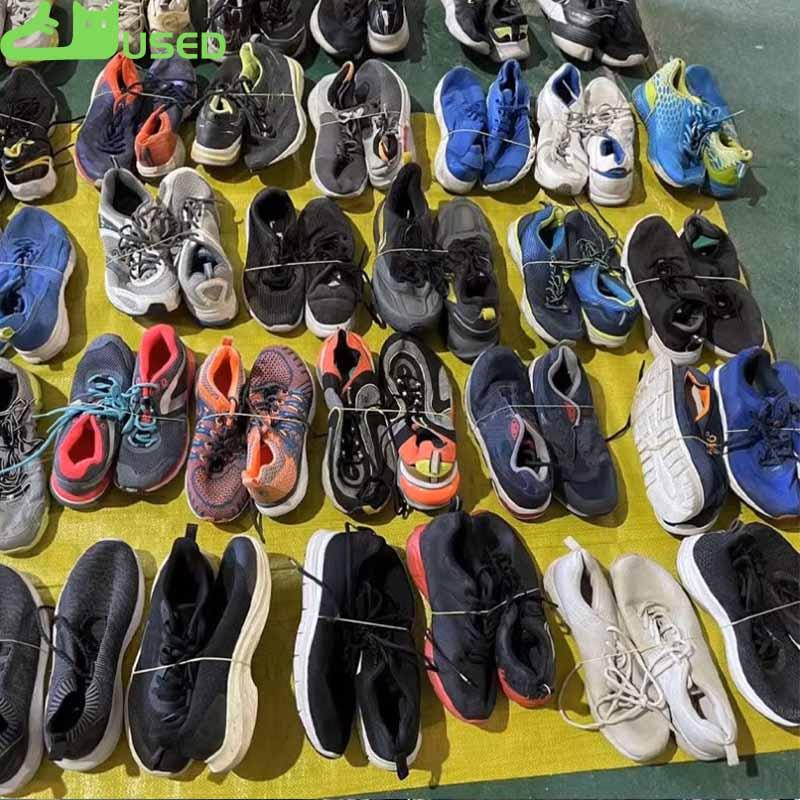
Mixed shoe resale portfolio
The best used mixed shoes for resale are the categories that perform a defined job in one buyer's portfolio. Everyday traffic, practical use, seasonal demand, specialist margin, marked-size coverage and condition tiers compete for the same capital and storage. A useful mix is therefore built from channel records and released pair cells, not a universal list of winning styles.
Separate inquiries, reservations, completed sales, markdowns, returns and aged stock for the buyer's actual channels. Search suggestions may reveal language worth testing, but they do not establish units sold. Record category, condition, marked size, price tier and period where the system supports them.
Look for repeated unmet cells as well as fast sellers. A high sale count can result from overstock, while a small category may turn quickly from limited availability. Use both inventory offered and inventory sold when interpreting the record.
stated need
completed unit
days in stock
unfilled cell

General sneakers, casual closed shoes, simple flats, sandals and ordinary children's forms can serve recurring needs when local evidence supports them. Define the core by minimum availability across relevant condition and marked-size cells rather than by a large undifferentiated percentage.
Inspect outsole life, sole bond, closures, mate compatibility and preparation burden. Common footwear becomes weak core stock when released yield is low or repeated slow sizes consume the assortment.
required live cells
construction release
accepted pairs
service trigger
Heels, distinctive boots, branded claims, unusual silhouettes and other selected forms may support higher price points, but they also carry style, proof, presentation and size risk. Give each a maximum capital or unit share until the destination confirms demand.
Keep authenticity review outside physical grading. Route unsupported brand claims to ordinary product treatment or a hold, according to the buyer's policy. Do not let a small premium lane dictate the quality description of the whole mixed lot.
style exposure
separate proof
narrow-cell risk
approved maximum
Roles make inventory limits and review measures explicit.
| Portfolio role | Possible product lane | Primary control | Review signal |
|---|---|---|---|
| Everyday core | General casual and sneaker cells | Availability and function | Service gaps and age |
| Practical need | School, office or durable forms | Use-specific condition | Channel completion |
| Specialist margin | Fashion or verified premium cells | Capital cap and proof | Markdown and cash age |
| Seasonal layer | Weather-sensitive forms | Arrival window | Post-season remainder |
The board describes a buyer's current portfolio; it does not claim that one category leads every destination.

Build the order matrix from released physical pairs. Retain visible sizing systems and keep conflicting or unreadable marks outside claimed cells. Split condition lanes when their retail promise, preparation or price differs.
The supplier should return current counts against requested ranges and list unsupported cells before packing. The buyer can approve substitutions, reduce quantity or redirect a specialist lane. Silent replacement turns variety into unmeasured risk.
product category
visible size band
condition or channel
written disposition
Use the expected customer-facing date, then account for production, booking, transit, customs, inland movement, receiving and local allocation. Boots, rain-oriented forms or warm-weather sandals can miss their useful window even when the factory packing date looked early.
Where a category has a small year-round base and a seasonal increase, write both levels. Preserve route uncertainty in the reorder trigger instead of promising that a shipment will meet a calendar event.
channel requirement
dated stages
ordinary level
evidence-led increase

Track landed product cost, accepted-pair yield, preparation, markdown, storage footprint and stock age. A small premium group can tie up disproportionate cash; bulky footwear can consume space that unit counts hide. Compare roles on the resource each actually constrains.
Use a labeled downside case for slower allocation or weaker yield. This is a planning tool rather than a promised margin. Reduce the first order where one unknown cell can dominate the outcome.
landed pair cost
storage demand
preparation input
unreleased capital
Neighborhood shops, market sellers, school-oriented outlets, fashion resellers and regional wholesalers may need different product and size cells. Use current channel records and receiving evidence to split inventory; do not assume one broad bale is equally useful to every retailer.
Record which cells are unallocated and why. Moving a slow category without preserving its history can make the next channel appear successful while the original assortment problem remains unresolved.
named channel
released cells
no current fit
allocation record
After receiving and selling, compare expected and actual physical yield, allocation, sell-through, markdown, returns and age. Keep supplier condition variance separate from destination demand variance. Change the category range, size tolerance, condition lane or timing rule that evidence identifies.
Retain the previous matrix and effective date. Large simultaneous changes erase the reason a result improved or weakened. A portfolio becomes more useful when each revision answers a documented gap.
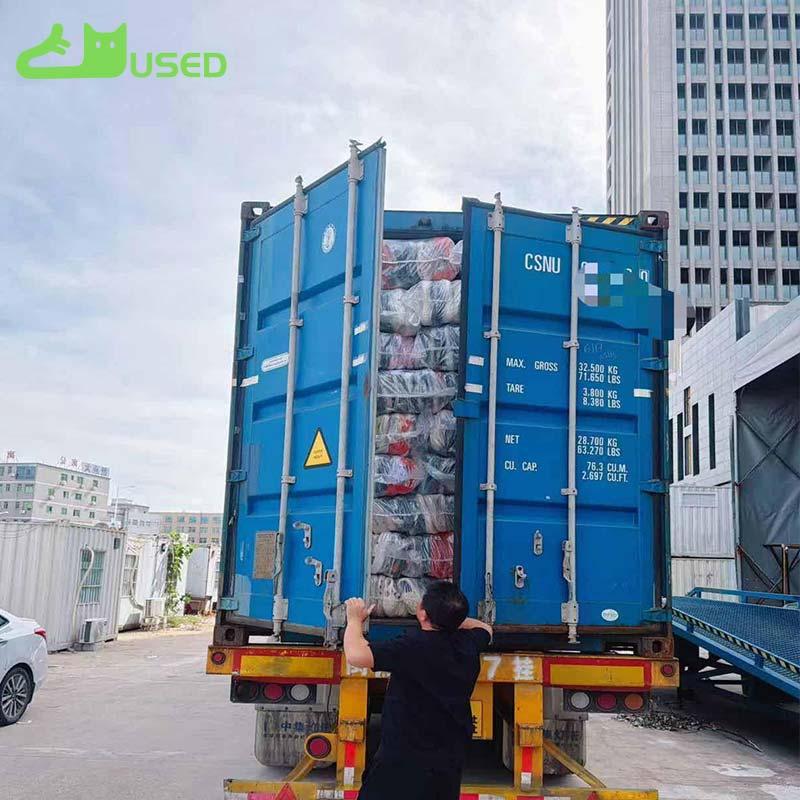
Before requesting a quotation, send the destination channels, released category-size cells, grade boundaries, bale or pair basis, packing labels, ordinary-sample method and container loading evidence required. Ask the supplier to return current counts and list unsupported cells instead of confirming a theoretical mix.
physical result
channel outcome
one named field
next effective mix
None can be established universally; use channel, size, condition and period records.
No. Variety needs enough depth in useful cells and limits on slow specialist stock.
Not automatically; test specific work, rain, highland or fashion channels with measured exposure.
Often it needs local allocation by the retailer's customer and operating capacity.
After a complete receiving and selling cycle identifies a named field to revise.
Resale mix quality comes from assigned roles, controlled exposure and dated channel evidence. The used mixed shoes wholesale category names the broad product field; the buyer's portfolio board sets the actual order.


Direct Factory Supplier of Used Shoes For African Markets In China
 Tel: +8618606960861
 Email: info@usedshoeswholesale.com
 MP/WhatsApp: +8618606960861
 Manufacturer Address:Cizao Town, Jinjiang City, Quanzhou City, Fujian Province