Author:Used Wholesale Manufacturer TIME:2026-08-11
Mixed shoe field inspection route
A used mixed shoe inspection should produce three separate answers: physical condition, assortment conformity and packed quantity. The result is useful only when the selected units are traceable, both shoes are examined, reason codes connect to action and the raw counts remain available. A single pass percentage cannot show whether the problem came from grade, category mix, packing or the sample itself.
The card prevents condition, mix and packing issues from collapsing into one result.
| Observation lane | Required record | Possible controlled action |
|---|---|---|
| Sale-ready | Pair count and approved cells | Release within limit |
| Preparation | Task reason, quantity and input | Work and recheck |
| Physical exclusion | Defect code and affected units | Isolate or expand |
| Assortment variance | Category or marked-size count | Resort or written change |
| Packing variance | Unit label, count or weight | Reconcile and relabel |
The applicable contract and risk plan determine the final action; the card preserves the evidence used to reach it.
Obtain the unit list with code, production or closure date, stated grade, mix, gross weight and packing status. Define which units belong to the inspection population and record any excluded or inaccessible stock. Select the sampling approach appropriate to contract value, supplier history and consequence of failure.
Agree what triggers acceptance, expanded inspection, resort, repricing, hold or rejection. Where a named formal standard applies, use its actual procedure. Do not invent a sample size after seeing the result.
eligible coded units
named selection rule
agreed threshold
written next step
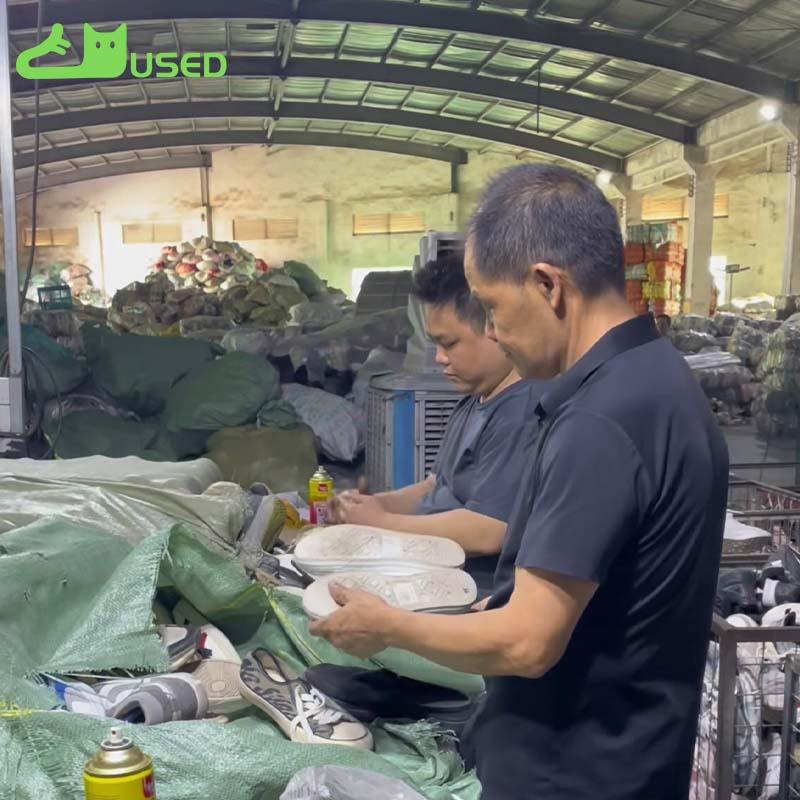
Choose units before contents are revealed and distribute the sample across relevant grades, production periods and locations. Record exterior condition, seals or straps and stated weight before opening. Inside a compressed unit, use a declared route across depths instead of checking only the visible layer.
Count every examined pair, mismatch, single and reject. If the unit is rebuilt, preserve its identity and record the revised weight or label. When one unit is materially weaker, keep its result visible and follow the predetermined expansion rule.
preselected code
arrival state
declared route
identity retained
Compare both mates for model, compatible marked size, color, material and wear. Inspect outsole life, sole bond, holes, upper cracking or tears, heel structure, lining, insoles, closures, odor, contamination and prohibited work. Add straps for sandals, posts for flip-flops, shafts for boots and child-use fastening where relevant.
The weaker mate controls the pair result. Keep cosmetic preparation apart from structural or hygiene exclusion. Calibrate reviewers on the same small set at the start of work and resolve reason-code disagreement before they separate.
pair compatibility
construction checks
contact condition
reviewer agreement
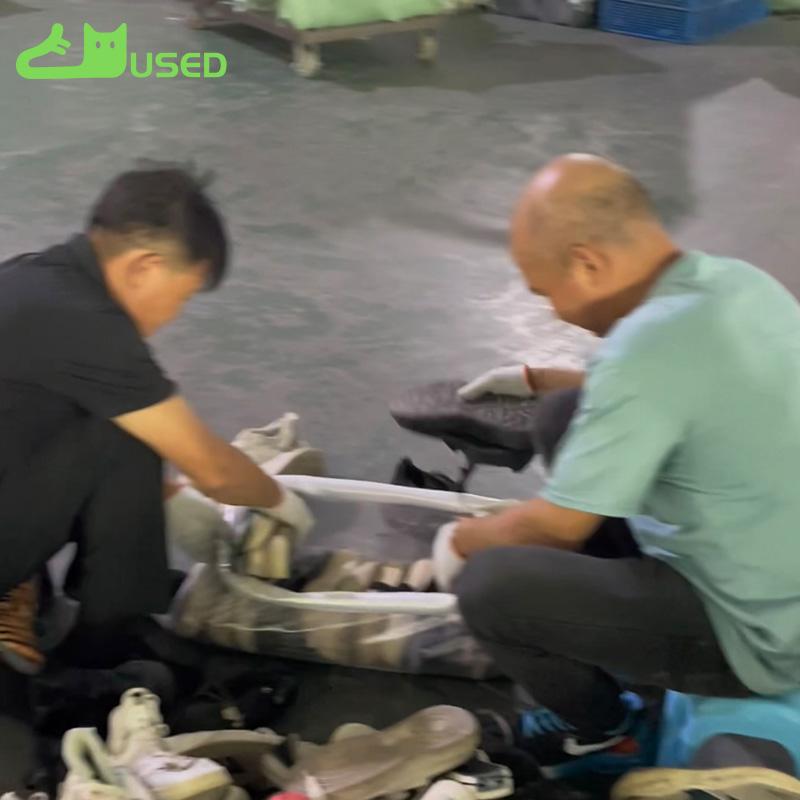
For each examined pair, record the order's commercial category, visible sizing system and marked-size band, grade lane and any other approved cell. Compare raw counts with the requested ranges and tolerances after physical holds are removed.
A lot can be wearable yet fail the destination mix. Too many seasonal forms, fashion heels, extreme sizes or one product family may require resorting or written acceptance. Labels support traceability but sampled contents establish the result.
order group
visible size system
physical lane
approved range
Avoid a general bad-quality bucket. Separate mismatch, sole or attachment failure, upper damage, unstable heel, interior hygiene, missing component, routine preparation, permitted repair, wrong category, wrong size cell and packing variance. Use definitions that two reviewers can apply.
Photograph representative evidence beside the unit and tally identity. Large folders of uncounted images are difficult to evaluate. A smaller set linked to raw counts and known positions better supports correction.
observable variance
pairs affected
unit-linked record
specific action
Report the numerator, denominator, sample route and unit-level range for each major finding. Do not let a strong unit average away a concentrated failure. Determine whether the affected production period, grade or packing group requires expansion or isolation.
Separate product disposition from commercial remedy. Resorting, reinspection, preparation, exclusion, price discussion or written acceptance needs an owner, affected codes and completion record. Preserve the original tally.
count over sample
affected units
inventory disposition
separate closeout
At destination, select coded units and repeat pair, condition, mix, quantity, moisture and label checks under the agreed spread. Quarantine material differences before combining stock. Transit observations should not overwrite pre-shipment sorting evidence.
Compare reason-code distributions and investigate the first handoff where records diverge. Feed only supported changes into the next specification, sample route or packing instruction. Sign and date the final comparison so later orders do not rely on memory.
locked tally
independent spread
first divergent field
controlled update
Use the contract's named or risk-based method; do not choose a number after seeing stock.
Only if the written grade defines that lane; retain work and reinspection separately.
No. Compare sampled contents with the coded label and order matrix.
They expose the denominator, clusters and actual scale behind each rate.
Use the pre-agreed expansion, correction, hold, repricing or rejection route for affected codes.
Inspection becomes actionable when traceable selection leads to separate physical, assortment and packing records. The used mixed shoes wholesale category defines the broad goods; the field card determines the evidence-based lot disposition.

Direct Factory Supplier of Used Shoes For African Markets In China
 Tel: +8618606960861
 Email: info@usedshoeswholesale.com
 MP/WhatsApp: +8618606960861
 Manufacturer Address:Cizao Town, Jinjiang City, Quanzhou City, Fujian Province