Author:Used Wholesale Manufacturer TIME:2026-08-11
Mixed shoe local allocation loop
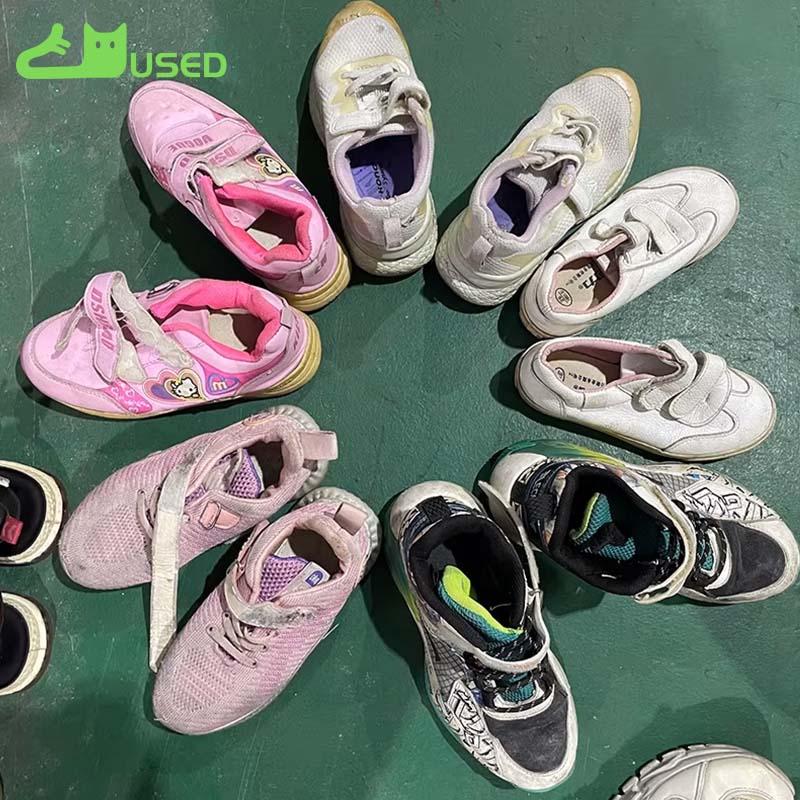
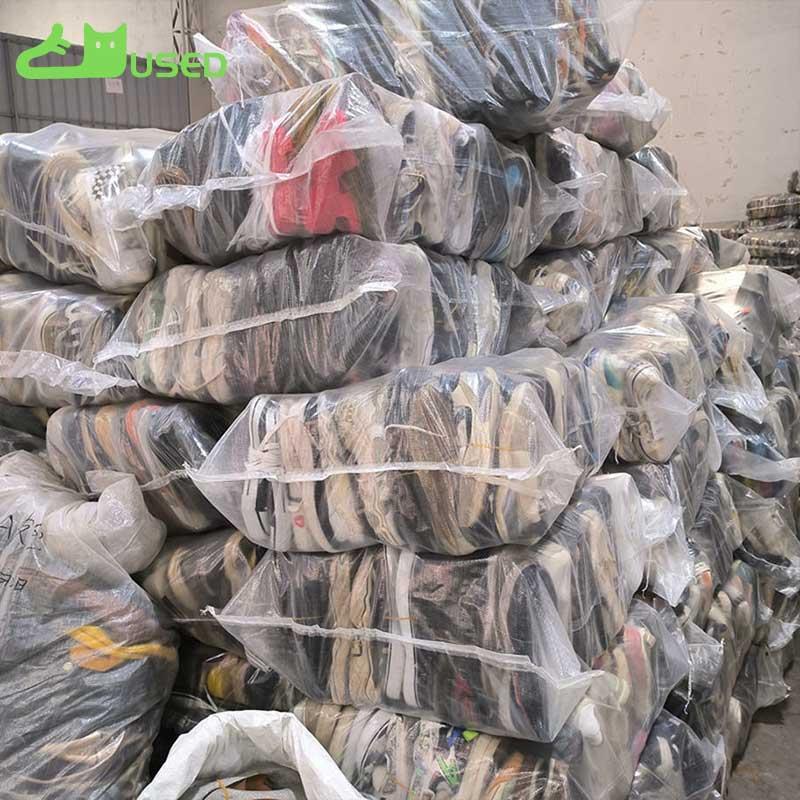
Which mixed used shoes sell best depends on a named outlet, customer group, condition tier, marked-size cell, price and period. One container can contain useful sneakers, sandals, school-style pairs, office footwear, boots, heels and children's shoes while still performing unevenly when every seller receives the same assortment. Local allocation should start from verified arrival stock and end with a recorded outlet result.
Describe actual outlet roles such as everyday value, school-oriented, office presentation, fashion specialist, broad regional wholesale or another buyer-defined channel. For each, retain completed sales, customer requests, stock age, markdown, returns and recurring size gaps where legitimate records exist.
Seller comments can identify questions, but they do not prove demand by themselves. Compare stated preference with offered stock and completed transactions. A high sales count may simply reflect a larger original allocation.
named outlet role
stock made available
completed movement
unfilled request
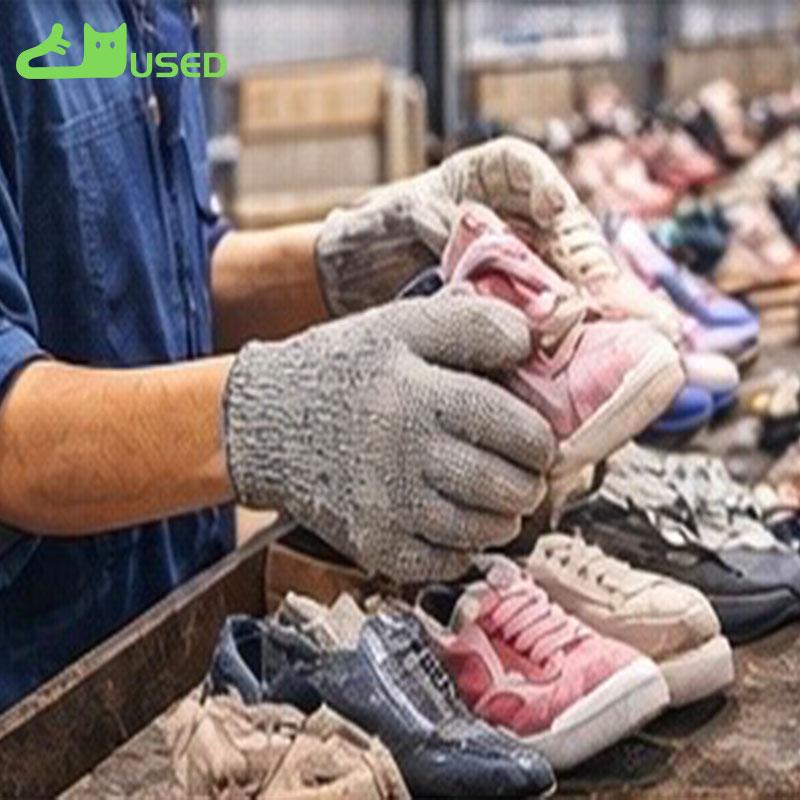
Check coded units for pair compatibility, physical grade, category, visible marked size, preparation status, packing and quantity before splitting the shipment. Keep transport or moisture holds outside normal inventory until disposition closes.
Use a practical category system that staff and retailers can apply consistently. Too many tiny labels slow handling; categories that combine different condition promises hide useful differences. Preserve the source unit when a cluster of defects or mix errors appears.
compatible release
commercial form
visible size band
source trace
The response changes one inventory decision and records what happens next.
| Observed signal | Controlled stock response | Measure |
|---|---|---|
| Repeated marked-size gap | Release matching reserve cells | Recovered sales and balance |
| Traffic without conversion | Review tier, display and price | Conversion after named change |
| Seasonal form ages | Test supported alternate outlet | Transfer cost and final age |
| Preparation backlog | Send sale-ready tier to constrained outlet | Available stock and delay |
A response is retained only when the outlet result supports repeating it.
School-style and children's progressions may be routed toward documented term-related buyers. Office shoes and flats may suit outlets where presentation and fit support the price. Sandals, boots and slippers require a more specific weather, work, fashion or household-use reason than a national assumption.
Sneakers can span several channels, so separate condition and price potential. A photo-led fashion pair and a durable value pair should not automatically take the same route. Record prohibited substitutions before allocation.
documented channel reason
category size and tier
substitution boundary
current decision
Set aside only the categories and size cells needed to answer early stockouts or incomplete outlet data. Record reserve cost and age. A universal reserve percentage is not supportable because network size, storage and replenishment differ.
When a requested cell is scarce, allocate by an agreed service rule rather than giving the first outlet all of it. Preserve exceptions so later comparisons do not treat unequal starting stock as equal opportunity.
named shortage response
released pairs held
trigger and owner
review date
Define a review point in days or selling cycles. Diagnose price, display, condition, size, category, season and outlet fit before moving inventory. A slow cell in one shop may have a supported role elsewhere, but repeated movement can also reveal a weak original buy.
Recount pairs, preserve marked sizes and condition, protect shape and assign transport and handling cost. Record both the source and destination result so the receiving outlet does not receive all credit while the original allocation disappears.
planned review point
diagnosed field
handling and movement
final outlet result
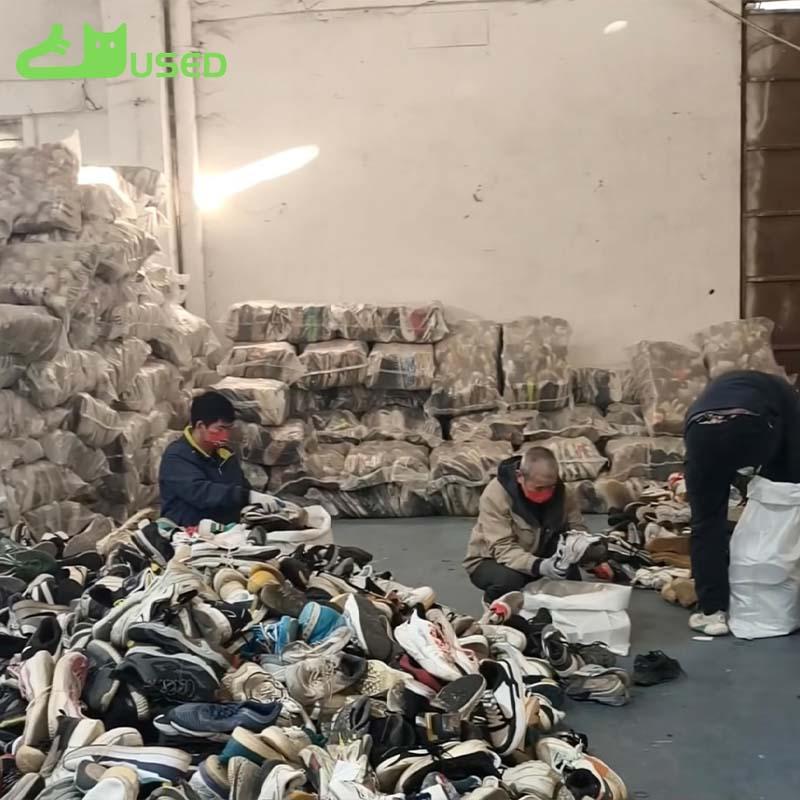
Track units offered, units released for sale, completed sales, markdowns, transfers, returns and remaining pairs by relevant cell. Compare like periods and similar starting condition. Do not rank outlets from gross sales when allocations were different.
Separate physical variance from channel response. A seller cannot prove low demand when many assigned pairs were withheld for cleaning, and a strong outlet result cannot validate supplier grade when defects were removed before allocation.
starting cells
sale-ready units
sales and transfers
age by reason
After a complete cycle, compare expected and actual arrival mix, outlet allocation, transfer cost and final stock age. Change the supplier mix range, marked-size tolerance, condition tier, local reserve or outlet rule supported by the record.
Keep the former matrix and effective date. Search or inquiry language can suggest the next question, but the reorder quantity should come from current physical and channel evidence. Send suppliers the revised cells, grade, packing and ordinary-sample request rather than a claim about what sells everywhere.
arrival variance
outlet result
one controlled field
returned current counts
No. Condition, size, price, purpose and offered stock affect the local result.
No. Allocate released cells to documented outlet roles and preserve starting quantities.
Set it from current network evidence, storage cost and shortage response needs.
At a planned review point after diagnosing the specific price, product or outlet issue.
Revise one mix, grade, packing or local-allocation field supported by a complete cycle.
Local best sellers are measured outlet-product cells, not a universal category list. The used mixed shoes wholesale category defines the available family; arrival, routing and transfer records determine the next allocation.

Direct Factory Supplier of Used Shoes For African Markets In China
 Tel: +8618606960861
 Email: info@usedshoeswholesale.com
 MP/WhatsApp: +8618606960861
 Manufacturer Address:Cizao Town, Jinjiang City, Quanzhou City, Fujian Province