Author:Used Wholesale Manufacturer TIME:2026-03-29
2026 used running shoe review
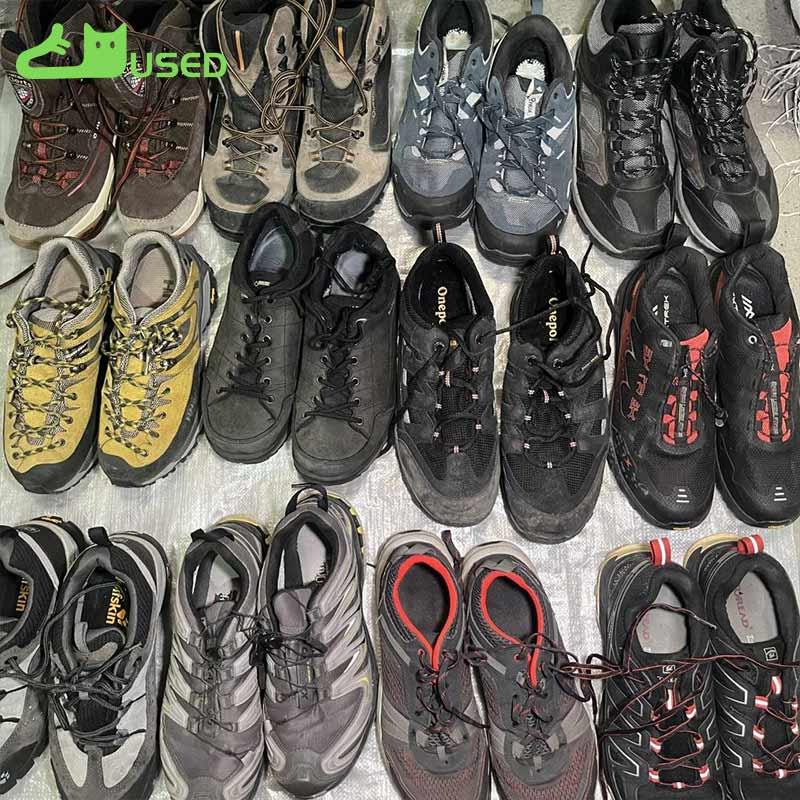
The title asks for the best used running shoes to buy in 2026, but a model name cannot reveal how a particular pair was used, stored or worn. A responsible shortlist starts with the intended activity, fit, outsole, midsole, upper, interior, pair symmetry and seller evidence for the exact item or lot. The year makes the review date explicit; it does not make an old ranking or unsupported performance promise current.
Candidates are compared by current evidence rather than a universal model score.
| Decision field | Evidence from exact pair | Limit |
|---|---|---|
| Intended use | Activity and fit requirement | No universal suitability |
| Outsole | Wear, tread, bond and symmetry | No exact mileage inference |
| Midsole | Shape, compression and material | No lifespan guarantee |
| Upper/interior | Structure, closure and contact areas | Preparation is separate |
| Commercial | Dated price and accepted yield | No promised resale result |
A candidate stays on the shortlist only when its observed condition supports the defined lane.
Separate casual walking, occasional exercise, regular running, demanding training, resale or another actual use. Record surface, frequency, duration, fit preference and any professional guidance already applicable to the buyer. An article cannot determine personal suitability or replace advice for pain, injury, skin concerns or medical conditions.
The stricter use should control inspection. A visually clean pair suitable for display or casual wear may not have evidence for repeated impact use.
named use
expected context
planned exposure
personal requirement
Check that both shoes belong together and that labels, stated size, construction, color and wear are compatible. Review the actual pair, not a catalog image. Treat brand and model claims separately from physical condition and use an appropriate authentication route where that matters.
A recognized series does not guarantee remaining performance. Production variation, prior use, storage and individual wear can make two pairs with the same name materially different.
same compatible pair
visible pair data
separate verification
actual current item
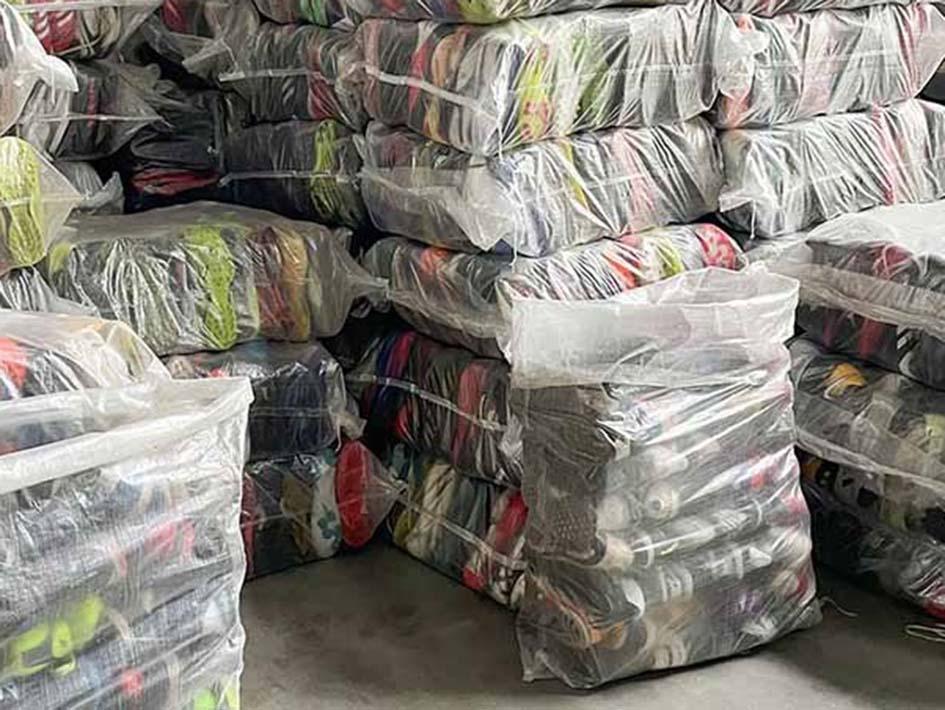
Inspect tread depth, smooth zones, edge wear, exposed foam, cracking, separation and left-right differences. Note whether wear is concentrated at heel, forefoot, lateral or medial areas without diagnosing the previous wearer or future buyer.
Reject active separation, unstable material or damage outside the intended lane. Outsole appearance can support a condition decision, but it cannot produce an exact distance history.
remaining surface
wear distribution
sole connection
left-right comparison
Compare shape, creasing, collapse, hardness, cracking and rebound under the seller's approved non-destructive method. Look for uneven geometry between mates and permanent distortion after storage.
A hand press cannot certify cushioning, support or future lifespan. If the intended use depends on properties that cannot be verified, lower the use case, request better evidence or choose another pair rather than assigning a fixed remaining mileage.
visible geometry
mate comparison
crack or hardening
use-case limit
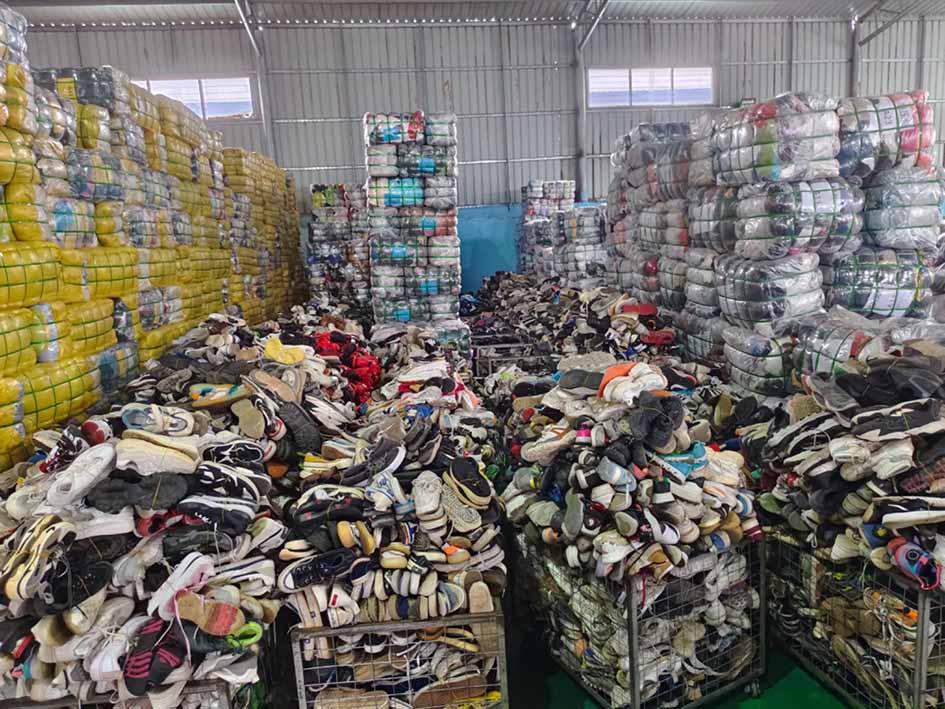
Review heel counter, upper tears, toe deformation, laces, eyelets, overlays, tongue, lining, insole and odor. Confirm that removable parts and both shoes are present. Keep hygiene preparation distinct from structural release.
Fit is personal and model labels are not enough. Where purchasing individually, use an appropriate fit assessment under the seller's terms. Wholesale buyers should grade visible and functional condition without promising a fit outcome to every customer.
structure and lining
lace and eyelet
insole and odor
individual confirmation
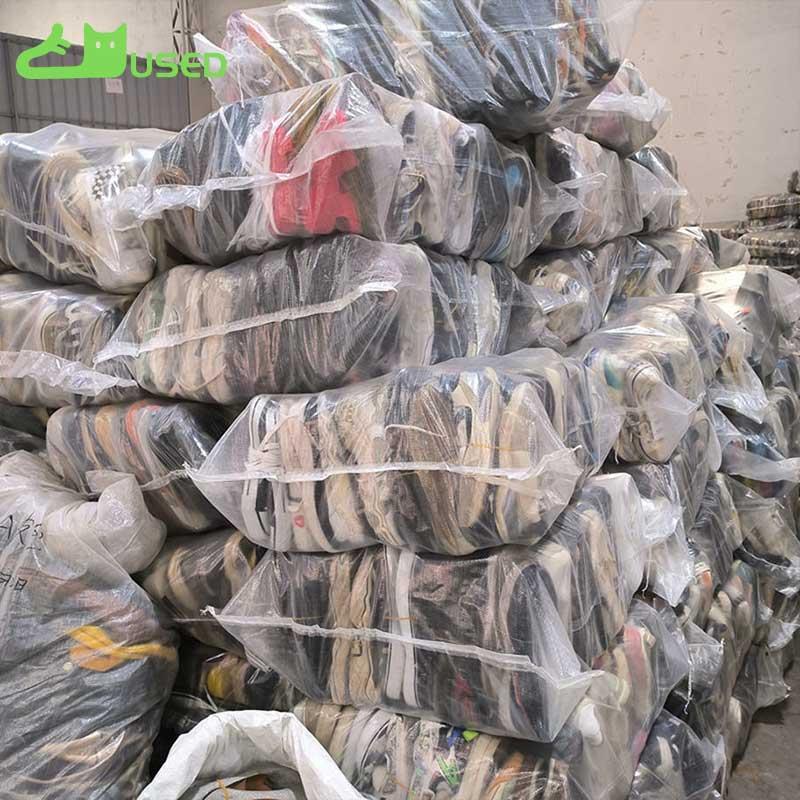
For a bulk purchase, preselect coded units across packing positions and count release, preparation, downgrade, hold and reject reasons. Cross-tab visible sizes and constructions after holds. Preserve the strongest and weakest units.
Do not rank an entire lot from a few selected branded examples. Compare accepted-pair yield, reason range, packing accuracy and unsupported cells on the same specification.
coded ordinary units
released pairs
visible size and form
unit-level variance
Record purchase basis, freight or delivery, preparation, excluded pairs and any verification expense. Keep price per bale, kilogram and pair distinct. For wholesale, compare cost per accepted pair within the intended resale lane.
A dated 2026 review should record when price and stock evidence was gathered. It must not claim a model is universally best or promise future durability. Use a trial when remaining condition or customer fit is not reproducible.
dated quotation
accepted pair denominator
known preparation
uncertain field
Create a pair-level or lot-level record covering intended use, mate identity, outsole, midsole, upper, interior, preparation and open evidence. Assign a reviewer and date. A release applies only to the defined lane and observed state.
For an inquiry, send the requested use, size cells, condition boundaries, ordinary-sample spread, packing basis and actual-pair evidence. Ask the supplier to mark unavailable fields instead of substituting brand reputation.
For wholesale lots, reconcile accepted pairs into the approved mixed-size matrix, assign dry coded packing, reopen selected units and compare labels before container loading. The inquiry should request current counts for each supported cell and a written list of unavailable stock.
defined use lane
evidence or work open
failed boundary
dated owner
None. The exact pair's condition, fit, intended use and evidence control the decision.
It can show distribution and severity, not a reliable exact mileage.
No. It is only one limited observation and cannot certify remaining performance.
No. Keep identity verification and physical release as separate controls.
Use, size cells, condition limits, ordinary sampling, packing basis and actual-pair evidence.
A useful 2026 shortlist ranks evidence, not brand names detached from condition. The used sneakers wholesale category provides the broad product scope; exact-pair release determines the appropriate buying lane.

Direct Factory Supplier of Used Shoes For African Markets In China
 Tel: +8618606960861
 Email: info@usedshoeswholesale.com
 MP/WhatsApp: +8618606960861
 Manufacturer Address:Cizao Town, Jinjiang City, Quanzhou City, Fujian Province