Author:Used Wholesale Manufacturer TIME:2026-03-29
Sneaker authenticity evidence chain
A buyer cannot reliably tell whether every sneaker is authentic from one logo, stitch, box label or online checklist. Models, production periods, regions, repairs and packaging vary, while counterfeit indicators change. A responsible decision combines exact-pair identity, construction details, provenance, seller records and an appropriate independent authentication route when the claim materially affects price or resale.
Record brand, model or style code as stated, size marks, colorway, production labels, included packaging and the seller's exact wording. Distinguish authentic, genuine, original, branded-looking, unverified and no-brand treatment according to the buyer's policy and applicable rules.
Decide what happens if the claim remains open. The pair may require specialist review, ordinary non-premium treatment, hold, return or rejection. Do not let a clean physical grade create an authenticity conclusion.
seller's exact claim
current pair and records
commercial amount at risk
open-claim route
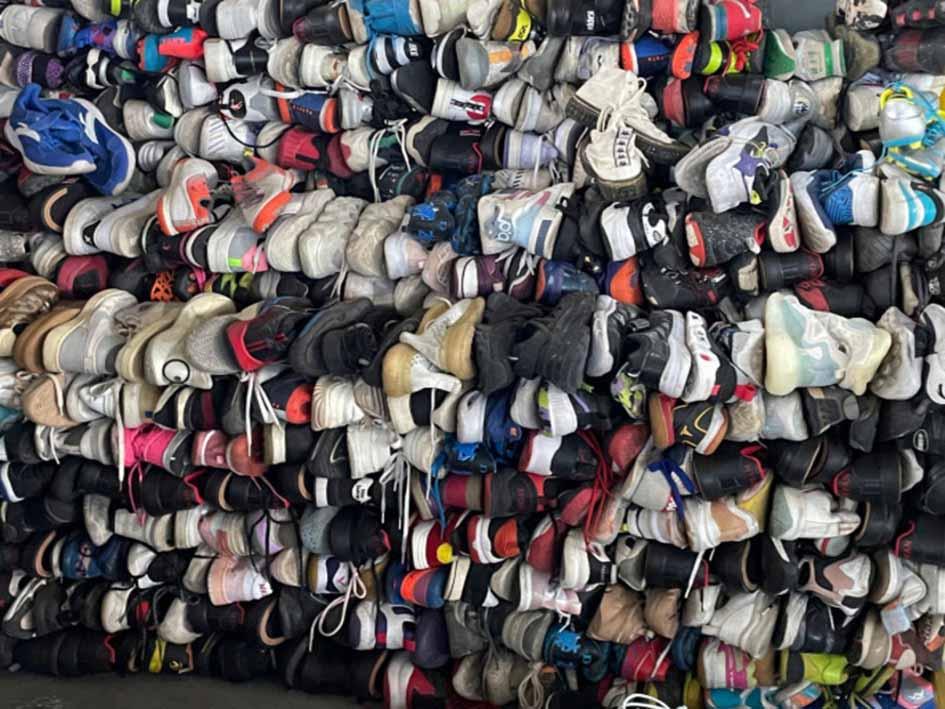
Photograph and code both mates, tongue or interior labels, size marks, style or product codes, stitching, panels, outsole, insole, hardware and packaging supplied. Preserve file dates and avoid editing away context.
Check that mates and labels are mutually compatible, but treat consistency as one evidence layer. A copied label can be internally consistent, while a legitimate repaired or replacement component can differ. Record the observation instead of issuing a verdict from one field.
both shoes documented
visible data
construction details
box or accessories
No single field receives decisive weight outside its proper context.
| Evidence layer | What to record | What it cannot prove alone |
|---|---|---|
| Pair identity | Mates, labels and construction | Authenticity verdict |
| Reference | Correct model, period and source | Complete provenance |
| Provenance | Seller and item-linked history | Physical condition |
| Specialist review | Scope, result and limitation | Future resale acceptance |
| Lot tally | Verified and open pair counts | Status of unsampled pairs |
The final wording should match the weakest unresolved material layer in the evidence chain.
Use authorized or otherwise appropriate reference material for the exact model and production context where available. Confirm that a comparison page actually covers the same version; broad brand guides are insufficient.
Log which reference and date informed each check. Do not publish or invent fixed rules such as one stitch count, label color or code format for every product. A mismatch can raise a question without proving counterfeit status by itself.
exact comparable version
production context
known variation
dated reference
Request legitimate purchase, consignment, inventory or transaction records where appropriate, with personal details handled lawfully. Compare seller identity, dates, item description and transfer history. Missing provenance is a risk field, not automatic proof of either outcome.
Review return, claim and authentication terms before payment. A seller willing to document the exact pair and stand behind a defined process provides stronger commercial control than one offering only selected images.
verified contact
item-linked history
return and dispute
open provenance
When brand status controls a premium, platform eligibility or legal representation, use an appropriate qualified service, authorized channel or documented expert process. Confirm the scope and limitations of the opinion.
Preserve submission files, result, reviewer or service identity, date and any conditions. Do not turn an automated score or informal comment into a stronger certificate than it is.
material premium or rule
appropriate reviewer
scope and limitation
dated evidence
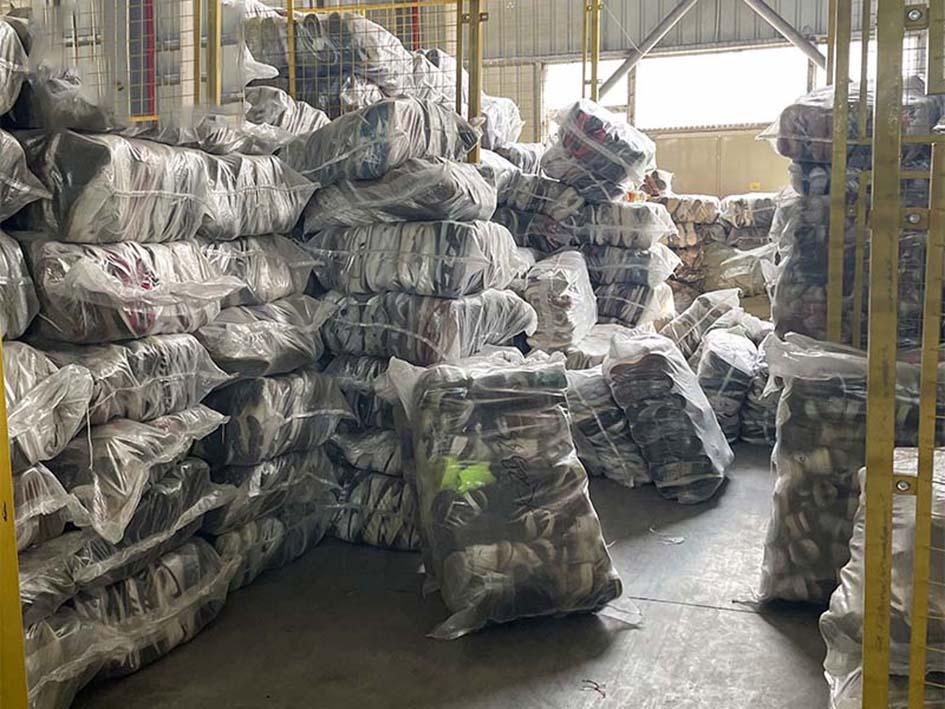
For bulk stock, sample ordinary coded units and count claimed, verified, unverified, ordinary-lane and excluded pairs. Keep condition grading in separate columns. A physically sound pair can remain unverified; an authenticated pair can still fail the resale condition rule.
Do not apply selected-pair evidence to an entire bale. Price the premium only on the verified or contractually supported denominator and preserve unsupported units in their approved fallback lane.
condition result
verification state
pair denominator
supported premium only
Use states such as verified within stated scope, inconsistent evidence, unresolved or not reviewed. Avoid accusing a seller or declaring illegality without appropriate evidence and process. Assign the commercial action separately.
For an inquiry, request actual-pair files, label and construction views, provenance scope, verification method, claim terms and packing separation. Reopen selected units before loading so premium and ordinary lanes remain reconciled.
careful evidence wording
buy, hold or ordinary lane
review responsibility
claim lane separated
No. It is one field that must be interpreted with exact-model and provenance evidence.
No. Boxes and accessories can be replaced, missing or copied.
Not by itself; production variation, wear and repair can affect observations.
When the claim materially affects premium, platform eligibility or legal representation.
No. Keep pair-level or supported sample counts and treat unsampled inventory separately.
Authenticity is an evidence chain with explicit limits, not a visual trick. The used sneakers wholesale category sets the product family; exact-pair records, provenance and appropriate review control premium claims.

Direct Factory Supplier of Used Shoes For African Markets In China
 Tel: +8618606960861
 Email: info@usedshoeswholesale.com
 MP/WhatsApp: +8618606960861
 Manufacturer Address:Cizao Town, Jinjiang City, Quanzhou City, Fujian Province